
 Yuyun Lusiyani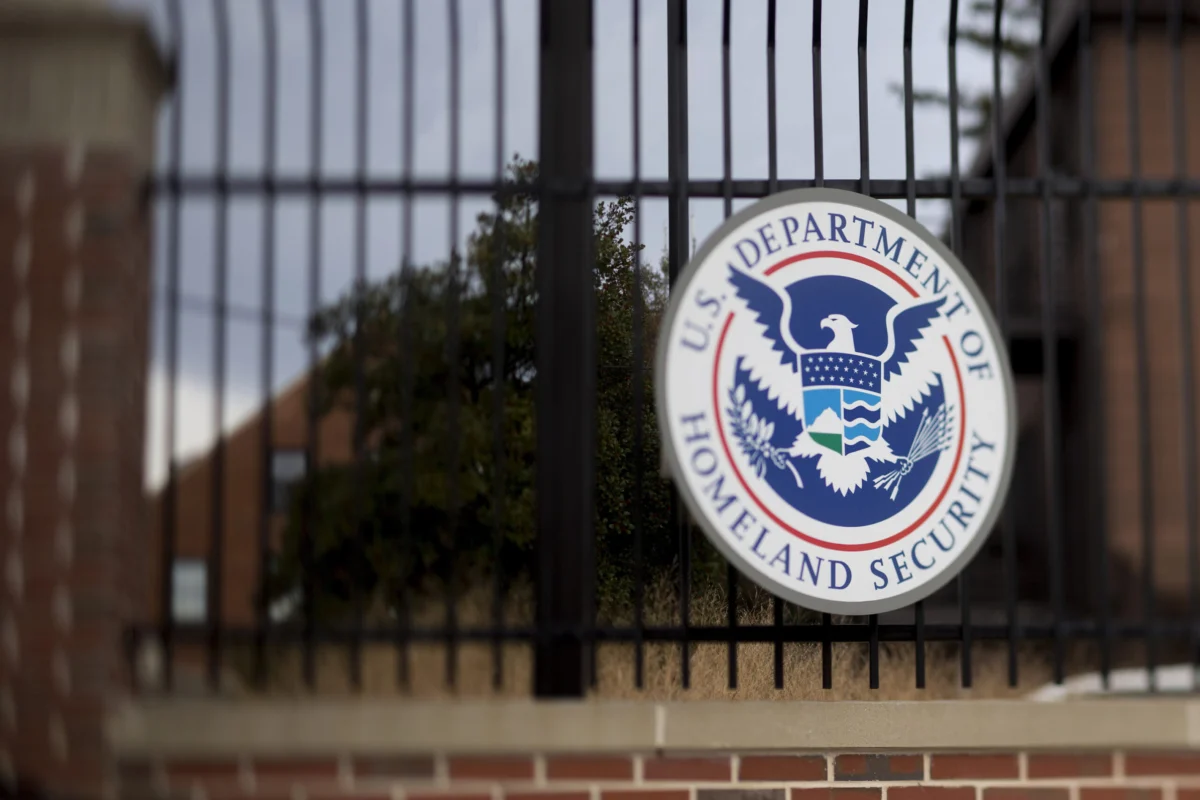
The intensification of federal efforts comes as the landscape of immigration fraud grows increasingly complex and pervasive, evolving from traditional schemes to highly sophisticated digital operations leveraging artificial intelligence and encrypted messaging platforms. Homeland Security Investigations (HSI), a critical subagency renowned for its expertise in tracking intricate international crimes such as human trafficking and illicit financial flows, has specifically requested detailed information regarding cases highlighted in the ProPublica exposé. Among these is the tragic account of a woman, gripped by anxiety over the Trump administration’s nationwide immigration sweeps, who sought assistance from individuals she believed would help her preserve her legal status. This desperate plea for help ultimately led to her financial ruin and, critically, caused her to miss a crucial court date, resulting in her forced deportation to Nicaragua. This case serves as a stark illustration of the devastating human cost exacted by these predatory networks.
The Escalating Crisis: A Digital Battleground
The plight of the deported woman is not isolated; it represents one of thousands of incidents where scammers meticulously lured their targets through strategically placed social media advertisements and then subjected them to elaborate deceptions, including fabricated court hearings and other official-looking bureaucratic steps. Each stage of these bogus processes was accompanied by demands for substantial sums of money, progressively draining victims’ resources. In response to this surging threat, the federal government is now aggressively scaling up its investigative capabilities and enforcement actions, according to sources privy to the ongoing inquiry.
A recent statement from the Department of Homeland Security (DHS) unequivocally declared an "all-out war" against these scammers, underscoring the severity with which the agency views this issue. The statement elaborated on the broader ramifications, asserting, "Immigration scammers contribute to a lawless environment, undermining our immigration system and posing risks to national security and public safety." This strong language reflects a recognition that these frauds extend beyond individual financial harm, impacting the integrity of the nation’s legal and security frameworks.
To dismantle these intricate networks, DHS investigators are actively seeking specific digital identifiers, including URLs, WhatsApp contact numbers, and transaction details from payment applications like Zelle, which could provide crucial digital breadcrumbs leading back to the perpetrators. The department’s investigation is gaining momentum amidst an alarming proliferation of such scams, indicating a systemic challenge that demands a multi-pronged response.
A Tsunami of Fraud: Financial and Human Toll
ProPublica’s meticulous analysis of data from the Federal Trade Commission (FTC) revealed a staggering financial toll: victims and advocacy groups reported at least $94.4 million stolen over a five-year period. This figure, however, is widely believed to be a significant underestimation, as many victims, particularly those in vulnerable immigrant communities, are reluctant to report fraud due to fear of repercussions, language barriers, or a lack of trust in authorities. The more than 6,200 formal complaints analyzed encompassed a broad spectrum of deceptive tactics. These ranged from fraudsters impersonating Immigration and Customs Enforcement (ICE) agents, demanding personal information under threat of immediate deportation, to sophisticated schemes targeting international students, exploiting the precarious nature of their visa status to extort money.
The tactics employed by these scammers are often psychologically manipulative, preying on the inherent anxieties of individuals navigating the complex and often intimidating U.S. immigration system. A common ruse involves fraudsters posing as legitimate attorneys, offering expedited or alternative pathways to avoid mandatory in-person court hearings. This particular tactic capitalizes on heightened fears among even lawful residents following a period under the Trump administration characterized by aggressive enforcement actions and increased ICE presence during immigration proceedings, which led to a climate of apprehension and uncertainty within immigrant communities.
The Digital Evolution of Deception: From Notario to AI Deepfakes
Experts in immigration law and digital forensics note that these scams frequently originate on widely used social media platforms such as Facebook and TikTok, where scammers advertise their fraudulent services. Once potential victims engage, the conversation is swiftly moved to encrypted messaging platforms like WhatsApp, which offers a degree of anonymity and makes it harder for law enforcement to track communications. On these platforms, scammers demand money in exchange for what appear to be authentic immigration filings, documents, or legal advice.
A significant historical and cultural dimension to this fraud is "notario fraud," a term deeply rooted in a linguistic and legal misunderstanding. In many Latin American countries, a "notario público" holds a prestigious legal qualification, often akin to an attorney or public prosecutor, empowered to provide a wide range of legal services. However, in the United States, a "notary public" is merely an individual authorized to witness signatures and administer oaths, possessing no legal training or authority to provide immigration advice. Scammers deliberately exploit this mistranslation and cultural difference, falsely implying they possess legal credentials to gain the trust of Spanish-speaking immigrants. This historical form of deception has seamlessly transitioned into the digital age, amplified by the reach of social media.
The technological sophistication of these scams has reached alarming new heights, as evidenced by recent cases. In South Florida, immigration attorney Angel Leal discovered hundreds of highly realistic, AI-generated videos featuring his likeness offering fraudulent immigration assistance on WhatsApp. These deepfake videos, distributed across Instagram, depicted a seemingly credible "Leal" seated in an office chair, with facial hair and expressions uncannily matching the real attorney. The AI-generated figure spoke fluent Spanish, complete with enthusiastic hand gestures, often with a potted plant or a mug in the foreground and a law degree prominently displayed in the background. Only subtle inconsistencies, such as slight discrepancies between mouth movements and spoken words, the appearance of gibberish text on documents, or objects subtly melding together in the background, betrayed the elaborate ruse. Leal’s office was forced to hire an anti-piracy agency to combat this digital impersonation, which resulted in the removal of the fraudulent content and over 6,000 fake profiles, according to local news reports. This incident highlights the formidable challenges posed by generative AI in perpetuating sophisticated fraud.
A Unified Front: Warnings and Challenges
The growing threat has prompted a coordinated response from various government agencies and legal organizations. In recent weeks, several entities have issued urgent public warnings against these immigration scams. These include the New York Department of State, the Florida Bar, and numerous local police departments across the country, all advising the public to exercise extreme caution. The American Bar Association (ABA), which has a long-standing history of cautioning against legal impersonators, has recently been in direct contact with DHS investigators, sharing information and coordinating efforts to combat the fraud.
Advocates and law enforcement agencies are now universally advising individuals targeted by these scams to meticulously document all interactions. This includes preserving advertisements, text conversations, and detailed payment information, as these pieces of evidence are crucial for investigations. DHS, in its public warnings, specifically cautions consumers to be wary of individuals or "lawyers" who advertise directly on social media platforms, operate predominantly via WhatsApp, and request payments through Zelle, as these are common hallmarks of fraudulent operations.
In April, ProPublica documented compelling accounts from several victims who recounted attending fake court hearings conducted via WhatsApp. These victims described interacting with "agents" dressed in phony government uniforms, recounting their deeply personal and often traumatic immigration stories to individuals who were, in reality, sophisticated fraudsters. Experts indicate that Spanish speakers are disproportionately targeted, often due to the "notario" confusion and the perception that they may be less familiar with the nuances of the U.S. legal system. Adding another layer of deception, scammers frequently pretend to be affiliated with prominent and trusted advocacy groups, such as Catholic Charities USA. This organization has been inundated with reports of fraudsters illicitly using their respected brand and logo to ensnare potential marks, further eroding trust within vulnerable communities.
Kevin Brennan, Vice President for Media Relations at Catholic Charities USA, issued a clear and emphatic statement clarifying the organization’s operational principles: "Directly reaching out to people via an ad or via WhatsApp and asking for money over Zelle, that is not something Catholic Charities agencies would ever do." This underscores the critical need for public awareness regarding the legitimate practices of trusted legal and advocacy organizations.
However, a significant challenge for these legitimate groups lies in the difficulty of getting imposter advertisements and fraudulent accounts removed from social media platforms and other digital spaces. Even when a fraudulent profile or ad is successfully taken down, scammers can quickly and inexpensively create new websites and accounts, often within hours. Charity Anastasio of the American Immigration Lawyers Association (AILA), another organization whose staff and public image have been repeatedly impersonated, aptly described this perpetual struggle as a "Whac-a-Mole" game, highlighting the formidable and ongoing battle against these adaptable criminal enterprises.
Broader Implications and the Path Forward
The widespread prevalence of immigration scams carries profound implications beyond the immediate financial and personal devastation inflicted upon individual victims. At a systemic level, these frauds severely undermine the integrity and public trust in the U.S. immigration system itself. When vulnerable individuals are repeatedly defrauded by those posing as legal experts or government officials, it fosters a deep-seated cynicism and reluctance to engage with legitimate legal processes, making it harder for those in need to seek genuine assistance. This erosion of trust can also impede efforts by law enforcement and advocacy groups to provide support and combat exploitation.
The DHS assertion that these scams pose risks to national security and public safety is rooted in several concerns. Fraudulent documents, if successfully created and distributed, can potentially be used for illicit purposes, including identity theft or even facilitating other criminal activities. Furthermore, the creation of a "lawless environment" through pervasive fraud can strain resources and divert attention from other critical national security priorities.
Addressing this complex issue requires a multi-faceted and collaborative approach. Enhanced enforcement by agencies like HSI, coupled with innovative digital forensic techniques, is crucial for tracking and prosecuting perpetrators. However, enforcement alone is insufficient. A robust public awareness campaign, delivered in multiple languages and through trusted community channels, is essential to educate immigrant communities about common scam tactics, legitimate legal processes, and reliable sources of assistance. Technology companies also bear a significant responsibility to implement more effective mechanisms for identifying and swiftly removing fraudulent content and accounts, particularly those leveraging advanced AI techniques for impersonation. Without a concerted effort from government, legal organizations, advocacy groups, and technology platforms, the "Whac-a-Mole" game will continue, leaving countless vulnerable individuals susceptible to exploitation and further eroding faith in the systems designed to protect them.



 Joko Widodo
 Eva Lovia
 Pevita Pearce
 admin
admin
 Lina Irawan