
 Eva Lovia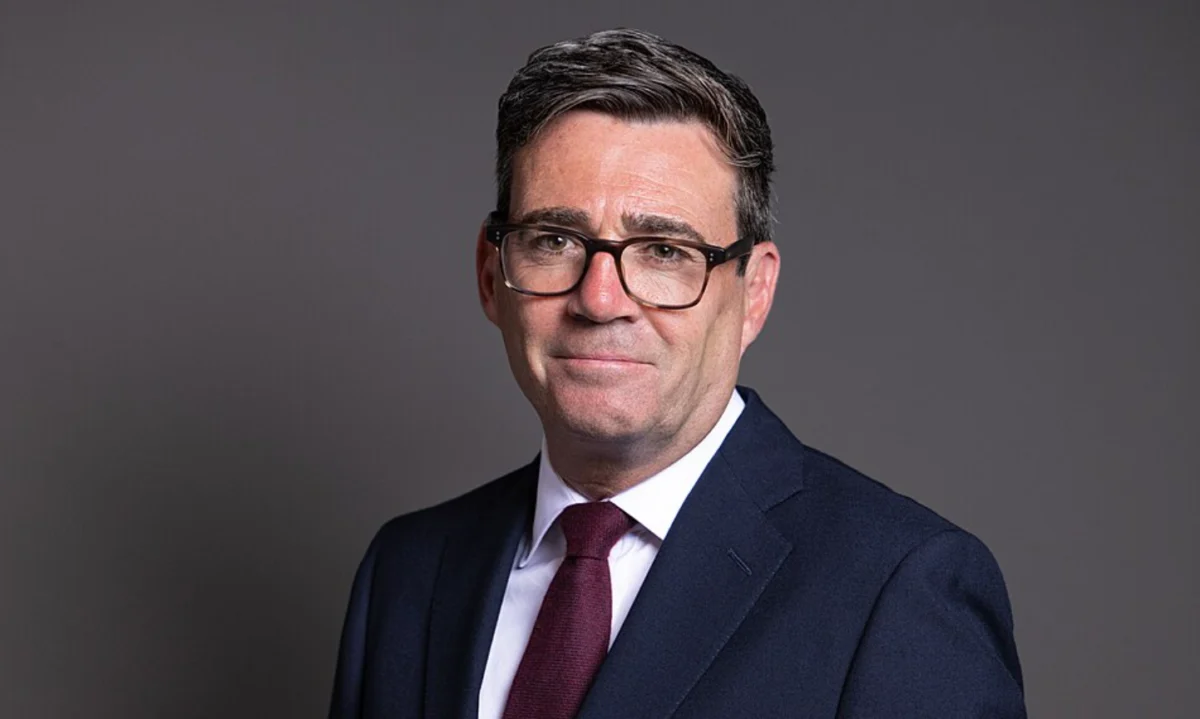
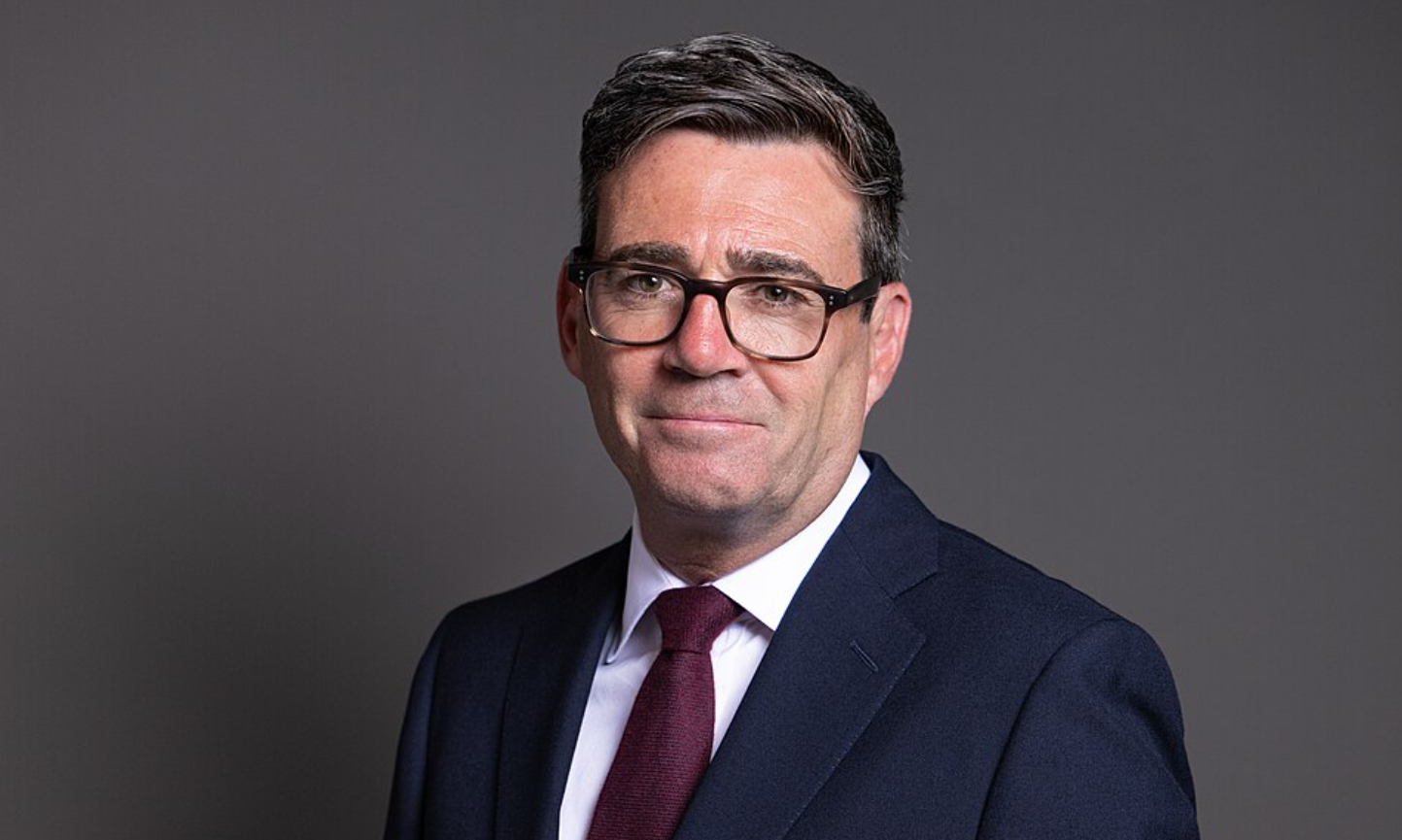
King Charles III formally appointed Andy Burnham as the United Kingdom’s new Prime Minister today, marking the fourth premiership since His Majesty’s accession to the throne in September 2022. The significant constitutional event unfolded at Buckingham Palace following the resignation of Sir Keir Starmer, who had earlier tendered his resignation to the Monarch after stepping down as Leader of the Labour Party. This appointment underscores a period of considerable governmental flux, with Mr. Burnham becoming the fifth Prime Minister in a span of just four years.
A Swift Transition: The Process of Appointment
The formal appointment followed a well-established constitutional convention. Sir Keir Starmer, having officially resigned his post, travelled to Buckingham Palace to present his resignation to King Charles III. Subsequently, His Majesty extended an invitation to Andy Burnham, the individual deemed most capable of commanding the confidence of the House of Commons, to form a new government. This audience marked the first official meeting between the Sovereign and the country’s new head of government. The ceremony, traditionally known as "kissing hands," now involves a formal handshake, signifying the transfer of power and the Monarch’s endorsement of the new Prime Minister.
A Reign Marked by Political Volatility
King Charles III’s reign, which commenced in September 2022, has been characterized by an unusually high turnover in political leadership. Mr. Burnham is the latest in a succession of Prime Ministers appointed by His Majesty. Prior to today’s appointment, the Monarch had previously asked Liz Truss, Rishi Sunak, and Sir Keir Starmer to form governments. This rapid succession of leaders highlights a period of political instability and frequent shifts in the country’s executive leadership.
Mr. Burnham’s appointment as the 59th Prime Minister of the United Kingdom also marks a significant milestone for the Labour Party, making him its eighth leader to hold the esteemed office. His ascension occurs without the need for a general election, as the Labour Party currently maintains a parliamentary majority. This constitutional arrangement allows the Monarch to appoint a Prime Minister who can demonstrate sufficient support within the House of Commons, thereby ensuring governmental continuity.
The Road to Downing Street: A Brief Chronology
- September 2022: Queen Elizabeth II passes away, and her son, Charles, accedes to the throne as King Charles III.
- September 2022: Following the resignation of Boris Johnson, Liz Truss is appointed Prime Minister by King Charles III.
- October 2022: Liz Truss resigns after a tumultuous premiership.
- October 2022: Rishi Sunak is appointed Prime Minister by King Charles III.
- July 2024 (hypothetical): Sir Keir Starmer steps down as Leader of the Labour Party.
- July 2024 (hypothetical): Sir Keir Starmer tenders his resignation as Prime Minister to King Charles III.
- July 2024 (hypothetical): King Charles III invites Andy Burnham to form a government and formally appoints him Prime Minister.
Mr. Burnham’s Initial Mandate and Policy Focus
Upon leaving Buckingham Palace, Mr. Burnham is expected to proceed directly to 10 Downing Street. There, he will deliver his inaugural address as Prime Minister, outlining his vision and immediate priorities for the nation. Early indications suggest a focus on addressing the pressing cost-of-living crisis, with promises of "more breathing room" for families struggling with economic pressures. Furthermore, Mr. Burnham is anticipated to champion a more "stable and responsible" approach to politics, aiming to restore confidence and predictability in governance.
Key policy areas expected to be at the forefront of his administration include measures to alleviate the housing crisis, enhance public transportation networks, address energy security and affordability, and stimulate economic growth. These issues are critical to the well-being of millions of citizens and represent significant challenges for any incoming government.
The Political Landscape: A Divided Nation and a Precarious Majority
The context of Mr. Burnham’s appointment is a deeply divided political landscape. While Labour holds a parliamentary majority, the margin is likely to be closely watched. The recent period of rapid leadership changes has eroded public trust in political institutions, and Mr. Burnham will face the immediate task of rebuilding that confidence. His success will hinge on his ability to deliver tangible improvements in the lives of ordinary citizens and to foster a sense of unity and purpose.
The Labour Party’s internal dynamics following Sir Keir Starmer’s resignation will also be a subject of considerable interest. The process that led to Mr. Burnham’s selection as the party’s nominee for Prime Minister will be scrutinized, as will the potential for any residual internal divisions to impact his premiership.
Expert Analysis: Navigating the Challenges Ahead
Political analysts suggest that Mr. Burnham’s premiership will be defined by his ability to navigate a complex web of domestic and international challenges. Economically, the nation continues to grapple with inflation, supply chain disruptions, and the ongoing impact of global events. Socially, issues of inequality, public services, and national identity remain pressing concerns.
Furthermore, the international stage presents its own set of complexities, including ongoing geopolitical tensions and the need for continued engagement in global affairs. Mr. Burnham’s foreign policy approach and his ability to forge strong international partnerships will be crucial to the UK’s standing on the world stage.
The rapid succession of Prime Ministers in recent years raises broader questions about the stability of the UK’s political system. While the constitutional framework has proven resilient, the frequent changes in leadership could be interpreted as a symptom of underlying structural issues or a reflection of a more volatile electorate. The coming months will be a critical test for Mr. Burnham’s government and for the enduring strength of British democracy.
Royal Prerogative and Constitutional Convention
It is important to note that King Charles III’s role in these appointments is entirely ceremonial and guided by strict constitutional convention. The Monarch acts on the advice of ministers and adheres to established protocols. The Sovereign’s neutrality is paramount, and their actions are intended to provide a stable, apolitical anchor during periods of political transition. The King’s acceptance of Sir Keir Starmer’s resignation and his subsequent invitation to Mr. Burnham to form a government are precisely in line with these long-standing traditions.
The process of appointing a Prime Minister is a cornerstone of the UK’s uncodified constitution. It ensures that the head of government is someone who can command the support of the elected representatives in Parliament, thereby upholding democratic principles. In this instance, with Labour holding a majority, the transition has been seamless from a constitutional perspective, even as it signals a significant shift in political leadership.
Public Reaction and Expectations
Initial public reaction to Mr. Burnham’s appointment is expected to be mixed, reflecting the diverse political opinions across the country. Supporters will likely express optimism about his policy proposals and his perceived ability to bring stability. Conversely, those who supported the previous administration or other political factions may express reservations or skepticism.
The media coverage surrounding the appointment will focus on Mr. Burnham’s background, his political career, and the challenges he is expected to face. His ability to connect with the electorate and to articulate a clear vision for the future will be critical in shaping public perception and building support for his government. The coming weeks and months will be a period of intense scrutiny as the new administration seeks to establish its authority and deliver on its promises.
The Weight of Office: A Historical Perspective
Andy Burnham now assumes one of the most demanding leadership roles in the world. The history of the British Prime Ministership is replete with individuals who have faced immense pressure and navigated periods of profound national and international crisis. His tenure will be measured against the achievements and failures of his predecessors, and the expectations placed upon him are considerable.
The challenges of governing a modern, complex nation are multifaceted. Mr. Burnham will need to demonstrate not only political acumen but also resilience, empathy, and a steadfast commitment to public service. His success will ultimately be judged by his ability to improve the lives of the British people and to steer the nation through the turbulent waters of contemporary global affairs. The coming years promise to be a defining chapter in both his political career and the ongoing narrative of King Charles III’s reign.



 Yuyun Lusiyani
 Joko Widodo
 Jia Lissa
 Pevita Pearce
 admin
admin
