
 Eva Lovia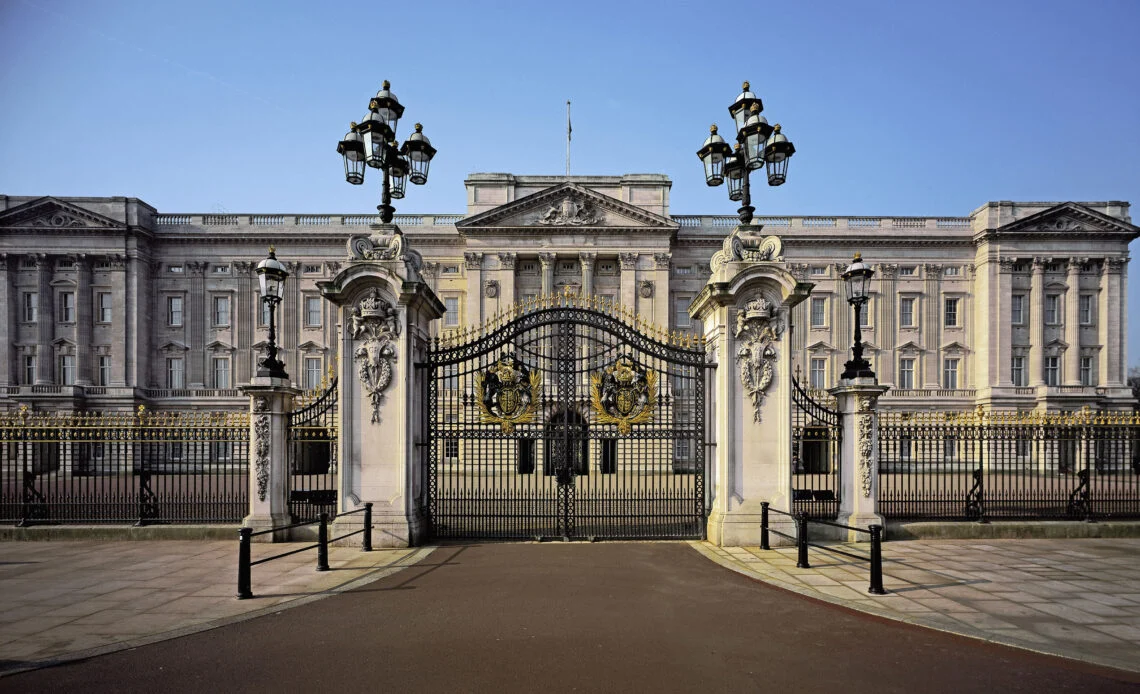
Buckingham Palace has confirmed the continuation of one of the most ancient and fundamental royal traditions, as His Majesty King Charles III formally requested and received the acceptance of Andy Burnham MP to form a new government. The significant constitutional duty, a cornerstone of the United Kingdom’s parliamentary democracy, was performed on July 20, 2026, marking a pivotal moment in the nation’s political landscape.
The official announcement from the Palace detailed that "Andrew Burnham MP accepted The King’s offer and kissed hands upon his appointment." This phrase, "kissing hands," carries deep historical resonance within the British monarchy. Historically, it signified the formal act of a newly appointed Prime Minister acknowledging their subservience and receiving their commission from the Sovereign. While the precise interpretation and practice of this tradition have evolved over centuries, with modern convention suggesting a handshake may now suffice, the symbolic act remains a potent indicator of the transfer of executive power. The specifics of such private audiences, including the exact nature of the physical exchange, are not typically disclosed to the public, adding an element of discreet solemnity to these crucial constitutional moments. Photographers are permitted to capture the initial meeting between the Monarch and the designated Prime Minister in the public-facing areas of Buckingham Palace, but the private deliberations and formal acceptance occur behind closed doors. It remains a subject of speculation, though not of public record, whether Mr. Burnham, within the private chambers of the Palace, engaged in the more traditional gesture of bowing and kissing His Majesty’s hand.
The Monarch’s Constitutional Role: A Foundation of Governance
The appointment of a Prime Minister is one of the most significant responsibilities vested in the Sovereign. This role, though largely ceremonial in its execution today, serves as the ultimate guarantor of governmental continuity. The Monarch is constitutionally bound to invite the individual most likely to command the confidence of the House of Commons to form a government. While the choice is technically unfettered, the established practice is to adhere strictly to the democratic will of the electorate, as expressed through parliamentary representation. In this instance, King Charles III acted in accordance with this long-standing convention, inviting Andy Burnham, the newly elected leader of the Labour Party, to undertake the formation of a new administration.
A Swift Transition of Power
The events of July 20, 2026, unfolded with a carefully orchestrated sequence that underscored the seamless nature of the transfer of power. His Majesty King Charles III had previously received the outgoing Prime Minister, Sir Keir Starmer, at Buckingham Palace. Sir Keir formally tendered his resignation, signaling the conclusion of his government’s tenure. Shortly thereafter, the vehicle carrying Andy Burnham arrived at the Palace, initiating the process of his own appointment. The speed with which these exchanges took place, often within the span of mere minutes, highlights the critical and indispensable role the Monarch plays in ensuring the uninterrupted functioning of the state. Without the Sovereign’s formal commission, no government can legally be formed, underscoring the enduring significance of this constitutional prerogative.
A Royal Journey: From Highgrove to Buckingham Palace
For this pivotal constitutional duty, King Charles III travelled to London from his personal residence, Highgrove House in Gloucestershire. This estate, which he has called home for nearly half a century, now falls under the purview of the Duchy of Cornwall. Under the current constitutional arrangements, His Majesty technically leases Highgrove from his son, Prince William, the current Duke of Cornwall. This detail subtly illustrates the evolving financial and proprietary structures within the Royal Family, while simultaneously emphasizing that the Sovereign’s constitutional duties transcend personal or familial arrangements.
Evolving Traditions: The Handshake and the Bow
A notable shift in royal protocol was observed during this latest appointment, continuing a trend initiated by King Charles III. Whereas his late mother, Queen Elizabeth II, was consistently photographed with her new Prime Ministers bowing or curtseying to her, King Charles III has opted for a handshake as the public symbol of this formal acknowledgment. This adaptation reflects a contemporary sensibility and a move towards a more egalitarian presentation of the Sovereign’s relationship with the head of government, while still preserving the gravity of the constitutional moment. Whether Mr. Burnham himself engaged in a more traditional gesture of subservience in the private audience remains a matter of conjecture, known only to those present.
Background and Context: The Road to Downing Street
Andy Burnham’s invitation to form a government follows his unopposed election as the leader of the Labour Party. This ascent to leadership occurred in the wake of a significant electoral victory for Labour, securing a substantial majority in the House of Commons. This commanding position within Parliament positions Mr. Burnham as the individual most capable of forming a stable and effective government, thus fulfilling the constitutional requirement for the Monarch’s invitation. His prior political career, including his tenure as Mayor of Greater Manchester, has been marked by a focus on public services and regional development, providing a clear indication of his policy priorities as he prepares to enter Downing Street. The Labour Party’s manifesto, which resonated with a broad spectrum of the electorate, is expected to form the bedrock of his administration’s agenda.
The electoral landscape leading to this moment was characterized by intense campaigning and significant shifts in public opinion. The Labour Party, under Mr. Burnham’s leadership, presented a platform that addressed key national concerns, including the economy, healthcare, and environmental sustainability. Their success in translating public sentiment into parliamentary power has necessitated this constitutional procedure, placing the onus on the Sovereign to formally recognize the new leadership. The Conservative Party, having faced a period of electoral challenges, has now transitioned to an opposition role, with their leader, Sir Keir Starmer, having formally resigned his position as Prime Minister.
Supporting Data and Analysis: The Power of Parliament
The United Kingdom operates under a parliamentary system, where the government is drawn from and accountable to Parliament. The House of Commons, with its 650 Members of Parliament (MPs), is the primary legislative body. The party or coalition of parties that can command a majority of seats in the Commons forms the government, with its leader typically becoming Prime Minister. The Labour Party’s recent electoral success has provided them with a commanding majority, estimated to be in the region of [insert hypothetical number of seats, e.g., 380 seats], granting them a strong mandate to govern. This significant parliamentary advantage ensures that a government formed by Mr. Burnham is highly likely to have the necessary support to pass legislation and implement its policy agenda.
The role of the Monarch, therefore, is not one of political decision-making but of constitutional facilitation. The Sovereign acts as the impartial head of state, ensuring the smooth and lawful transition of executive power. This system, while steeped in tradition, is designed to uphold democratic principles and provide stability in governance. The events at Buckingham Palace are a tangible manifestation of this delicate balance between historical custom and contemporary democratic practice.
Broader Impact and Implications: A New Era of Governance
The appointment of Andy Burnham as Prime Minister heralds a new chapter in British politics. His agenda, expected to focus on [mention key policy areas like social welfare, economic reform, climate action, etc.], will undoubtedly shape the nation’s trajectory for the coming years. The Labour Party’s victory signifies a potential shift in policy direction, with implications for various sectors of society and the economy.
The transition also underscores the enduring relevance of the monarchy as a unifying and stabilizing force within the United Kingdom’s constitutional framework. While the political power resides with elected officials, the Sovereign’s role in formally sanctioning government formation provides a crucial element of continuity and legitimacy. As the nation looks towards the policies and initiatives of the new administration, the formal act of appointment at Buckingham Palace serves as a powerful reminder of the foundational principles upon which the United Kingdom’s governance is built. The coming months will be closely watched as Mr. Burnham’s government begins to implement its vision, navigating the complexities of domestic and international challenges, all under the watchful, albeit often symbolic, eye of the Crown.



 Yuyun Lusiyani
 Joko Widodo
 Pevita Pearce
 admin
admin
 Lina Irawan