
 admin
admin
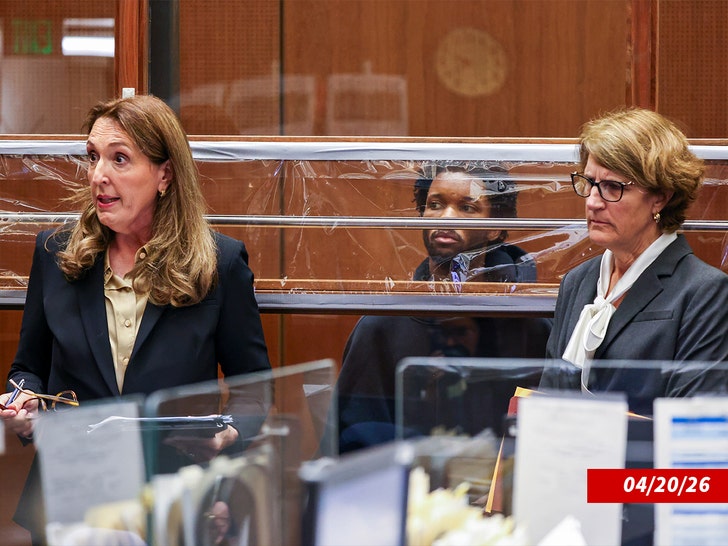
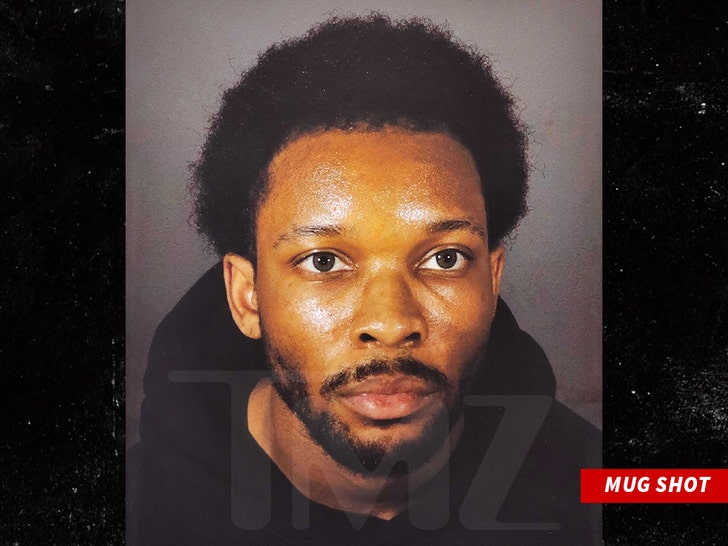
Recording artist D4vd, born David Burke, is seeking the removal of handcuffs and other physical restraints for his pivotal preliminary hearing scheduled to commence tomorrow in the murder case of Celeste Rivas. The motion, filed by his high-profile defense attorney, Blair Berk, contends that Burke’s conduct during prior court appearances warrants the lifting of these measures, arguing that he poses no flight risk nor disruption threat. This request comes as prosecutors prepare to present a substantial body of evidence, some of which is anticipated to be profoundly graphic, in their bid to convince a Los Angeles Superior Court judge that sufficient grounds exist to proceed with a full murder trial.
The gravity of the charges facing D4vd cannot be overstated. He was arrested and subsequently charged in April with first-degree murder, alongside counts of lewd and lascivious acts with a child under 14, and mutilation of a body. These severe allegations stem from the discovery of Celeste Rivas’s dismembered remains in a Tesla registered to Burke in September of the previous year. The prosecution’s case is reportedly bolstered by a comprehensive array of forensic and digital evidence, including DNA, surveillance footage, text messages, and phone records, all of which they assert point definitively to Burke’s culpability in the horrific death of the young girl. Burke has maintained his innocence, entering a plea of not guilty to all charges.

The Motion to Unshackle: Legal Precedent and Courtroom Optics
The request for D4vd to appear without restraints during his preliminary hearing is a common, though not always granted, legal maneuver in high-profile criminal cases. Defense attorneys frequently argue that the visible shackling of a defendant can prejudice a judge or jury, even in a preliminary setting, by implying guilt or dangerousness before evidence is fully heard. Blair Berk, a seasoned attorney known for representing numerous celebrities, highlighted in the motion that Burke’s five previous court appearances have been entirely "uneventful," devoid of any attempts to escape or disruptive behavior. This argument hinges on the principle that restraints should only be used when there is a demonstrated necessity for security, to prevent escape, or to maintain order in the courtroom.
Judges, in considering such motions, typically weigh several factors, including the defendant’s past conduct, the severity of the charges, the defendant’s physical demeanor, and the security resources available in the courtroom. While a preliminary hearing is not a trial, and its purpose is not to determine guilt or innocence but rather probable cause, the optics of a defendant appearing shackled can still influence perception. For the defense, presenting a client free of physical restraints can subtly convey an image of a calm, cooperative individual who trusts the judicial process, potentially fostering a more neutral environment for the judge evaluating the evidence. Conversely, prosecutors often argue for continued restraints, particularly in cases involving violent crimes, citing public safety and the inherent seriousness of the allegations. As of now, Los Angeles Superior Court Judge Charlaine Olmedo has yet to issue a ruling on Burke’s unshackling motion, leaving open the question of his appearance tomorrow.
A Deep Dive into the Allegations and Evidence
The charges against D4vd paint a grim picture, alleging a sequence of events that began with a predatory relationship and culminated in extreme violence. Prosecutors claim that Burke initiated a sexual relationship with Celeste Rivas when she was just 13 years old. The discovery of Rivas’s dismembered body in Burke’s Tesla, seven months after her disappearance, forms the brutal centerpiece of the prosecution’s case. The charge of first-degree murder implies premeditation and intent, carrying a potential sentence of life imprisonment without parole or even the death penalty in some jurisdictions, though California currently has a moratorium on executions. The additional charges of lewd and lascivious acts with a child under 14 underscore the alleged exploitation, while the charge of mutilating a body further illustrates the horrifying nature of the crime.

The prosecution’s announced intent to present "graphic" evidence during the preliminary hearing suggests they possess compelling and disturbing details regarding the victim’s death and the subsequent handling of her remains. This could include forensic findings from the autopsy, crime scene photographs, and potentially digital communications that illustrate the alleged relationship and the events leading up to the murder. DNA evidence, if conclusively linking Burke to the victim’s body or the crime scene, would be a cornerstone of their argument for probable cause. Surveillance footage could place Burke and Rivas together, while text messages and phone records could establish communication patterns, potential motives, or admissions relevant to the case. The cumulative weight of this evidence will be crucial for Judge Olmedo in determining whether there is sufficient probable cause to believe a crime was committed and that D4vd committed it, thus warranting a full trial.
Chronology of a Developing Tragedy
The timeline of events in the Celeste Rivas murder case unfolds as a disturbing narrative, tracing the progression from a horrific discovery to the current legal maneuvers:
- September 2025: The dismembered body of Celeste Rivas is discovered inside a Tesla registered to David Burke, known professionally as D4vd. This discovery immediately thrusts the rising music artist into the national spotlight for all the wrong reasons. The initial investigation begins, shrouded in secrecy as authorities work to identify the victim and gather preliminary evidence. Law enforcement commences an intensive forensic examination of the vehicle and surrounding circumstances.
- December 2025 – March 2026 (Implied Investigation Period): Over several months, law enforcement agencies meticulously gather evidence. This prolonged period is typical for complex cases involving forensic analysis, digital evidence retrieval, and witness interviews. The complexity of the case, involving a dismembered body and a high-profile individual, likely necessitated extensive and careful investigative work, involving multiple specialized units.
- April 16, 2026: David Burke (D4vd) is arrested in connection with Rivas’s death. The arrest sends shockwaves through the music industry and among his fanbase, given his burgeoning career and the stark contrast between his public image and the severity of the allegations.
- April 20, 2026: Prosecutors formally announce charges against Burke, including first-degree murder, lewd and lascivious acts with a child under 14, and mutilation of a body. Burke pleads not guilty to all counts, setting the stage for a protracted legal battle. He is held in custody without bail, signaling the court’s assessment of him as a significant flight risk or danger to the community.
- April 2026 – July 2026 (Pre-Hearing Phase): Burke remains in custody. His legal team, led by Blair Berk, begins preparing his defense, conducting discovery, and filing preliminary motions, including the current request regarding restraints. The prosecution concurrently organizes its vast evidence for presentation at the preliminary hearing, strategically determining which elements will most effectively establish probable cause.
- July 20, 2026 (Present Day): D4vd’s defense team files the motion requesting the removal of handcuffs and other restraints for the upcoming preliminary hearing, setting up a legal skirmish before the main proceedings even begin.
- July 21, 2026 (Tomorrow): The preliminary hearing is scheduled to begin, pending Judge Olmedo’s decision on the unshackling motion. This hearing marks a critical juncture where the strength of the prosecution’s case will be publicly tested.
This chronology illustrates the methodical progression of a major criminal investigation, from the initial discovery of a heinous crime to the formal legal proceedings that will determine the defendant’s fate. Each step has been closely scrutinized, reflecting the high stakes involved for all parties.
The Significance of a Preliminary Hearing
A preliminary hearing, often misunderstood by the public, is a critical juncture in the criminal justice process, particularly in felony cases. Unlike a full trial, where a jury or judge determines guilt beyond a reasonable doubt, the purpose of a preliminary hearing is for a judge to ascertain whether there is "probable cause" to believe that a crime was committed and that the defendant committed it. It serves as a gatekeeping mechanism, preventing cases with insufficient evidence from proceeding to a costly and lengthy trial.
During this hearing, prosecutors present a summary of their evidence. They are not required to present every piece of evidence they possess, nor are they expected to prove guilt conclusively. Instead, they aim to demonstrate a reasonable basis for the charges. The burden of proof at this stage is significantly lower than for a full trial, requiring only a "strong suspicion" or "reasonable ground" to believe the defendant committed the crime. The defense, on the other hand, has the opportunity to cross-examine prosecution witnesses and, in some cases, present their own witnesses or evidence, though this is less common at this stage. The defense’s primary goal is often to challenge the sufficiency of the prosecution’s evidence, expose weaknesses in their case, or to lay groundwork for future trial strategy by gaining insight into the prosecution’s witnesses and evidence. If the judge finds probable cause, the defendant is "held to answer," meaning the case proceeds to trial in a higher court. If not, the charges may be dismissed, though prosecutors can sometimes refile charges if new evidence emerges or if the judge’s ruling is deemed legally erroneous.
For D4vd, this hearing is his first substantial opportunity to confront the evidence against him in open court. The outcome will dictate whether he stands trial for murder and the other grave charges. The nature of the evidence, particularly its graphic content, is designed to compel the judge to recognize the severity and apparent validity of the prosecution’s claims, thereby securing a "hold to answer" ruling.
Broader Implications and Public Scrutiny
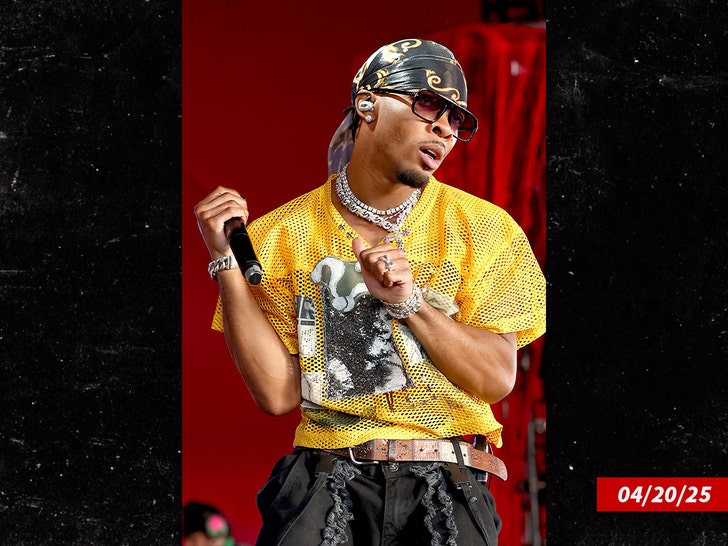
The case of D4vd has drawn significant public attention, not only due to the horrifying nature of the allegations but also because of the defendant’s public persona as a rising music artist. David Burke, under his stage name D4vd, had been experiencing a rapid ascent in the music industry, known for his distinctive vocal style and genre-bending sound. The sudden shift from musical acclaim to severe criminal charges has created an intense public spectacle, placing both the defendant and the judicial process under an intense microscope.
Regardless of the eventual legal outcome, the mere existence of such charges has already had a profound and likely irreparable impact on D4vd’s career and public image. His music, which had been gaining traction and a loyal fanbase, is now inextricably linked to these dark allegations. This scenario is a familiar one in the annals of celebrity justice, where the court of public opinion often renders a verdict long before legal proceedings conclude. The case also highlights broader societal issues, including the vulnerability of minors to exploitation, the devastating consequences of violence, and the complexities of legal representation for high-profile defendants.
The outcome of the unshackling motion itself carries implications beyond just courtroom comfort. For the defense, it is a statement about their client’s perceived character and compliance within the judicial system. Allowing a defendant to appear without restraints can project an image of a person not deemed dangerous or a flight risk by the court, potentially influencing public perception and even the judge’s subconscious assessment. For the prosecution, maintaining restraints can be seen as upholding security, emphasizing the gravity of the charges, and ensuring the decorum and safety of the courtroom. Judge Olmedo’s decision will be closely watched, setting a tone for the proceedings that are expected to be lengthy and emotionally charged.
As the legal battle unfolds, the focus remains on the pursuit of justice for Celeste Rivas. The preliminary hearing is merely the next step in a complex and tragic saga, with the full weight of the legal system now engaged in determining the truth behind the accusations against D4vd. The court’s decision on his request to remove restraints will precede what promises to be a grueling presentation of evidence, shaping the path forward for this high-profile and deeply disturbing case. The public, and indeed the legal community, awaits Judge Olmedo’s ruling and the revelations expected from tomorrow’s proceedings. The stakes are immensely high, not just for David Burke, but for the integrity of the judicial process and, most importantly, for the memory of Celeste Rivas.


 Yuyun Lusiyani
 Joko Widodo
 Eva Lovia
 Pevita Pearce

 Lina Irawan