
 admin
admin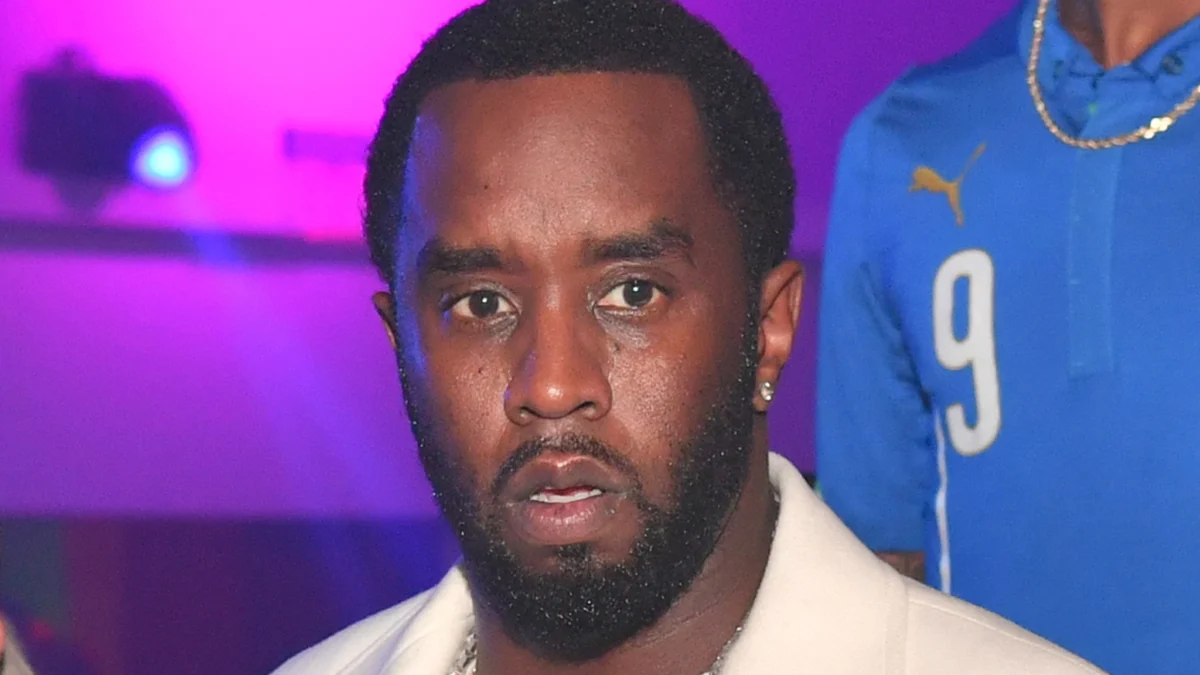
Music mogul Sean "Diddy" Combs has escalated his legal defense, filing a motion in federal court to compel Grace O’Marcaigh and her legal representatives to pay his attorneys’ fees and associated costs. The request stems from Combs’ assertion that O’Marcaigh’s amended complaint, part of an ongoing lawsuit alleging sexual assault, is "baseless" and constitutes a frivolous continuation of litigation in a jurisdiction where a judge has already ruled against personal jurisdiction over him. This aggressive maneuver underscores the intensifying legal battles facing the entertainment icon, as he seeks to mitigate financial and reputational damage from a multitude of allegations.
The core of Combs’ latest filing, obtained by TMZ, centers on the argument that O’Marcaigh’s legal team disregarded a prior judicial ruling that California courts lacked personal jurisdiction over him. According to Combs’ attorneys, the subsequent amended complaint merely repackaged previously rejected jurisdictional arguments, forcing their client to incur additional, unnecessary expenses in his defense. This move is a strategic attempt to deter what his legal team views as vexatious litigation, leveraging procedural rules designed to prevent the abuse of the legal system.
The Genesis of the Lawsuit: O’Marcaigh’s Allegations
Grace O’Marcaigh’s lawsuit against Sean Combs and his son, Christian "King" Combs, originated from a purported incident aboard a yacht in the Caribbean in 2022. O’Marcaigh, who was working as a steward on the vessel, alleges that Christian "King" Combs sexually assaulted her. Her complaint further posits that Sean Combs bears civil responsibility for the alleged actions, citing his ownership or control of the yacht and the environment onboard. These are serious allegations that Combs has vehemently and consistently denied since the lawsuit was first reported in April 2024. The case quickly garnered media attention, adding to the growing legal scrutiny surrounding the Combs family.
The initial complaint detailed a harrowing account of the alleged assault, placing it within the context of a party atmosphere where alcohol and other substances were reportedly present. O’Marcaigh’s legal team sought damages for emotional distress, physical harm, and other related claims, aiming to hold both Christian Combs directly accountable and Sean Combs civilly liable through principles of vicarious liability or negligent supervision. The lawsuit highlighted the complexities of jurisdiction when incidents occur in international waters, involving parties with residences and business interests across different states and countries.
Navigating Jurisdictional Waters: A Legal Timeline
The progression of O’Marcaigh’s lawsuit has been marked by a critical focus on the issue of personal jurisdiction, a fundamental legal principle determining a court’s authority over a defendant.
- April 2024: Grace O’Marcaigh files her initial lawsuit in a California federal court, naming Sean "Diddy" Combs and Christian "King" Combs as defendants. The complaint details the alleged 2022 sexual assault on a yacht in the Caribbean and seeks to establish Sean Combs’ civil liability.
- Late 2024 / Early 2025 (Inferred): Sean Combs’ legal team files a motion to dismiss the lawsuit, primarily arguing that California courts lack personal jurisdiction over him. They contend that Combs, as a resident of Florida, with the alleged incident occurring in the Caribbean, does not have sufficient "minimum contacts" with California to justify being sued there.
- Mid-2025 (Inferred): A federal judge reviews the arguments and issues a ruling affirming Combs’ position, concluding that the California court indeed lacks personal jurisdiction over Sean Combs based on the initial complaint’s allegations. This ruling was a significant procedural victory for Combs, effectively halting the case against him in that specific court.
- Late 2025 / Early 2026 (Inferred): O’Marcaigh’s legal team files an amended complaint. This revised pleading attempts to introduce new facts or refine existing ones, aiming to establish the requisite jurisdictional ties between Sean Combs and the state of California, particularly concerning the yacht charter and any alleged connections to California.
- July 20, 2026: Sean Combs files the current motion for sanctions, arguing that the amended complaint failed to remedy the jurisdictional defects identified by the court and instead merely "repackaged" the same arguments, thus prolonging a meritless legal pursuit in California.
This chronological sequence demonstrates a tactical legal battle, where the initial skirmish is not about the merits of the allegations but about where—or even if—the case can proceed against Sean Combs.
Understanding Personal Jurisdiction: A Key Legal Hurdle
Personal jurisdiction is a foundational concept in civil procedure, dictating whether a court has the authority to compel a defendant to appear and defend a lawsuit within its geographical boundaries. For a court to assert personal jurisdiction over a defendant, it must typically be demonstrated that the defendant has "minimum contacts" with the forum state such that maintaining the suit does not offend traditional notions of fair play and substantial justice. This principle, established by the U.S. Supreme Court, aims to protect defendants from being forced to litigate in distant or inconvenient forums with which they have no meaningful connection.
In the context of O’Marcaigh’s lawsuit, the challenge for her legal team was to demonstrate that Sean Combs, despite residing in Florida and the alleged incident occurring in the Caribbean, had sufficient contacts with California related to the claims. Such contacts could include conducting substantial business in the state, owning property, or engaging in activities directly related to the yacht charter that allegedly originated from or was managed through California entities. Without these "minimum contacts," a defendant can successfully argue that the court lacks the power to adjudicate the case against them, leading to a dismissal of the complaint. Combs’ initial victory on this point was a testament to his legal team’s ability to demonstrate an absence of such ties, at least as presented in the initial filing.
Diddy’s Legal Team: Claims of Repetitive Litigation
In their motion for sanctions, Combs’ attorneys argue vehemently that O’Marcaigh’s amended complaint failed to address the fundamental flaws identified by the court in its prior ruling on personal jurisdiction. They contend that the revised filing was not a good-faith effort to cure the defects but rather a mere re-articulation of arguments already deemed insufficient. This, they assert, constitutes an abuse of the judicial process.
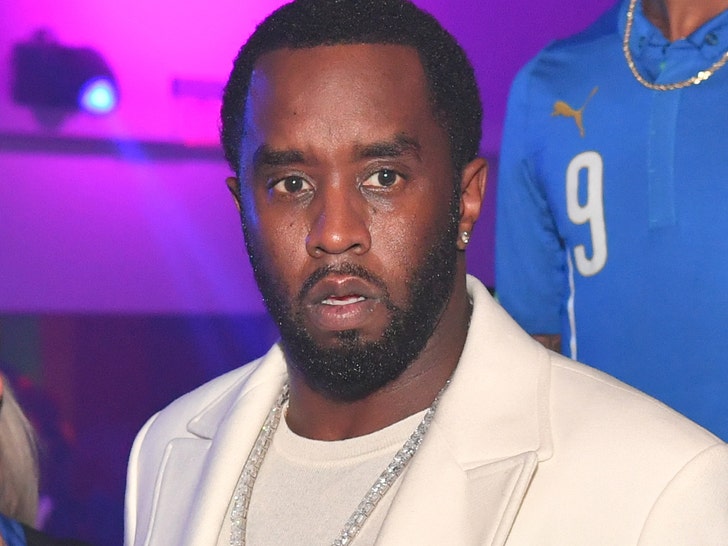
Combs’ legal team invoked legal principles governing frivolous filings, such as Federal Rule of Civil Procedure 11, which allows courts to impose sanctions on parties or their attorneys for presenting pleadings, motions, or other papers for any improper purpose, such as to harass, cause unnecessary delay, or needlessly increase the cost of litigation. They argue that by ignoring the court’s explicit guidance on the jurisdictional issue, O’Marcaigh and her lawyers have forced Combs to expend additional resources on legal fees and costs to defend against a case that should not proceed in California. The motion explicitly seeks reimbursement for these accrued expenses, sending a clear message that Combs intends to vigorously challenge any perceived procedural missteps by his accusers. The intent is not only to recover costs but also to deter further attempts to pursue the case in a forum deemed inappropriate by the court.
O’Marcaigh’s Defense: New Allegations and Court Mandate
Conversely, O’Marcaigh’s attorneys have countered Combs’ accusations of frivolousness. In letters attached to Combs’ filing, they argue that the amended complaint was a legitimate effort to introduce new allegations and facts designed to establish a connection between Sean Combs and the state of California. Specifically, they claim the revised pleading included details that more directly tie Combs to California through the yacht charter arrangements that were at the heart of the lawsuit. This suggests that their strategy was to identify and present specific "minimum contacts" that they believe satisfy the jurisdictional requirements previously found lacking.
Furthermore, O’Marcaigh’s legal team emphasized that the judge had granted them explicit permission to amend their complaint. This procedural allowance, they argue, signifies that the court recognized the potential for new information or revised legal arguments to establish jurisdiction, and therefore, their actions were not in defiance of a court order but rather in compliance with procedural rules. They insist that the request for sanctions is "without merit," implying that Combs’ motion is an attempt to unfairly penalize them for exercising their right to refine their legal arguments within the bounds of judicial process. Their defense hinges on the assertion that they acted in good faith, attempting to comply with the court’s prior ruling by strengthening their jurisdictional claims.
The Broader Legal Landscape Surrounding Sean Combs
The motion for sanctions in the O’Marcaigh case unfolds amidst a much broader and complex legal storm engulfing Sean "Diddy" Combs. In recent months and years, the music mogul has faced a barrage of civil lawsuits, primarily alleging sexual assault, sex trafficking, and other misconduct. These lawsuits, many filed under adult survivor acts that temporarily lift statutes of limitations, have painted a troubling picture of alleged systemic abuse within his enterprises.
Beyond the civil litigation, Combs has also been the subject of federal investigations. In March 2024, his homes in Los Angeles and Miami were raided by Homeland Security Investigations (HSI) agents as part of an ongoing federal sex trafficking probe. These raids, highly publicized and unprecedented for a figure of Combs’ stature, signaled a significant escalation of legal scrutiny. While the specifics of the federal investigation remain largely under wraps, its existence adds immense pressure to Combs’ legal defense in all ongoing cases. The convergence of multiple civil lawsuits and a federal probe has cast a long shadow over his career, leading to significant reputational damage, the suspension of business partnerships, and intense public scrutiny. The O’Marcaigh case, while distinct, is thus part of a larger, interwoven narrative of legal challenges that collectively threaten to dismantle his empire and redefine his legacy. Each legal maneuver, including the current sanctions request, is viewed through the lens of this overarching crisis, with potential implications extending beyond the immediate case.
Implications of a Sanctions Ruling
The judge’s decision on Sean Combs’ motion for sanctions will carry significant implications, regardless of the outcome, for both parties and potentially for future litigation against Combs.
If Sanctions are Granted:
- Financial Penalties: O’Marcaigh and/or her attorneys would be ordered to pay Combs’ legal fees and costs incurred in responding to the amended complaint. This would be a financial blow and a public rebuke.
- Legal Precedent: A ruling in Combs’ favor could establish a precedent that attorneys must adhere strictly to prior jurisdictional rulings when filing amended complaints, making it harder for plaintiffs to simply re-file without substantial new evidence of jurisdiction.
- Deterrent Effect: It could send a strong message to other plaintiffs and their legal teams considering similar lawsuits against Combs, potentially discouraging what his team considers to be frivolous or jurisdictionally unsound filings.
- Strategic Victory: For Combs, it would be a significant procedural victory, validating his legal team’s aggressive defense strategy and potentially strengthening his position in other related legal battles.
If Sanctions are Denied:
- Validation for O’Marcaigh’s Legal Strategy: A denial would implicitly endorse O’Marcaigh’s attorneys’ belief that their amended complaint contained genuinely new jurisdictional arguments and that they acted in good faith.
- Continued Litigation: It would mean the jurisdictional battle would likely continue, potentially leading to further discovery on the jurisdictional issue or, if jurisdiction is eventually established, moving to the merits of the sexual assault allegations.
- Increased Legal Costs for Combs: Combs would continue to bear the legal costs of defending against the jurisdictional arguments, adding to the already substantial expenses from his various legal battles.
- Public Perception: A denial might be perceived by some as a setback for Combs’ efforts to dismiss cases against him, potentially emboldening other accusers.
Ultimately, the decision rests on the judge’s interpretation of whether O’Marcaigh’s amended complaint genuinely attempted to cure the previously identified jurisdictional defects or if it was, as Combs argues, a mere repackaging of rejected arguments. This ruling will not decide the truth of the sexual assault allegations but will profoundly impact the procedural trajectory of O’Marcaigh’s case against Sean Combs.
The Path Forward: Awaiting Judicial Decision
The current phase of the legal proceedings hinges on the federal judge’s deliberation regarding Sean Combs’ motion for sanctions. This decision will involve a careful review of all filings, including the initial complaint, Combs’ motion to dismiss, the judge’s prior ruling on jurisdiction, O’Marcaigh’s amended complaint, and the arguments presented by both legal teams concerning the sanctions request. The judge will assess whether O’Marcaigh’s attorneys acted in good faith in filing the amended complaint and whether their new allegations genuinely present a plausible basis for establishing personal jurisdiction over Combs in California.

Should the judge deny the motion for sanctions, the jurisdictional battle would likely continue, potentially leading to further evidentiary hearings or discovery focused specifically on Combs’ contacts with California. If, eventually, jurisdiction is established, the case would then move to the substantive merits of O’Marcaigh’s sexual assault allegations. Conversely, if sanctions are granted, it could significantly impact O’Marcaigh’s ability to continue the lawsuit in California, potentially forcing her to refile in a different, more appropriate jurisdiction or abandon the claim against Sean Combs entirely. The outcome will be a pivotal moment in this specific legal entanglement, influencing not only the direct parties involved but also shaping the broader narrative surrounding the many legal challenges faced by Sean "Diddy" Combs. The legal world, alongside the public, awaits the court’s definitive ruling on this contentious procedural matter.



 Yuyun Lusiyani
 Joko Widodo
 Eva Lovia
 Pevita Pearce

 Lina Irawan