
 admin
admin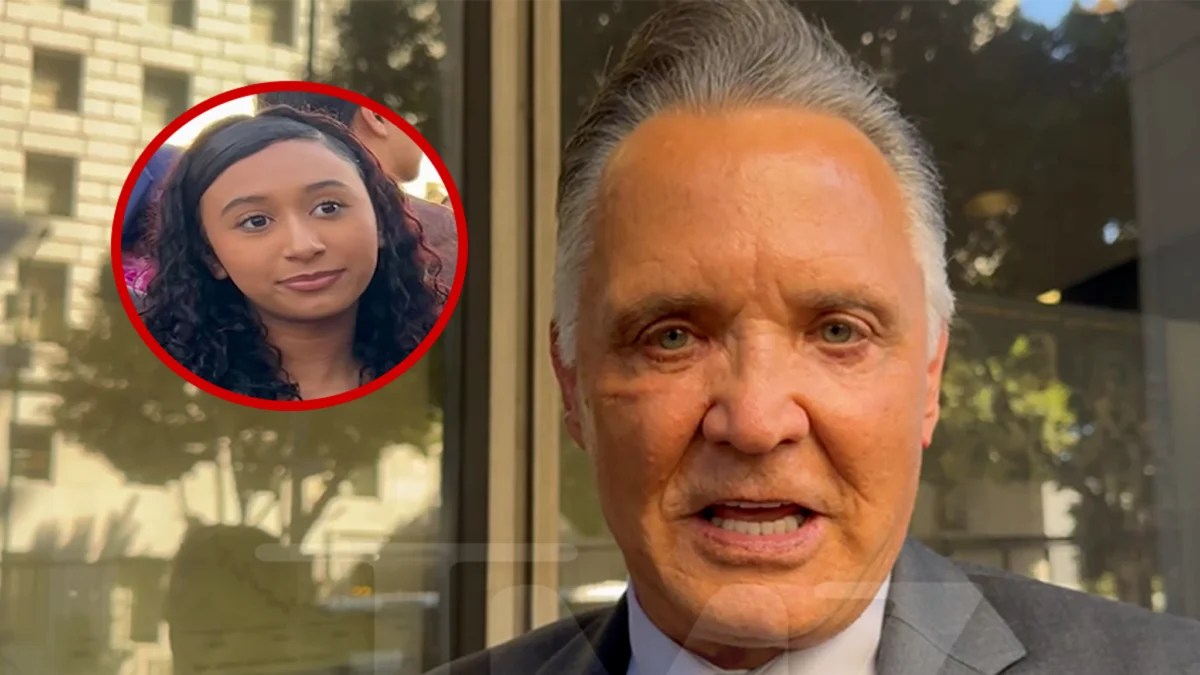
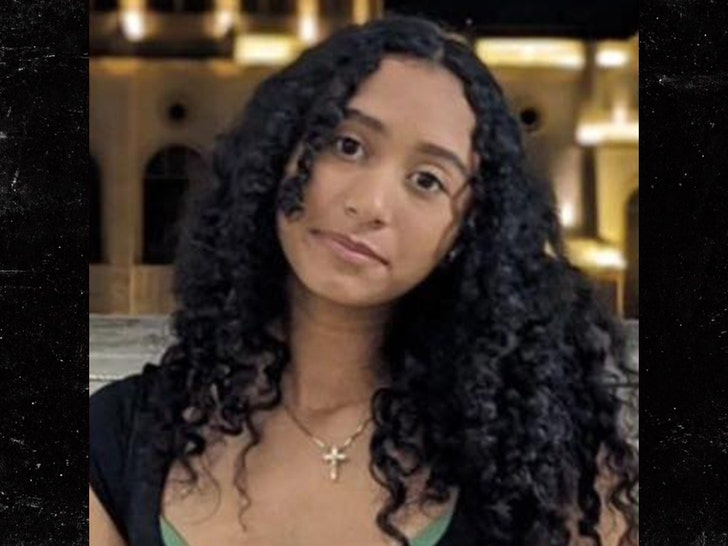
The family of Celeste Rivas remains in profound shock and grief, struggling to comprehend the harrowing allegations against musician D4vd, whose real name is David Burke, following a preliminary hearing that has laid bare the gruesome details of their daughter’s alleged murder. Attorney Patrick Steinfeld, representing the Rivas family, articulated their anguish outside court on Wednesday, emphasizing that Celeste’s loved ones are "disheartened and broken," desperately seeking answers to an act of violence they may never fully understand. The core of their torment, Steinfeld conveyed, centers on the unspeakable brutality of the alleged crime: the purported use of a chainsaw on Celeste’s body, an act of mutilation that has left her family reeling in disbelief and sorrow.
The Weight of Allegations: A Family’s Unfathomable Grief
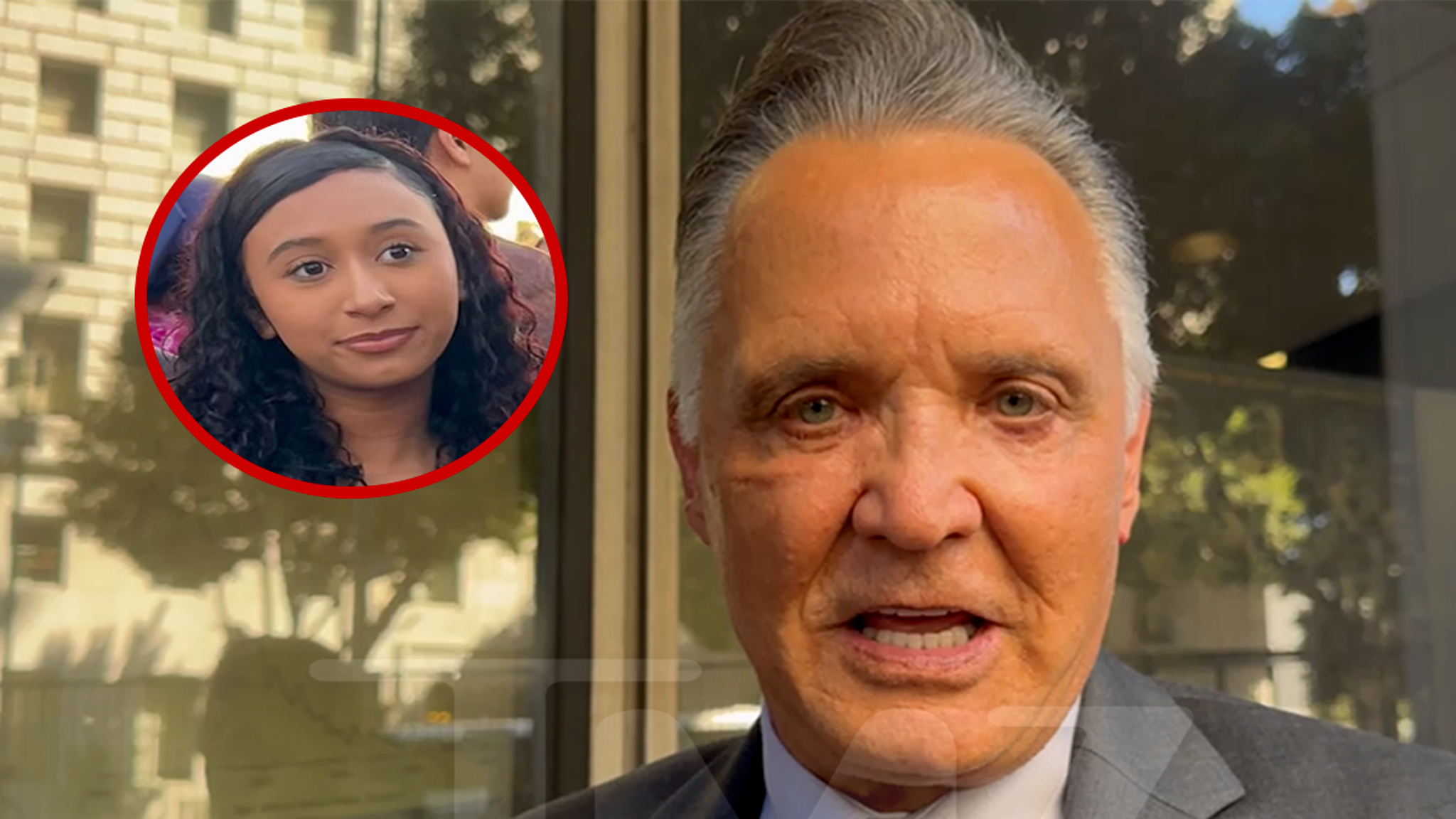
The preliminary hearing, a critical juncture in the legal process, has unfolded with emotionally charged testimony, painting a grim picture of the events leading to Celeste Rivas’ tragic death. The family’s representative, Patrick Steinfeld, speaking to reporters, reiterated the family’s central plea for understanding. "They simply can’t understand why D4vd would take a chainsaw to their beautiful girl," Steinfeld stated, his voice heavy with the gravity of the situation. This sentiment underscores the deep psychological trauma inflicted not only by the loss of Celeste but by the alleged manner of her death, which introduces an extreme level of horror and depravity that challenges human comprehension.
The proceedings have been a grueling ordeal for the Rivas family, particularly Celeste’s mother, who reportedly broke down in court on Tuesday after being confronted with graphic crime scene photographs. These visual depictions of the alleged crime scene served as a stark and painful reminder of the violence inflicted upon her daughter, pushing the boundaries of human endurance. While Wednesday’s testimony was described by Steinfeld as marginally less harrowing than the previous day, the cumulative emotional toll is immense. The family’s decision to leave court early on Wednesday was a strategic one, aimed at conserving their strength for the anticipated testimony of the medical examiner scheduled for Thursday. This upcoming testimony, expected to delve into the condition of Celeste’s body with even greater detail, is predicted to be the most challenging aspect of the hearing for the grieving family. Steinfeld underscored the difficulty of this choice, highlighting their need to prepare themselves mentally and emotionally for what promises to be an excruciating account.
Preliminary Hearing: A Critical Legal Juncture
The ongoing preliminary hearing serves as a vital step in the criminal justice system, designed to determine whether there is sufficient probable cause to believe that a crime has been committed and that the accused, D4vd, committed it. During this phase, prosecutors present their initial evidence, which typically includes witness testimonies, forensic findings, and expert analyses. The defense, while not required to present its full case, has the opportunity to cross-examine witnesses and challenge the prosecution’s evidence. If the judge finds probable cause, the case will proceed to a full trial.
In a high-profile case such as this, where the accused is a public figure and the alleged crime is particularly heinous, preliminary hearings often attract significant media attention. The purpose is not to determine guilt or innocence definitively, but rather to establish whether the available evidence warrants moving forward with a trial. The detailed and graphic nature of the testimony presented, particularly concerning the alleged mutilation of Celeste Rivas’ body, is crucial for the prosecution to establish the severity of the charges and the intent behind the alleged acts. Charges in such a case could range from first-degree murder, which typically involves premeditation or extreme cruelty, to additional counts related to the desecration or mutilation of human remains, each carrying significant legal ramifications.
Chronology of a Tragic Event and Legal Proceedings
While the full timeline leading up to Celeste Rivas’ death has not been completely disclosed in public records beyond the preliminary hearing dates, the current proceedings offer a snapshot of the legal battle unfolding:
- Prior to July 2026: The alleged incident involving Celeste Rivas and D4vd is believed to have occurred. Details regarding the exact date of the alleged crime, D4vd’s arrest, and the initial charges filed remain largely under wraps, but the severity of the current hearing suggests an extensive investigative period.
- July 21, 2026 (Tuesday): The preliminary hearing for D4vd commences. This day was marked by profoundly disturbing testimony, including the presentation of graphic crime scene photos. The emotional impact on Celeste Rivas’ family was evident, with her mother reportedly collapsing in tears. Family attorney Patrick Steinfeld provides initial statements to the press, highlighting the family’s pain and confusion.
- July 22, 2026 (Wednesday): Testimony continues. While described as marginally "better" than Tuesday, the emotional strain on the Rivas family persists. Attorney Steinfeld again addresses the media, emphasizing the family’s incomprehension regarding the alleged mutilation. The family makes the difficult decision to leave court early to conserve their emotional and mental strength.
- July 23, 2026 (Thursday): The preliminary hearing is slated to feature the critical testimony of the medical examiner. This testimony is anticipated to provide detailed forensic findings regarding Celeste Rivas’ cause of death and the alleged condition of her body, which is expected to be profoundly distressing for the family and all present in the courtroom.
This chronology underscores the methodical yet agonizing pace of the justice system, particularly for the victim’s family, who must relive the trauma through each stage of the legal process.
Supporting Data and Legal Context
The allegations of murder followed by the alleged mutilation of a body introduce several complex legal and forensic considerations. In cases involving alleged desecration of remains, prosecutors often aim to demonstrate not only the act of killing but also an intent to conceal the crime or to inflict further indignity upon the victim, which can influence sentencing and public perception.
- Forensic Evidence: The medical examiner’s testimony will be central to the prosecution’s case. Forensic pathologists specialize in determining the cause and manner of death and can reconstruct aspects of the alleged crime scene through examination of the body. Their findings, including details about injuries, post-mortem alterations, and the tools allegedly used, provide crucial physical evidence. In a case involving a chainsaw, forensic experts would meticulously analyze wound patterns, residue, and other indicators to support or refute the allegations.
- Legal Definitions: The alleged use of a chainsaw on Celeste Rivas’ body, if proven, would likely lead to charges beyond simple murder, such as "mutilation of human remains" or "abuse of a corpse." These charges reflect the severe societal and legal condemnation of acts that disrespect the deceased and cause additional suffering to their families. Such acts often carry significant penalties, separate from the murder charge itself, reflecting the extreme depravity implied.
- Victim Impact Statements: Throughout the trial process, the Rivas family will have opportunities to provide victim impact statements, articulating the profound and lasting effects of Celeste’s death on their lives. These statements, while not direct evidence of guilt, are crucial for informing sentencing decisions and ensuring the victim’s voice is heard within the legal framework.
- Public Profile of the Accused: D4vd’s status as a musician adds another layer of complexity to the case. High-profile cases often face intense public scrutiny, which can influence everything from jury selection to the media’s portrayal of events. The legal teams for both the prosecution and defense must navigate this public interest while adhering strictly to legal procedures and protecting the integrity of the trial.
Official Responses and Broader Implications
Beyond the Rivas family’s attorney, various parties are implicitly or explicitly involved in the official responses and broader implications of this case:
- Prosecution: The prosecution’s role is to represent the state and seek justice for Celeste Rivas. Their strategy during the preliminary hearing is to present enough evidence to convince the judge that probable cause exists, thus moving the case towards a trial. While specific statements from the prosecuting attorneys have not been widely reported in the immediate aftermath of these preliminary hearing days, their actions in court speak to their commitment to establishing the facts and holding the alleged perpetrator accountable.
- Defense: D4vd’s defense team, while not prominently featured in the initial reports focusing on the victim’s family, would be expected to rigorously challenge the prosecution’s evidence, question witness credibility, and explore alternative explanations or legal defenses. In a preliminary hearing, their primary goal is often to prevent the case from proceeding to trial or to secure a reduction in charges, if possible, by demonstrating a lack of probable cause.
- Law Enforcement: The police and investigative units involved would have conducted a thorough investigation, collecting forensic evidence, interviewing witnesses, and compiling the case file that forms the basis of the prosecution’s presentation. Their official statements typically focus on the integrity of the investigation and their commitment to bringing justice to victims.
- Music Industry and Public Reaction: The allegations against D4vd have sent shockwaves through the music industry and among his fanbase. Such incidents often lead to immediate repercussions for an artist’s career, including potential loss of contracts, streaming removals, and public condemnation. The broader public reaction typically ranges from profound sympathy for the victim’s family to outrage and calls for swift justice against the accused. This case, given its gruesome nature, is likely to evoke particularly strong emotional responses.
Broader Impact and Societal Implications
The tragic case of Celeste Rivas and the allegations against D4vd resonate beyond the courtroom, touching upon several broader societal issues:
- Victim Advocacy and Support: The profound grief and trauma experienced by the Rivas family highlight the critical need for robust victim advocacy and support services. Organizations dedicated to assisting victims of violent crime provide essential resources, including counseling, legal guidance, and emotional support, helping families navigate the daunting legal process and cope with their devastating loss.
- Public Safety and Trust: Incidents of extreme violence, particularly when involving public figures, can erode public trust and raise concerns about community safety. The legal system’s transparent and thorough handling of such cases is crucial for reaffirming the rule of law and demonstrating that justice will be pursued regardless of an individual’s status.
- Media Responsibility: The reporting of such sensitive cases demands a high degree of journalistic integrity and empathy. Balancing the public’s right to information with the need to protect the privacy and dignity of victims and their families, while avoiding sensationalism, is a constant challenge for news outlets. The focus on the family’s suffering, as highlighted by their attorney, underscores the human cost behind the headlines.
- Mental Health and Violence: While it is speculative to discuss specific motives without legal determination, cases involving extreme violence often prompt broader discussions about mental health, societal factors contributing to violence, and the mechanisms available for intervention and prevention. These conversations, however, must be conducted with care, avoiding generalized assumptions or stigmatization.
- Justice System Scrutiny: High-profile cases invariably place the justice system under intense scrutiny. The ability of the courts to deliver a fair trial, ensure due process for the accused, and ultimately provide a measure of justice for the victim and their family is continuously evaluated by the public and legal experts. The outcome of the D4vd preliminary hearing, and any subsequent trial, will be closely watched as a testament to the system’s efficacy.
As the preliminary hearing progresses, the Rivas family endures an unimaginable ordeal, their quest for answers intertwined with the methodical pace of the legal system. The testimony of the medical examiner is anticipated to be a pivotal and deeply painful moment, bringing the family closer to understanding the full horror of what allegedly transpired, even as they grapple with the unfathomable "why." The pursuit of justice for Celeste Rivas continues, a somber reminder of the devastating impact of violence and the enduring strength of a family seeking solace amidst profound sorrow.



 Yuyun Lusiyani
 Joko Widodo
 Eva Lovia
 Pevita Pearce

 Lina Irawan