
 admin
admin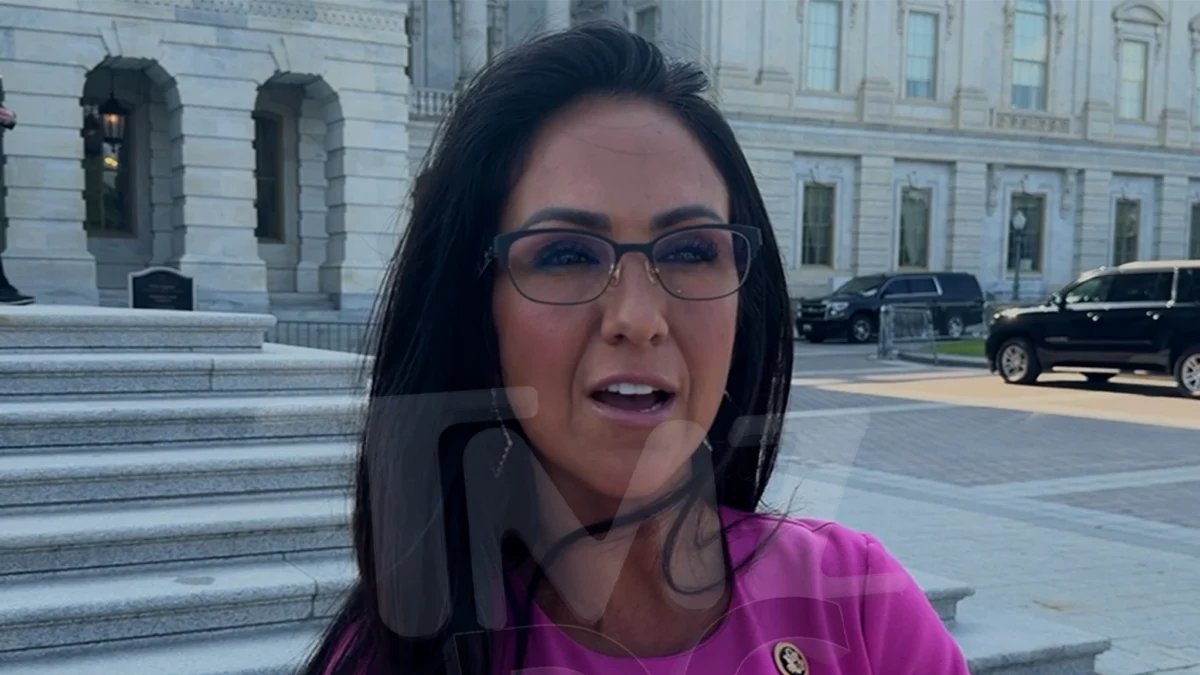
Representative Lauren Boebert (R-CO) has found herself at the center of a dual narrative this week, simultaneously battling the visible effects of a recent cosmetic procedure and launching a scathing critique against her own Republican leadership in Congress. The Colorado congresswoman alleges she was deliberately misled by GOP staffers, causing her to miss a crucial vote on the National Defense Authorization Act (NDAA), a cornerstone piece of legislation. Her highly public complaints, delivered while navigating a temporary facial asymmetry from Botox injections, underscore deeper fissures within the Republican caucus and highlight the intricate, often fraught, dynamics of legislative procedure.
The incident unfolded on Wednesday evening when Boebert, known for her staunch conservative stance and frequent challenges to party orthodoxy, missed a key vote on the NDAA, the annual bill that authorizes funding and sets policy for the U.S. military. According to her account, she was actively engaged in negotiations to strip a specific "tech swap" provision involving the United States and Israel from the bill. She claims that Republican staffers assured her the vote would remain open to accommodate her ongoing discussions. However, the vote closed, the bill passed, and Boebert’s intended opposition was rendered moot, leaving her feeling "screwed in a backroom deal."
The Contested NDAA Vote and Allegations of Deceit
The National Defense Authorization Act is one of the most significant pieces of legislation Congress passes each year. It is a bipartisan bill that dictates the budget and expenditures of the Department of Defense, outlines military policy, and addresses a vast array of national security issues, from troop pay raises and equipment procurement to international alliances and strategic defense initiatives. Missing a vote on such a fundamental bill is rarely taken lightly by members of Congress, as it represents a failure to exercise one’s legislative duty and influence critical policy.
Boebert’s specific objection centered on a "tech swap" provision. While the precise details of this provision remain somewhat opaque, such clauses typically involve the exchange or transfer of military technology, intelligence, or defense-related services between the United States and allied nations. In this instance, the provision concerned Israel, a key U.S. ally. Boebert’s opposition likely stemmed from concerns about the specifics of the technology being shared, potential intellectual property issues, the financial implications for U.S. taxpayers, or perhaps broader geopolitical implications that she deemed unfavorable. Historically, members of Congress, particularly those from more isolationist or fiscally conservative wings of both parties, have raised objections to various forms of international aid, technology transfer, or defense cooperation agreements, scrutinizing them for cost-effectiveness, strategic alignment, or potential risks. For Boebert, this particular provision was significant enough to warrant intense, last-minute negotiations.
The Mechanics of House Voting and the Alleged Breach of Trust
The legislative process in the U.S. House of Representatives is a complex dance, often involving frantic negotiations and strategic maneuvering, especially during critical votes. When a vote is called, members typically have a set period, often 15 minutes, to cast their ballots. However, House leadership, particularly the Speaker and Majority Leader, through their whip operations, have the discretion to "hold open" a vote for extended periods. This practice is commonly employed to allow members stuck in meetings or delayed travel to arrive, to facilitate last-minute vote-counting, or to enable leadership to twist arms and secure enough votes for a desired outcome.
Boebert’s assertion that Republican staffers promised to keep the vote open implies a breakdown in this customary process. Such promises are usually made with the understanding that they will be honored, as trust between members and leadership staff is crucial for the smooth functioning of Congress. If her claims are accurate, the sudden closure of the vote without her participation represents a significant breach of that trust. This could be interpreted in several ways: a genuine miscommunication, a strategic decision by leadership to cut off further debate and secure passage, or a deliberate move to sideline a dissenting voice within the party. For a member like Boebert, who often finds herself at odds with the party establishment, such an incident could reinforce a perception of being intentionally marginalized. Missing a vote, especially one on a high-profile bill like the NDAA, can have political ramifications, potentially being used by opponents in future elections to question a representative’s effectiveness or commitment to national security.
A Public Appearance Amidst Personal and Political Turmoil
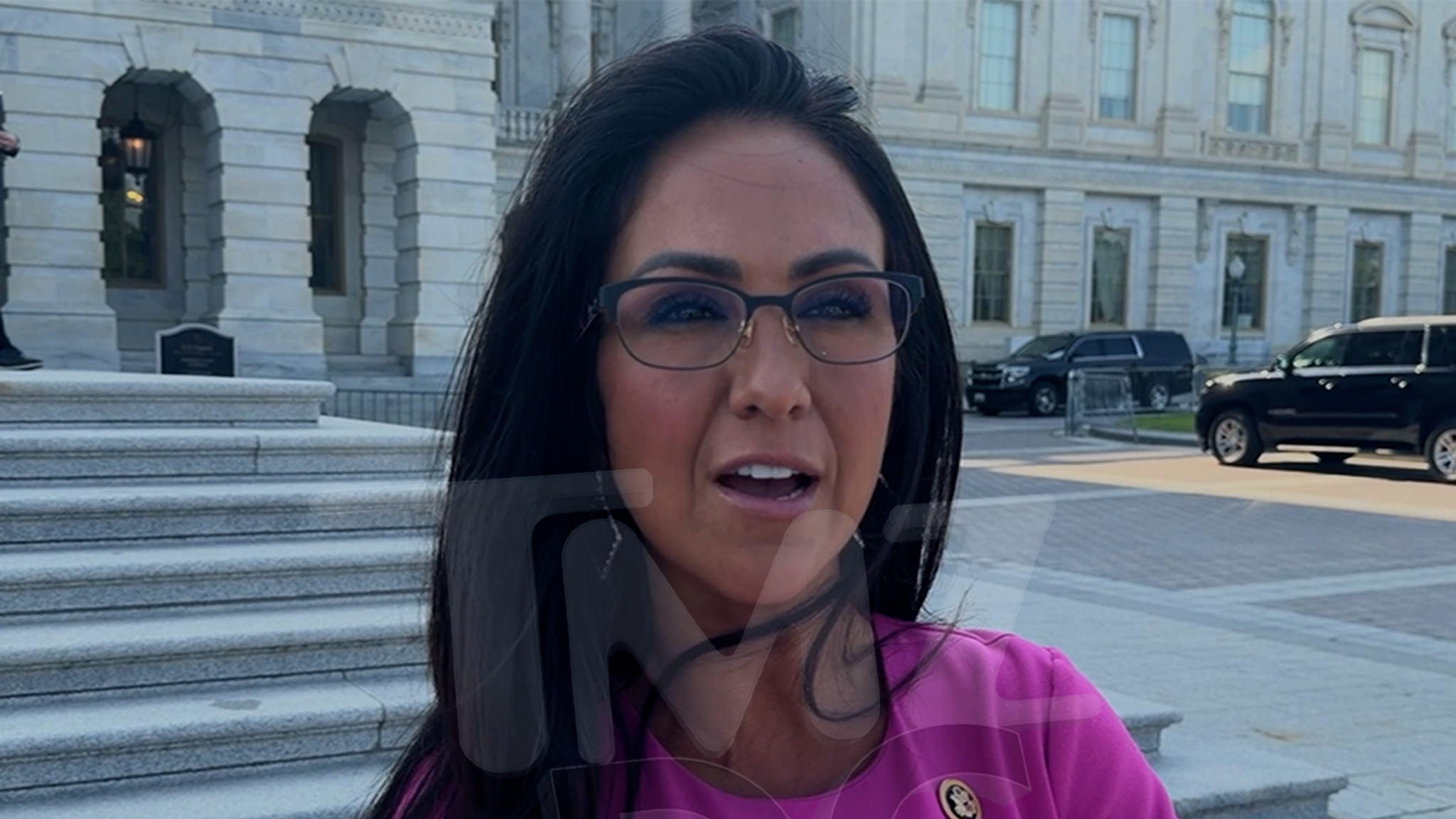
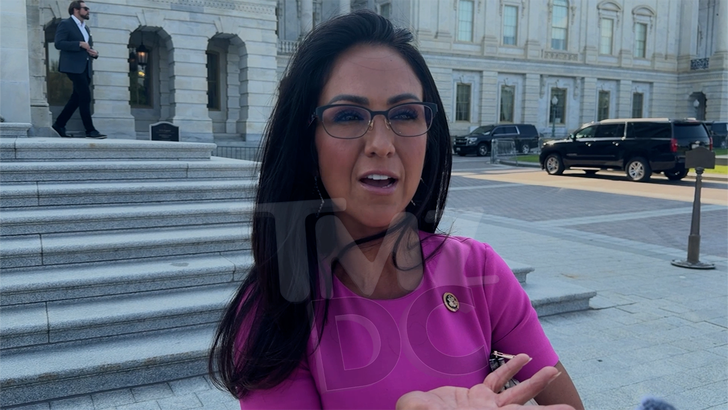
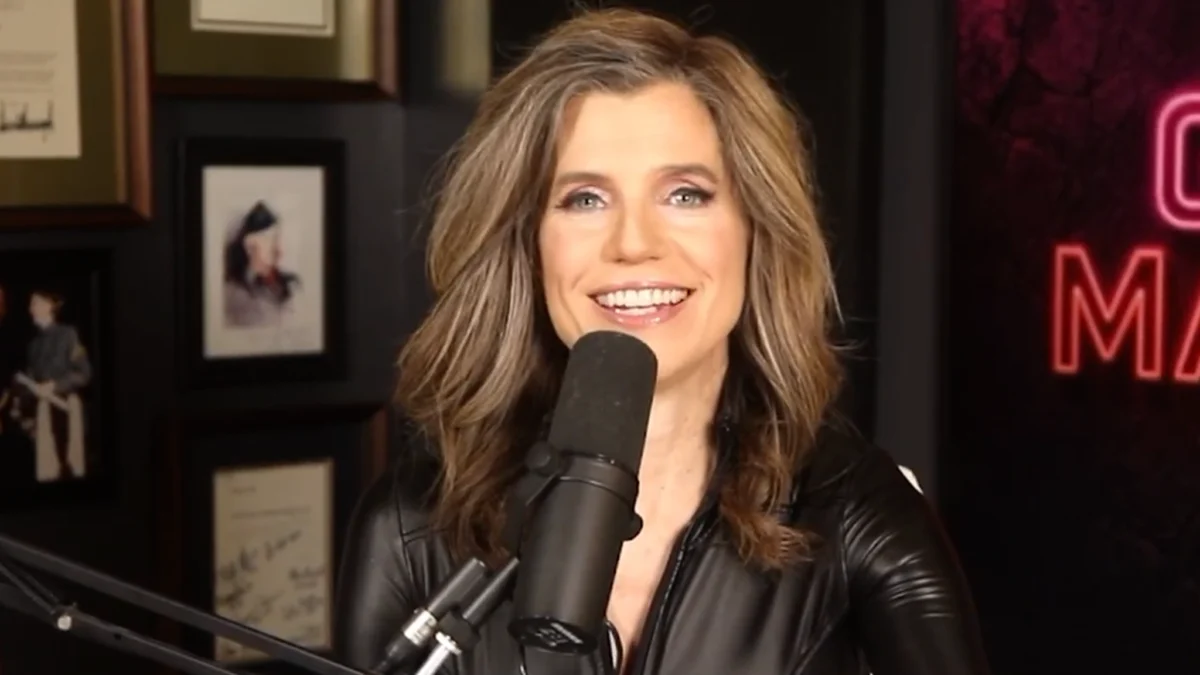
Adding an unusual layer to this political drama was Boebert’s physical appearance during her media scrum. She revealed that she had undergone a Botox procedure just days prior, resulting in one side of her face being "frozen" while the other retained normal mobility. This temporary asymmetry caused her to "talk out of the side of her mouth," a highly visible and somewhat disorienting effect for a public figure.
Botox, or botulinum toxin, is a neurotoxin commonly used in cosmetic procedures to temporarily paralyze facial muscles, reducing the appearance of wrinkles. While generally safe, side effects can include temporary facial drooping, asymmetry, or difficulty with certain expressions or speech, particularly if the injection spreads to unintended muscles. Boebert’s candid acknowledgment of the procedure and its effects was notable. In an era where public figures often strive for an unblemished image, her decision to face reporters head-on, rather than attempting to avoid scrutiny, was a striking moment of transparency, albeit one born of necessity given her urgent message. She explicitly stated that she could have "snuck into the back entrance of the Capitol to dodge reporters" given her condition but chose not to, indicating a deliberate decision to confront the situation and deliver her message directly. This move could be interpreted as an attempt to control the narrative, demonstrating resilience and a commitment to accountability, even under physically awkward circumstances. It also served to humanize her, momentarily shifting focus from the political machinations to a relatable, albeit unusual, personal predicament.
Boebert’s Broader Critique of Republican Leadership
Beyond the immediate incident, Boebert seized the opportunity to launch a broader attack on the direction and management of the Republican Party, declaring that their "poor leadership" doesn’t bode well for the party’s future. She called for a "come to Jesus" moment with its members, a colloquialism implying a need for serious introspection, honest confrontation, and a return to fundamental principles or shared goals.
This critique is not new for Representative Boebert. As a prominent member of the House Freedom Caucus, a bloc of conservative and libertarian Republican members of the U.S. House of Representatives, she has consistently been a vocal critic of the party’s establishment. The Freedom Caucus is known for its hardline conservative stances, its willingness to challenge party leadership, and its frequent demands for fiscal austerity and adherence to conservative principles. Members like Boebert often push for more aggressive tactics in legislative battles, sometimes even at the risk of government shutdowns or internal party strife.
Her past actions include:
- Challenging Speakership: Boebert was among a small group of Republicans who initially withheld their support for Kevin McCarthy’s bid for Speaker in January 2023, eventually extracting concessions from him before his election.
- Budget Battles: She has often voted against appropriations bills and debt ceiling increases, arguing for deeper spending cuts than those proposed by mainstream Republican leadership.
- Motions to Vacate: While she did not personally file a motion to vacate, her cohort in the Freedom Caucus has been instrumental in utilizing this procedural tool to express extreme dissatisfaction with the Speaker, notably leading to the ousting of Speaker McCarthy.
These actions underscore a persistent ideological and tactical rift within the Republican Party, particularly between its more pragmatic, governing wing and its hardline, anti-establishment faction. Boebert’s latest condemnation reflects an ongoing frustration with what she perceives as a lack of resolve, strategic missteps, or an abandonment of core conservative values by the party’s leadership. Her call for a "come to Jesus" moment suggests a desire for a fundamental realignment within the GOP, urging leaders to address internal divisions and re-evaluate their legislative strategies and priorities.
Reactions and Official Silence
As of this report, official statements from Republican leadership directly addressing Boebert’s specific claims of betrayal or her broader critique have been notably absent. This silence is often strategic in congressional politics, as direct engagement can either validate a dissenting member’s claims or escalate an internal conflict. Leadership might prefer to address such issues through private channels, or to allow the immediate news cycle to pass, hoping the controversy will dissipate.
However, the allegations are unlikely to go unnoticed within the party. Behind closed doors, such accusations can fuel ongoing tensions. Other members of the Freedom Caucus might privately or publicly voice support for Boebert’s stance, seeing her experience as symptomatic of broader issues within the party’s management. Conversely, more establishment-aligned Republicans might view her public outburst as unhelpful, distracting from party unity and legislative goals, especially in a closely divided Congress where every vote and every perception of cohesion is critical.
The incident also highlights the challenge of maintaining party discipline and unity, particularly for a Republican Party that has struggled with internal divisions in recent years. With a slim majority in the House, the ability of leadership to manage disparate factions and secure votes is paramount. An allegation of a broken promise regarding a vote can undermine trust and make future legislative negotiations even more difficult.
Implications for Congressional Function and Boebert’s Political Future
The confluence of events — a missed crucial vote, allegations of internal party deceit, and a candid revelation about a cosmetic procedure — has several implications.
For the functioning of Congress, this incident underscores the fragility of trust within political parties, particularly when dealing with outspoken members. If Boebert’s claims are perceived as credible by other members, it could lead to increased skepticism towards leadership’s assurances, potentially making future whip operations and vote-counting more arduous. It also shines a light on the discretionary power of leadership to manage legislative calendars and voting procedures, and the potential for that power to be used to marginalize dissent.
For Lauren Boebert personally, this episode could be a double-edged sword. On one hand, her willingness to publicly confront what she perceives as betrayal, even while dealing with a physically awkward situation, might bolster her image among her base as an authentic, no-nonsense representative who is unafraid to speak truth to power. It reinforces her "anti-establishment" brand, which has been a cornerstone of her political identity. This could resonate with voters who share her frustration with perceived political elites and backroom deals. On the other hand, missing a vote on the NDAA, regardless of the circumstances, could be framed by political opponents as a dereliction of duty or an inability to effectively navigate the legislative process. Critics might argue that her personal issues or ideological rigidity prevent her from being an effective legislator, particularly given her previous electoral challenges and her recent decision to switch districts for the upcoming election cycle.
Boebert’s call for a "come to Jesus" moment reflects a deeper ideological struggle within the GOP as it navigates its post-Trump identity and attempts to unite disparate factions ahead of future elections. Her public airing of grievances serves as a stark reminder that even with a nominal majority, achieving legislative consensus and projecting a united front remains a significant challenge for Republican leadership. The interplay of personal candor and political defiance in this incident will likely be dissected for its immediate political impact and its broader implications for intra-party dynamics moving forward.
Conclusion: A Dual Narrative of Discontent
In essence, Representative Lauren Boebert’s recent public statements weave together a unique tapestry of personal vulnerability and political defiance. Her "frozen face" became an unexpected emblem of her "frozen out" feeling by her own party. The incident, ostensibly about a missed vote and a disputed "tech swap" provision, has morphed into a larger indictment of Republican leadership, exposing ongoing tensions and a deep-seated frustration within the party’s conservative wing. As Congress grapples with critical legislative priorities, the challenges of internal unity, communication, and trust, as highlighted by Boebert’s experience, will continue to shape the political landscape. Her dual narrative of cosmetic mishap and political betrayal offers a rare, unfiltered glimpse into the often-unseen struggles that underpin the daily machinations of power on Capitol Hill.


 Yuyun Lusiyani
 Joko Widodo
 Eva Lovia
 Pevita Pearce

 Lina Irawan