
 Eva Lovia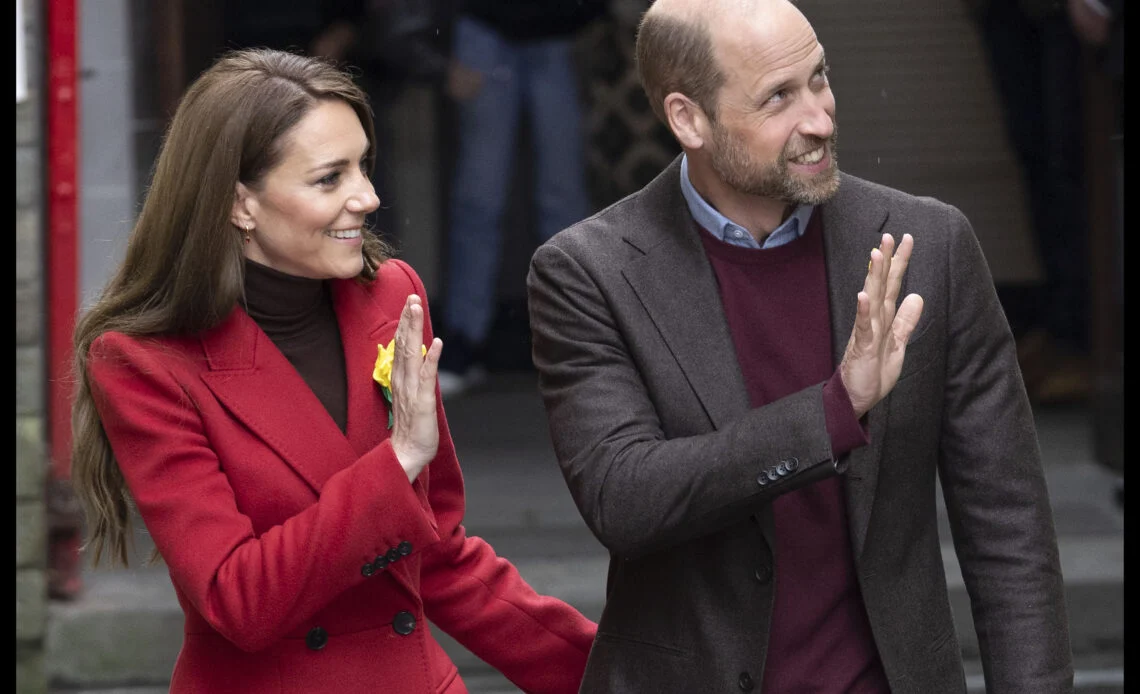
The recent appearance of His Royal Highness, the Prince of Wales, on a prominent podcast has inadvertently shone a spotlight on one of the lesser-known yet historically significant titles held by the heir to the British throne: the Earl of Chester. This distinction, often overshadowed by the more widely recognized title of Prince of Wales, carries a lineage stretching back centuries and underscores the intricate tapestry of royal honours bestowed upon the future monarch. The read-out of his numerous titles by Travis Kelce, the notable American athlete and media personality, served as an unexpected reminder of the depth and breadth of William’s royal portfolio.
A Title Steeped in History
The dual bestowal of the title Prince of Wales and Earl of Chester upon the heir apparent to the English throne is a tradition that dates back to the early 14th century. While the titles are distinct, they have been intrinsically linked since 1301, when the future King Edward II was first granted the Earldom of Chester concurrently with his investiture as Prince of Wales. This practice has continued uninterrupted, with each subsequent heir apparent receiving both honours.
The Earldom of Chester itself has a more complex and earlier origin. It was initially created in 1067 for Gerbod the Fleming, shortly after the Norman Conquest. Following his tenure, the earldom was recreated multiple times, notably for Hugh d’Avranches in 1071 and then again in 1254 and 1264. However, it was the recreation in 1301 for Edward of Caernarvon, son of Edward I, that cemented its connection to the Prince of Wales. This historical precedent established a powerful symbolic link between the principality of Wales and the earldom, signifying a deep historical and administrative relationship. The creation of the title for Edward of Caernarvon was a strategic move by his father, King Edward I, to solidify royal authority in Wales following its conquest and integration into the English realm.
The continuity of this tradition was reaffirmed in 2022 when His Majesty King Charles III, following the passing of his mother, Queen Elizabeth II, announced that his elder son, William, would become the Prince of Wales. Alongside this paramount title, the King also conferred upon William the ancient title of Earl of Chester, a decision formally announced on September 9, 2022. This dual investiture underscores the enduring significance of these historical honours within the modern British monarchy.
The Royal Lineage of the Earldom
The historical progression of the Earldom of Chester highlights its consistent association with the heir to the throne. After Edward of Caernarvon (later Edward II), the title was bestowed upon Edward Plantagenet, the future King Edward III, in 1312. From that point onwards, it has been an almost automatic concomitant of the Prince of Wales title. This unbroken chain of succession, albeit through different individuals, illustrates the deep-rooted nature of this honour and its importance in defining the status of the heir.
The Consort’s Countess of Chester
With Prince William’s investiture as Earl of Chester, his wife, Catherine, the Princess of Wales, automatically assumes the title of Countess of Chester. This mirrors the historical precedent set by previous consorts. It is widely reported that Diana, Princess of Wales, held a particular fondness for the title Countess of Chester during her marriage to King Charles III. This personal connection to the title highlights its potential for individual resonance beyond its formal designation.
Succession and the Future of the Title
Unlike some hereditary titles that pass directly down through generations, the Earldom of Chester does not automatically transfer from father to son. Upon the death of the current Earl of Chester, the title reverts to the Crown. It then becomes incumbent upon the reigning monarch to decide whether to bestow the title upon their own heir apparent. This means that while Prince George, as the elder son of Prince William and heir to the throne, is a future Prince of Wales, he will not automatically inherit the Earldom of Chester. The decision to recreate the title for him will rest with his father, King William V, or a future monarch. This system ensures that the bestowal of such significant historical titles remains a deliberate act of royal prerogative, reflecting the monarch’s authority and the evolving nature of royal tradition.
A Multifaceted Royal Portfolio
The Earldom of Chester is but one strand in the complex web of titles held by Prince William. As the heir to the throne, his accession to this position on September 8, 2022, triggered the automatic conferral of the Dukedom of Cornwall. This ancient dukedom, established in 1337, has been the hereditary title of the heir to the English throne for centuries, symbolising his elevated status and responsibilities. The significance of this title was immediately apparent when, on the evening of September 8, 2022, William and Kate updated their social media profiles to reflect their new dual titles: Duke and Duchess of Cornwall and Cambridge.
Further compounding his extensive royal portfolio, Prince William also holds the title of Duke of Rothesay. This is the traditional title of the heir to the Scottish throne, a historical distinction that acknowledges the unique constitutional arrangements and historical ties between England and Scotland. Thus, upon becoming first in line to the throne, William also assumed this important Scottish honour.
The titles of Duke and Duchess of Cambridge remain significant, a reminder of their 11-year tenure of these honours following their marriage in April 2011. Queen Elizabeth II bestowed these titles upon William on his wedding day, April 29, 2011. This period as Duke and Duchess of Cambridge provided a significant chapter in their public lives before their elevation to Prince and Princess of Wales. Alongside the Dukedom of Cambridge, William also became Earl of Strathearn and Baron Carrickfergus, with Catherine assuming the corresponding titles of Countess of Strathearn and Baroness Carrickfergus.
Beyond these prominent dukedoms and earldoms, Prince William’s full complement of titles is extensive and reflects the historical breadth of the British Crown. These include Prince of Wales, Earl of Carrick, Baron of Renfrew, Lord of the Isles, and Prince and Great Steward of Scotland. Furthermore, his membership in prestigious chivalric orders, such as the Order of the Garter, the Order of the Thistle, and the Order of the Bath, further underscores his significant position within the British establishment and his ceremonial duties.
While he is now widely recognised as the Prince of Wales, it is noteworthy that in Scotland, his primary title as heir to the throne is acknowledged as Duke of Rothesay. This geographical distinction in titles serves as a subtle yet important reminder of the historical and constitutional complexities of the United Kingdom and the unique roles and honours associated with the heir apparent in different parts of the realm. The recognition and understanding of this comprehensive array of titles provide a deeper insight into the historical weight and ceremonial significance that accompany the position of the Prince of Wales.


 Yuyun Lusiyani
 Joko Widodo
 Pevita Pearce
 admin
admin
 Lina Irawan