
 Eva Lovia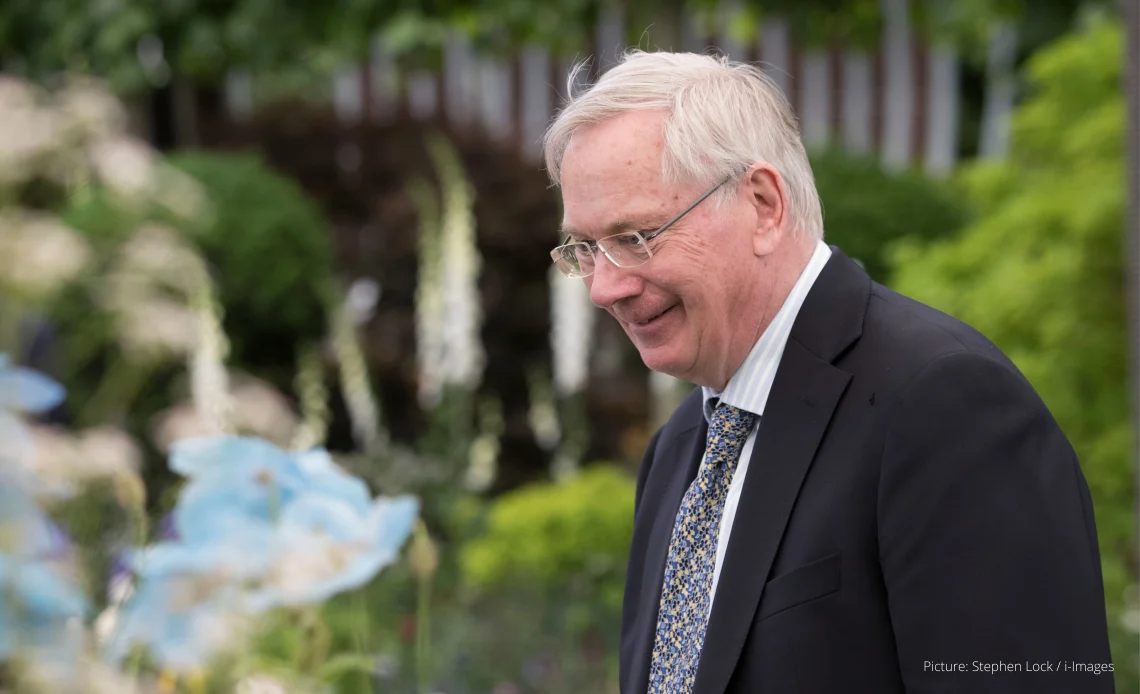
His Royal Highness The Duke of Gloucester recently undertook a significant visit to the National Railway Museum (NRM) in York, embarking on an exclusive preview of the institution’s ambitious, multi-million-pound transformation project. This engagement, part of a broader itinerary of royal visits across the historic city, underscores the enduring importance of railway heritage and the forward-looking vision of the NRM. The Duke’s tour provided a firsthand look at the institution’s plans for a striking new entrance building and a permanent gallery dedicated to exploring the future of rail travel, signalling a new era for one of the United Kingdom’s most cherished cultural landmarks.
A Royal Immersion in Railway History and Future Vision
The Duke of Gloucester, a long-standing patron of heritage and engineering, spent considerable time exploring the NRM’s world-renowned collection. His Royal Highness was particularly captivated by iconic exhibits that represent pivotal moments in railway history. Among these were Stephenson’s Rocket, a revolutionary locomotive that fundamentally altered the landscape of transport in the 19th century, and the Mallard, the streamliner that holds the world speed record for steam locomotives, a testament to British engineering prowess. The Duke also inspected the Duke of Gloucester Cab, a meticulously crafted full-size replica locomotive cab. This exhibit serves a crucial practical purpose, allowing railway crews to assess and refine the design of modern locomotives, blending historical understanding with contemporary application.
The presence of the Duke of Gloucester Cab elicited a personal and poignant moment during the visit. His Royal Highness shared a firsthand account of his own experiences driving the actual Duke of Gloucester steam locomotive during the 1980s. This anecdote not only highlighted a direct connection between the Duke and the heritage he was observing but also provided a unique human dimension to the technological marvels on display. It served as a potent reminder that these machines are not merely historical artifacts but have been part of living, breathing engineering endeavours, shaped by the individuals who operated them.
Andrew McLean, Assistant Director and Head Curator at the National Railway Museum, expressed his delight at the Duke’s visit, stating, "We were delighted to welcome His Royal Highness to the National Railway Museum and showcase both our historic collection and our exciting plans for the future. The Duke of Gloucester’s longstanding interest in railway history and engineering made this a particularly meaningful visit. When viewing the Duke of Gloucester Cab, His Royal Highness shared his own memories of driving the real Duke of Gloucester locomotive back in the 1980s." This sentiment from the museum leadership underscores the significance of the Duke’s patronage and his personal connection to the subject matter.
Connections to Royal Lineage and Architectural Ambitions
The Duke’s engagement extended beyond the locomotive itself, encompassing elements with direct ties to the Royal Family. He showed a keen interest in the Queen Mary locomotive nameplate, a poignant tribute to his late grandmother, Queen Mary. Furthermore, His Royal Highness engaged enthusiastically with the famous Duchess Class locomotives, specifically while viewing the Duchess of Hamilton. This class of locomotives, known for their elegant design and powerful performance, represents a significant era in British railway development and holds a special place in the nation’s industrial heritage.
A central focus of the visit was the Our Transformation exhibition, which vividly outlines the NRM’s forward-thinking masterplan. The Duke was particularly briefed on the development of Central Hall, envisioned as a landmark new entrance building designed by the esteemed, award-winning architectural firm Feilden Fowles. The design draws inspiration from the functional elegance of a working railway roundhouse, a structure historically vital for the maintenance and operation of steam locomotives. This architectural choice signifies a commitment to honouring the past while embracing contemporary design principles.
Crucially, Central Hall is designed to provide step-free access across the entire museum site for the first time. This commitment to accessibility is a significant undertaking, aiming to ensure that the NRM is more inclusive and welcoming to all visitors, regardless of mobility. The new building will also house a state-of-the-art permanent gallery, a contemporary café, a well-appointed shop, and enhanced visitor facilities, collectively aiming to elevate the overall visitor experience.
Envisioning the Future of Rail Travel
Beyond the physical infrastructure, the Duke of Gloucester was also informed about the planned Futures Gallery. This permanent exhibition is conceived as a dynamic space dedicated to showcasing the cutting edge of innovation in rail travel. Its core mission is to inspire visitors, encouraging them to contemplate and imagine the future possibilities of the railway network, from sustainable technologies to advanced operational systems. This focus on the future positions the NRM not just as a repository of the past but as a catalyst for dialogue and innovation concerning the next generation of rail transport.
Lisa Moore, Masterplan Project Director, highlighted the dual objectives of the transformation project. "Alongside celebrating the remarkable story of the railways, our transformation will help create a more accessible, welcoming and inspiring museum for millions of visitors in the years ahead, and it was a privilege to share our ambitions with His Royal Highness," she stated. Moore further elaborated on the Duke’s specific interests, noting, "With his background in architecture, the design for Central Hall, based on a working railway roundhouse, coupled with an ambition to welcome even more visitors in the future, were of particular interest to the Duke." This comment is particularly noteworthy, as the Duke of Gloucester is himself a qualified architect, bringing a unique perspective and informed appreciation to the design and spatial considerations of the proposed developments.
Context and Chronology of the Transformation Project
The National Railway Museum’s ambitious transformation project represents a significant investment in the future of heritage interpretation and public engagement. The project, valued in the tens of millions of pounds, has been in planning for several years, with significant milestones achieved in securing funding and developing architectural designs. The initial conceptualization began in the early 2010s, with a series of public consultations and feasibility studies.
Key chronological markers include:
- Early 2010s: Initial visioning and feasibility studies for a major site-wide transformation.
- Mid-2010s: Development of masterplan concepts and engagement with architectural firms.
- Late 2010s: Securing initial funding pledges and planning permissions for key elements. The appointment of Feilden Fowles as architects for Central Hall was a significant step in this period.
- 2020: Public unveiling of the detailed transformation plans, including the Central Hall and Futures Gallery. The Duke of Gloucester’s visit in May 2020 served as an important early endorsement and preview of these plans.
- Ongoing: Construction and development phases, with phased openings of new facilities anticipated over the next five to ten years. The timeline for the full realization of the masterplan is projected to extend into the early 2030s.
The funding for this transformative initiative is derived from a combination of sources, including grants from national heritage bodies, private philanthropic donations, and support from the museum’s dedicated membership and public appeals. The sheer scale of the investment reflects a strategic decision to reposition the National Railway Museum as a leading global institution for railway heritage, education, and innovation.
Supporting Data and Broader Implications
The National Railway Museum, established in 1975, is part of the Science Museum Group and is home to over 300,000 objects, including a significant portion of the national collection of railway vehicles. Annually, the museum attracts over 700,000 visitors, making it a significant contributor to the tourism economy of York and the wider Yorkshire region.
The multi-million-pound transformation is expected to:
- Increase Visitor Numbers: Enhanced facilities and a more engaging visitor experience are projected to increase annual visitor numbers by an estimated 20-30%, further boosting local economies.
- Create Jobs: The construction phase will generate numerous temporary jobs, while the expanded museum operations will lead to the creation of permanent roles in curatorial, visitor services, education, and conservation.
- Enhance Educational Outreach: The new galleries, particularly the Futures Gallery, are designed to foster STEM education and inspire the next generation of engineers and innovators.
- Promote Accessibility: The implementation of universal design principles, starting with Central Hall, will make the museum a benchmark for accessibility in the heritage sector.
- Preserve and Showcase Heritage: The transformation ensures that the NRM can continue to preserve and interpret its vast collection for future generations, adapting its presentation methods to contemporary expectations and technological advancements.
The implications of this transformation extend beyond the museum itself. It signifies a renewed commitment to the preservation and celebration of the United Kingdom’s industrial heritage, recognizing the profound impact of railways on national development, social change, and technological advancement. By investing in such a significant project, the NRM is not only safeguarding its invaluable collection but also positioning itself as a vital hub for understanding the past, engaging with the present, and shaping the future of transport. The Duke of Gloucester’s visit serves as a powerful endorsement of this vision, highlighting the continued relevance and importance of the railway in the national consciousness.



 Yuyun Lusiyani
 Joko Widodo
 Pevita Pearce
 admin
admin
 Lina Irawan