
 Lina Irawan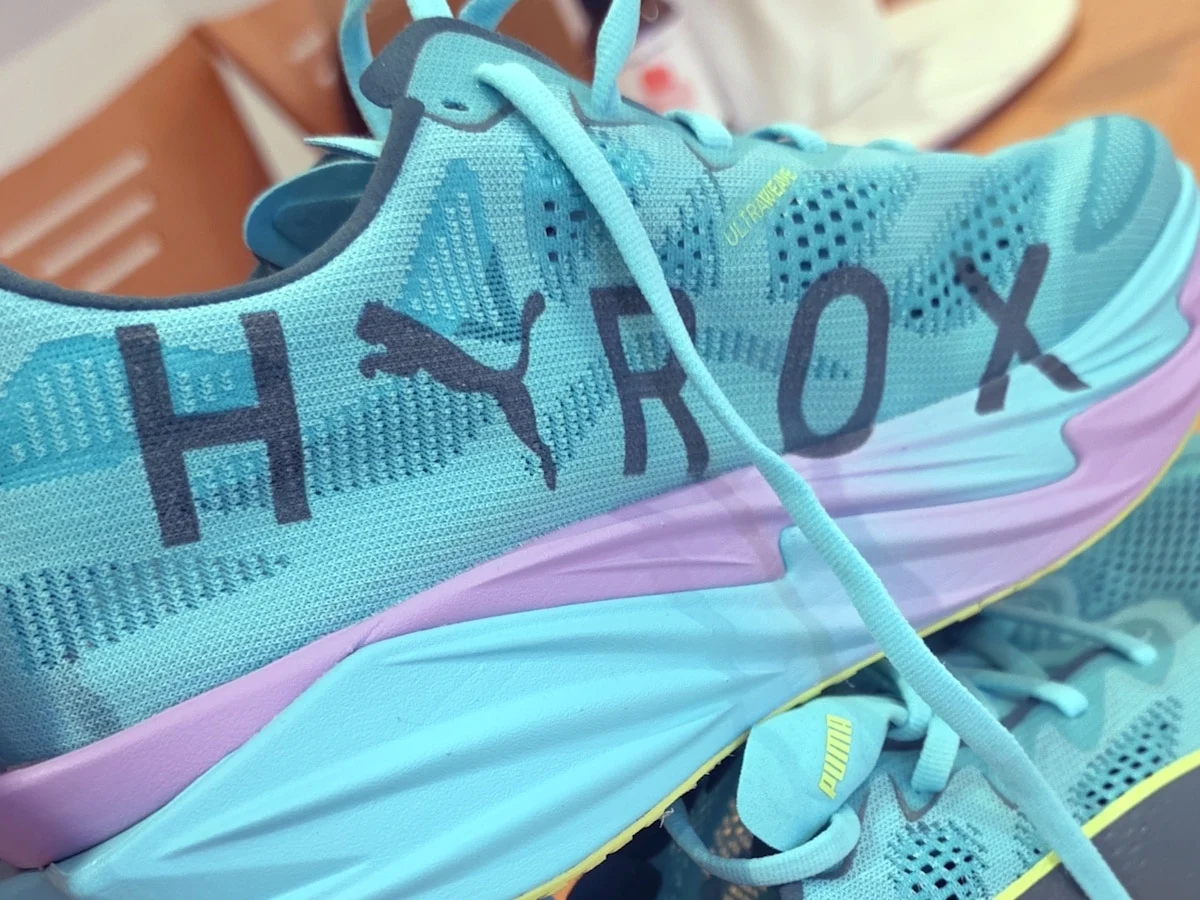
The intersection of endurance running and high-intensity functional training has created a new demand for specialized athletic equipment, leading to the development of the PUMA Deviate NITRO Elite 3 x HYROX. As the official footwear partner of the global HYROX fitness racing series, PUMA has engineered a shoe designed to address the specific mechanical requirements of an event that combines 8 kilometers of running with eight grueling functional stations. The Deviate NITRO Elite 3 x HYROX represents a significant pivot in the "super shoe" category, moving away from the singular focus of marathon racing toward a more versatile, hybrid performance model. Priced at AU$320, the shoe enters a competitive market where it must balance the propulsive benefits of carbon-fiber plates with the lateral stability required for heavy lifting and high-impact gym maneuvers.
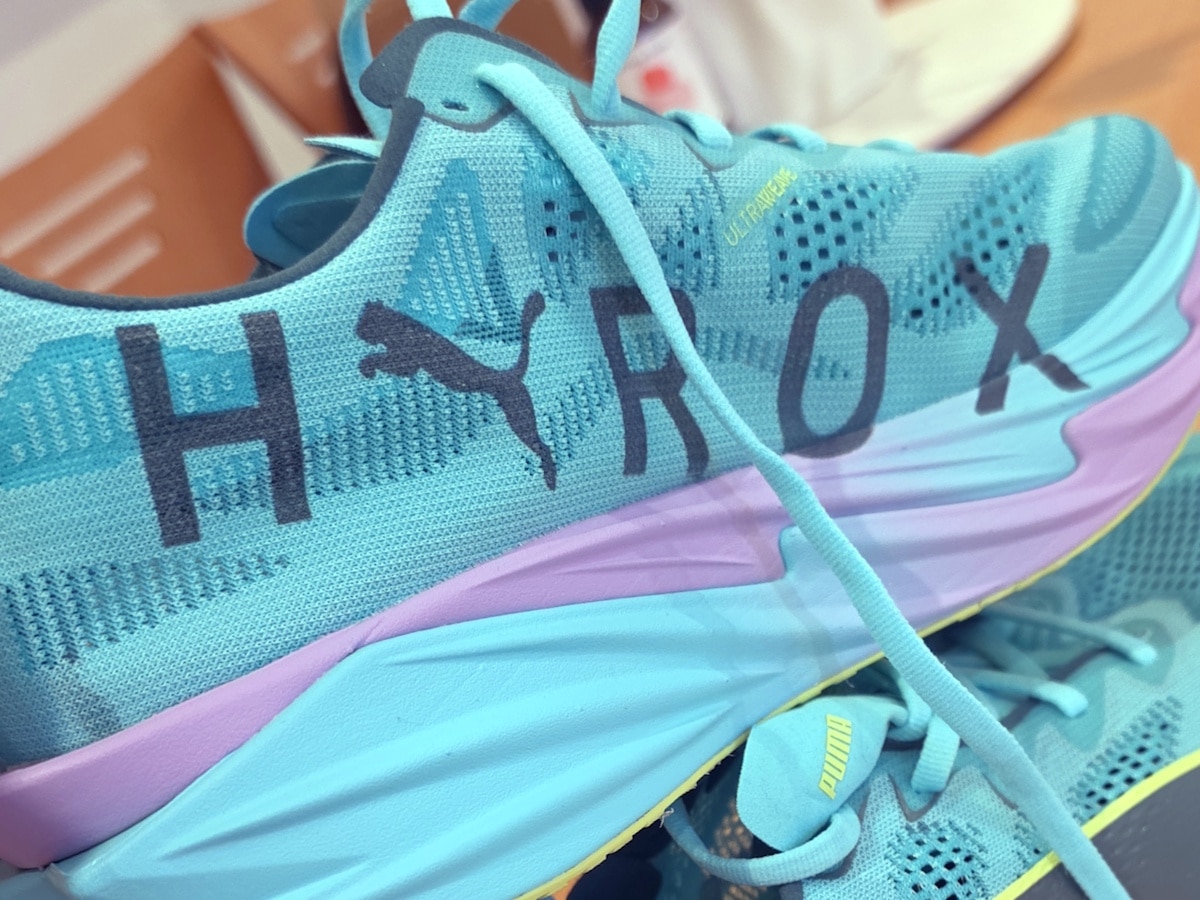
The HYROX Format and Technical Footwear Requirements
To understand the engineering behind the PUMA Deviate NITRO Elite 3, one must first analyze the unique stresses of the HYROX format. A standard HYROX race consists of eight 1km running intervals, each followed by a functional fitness station. These stations include a 152kg sled push, a 103kg sled pull, 80 meters of burpee broad jumps, 1,000 meters of rowing, a 200-meter farmers carry with 24kg kettlebells, 100 meters of sandbag lunges, 1,000 meters on the SkiErg, and 75 to 100 wall ball shots.
For the average competitor, the race duration spans 70 to 100 minutes. Standard marathon shoes, such as the Nike Vaporfly, are optimized for forward linear motion on paved surfaces. However, their high stack heights and narrow bases often lead to instability during lateral movements or heavy carries. Conversely, traditional cross-training shoes like the Nike Metcon offer the necessary stability for lifting but lack the energy return and cushioning required for 8km of competitive running. The PUMA Deviate NITRO Elite 3 attempts to bridge this gap, utilizing a nitrogen-infused foam midsole and a full-length carbon plate while maintaining a proprietary rubber outsole designed for maximum traction on gym surfaces.

Chronology of Testing: From Training Block to HYROX Sydney 2026
The performance assessment of the PUMA Deviate NITRO Elite 3 x HYROX was conducted over a six-week intensive training period followed by a live race performance at the HYROX Sydney event on July 5, 2026. The training protocol involved three to five sessions per week, integrating "Zone 2" base runs along the coastal terrain of Coogee, Australia, with high-intensity interval training (HIIT) at F45 Darlinghurst.
During the initial training phases, the shoe’s primary technical advantage—the PWRPLATE carbon fiber insert—was evaluated for its responsiveness. In 1km repeat trials, the carbon plate geometry, featuring an aggressive forefoot rocker, resulted in pace improvements of 5 to 8 seconds per kilometer compared to non-plated training footwear. The weight of the shoe, recorded at 209 grams for a men’s US 10.5, provided a significant advantage in reducing leg fatigue during the high-volume training weeks.
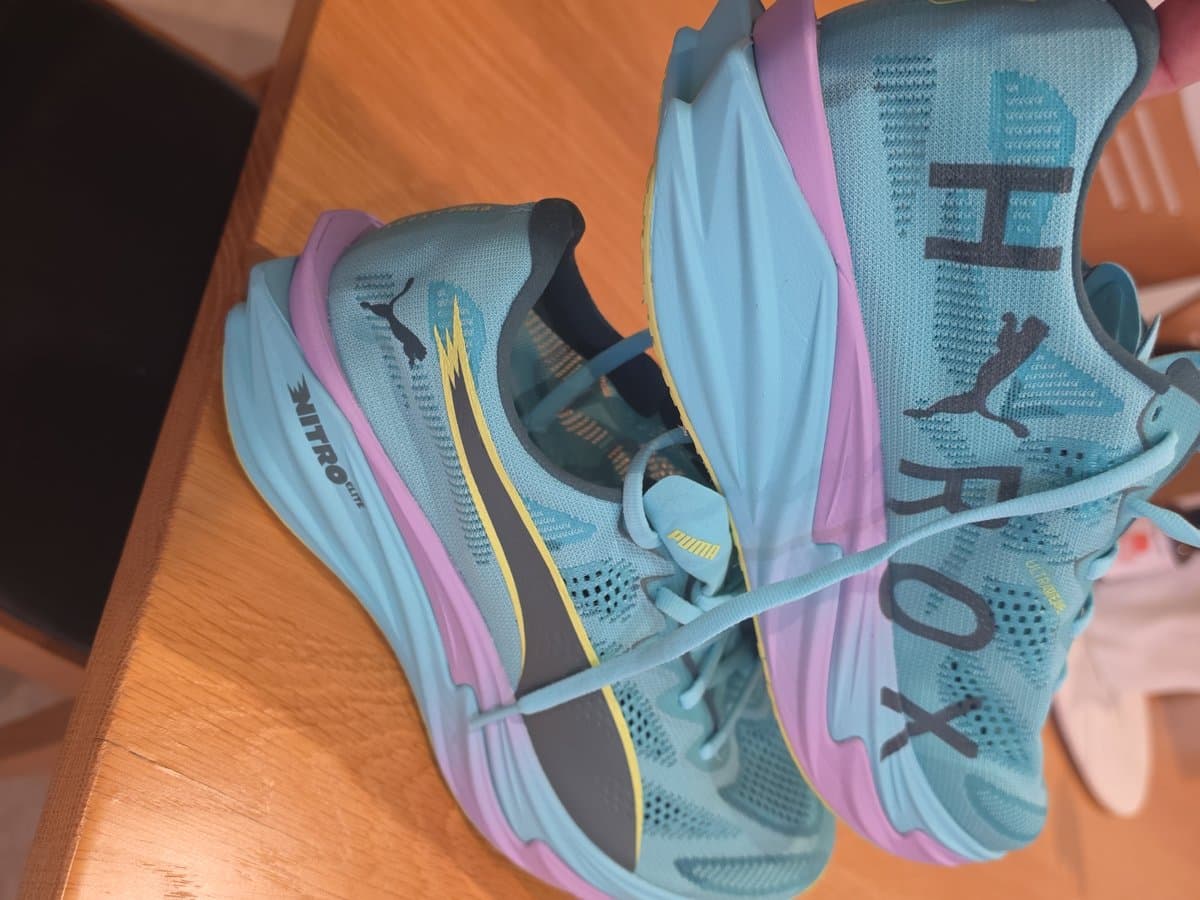
On July 5, 2026, the shoe was put to the ultimate test during the Men’s Open wave at HYROX Sydney. The race environment, characterized by high humidity and surfaces often dampened by competitor perspiration, highlighted the importance of the PumaGrip outsole. The athlete recorded a finish time of 1:18:02, placing in the top 31.7% of the 3,196 total participants and ranking 169th out of 579 in the 35-39 age category. The race splits confirmed that while the carbon plate facilitated a fast opening run (3:38/km), the shoe’s stability allowed for consistent performance across the functional stations, particularly the sled push and farmers carry, where footing is paramount.
Supporting Data: Technical Specifications and Lab Performance
Independent laboratory testing and technical specifications provide a broader context for the PUMA Deviate NITRO Elite 3’s position in the market. According to data from RunRepeat, the shoe’s NitroFoam Elite midsole achieves an energy return figure of 77.1%. This outperforms several established "super shoes," including early iterations of the Nike Vaporfly and Alphafly, which have historically dominated the energy return metrics.
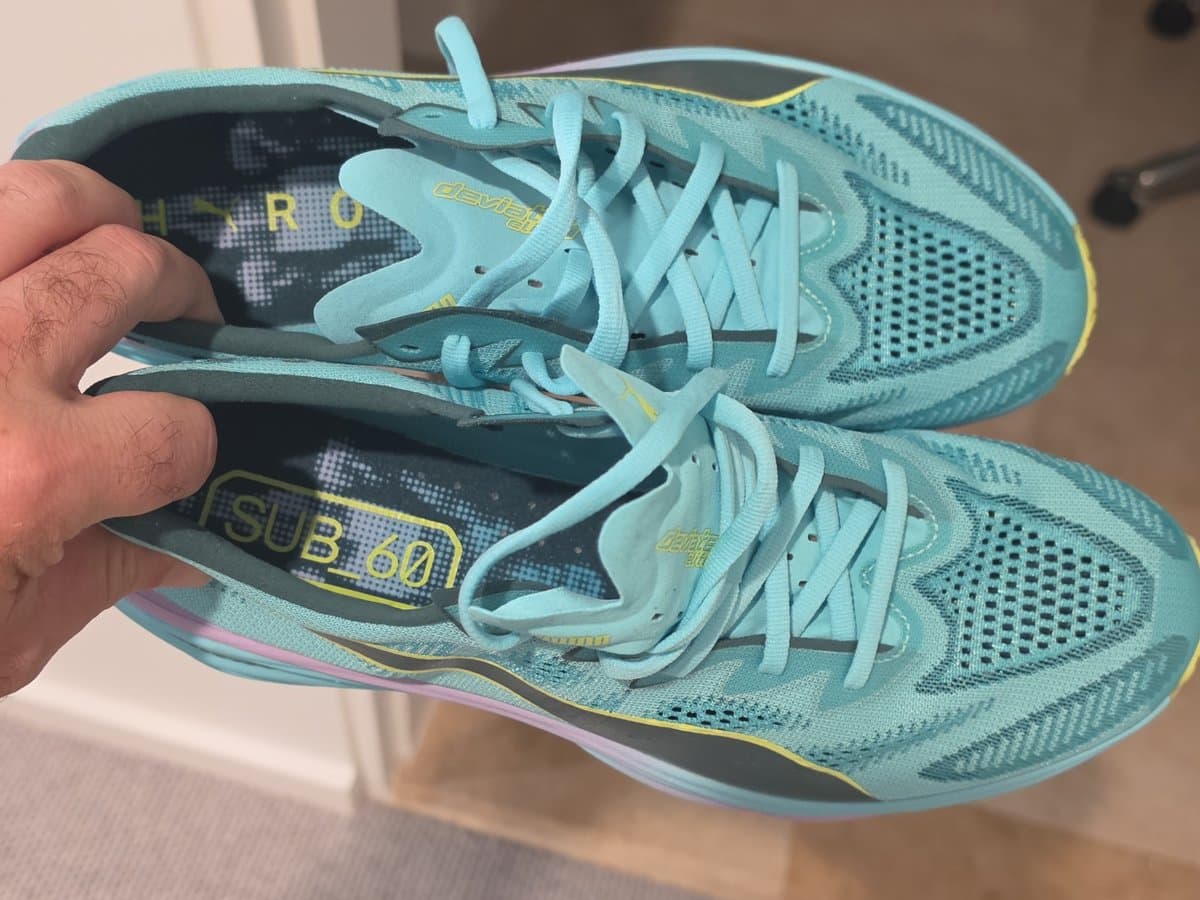
| Specification | PUMA Deviate NITRO Elite 3 x HYROX |
|---|---|
| Price | AU$320 / US$230 |
| Weight | 209g (Men’s US 10.5) |
| Stack Height | 40mm (Heel) / 32mm (Forefoot) |
| Drop | 8mm |
| Midsole Material | NitroFoam Elite (Nitrogen-infused TPU) |
| Plate Technology | PWRPLATE (Full-length Carbon Fiber) |
| Outsole | PumaGrip Rubber |
| Upper | Ultraweave Mono-mesh |
The 40mm heel stack represents the maximum allowable height under World Athletics regulations for road racing, yet PUMA has sculpted the midsole to provide a more stable landing platform than its pure-running counterparts. The 69.5mm width at the toe box, however, remains a point of contention for athletes with wider foot morphologies, as it is significantly narrower than the industry average of approximately 95mm for training shoes.
Comparative Market Analysis: The PUMA Ecosystem and Competitors
PUMA’s strategy involves a tiered approach to the HYROX market, offering three distinct models to cater to different training needs and price points. The Deviate NITRO Elite 3 (AU$320) serves as the dedicated race-day shoe. The Deviate NITRO 4 (AU$250) acts as a versatile all-rounder, featuring a more durable PEBA midsole and a lower 33.6mm stack height for increased stability. Finally, the Velocity NITRO 4 (AU$200) is positioned as the daily trainer, lacking a carbon plate but providing a consistent ride for high-mileage preparation.
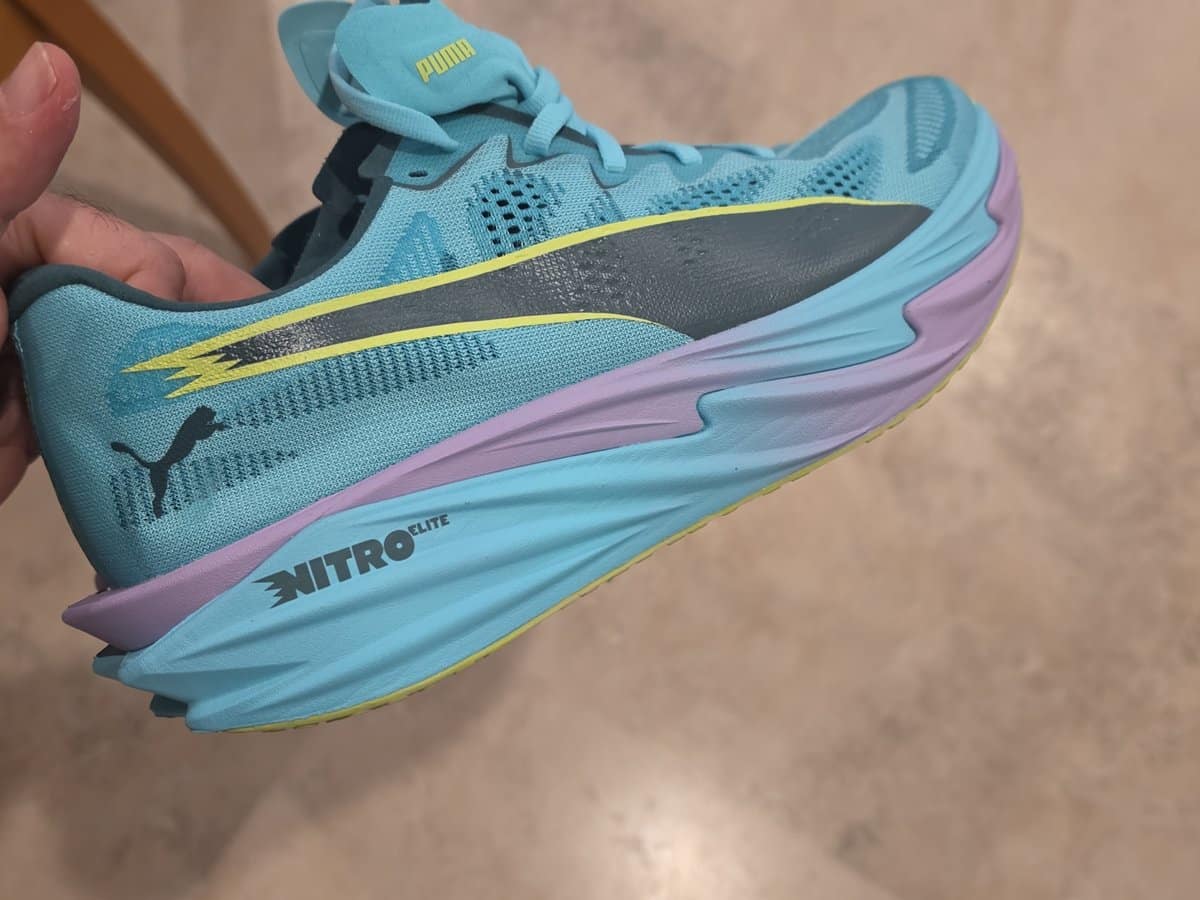
When compared to external competitors, the PUMA Deviate NITRO Elite 3 fills a niche that remains underserved by other major brands:
- Nike Vaporfly 4 (AU$380): While 43 grams lighter, the Vaporfly’s minimal outsole and narrow heel make it virtually unusable for the sled push and lateral lunges found in HYROX.
- ASICS Superblast 3 (AU$300): A popular choice due to its 45.8mm stack height and lack of a carbon plate (which some find more stable), it lacks the explosive "snap" of the PUMA model and weighs 26 grams more.
- Hoka Mach 6 (AU$200): A reliable entry-level option, but it lacks the supercritical foam and plate technology necessary for elite-level energy return.
Critical Analysis of Limitations and Durability
Despite the performance advantages, the PUMA Deviate NITRO Elite 3 x HYROX is not without significant trade-offs. The primary concern identified during the six-week test was the durability of the Ultraweave upper. Engineered for breathability and weight reduction, the tissue-thin material showed early signs of abrasion on the medial forefoot following repeated contact during sled work and burpee broad jumps. This suggests that the shoe is strictly a "race-day" implement rather than a durable daily driver.
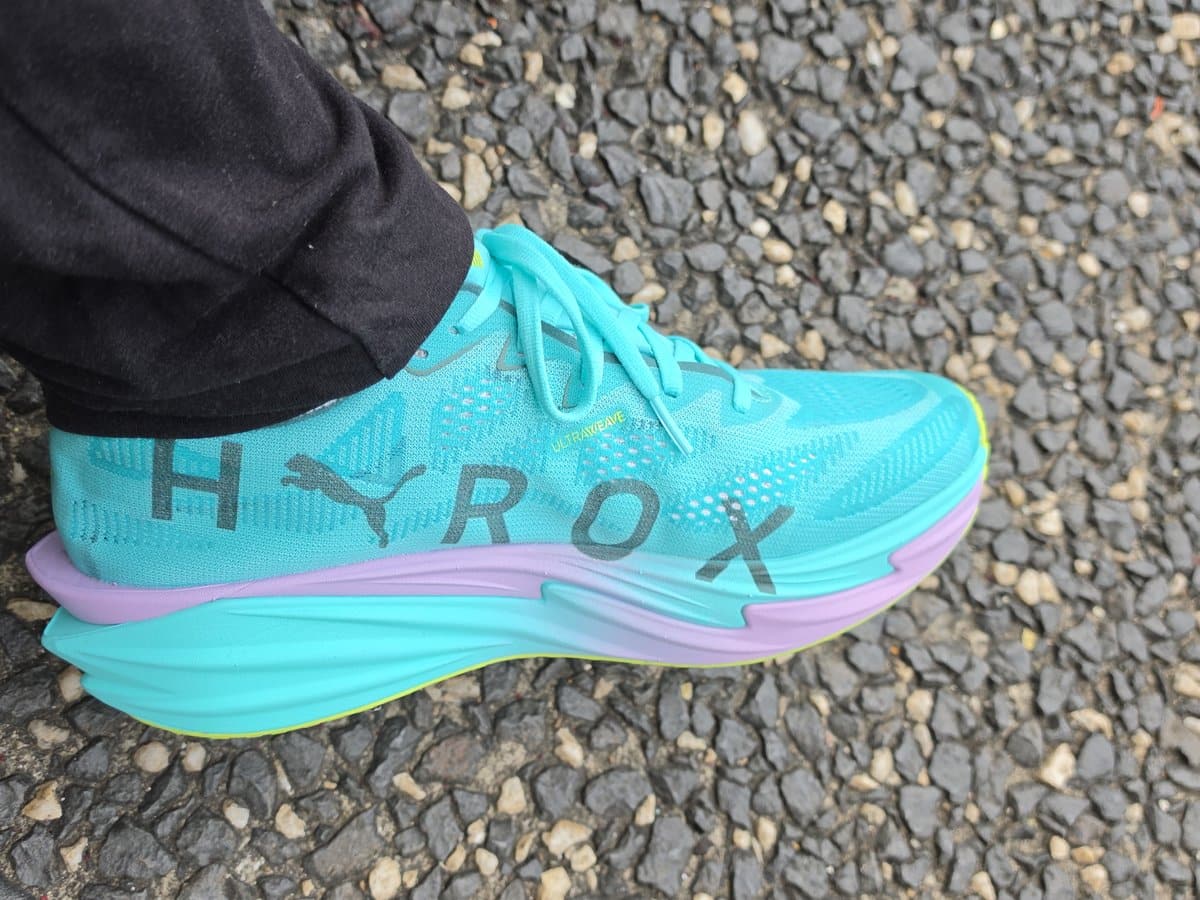
Furthermore, the geometry of the shoe is specifically tuned for midfoot and forefoot strikers. Laboratory analysis suggests that heel strikers may experience a drop-off in energy return, as the carbon plate and foam sculpting are optimized for a more aggressive, forward-leaning gait. This makes the shoe a specialized tool for experienced runners but perhaps less accessible for the "everyday" fitness enthusiast who may have a more traditional heel-striking pattern.
Official Responses and Industry Implications
The collaboration between PUMA and HYROX is a clear indication of the growing commercial viability of "functional fitness" as a standalone sport. PUMA Australia representatives have noted that the partnership was driven by a need to provide athletes with footwear that does not force a compromise between running speed and gym floor traction.

Market analysts suggest that the success of the Deviate NITRO Elite 3 could signal a shift in the broader footwear industry. As hybrid racing formats like HYROX, Spartan DEKA, and CrossFit continue to gain global popularity, major manufacturers are likely to move away from the "one shoe, one sport" philosophy. The emergence of the "functional super shoe" category represents a new frontier in athletic engineering, where the focus is on multi-axial performance rather than linear efficiency.
Conclusion: The Broader Impact on Functional Racing
The PUMA Deviate NITRO Elite 3 x HYROX stands as a benchmark for the current state of hybrid athletic footwear. Its performance at the 2026 HYROX Sydney event demonstrated that it is possible to maintain "super shoe" running efficiency while providing the mechanical grip necessary for heavy functional tasks. However, the AU$320 price point and durability limitations underscore the reality that high-level performance often comes at the cost of longevity.

For the serious HYROX competitor, the shoe offers a tangible competitive edge, particularly in the later stages of the race where energy return and grip can prevent significant time loss. As the sport continues to evolve, the lessons learned from the Deviate NITRO Elite 3—specifically the balance of stack height, plate rigidity, and outsole compound—will likely inform the next generation of footwear, further blurring the lines between the track and the gym floor.




 Yuyun Lusiyani
 Joko Widodo
 Eva Lovia
 Pevita Pearce
 admin
admin