
 Lina Irawan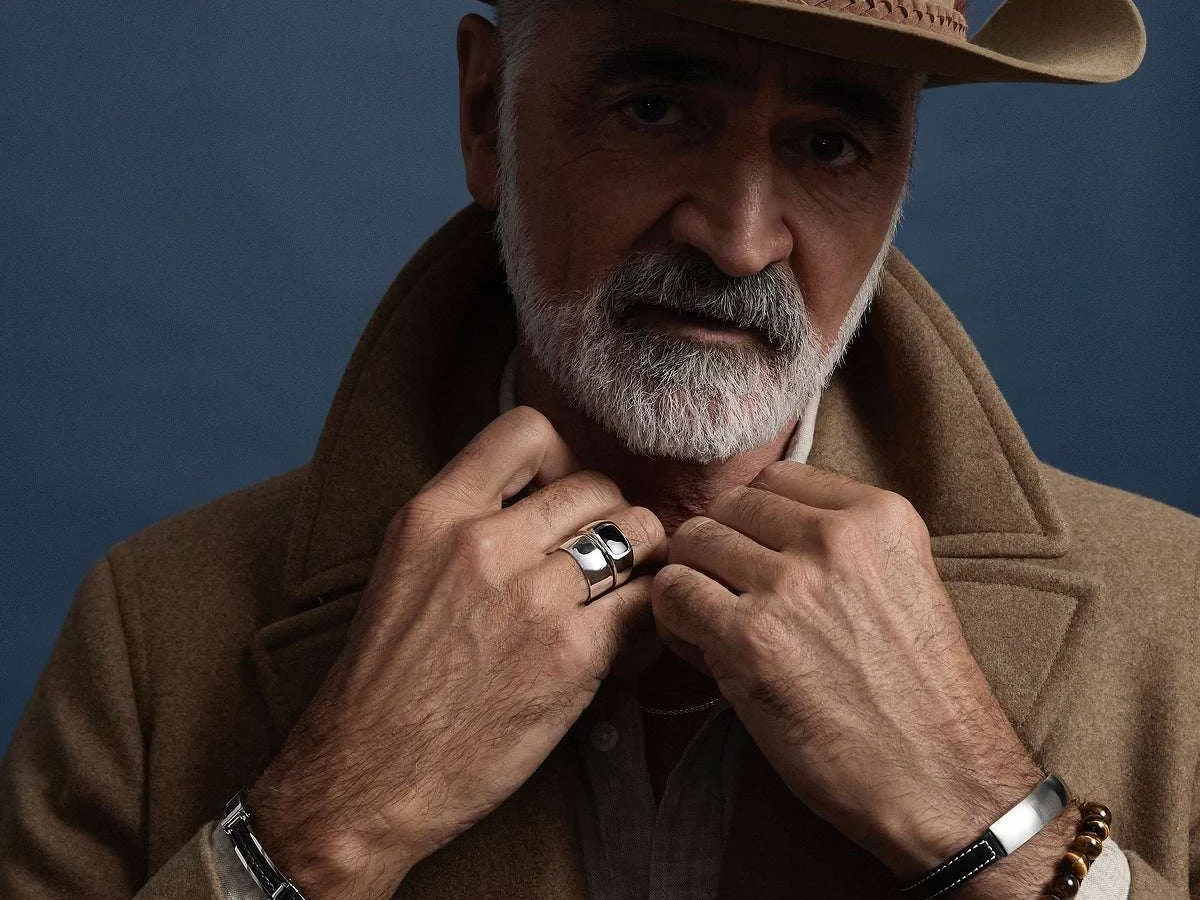
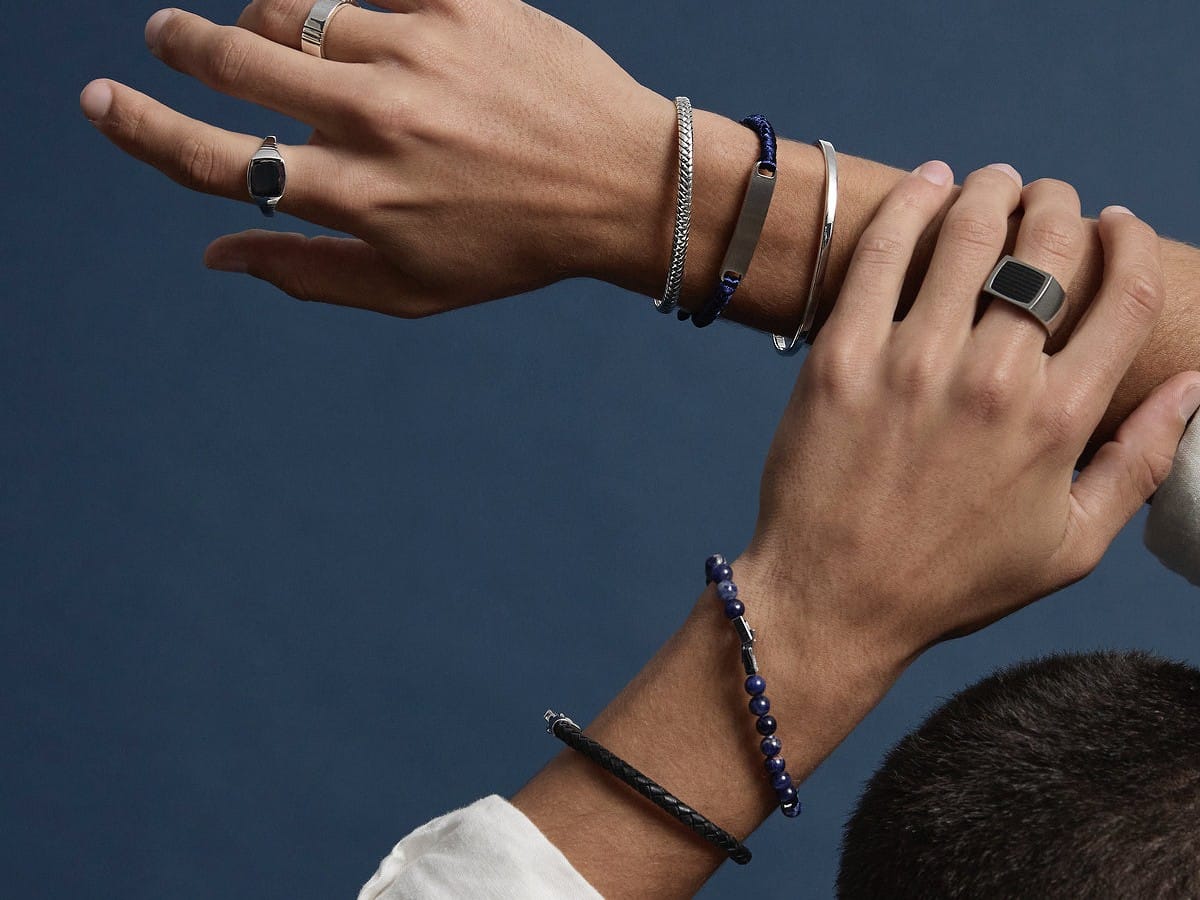
The global men’s accessories market has undergone a seismic shift over the last decade, transitioning from a niche segment defined by wedding bands and watches to a multi-billion-dollar industry encompassing rings, necklaces, and bracelets. Within the Australian context, Sydney-based brand NAJO has emerged as a pivotal player in this transformation, seeking to reconcile traditional perceptions of masculinity with contemporary aesthetic demands. The brand’s latest men’s collection—featuring sterling silver, carbon fibre, and leather—represents a strategic move to capture a growing demographic of consumers who view jewellery not as a costume, but as a subtle extension of personal identity. For many years, men’s jewellery in Australia suffered from a polarized reputation, often associated either with the ostentatious gold chains of the late 1980s or a total avoidance of accessories altogether. NAJO’s current trajectory suggests a "middle ground" is being established, where quality materials and architectural design take precedence over decorative excess.
The Shift in Modern Masculinity and Accessory Consumption
The rise of men’s jewellery is not an isolated fashion trend but a reflection of broader sociological changes regarding gender expression and personal grooming. Market data indicates that the men’s luxury jewellery segment is one of the fastest-growing categories in the apparel and accessories sector. According to industry reports, the global men’s jewellery market was valued at approximately USD 6.5 billion in 2023 and is projected to expand at a compound annual growth rate (CAGR) of nearly 8% through 2030. This growth is driven by a combination of social media influence, the "red carpet effect" where male celebrities embrace bold accessories, and a general softening of rigid sartorial rules.
In Australia, NAJO has positioned itself as a designer-led alternative to mass-produced fashion jewellery. By focusing on "modern masculinity"—a term the brand uses to describe a style that is refined, effortless, and deeply personal—the company is targeting the professional male who seeks versatility. The objective is to provide pieces that transition seamlessly from a corporate environment to a casual weekend setting. This versatility is essential in a market where consumers are increasingly looking for value through longevity and "wearability" rather than fast-fashion trends.

Chronology of Men’s Jewellery: From Amulets to Minimalism
To understand the significance of NAJO’s current collection, it is necessary to examine the historical trajectory of men’s accessories. The use of jewellery by men is not a modern invention but a return to historical norms that were interrupted by the "Great Male Renunciation" of the 18th and 19th centuries.
- Ancient and Renaissance Eras: Historically, men wore jewellery as symbols of power, protection, and status. From Egyptian signet rings to Renaissance-era earrings and heavy gold chains worn by European royalty, accessories were a masculine prerogative.
- The 19th Century "Renunciation": During the Industrial Revolution, men’s fashion moved toward sobriety and uniformity. Bright colours and decorative jewellery were largely abandoned in favour of the dark suit, with accessories limited to functional items like pocket watches and cufflinks.
- The Late 20th Century: The 1970s and 80s saw a resurgence of expressive jewellery, often linked to subcultures. The "gold rope chain" and heavy medallions became synonymous with a specific era of bravado. However, for the mainstream professional, jewellery remained largely taboo outside of a watch or wedding ring.
- The 21st Century Minimalist Movement: Starting in the 2010s, a new wave of "everyday" jewellery began to take hold. This movement, which NAJO exemplifies, focuses on industrial materials, sterling silver, and geometric forms. The focus shifted from "showing wealth" to "expressing taste."
Material Innovation: Sterling Silver, Carbon Fibre, and Beyond
NAJO’s men’s range is notable for its diversity of materials, which allows the brand to appeal to different psychological profiles of the male consumer. While sterling silver remains the anchor of the collection, the inclusion of technical materials like carbon fibre and stainless steel serves a specific purpose.
The Architectural Appeal of Sterling Silver
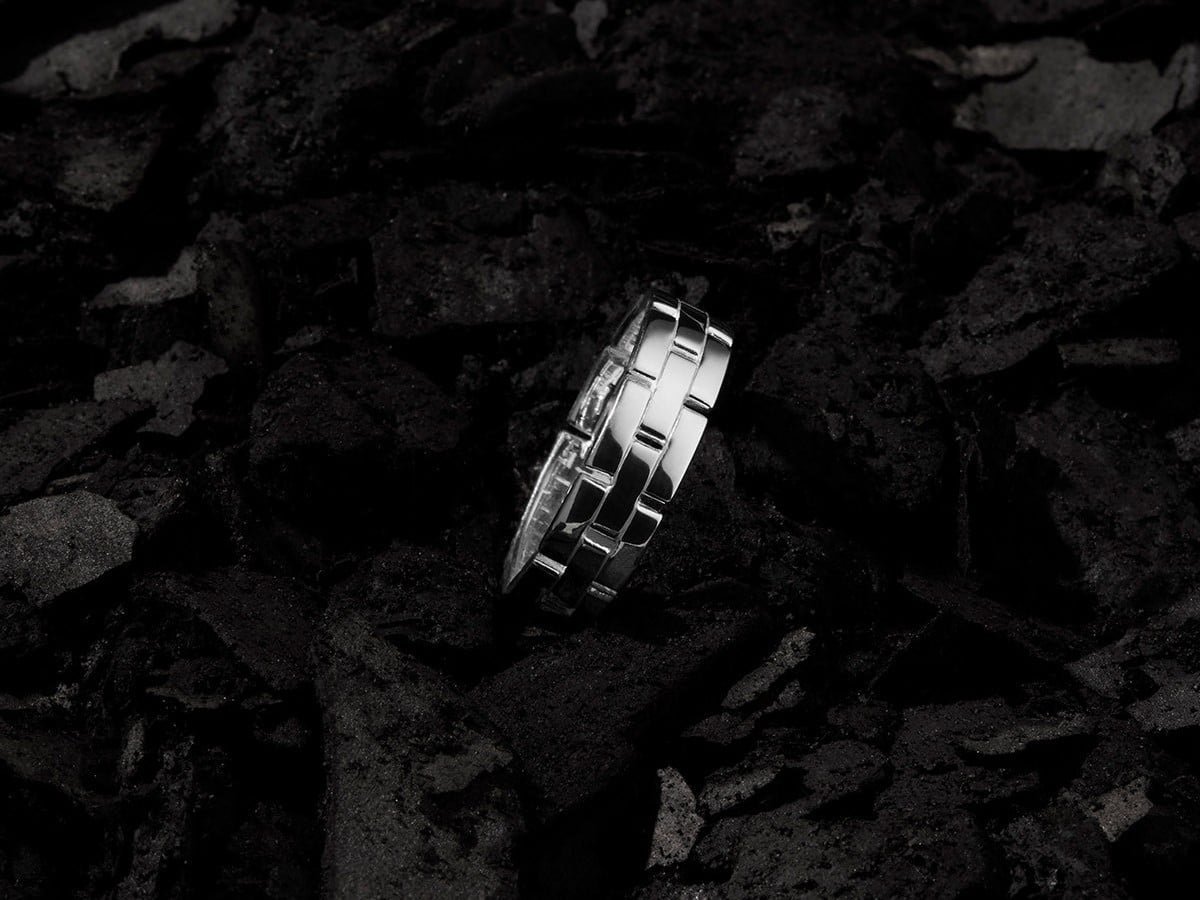
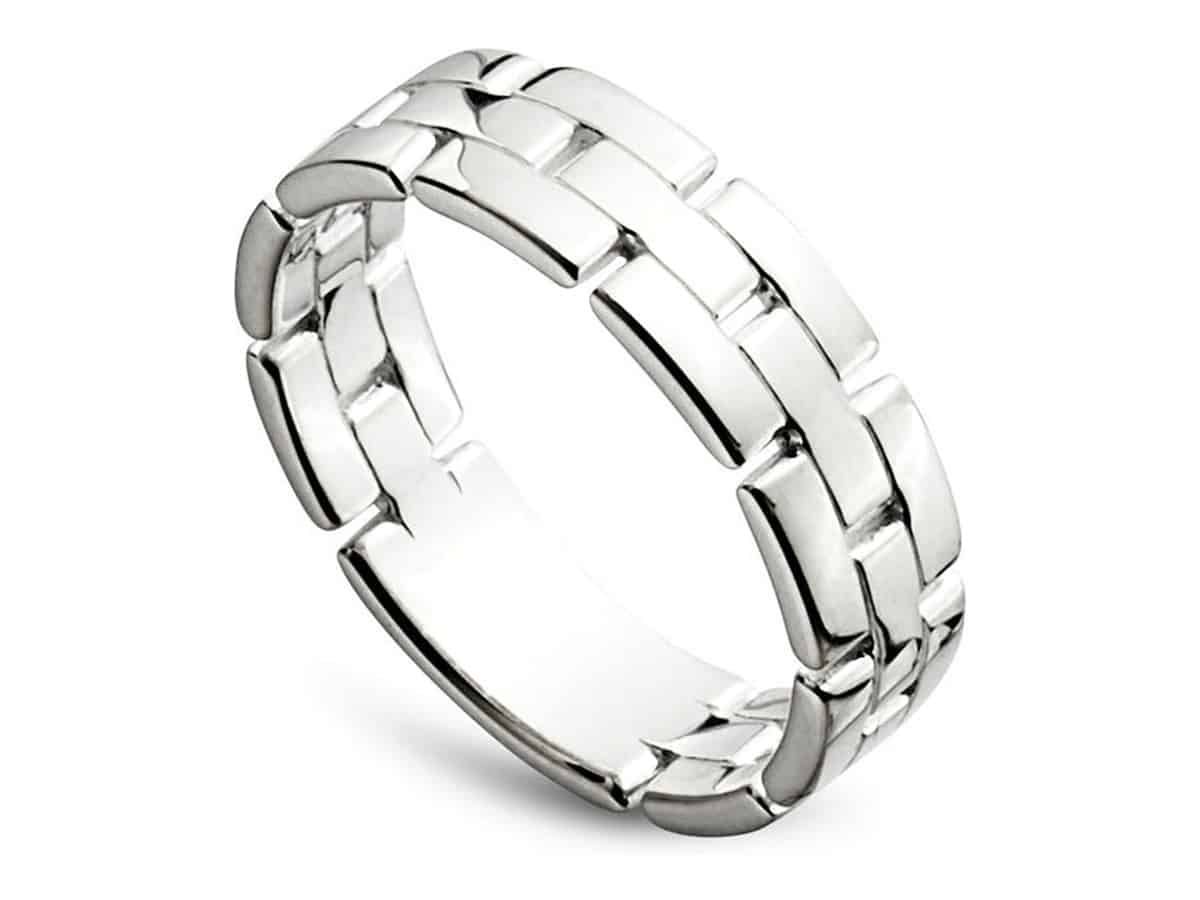
The "Bastion" ring, a flagship piece in the collection, utilizes solid sterling silver with an interlocked brick pattern. From a design perspective, this choice reflects an architectural sensibility. Sterling silver (925) is the industry standard for high-quality jewellery, offering a balance of luster and durability. Unlike gold, which can sometimes be perceived as "loud," silver provides a cooler, more understated tone that complements the grey, navy, and black palettes common in men’s wardrobes.
Technical Materials: Carbon Fibre and Steel
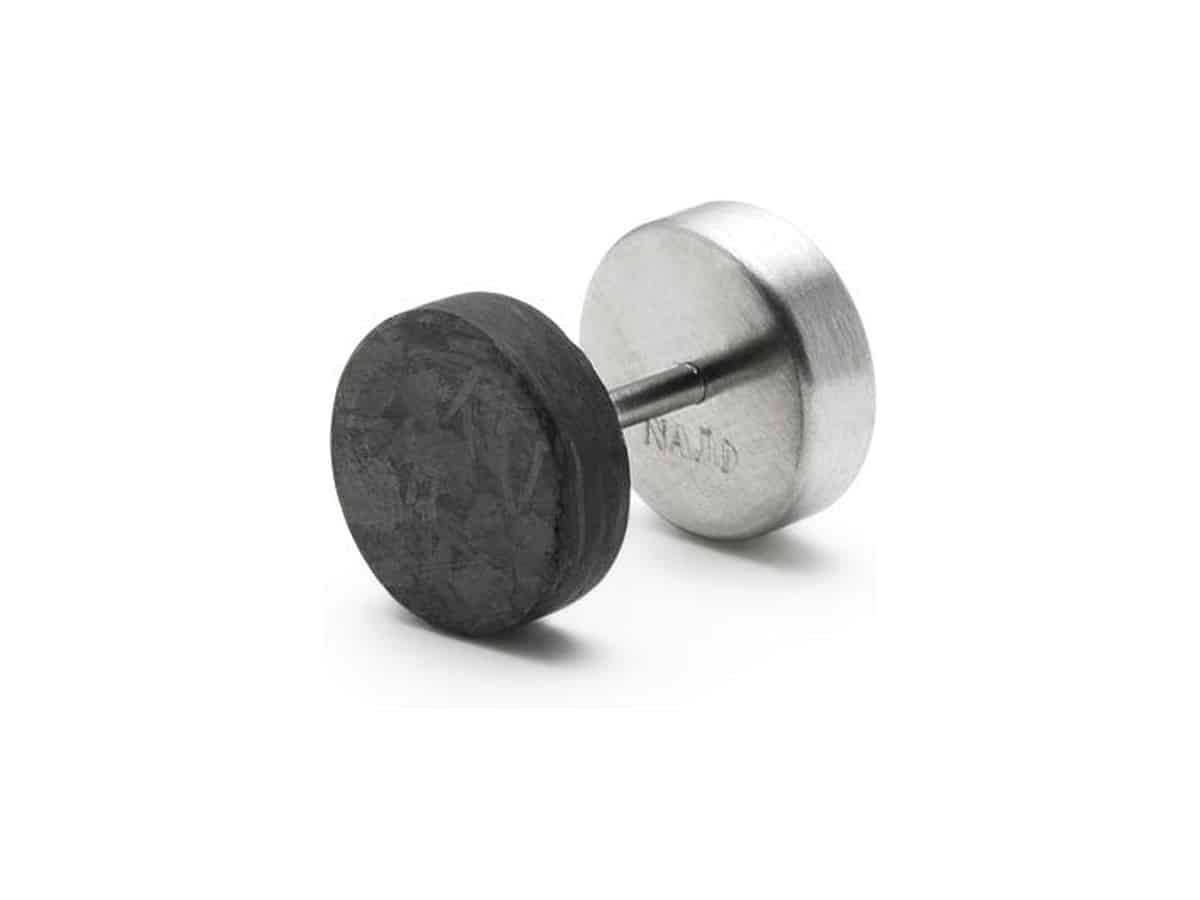
For men who may be hesitant to wear traditional precious metals, the "Torque" and "Aviator" lines introduce carbon fibre and brushed stainless steel. Carbon fibre is a material borrowed from the aerospace and automotive industries, known for its high strength-to-weight ratio. By incorporating it into earrings and cufflinks, NAJO taps into a "techno-masculine" aesthetic. This appeals to consumers who appreciate engineering and industrial design, framing the jewellery as a piece of equipment rather than an ornament.
The Resurgence of Beaded Gemstones
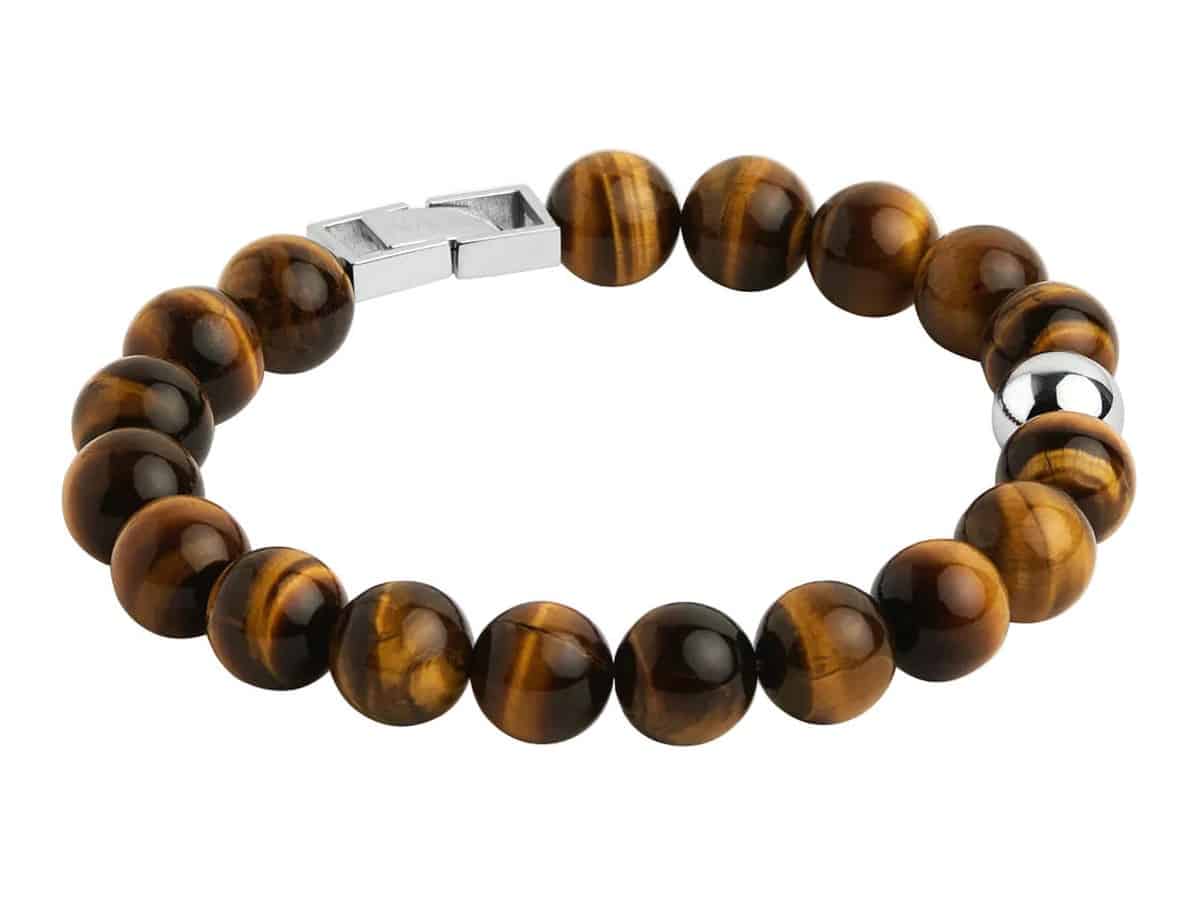
The "Atlas" bracelet series features 10mm stones such as Tiger’s Eye, Black Onyx, and Malachite. This reflects a broader trend in men’s fashion where earthy, natural materials are used to add texture to an outfit. Tiger’s Eye, in particular, is valued for its chatoyancy—the way the light shifts across the fibrous structure of the stone—providing a visual depth that flat metals cannot achieve.
Analyzing the Collection: Key Pieces and Their Function
A journalistic analysis of the range reveals a strategic categorization based on the level of "sartorial risk" for the wearer.
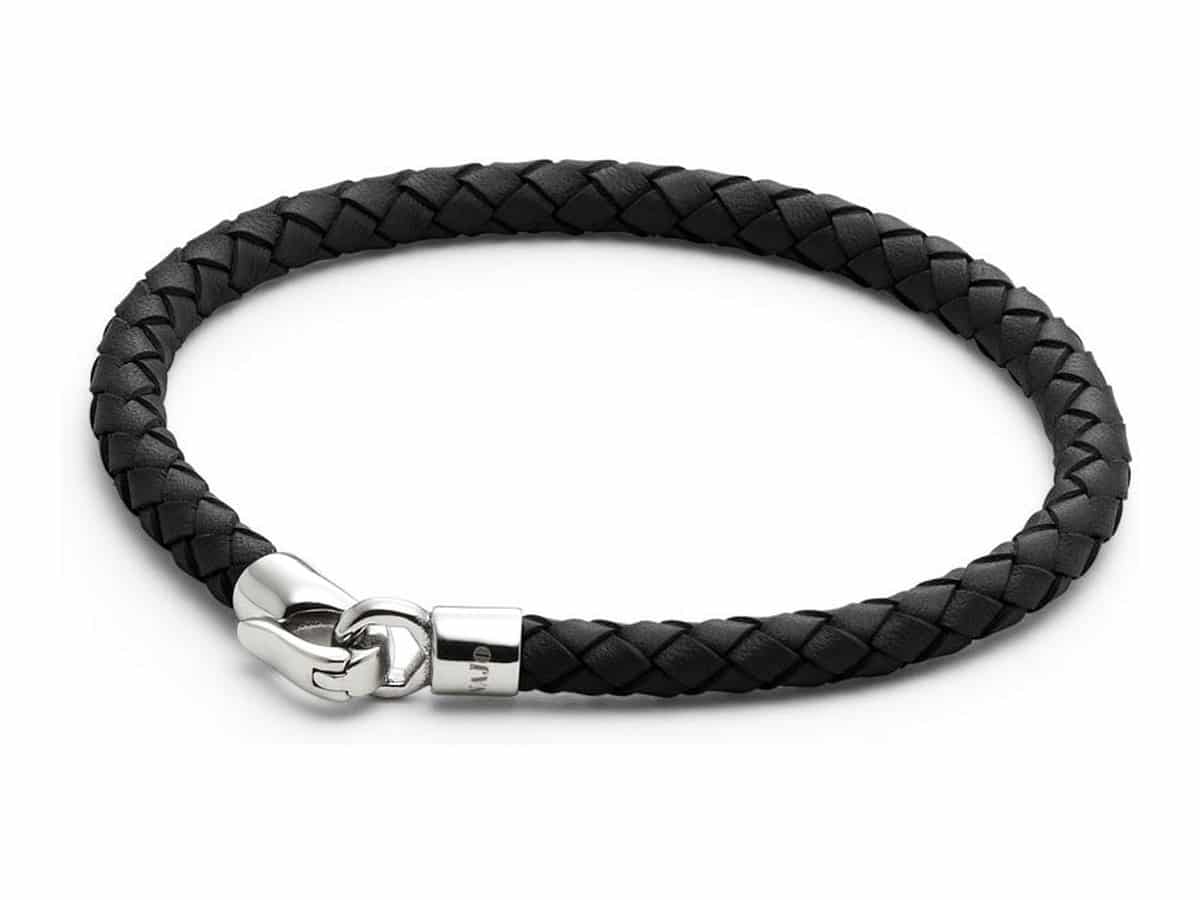
- The Entry Point (Low Risk): The "Mariner" plaited leather bracelet. Leather is a familiar material for men, often associated with watch straps and belts. By using a nautical-inspired braid and a secure steel clasp, NAJO provides a "safe" entry point for those new to jewellery.
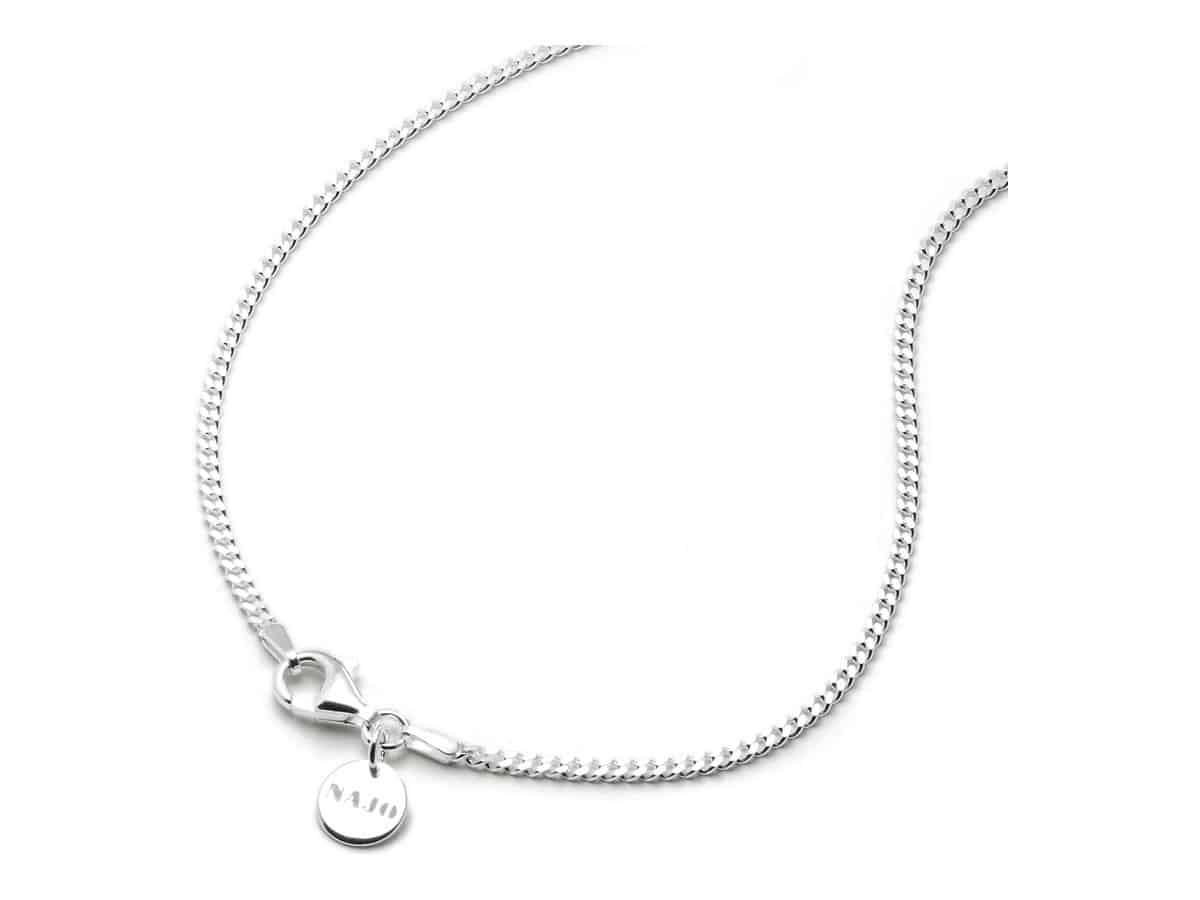
- The Subtle Statement (Medium Risk): The 2.1mm Cuban silver chain. This piece is designed to be worn under a shirt, visible only at the collar. It represents a "discreet" form of self-expression, moving away from the heavy chains of previous decades toward something that feels intentional and curated.
- The Modern Heirloom (Higher Risk): Reversible earrings and bold signet-style rings. These pieces require a higher degree of style confidence and are aimed at the "style-forward" consumer who is comfortable with jewellery being a focal point of their appearance.
Official Positioning and Brand Philosophy
In statements regarding the collection, NAJO emphasizes that the designs are born in Sydney and executed with a focus on craftsmanship over "trend-chasing." The brand’s philosophy hinges on the idea of "personal refinement." This is a crucial distinction in the current market; while many fashion brands produce "disposable" jewellery made of base metals with thin plating, NAJO’s focus on solid sterling silver and durable steel positions them in the "accessible luxury" category.
The brand’s move toward sustainable packaging—offering a jewellery pouch option to reduce cardboard waste—reflects a growing demand among Australian consumers for ethical retail practices. Furthermore, the implementation of a 14-day return policy and the integration of modern payment solutions like Afterpay suggest a retail strategy focused on lowering the "barrier to entry" for men who may be skeptical of making an online jewellery purchase.
Broader Impact on the Australian Fashion Landscape
The success of a dedicated men’s range from a major Australian designer like NAJO has significant implications for the local fashion industry. Firstly, it signals to other domestic retailers that the "men’s accessory gap" is a viable area for investment. For years, Australian men’s fashion was dominated by "surf and street" or "high-end tailoring," with very little in between. The rise of sophisticated jewellery brands helps fill this void.
Secondly, it contributes to the "professionalization" of the male image in Australia. As workplace dress codes become increasingly casual—moving from suits to "smart casual"—accessories like a well-chosen ring or a leather bracelet become the primary tools for distinguishing one’s style. In this context, jewellery is not just a fashion choice; it is a tool for personal branding.
Strategic Advice for the Modern Consumer
NAJO’s styling advice, which focuses on "restraint" and "anchoring," aligns with professional fashion consulting standards. The recommendation to start with a single piece and build a collection slowly is a direct response to the primary fear many men have: the fear of "overdoing it."
Key tenets of this approach include:
- Consistency of Metals: Keeping silver with silver and steel with steel to ensure a cohesive look.
- Balance and Proportion: Ensuring that the scale of the jewellery matches the wearer’s frame and the occasion.
- Intentionality: Wearing a piece because it adds value to the outfit, not simply for the sake of wearing it.
Conclusion and Future Outlook
The NAJO men’s jewellery range serves as a case study in how traditional brands can pivot to meet the evolving needs of the modern male consumer. By moving away from the "costume" reputation of the past and focusing on material integrity and Australian design, the brand has created a framework for men to engage with jewellery in a way that feels authentic and masculine.
As the market continues to mature, it is likely that we will see further experimentation with mixed metals and perhaps the introduction of lab-grown diamonds or other sustainable gemstones into the men’s category. For now, the focus remains on the "middle ground"—a space where a single sterling silver ring or a leather bracelet is recognized as a legitimate and sophisticated upgrade to the modern wardrobe. The evolution of men’s jewellery is no longer a fringe movement; it is a permanent fixture of the contemporary fashion narrative.


 Yuyun Lusiyani
 Joko Widodo
 Eva Lovia
 Pevita Pearce
 admin
admin