
 Lina Irawan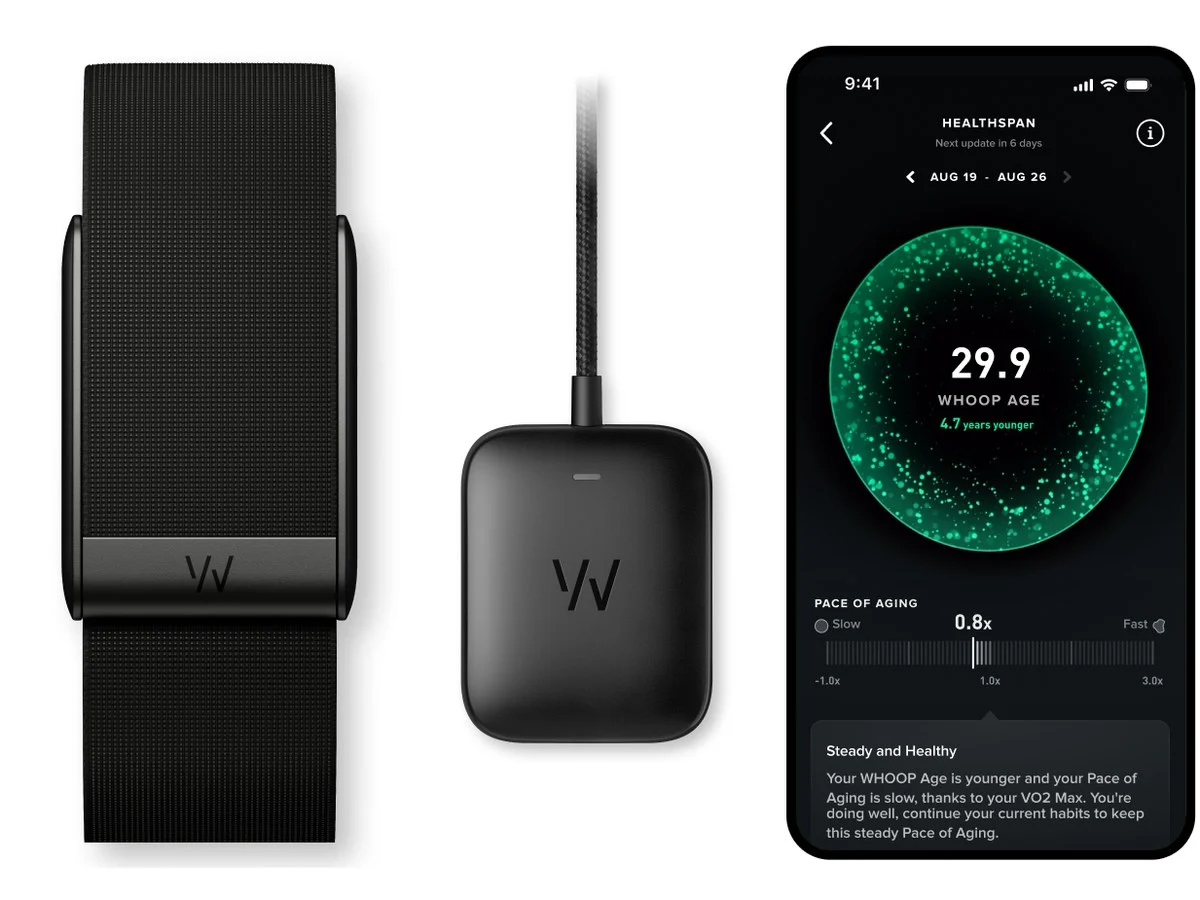
The intersection of financial technology and personal wellness has reached a new milestone as Robinhood and WHOOP officially announced a strategic partnership on July 22, 2026. Under the terms of the agreement, Robinhood Platinum Card holders are now eligible for a complimentary annual WHOOP Peak membership, a benefit that includes the latest wearable hardware and is delivered via a statement credit valued at up to $239. This collaboration, which is scheduled to remain in effect through at least the end of 2027, signals a broader trend of premium credit card issuers bundling high-end health services to justify significant annual fees and attract a health-conscious, affluent demographic.
The Robinhood Platinum Card, issued by Coastal Community Bank, carries a $695 annual fee, positioning it directly against established heavyweights in the premium credit market such as the American Express Platinum Card and the Chase Sapphire Reserve. By integrating WHOOP—a company that has spent the last decade carving out a niche in the high-performance athletics and recovery space—Robinhood is doubling down on a "lifestyle-first" value proposition. The partnership aims to provide a seamless integration between a user’s financial health and their physical well-being, categories that are increasingly seen as overlapping by modern consumers.
The Financial Mechanics of the Partnership
For eligible cardholders, the benefit is structured as a direct reimbursement. Upon purchasing a WHOOP Peak membership using their Robinhood Platinum Card, the user receives a statement credit of up to $239, effectively covering the entire cost of the middle-tier membership for one year. This perk is part of a larger suite of wellness-oriented benefits that Robinhood has curated for its Platinum members. These include memberships to Function Health, Amazon One Medical, and credits for Eight Sleep, a high-tech mattress cooling system.
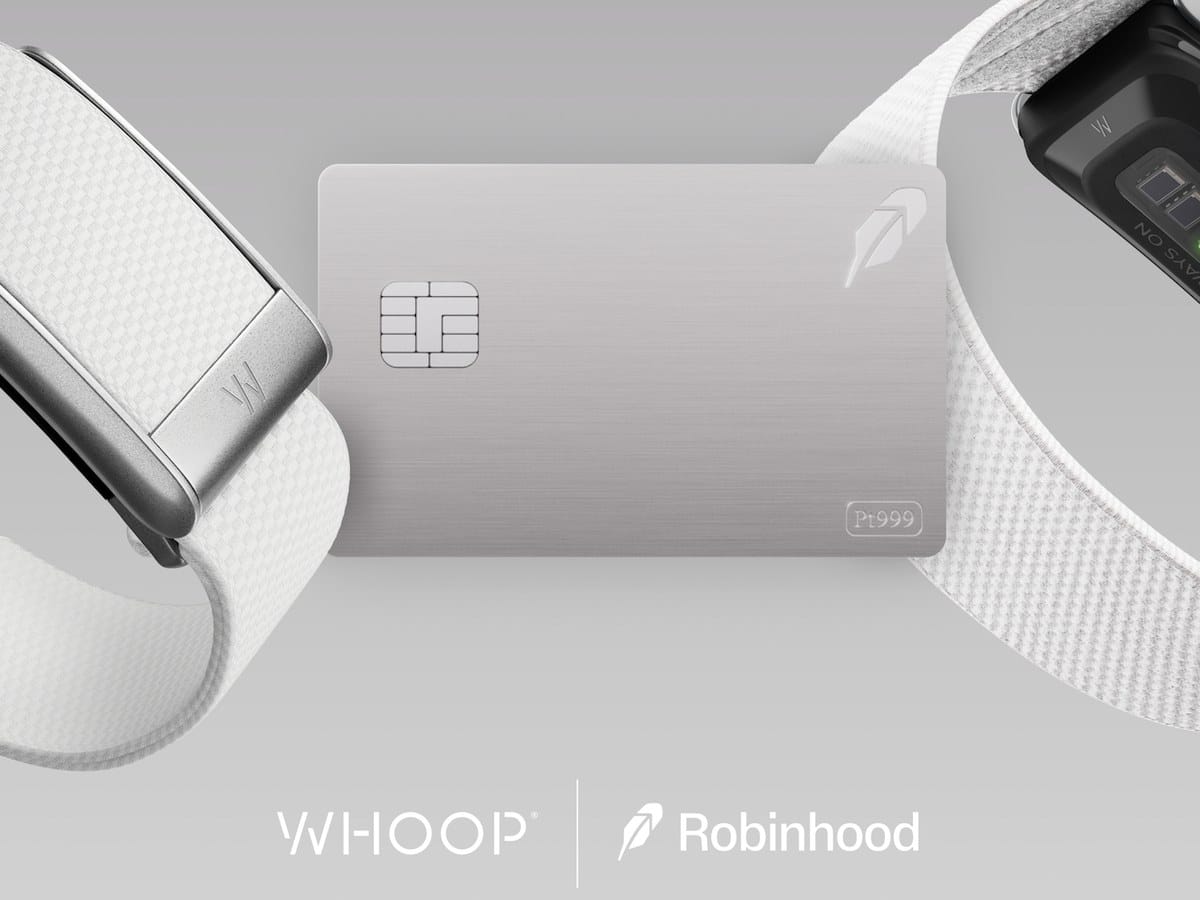
Robinhood estimates that the total annual value of the card’s benefits exceeds $3,000, a figure designed to offset the $695 annual fee for active users. However, analysts note that the true value of such perks depends heavily on consumer utilization. For individuals already integrated into the WHOOP ecosystem or those looking to enter it, the credit represents a 100% subsidy of their annual hardware and data costs.
Chronology of Development and Market Entry
The partnership follows a series of aggressive expansions by Robinhood into the credit and banking sectors. In 2023 and 2024, Robinhood began a transition from a pure-play brokerage to a comprehensive financial services provider. The launch of the Robinhood Gold Card and the subsequent Platinum tier marked a significant shift in the company’s strategy to increase Average Revenue Per User (ARPU) and decrease its reliance on transaction-based revenue.
WHOOP, meanwhile, has undergone its own evolution. Founded in 2012, the company initially focused on elite athletes and professional sports teams. By 2026, WHOOP had successfully transitioned to a mass-market premium model, emphasizing recovery, sleep, and long-term health metrics over simple step-counting. The decision to partner with Robinhood reflects WHOOP’s strategic pivot toward enterprise and partnership-led growth. Rather than relying solely on individual direct-to-consumer sales, WHOOP is increasingly embedding its services within the ecosystems of other premium brands.
Technical Specifications of the WHOOP Tiers
The partnership specifically targets the WHOOP Peak tier, though the company maintains a three-tier membership structure designed to meet different consumer needs. Understanding the distinctions between these tiers is essential for cardholders and prospective users alike.

WHOOP One: The Foundation
The entry-level WHOOP One membership is priced at $199 annually. It utilizes the WHOOP 5.0 hardware, a screenless, lightweight sensor designed to be worn on the wrist or in specialized "WHOOP Body" apparel. This tier provides the core metrics that built the company’s reputation: Sleep, Strain, and Recovery scores. It also includes personalized coaching, VO2 Max tracking, and heart rate zone analysis. The hardware bundle for this tier includes a basic wired charger and a Jet Black CoreKnit band.
WHOOP Peak: The Longevity Suite
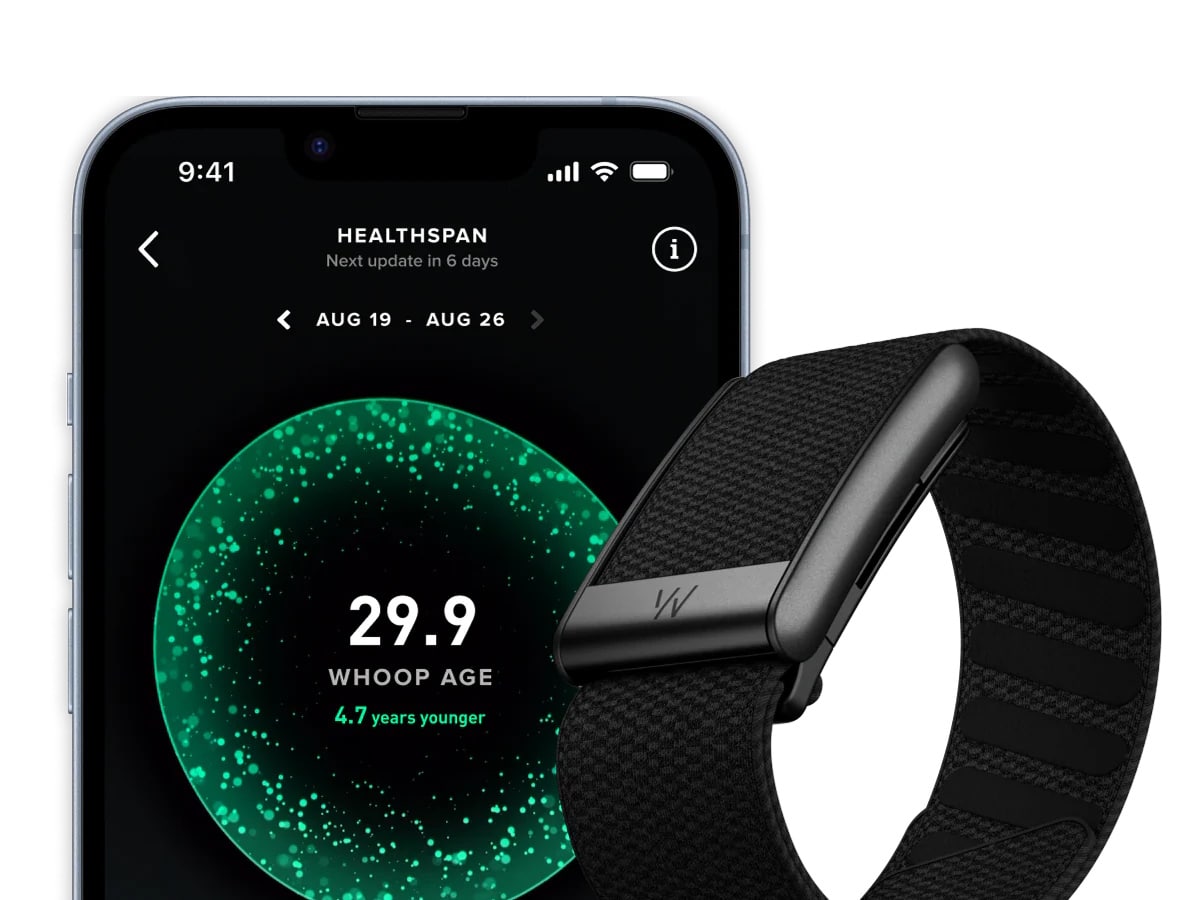
The WHOOP Peak membership, valued at $239 and covered by the Robinhood credit, serves as the mid-range option. While it uses the same WHOOP 5.0 hardware as the One tier, it unlocks a sophisticated layer of software focused on longevity and preventative health. Key features include:
- Healthspan Analysis: A metric that estimates the user’s biological "WHOOP age."
- Pace of Aging: A tracking tool that monitors how lifestyle choices affect the rate of biological aging.
- Health Monitor: A system that alerts users when their baseline metrics (such as resting heart rate or respiratory rate) drift outside of normal ranges.
- Stress Monitor: Real-time tracking of physiological stress levels.
The Peak hardware bundle is upgraded to include a wireless PowerPack and an Onyx SuperKnit band.
WHOOP Life: The Medical Grade Tier
The highest tier, WHOOP Life, is priced at $359 annually and represents a hardware upgrade. This tier introduces the WHOOP MG device, which incorporates advanced sensors capable of providing Blood Pressure Insights and a Heart Screener with ECG (Electrocardiogram) readings. This device is capable of on-demand AFib (Atrial Fibrillation) detection, a feature that subjects the device to various regional medical regulations. It ships with a wireless PowerPack and a Titanium SuperKnit Luxe band.
Data and Performance Metrics in the Wearable Industry
The integration of WHOOP into a financial product comes at a time when the global wearable technology market is experiencing sustained growth. Industry data suggests that the market is expected to grow at a Compound Annual Growth Rate (CAGR) of approximately 14% through 2030. The shift from "reactive" health tracking to "proactive" longevity monitoring has been a primary driver of this growth.
By offering WHOOP as a benefit, Robinhood is tapping into a demographic that views health data as a form of "wealth." Research indicates that high-net-worth individuals are significantly more likely to invest in preventative health technologies. The WHOOP 5.0 sensor technology, which samples data hundreds of times per second, provides the granular level of detail that this demographic demands. For Robinhood, the partnership acts as a retention tool; once a user has a year of health data stored within the WHOOP ecosystem, the cost of switching to a different platform—or a different credit card—increases.
Regional Availability and International Constraints
While WHOOP operates on a global scale, the Robinhood Platinum Card benefit is strictly limited to the United States. The card is issued by Coastal Community Bank, a Washington-based institution, and compliance with U.S. financial regulations limits its issuance to domestic residents.
In markets such as Australia, where WHOOP maintains a significant presence, consumers must continue to purchase memberships directly through WHOOP’s local channels. This geographic restriction highlights the fragmented nature of the FinTech landscape compared to the relatively borderless nature of health technology. However, the partnership serves as a signal to international markets that WHOOP is open to similar enterprise-level agreements with local financial or insurance providers in the future.
Implications for the FinTech and HealthTech Sectors
The Robinhood-WHOOP partnership is likely to trigger a response from competitors in both industries. In the financial sector, we can expect to see a "perks arms race" where traditional banks move beyond travel and dining rewards to offer more lifestyle-integrated benefits. If Robinhood successfully attracts a younger, high-earning demographic through these health-centric perks, legacy banks may be forced to partner with competitors like Oura, Garmin, or Apple.
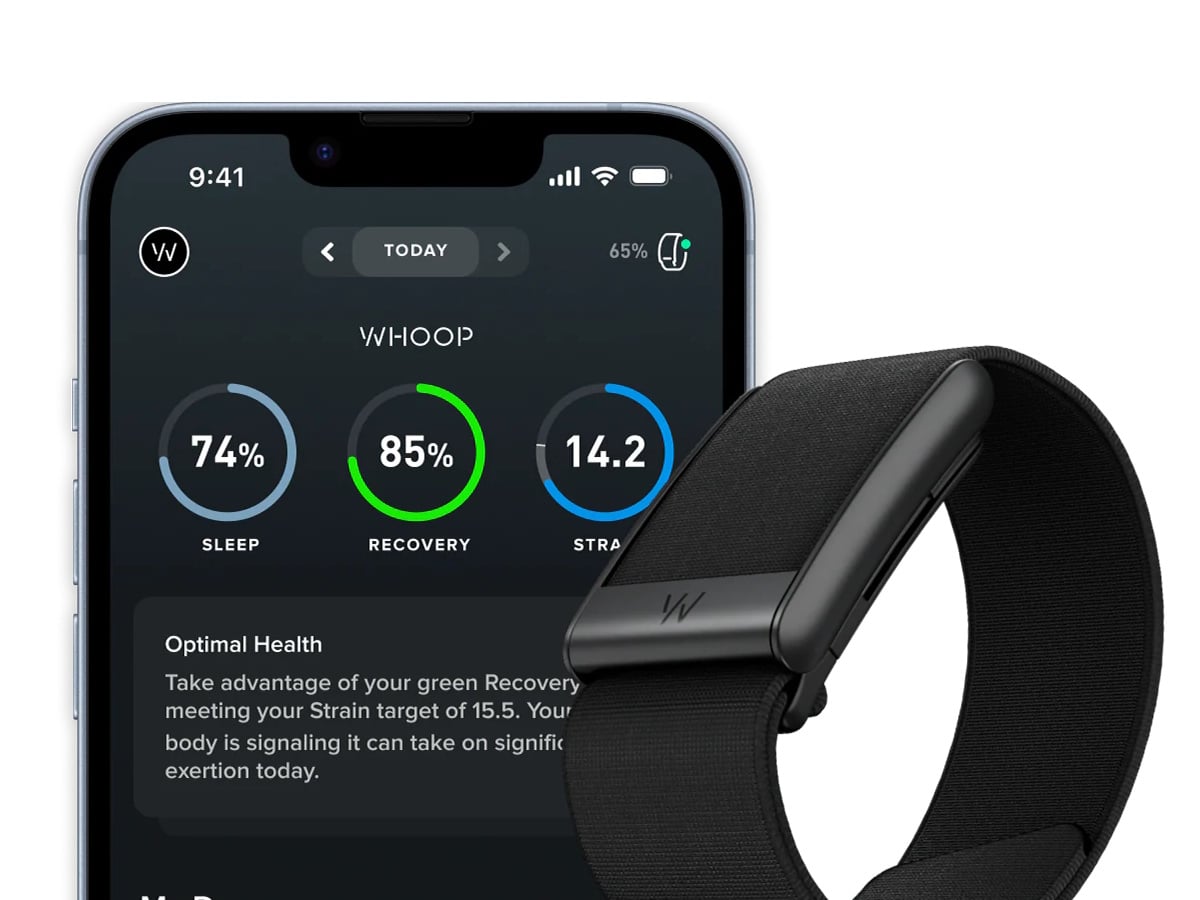
From a HealthTech perspective, this deal validates the subscription-based hardware model. WHOOP was an early adopter of the "hardware-as-a-service" philosophy, where the device is included in the membership fee rather than sold as a standalone product. This model provides predictable recurring revenue and allows for constant software updates, making it an attractive partner for financial institutions looking for stable, long-term benefits to offer their clients.
Future Outlook and Strategic Analysis
As the offer runs through the end of 2027, the long-term success of the partnership will be measured by the "stickiness" of the Robinhood Platinum Card. If cardholders find that the WHOOP data becomes an indispensable part of their daily routine, the $695 annual fee becomes much easier to justify.
Furthermore, the data-rich environment of WHOOP offers potential future integrations. While currently speculative, the possibility of "wellness-based" financial incentives—such as lower insurance premiums or improved loan rates for users who maintain high health scores—remains a topic of discussion among industry futurists. For now, the partnership remains a high-value perk for the modern professional who views their physical recovery with the same analytical rigor they apply to their investment portfolio.
The collaboration between Robinhood and WHOOP is more than a simple marketing promotion; it is a calculated bet on the convergence of health and wealth. As both companies continue to refine their offerings through 2027, the success of this partnership may well define the next era of premium consumer services. For the user, the result is a screenless band on the wrist that serves as a constant reminder that in the modern economy, health is the ultimate asset.




 Yuyun Lusiyani
 Joko Widodo
 Eva Lovia
 Pevita Pearce
 admin
admin