
 Yuyun Lusiyani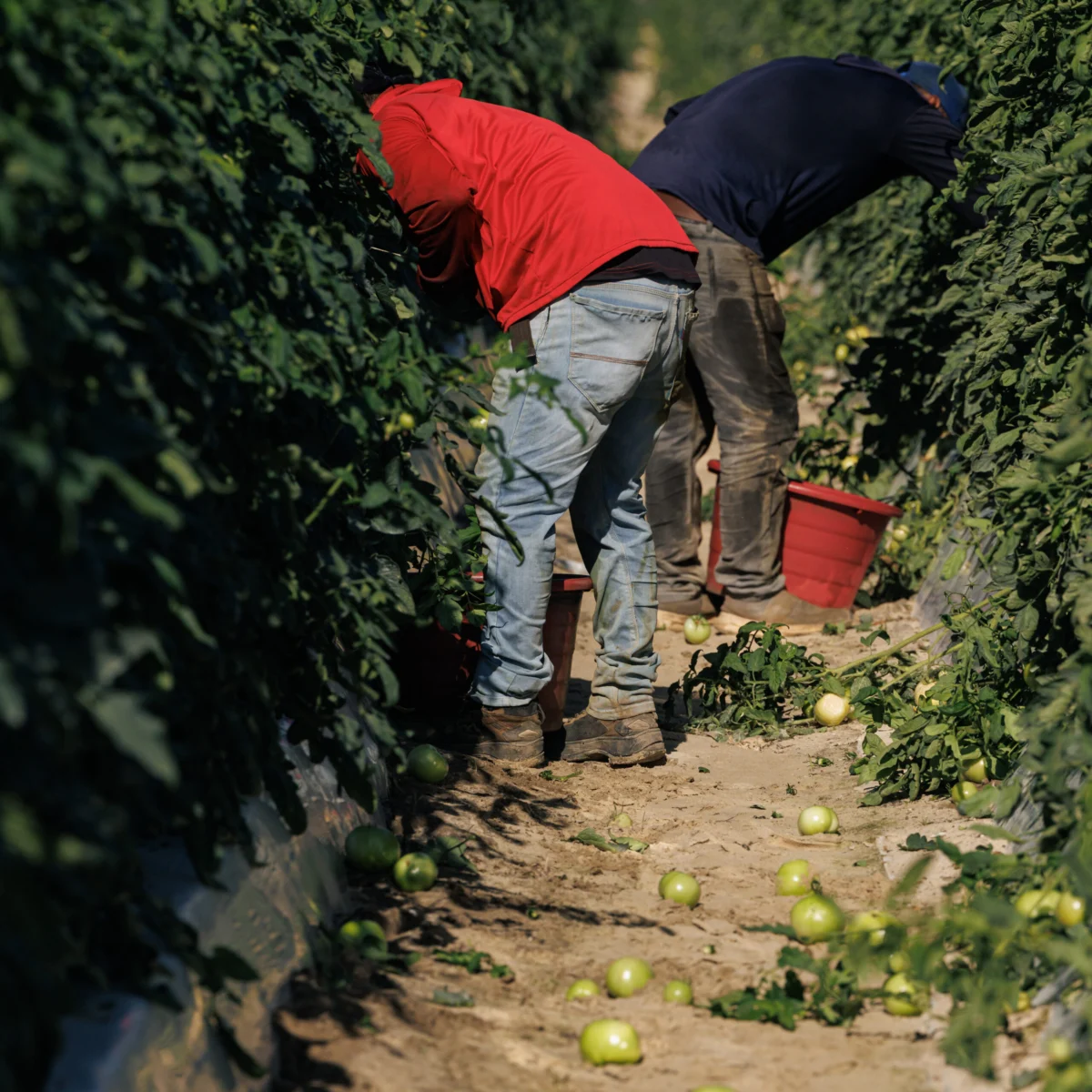
The journey to understand the origins of the food on our plates often leads to uncomfortable truths, particularly concerning the labor practices underpinning America’s vast agricultural industry. For one ProPublica reporter, the seemingly innocuous act of buying blueberries spiraled into a year-long investigation, revealing a deeply opaque supply chain that routinely shields consumers from the systemic exploitation of farmworkers. This journalistic endeavor, born from a profound personal disconnect between documenting horrific crimes against migrant laborers and the everyday reality of grocery shopping, underscores a critical flaw in how the nation sources its produce: a severe lack of transparency that leaves consumers powerless to make ethical choices.
The Hidden Cost of Our Food: A Crisis of Exploitation
Over the past year, ProPublica has meticulously documented a disturbing pattern of abuse against farmworkers, primarily those who have arrived in the U.S. legally from Mexico and Central America under the H-2A visa program. The testimonies collected paint a grim picture: rampant wage theft, intimidation tactics involving firearms, and even instances of captivity, rape, and attempted murder. These are not isolated incidents but symptoms of a broader systemic failure within the agricultural labor landscape. The sheer scale of the suffering has left an indelible mark on the investigating journalist, Max Blau, fueling a relentless pursuit of answers about how such abuses can persist unchecked within the food supply chain.

The disconnect between these documented atrocities and the serene aisles of a grocery store is stark. Consumers, seeking fresh produce like blueberries, are offered no easy mechanism to ascertain whether their purchases are inadvertently supporting operations linked to these egregious human rights violations. This ethical dilemma becomes particularly acute when considering Georgia, a leading blueberry-producing state and a focal point of the journalist’s investigations into labor abuses. The long stretches of road traveled between Atlanta and the rural South offered ample time to ponder the alarming information gap that exists between farm and fork.
A Journalist’s Maddening Quest for Transparency
Driven by the imperative to bridge this gap, the reporter embarked on a challenging quest: to determine if the blueberries in their refrigerator could be traced back to farms with a history of mistreating workers. The initial hurdle proved to be the fundamental lack of information on product packaging. Federal regulations currently do not mandate blueberry brands to disclose the specific farms from which their produce originates. This regulatory void necessitates a painstaking, time-consuming investigation, far beyond what any ordinary consumer could undertake.
The investigative process began with the most basic step: examining blueberry pints in local grocery stores. Photos were snapped, brand names meticulously researched, and government records painstakingly reviewed. What became immediately apparent was the superficiality of the information provided. Labels often indicate the state of origin or the distribution city, but rarely, if ever, the actual farm. This ambiguity is further complicated by the common industry practice of brands sourcing berries from multiple farms to meet demand and maintain competitive prices. This aggregation strategy, while economically efficient for producers, effectively creates a labyrinthine supply chain that obscures the origin of individual berries and, crucially, the labor conditions under which they were picked.

Despite these significant obstacles, the reporter’s persistence yielded a breakthrough. One brand’s berries were successfully traced from a grocery store shelf back to an individual farm. While the brand remains unnamed due to the systemic nature of the issue, the investigation confirmed a disturbing link: the brand had indeed sourced berries from a farm that employed a labor contractor implicated in one of the largest labor trafficking prosecutions in U.S. history. This revelation underscored the profound difficulty, yet critical necessity, of scrutinizing the seemingly simple act of grocery shopping.
The H-2A Visa Program and Its Vulnerabilities
The reliance on labor contractors is intrinsically linked to the H-2A visa program, a federal initiative designed to allow U.S. agricultural employers to bring foreign nationals to the U.S. to fill temporary agricultural jobs. Instituted in 1986, the program aims to address domestic labor shortages in agriculture. Farmers often grapple with finding sufficient local workers willing to undertake demanding farm labor, and many English-speaking farmers lack the linguistic capacity to directly manage a predominantly Spanish-speaking workforce. Consequently, they turn to labor contractors, who act as intermediaries, recruiting foreign laborers, facilitating their entry into the U.S., and overseeing their work in the fields.
While intended to be a regulated pathway for legal employment, the H-2A program, particularly through its reliance on contractors, has become a fertile ground for exploitation. The outsourcing of labor management can inadvertently, or sometimes intentionally, shield farmers from direct responsibility for — or even awareness of — the harms inflicted upon their workers. Contractors, often operating with minimal oversight, can engage in a range of illicit practices, from illegally charging recruitment fees to outright wage theft and coercive labor practices.

Case Study: Operation Blooming Onion and Modern-Day Slavery
The federal prosecution referred to in the investigation, known as Operation Blooming Onion, stands as a stark example of the H-2A program’s vulnerabilities. This monumental case exposed a sprawling network that subjected thousands of foreign farmworkers to conditions prosecutors described as modern-day slavery. Workers were illegally charged exorbitant fees for the "privilege" of working in the U.S., effectively trapping them in debt bondage. Many were forced to toil for little to no pay, enduring deplorable living conditions and constant threats. The case, which unfolded across multiple states, particularly in the Southeast, revealed how easily a system designed to facilitate legal labor can be perverted into a mechanism for human trafficking and forced labor.
Operation Blooming Onion was not an isolated incident but rather a high-profile illustration of a persistent problem. Numerous other cases of farmworker abuse at the hands of labor contractors have been documented before and since. Critics argue that many of these harms could have been prevented had workers received the protections guaranteed by U.S. law and if regulatory bodies had exercised more robust oversight. Despite the gravity of such revelations, substantial reforms to address these systemic abuses have been conspicuously absent, leaving the underlying vulnerabilities largely unaddressed.
Regulatory Failures and Industry Resistance

The U.S. Department of Labor (DOL), the primary agency responsible for overseeing the H-2A program and enforcing labor laws, has frequently been criticized for its failures to adequately regulate labor contractors. Reports indicate a persistent pattern of insufficient inspections, lax enforcement, and a lack of proactive measures to ensure contractors comply with legal requirements, including worker safety standards and fair wage mandates. This regulatory deficit creates an environment where unscrupulous contractors can operate with relative impunity, knowing that the likelihood of detection and punishment is low.
Adding to the complexity is the significant resistance from various segments of the agricultural industry. When confronted with proposals for stronger protections or increased regulatory scrutiny, many farmers, brands, and powerful trade groups have expressed reluctance to engage in meaningful dialogue about these abuses. Their common refrain often centers on the argument that implementing stricter regulations would "burden the whole industry for a few bad apples," rather than acknowledging the systemic nature of the problem. This stance often prioritizes economic concerns and operational convenience over the fundamental rights and welfare of the workforce.
The Fair Food Program: A Beacon of Hope?
Amidst this challenging landscape, experts in farm labor conditions and food supply chains consistently point to the Fair Food Program (FFP) as the "gold standard" for preventing worker abuse. Developed by the Coalition of Immokalee Workers (CIW), the FFP is a unique, market-based approach that brings together farmworkers, growers, and corporate buyers. Under the program, participating supermarkets and other corporate food buyers commit to purchasing produce only from farms that adhere to a strict code of conduct, which includes robust worker protections, a fair complaints process, and regular third-party audits.

A crucial component of the FFP is a modest premium, typically a few pennies per pound, paid by corporate buyers. This small additional cost is passed down to growers, who then use it to fund improved working conditions and a direct bonus for farmworkers. Experts emphasize that this cost is so negligible that it should not lead to increased retail prices for consumers. In return for this small investment, grocers gain access to produce from farms that demonstrably uphold higher labor standards, offering greater assurance against exploitation.
Produce sourced through the FFP is identifiable by a distinctive green sticker featuring a woman holding a basket of tomatoes. This label serves as a clear and verifiable indicator for consumers that the workers who picked that produce were treated fairly. The success of the FFP has been most pronounced in the Florida tomato industry, where it has transformed working conditions and significantly reduced instances of abuse. When the journalist found FFP-certified tomatoes in grocery stores, their price was not measurably higher than non-certified alternatives, demonstrating the viability of this model.
Dozens of farms have successfully integrated into the Fair Food Program, and its efficacy in preventing abuse in the fields is well-documented. However, despite its proven track record, the program’s adoption remains limited, particularly within the blueberry sector. Only a handful of small blueberry farms currently participate, leaving the vast majority of the industry untouched by its protective framework. This limited penetration means that for the overwhelming majority of blueberries available to consumers, the ethical transparency provided by the FFP is simply unavailable.
Consumer Dilemma and Ethical Sourcing

The current state of affairs presents a significant ethical dilemma for conscientious consumers. Without clear, verifiable labeling or widespread industry participation in programs like the FFP, individuals are left largely in the dark, unable to make informed choices that align with their values regarding human rights and fair labor practices. The act of buying groceries, a seemingly simple and routine task, becomes fraught with the potential for complicity in exploitation.
The lack of market transparency also stifles the potential for consumer-driven change. If consumers cannot differentiate between ethically sourced and unethically sourced products, their purchasing power cannot effectively reward good actors or penalize bad ones. This creates a market environment where the economic incentive to improve labor practices is diminished, perpetuating the status quo of opacity and potential exploitation.
Industry Responses and Silences
ProPublica’s extensive outreach during the reporting of this series underscored the pervasive silence and reluctance to engage from various stakeholders. Over 75 blueberry brands, grocery stores, fast-food chains, farmers, trade groups, and labor contractors were contacted. The response was telling: only one brand, Dole, issued a statement. Dole affirmed its requirement for contract farmers to comply with labor laws to protect "worker welfare" and stated its ability to trace berries back to their source farms, though it does not make this information publicly available to consumers. This highlights the industry’s capacity for traceability without the corresponding commitment to transparency.

Further attempts to elicit responses from over 30 of America’s largest grocery and fast-food chains regarding their participation in or expansion of the Fair Food Program were met with uniform silence. None of the companies addressed questions about the program. Similarly, more than two dozen trade groups declined to discuss the reasons behind the limited farmer participation in the FFP. Their general stance, often voiced in past discussions about regulatory changes, suggests a fear of increased costs and administrative burdens, framed as unfairly punishing the entire industry for the actions of a few.
Broader Implications and the Path Forward
The "maddening quest" to trace blueberries reveals a fundamental systemic problem within the U.S. agricultural supply chain: a pervasive lack of transparency that actively obscures potential labor abuses. This opacity is facilitated by regulatory gaps, complex supply networks, and an industry culture resistant to change. The implications are far-reaching, impacting not only the human rights and economic well-being of thousands of vulnerable farmworkers but also the ethical integrity of the food system itself.
Moving forward, addressing this challenge requires a multi-pronged approach. Stronger regulatory enforcement from agencies like the Department of Labor is crucial to ensure that existing laws are upheld and that unscrupulous contractors are held accountable. Policy reforms that mandate greater supply chain transparency, perhaps through standardized labeling requirements, could empower consumers. Crucially, expanded industry adoption of proven models like the Fair Food Program, or similar worker-centric initiatives, is essential. This would necessitate a shift in corporate responsibility, with major brands and retailers leveraging their market power to incentivize ethical labor practices among their suppliers.

Until such systemic changes are enacted, consumers will continue to navigate a marketplace where the human cost behind their food remains largely invisible. The quest for ethically sourced blueberries, therefore, transcends a simple grocery decision; it becomes a powerful metaphor for the broader struggle for justice and transparency within America’s vital, yet often exploitative, agricultural landscape.



 Joko Widodo
 Eva Lovia
 Pevita Pearce
 admin
admin
 Lina Irawan