
 Eva Lovia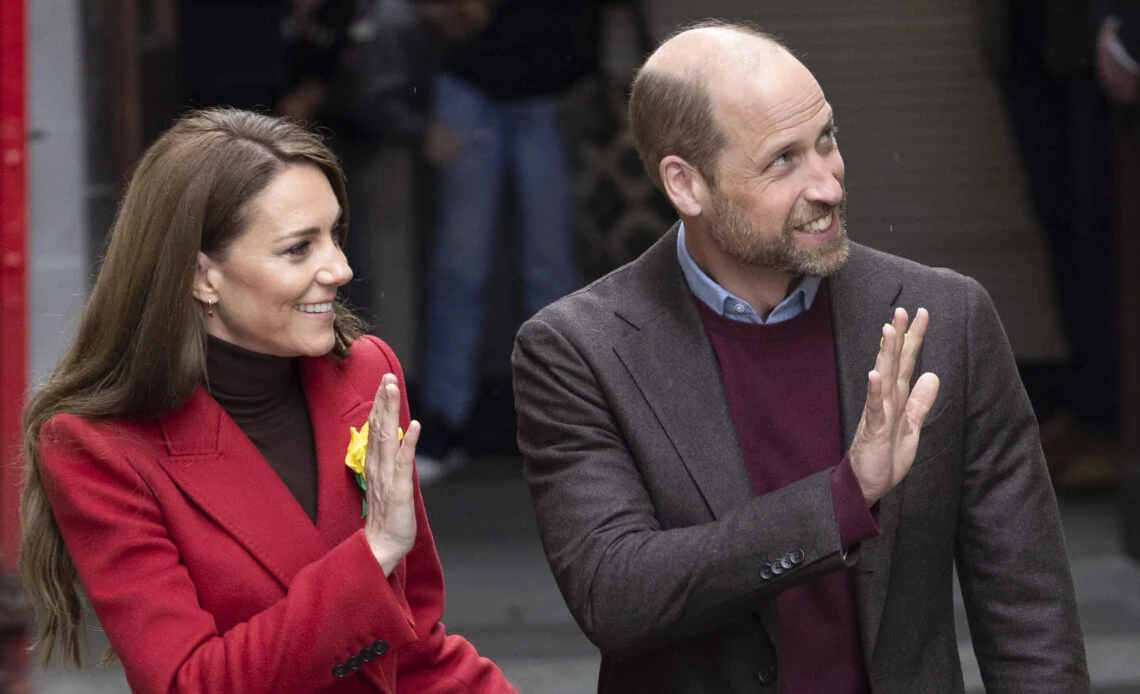
The Prince and Princess of Wales, currently undertaking official engagements at the Commonwealth Games in Glasgow, are being formally recognized by their Scottish titles, the Duke and Duchess of Rothesay. This distinction underscores Scotland’s distinct constitutional and royal traditions, a practice maintained for centuries whenever the heir to the throne is present in the country for official duties. The use of these specific titles reflects a deep-seated heritage and a unique aspect of the United Kingdom’s monarchical structure.
A Legacy of Scottish Royal Titles
The Dukedom of Rothesay, a title steeped in history, dates back over six centuries. It was first established in 1398 by King Robert III of Scotland for his eldest son, David Stewart. Since its inception, the title has been intrinsically linked to the heir apparent to the Scottish throne, a tradition formally cemented by an Act of the Parliament of Scotland in 1469. This legislation ensured that the Dukedom would consistently pass to the monarch’s eldest son and heir, solidifying its place as a foundational element of Scottish royal succession.
While the title’s prominence saw a period of diminished emphasis following the Union of the Crowns in 1603, it was Queen Victoria who revived the custom of using the title Duke of Rothesay for the heir apparent during visits to Scotland. This revival established a precedent that every subsequent heir to the throne has diligently upheld, demonstrating a continued respect for Scotland’s historical royal connection.
Prince William automatically assumed the Dukedom of Rothesay on September 8, 2022, the very moment his father, King Charles III, ascended to the throne following the passing of Queen Elizabeth II. For a brief transitional period, Prince William and Catherine were known as the Duke and Duchess of Cornwall and Cambridge, a designation reflecting their immediate new roles. This was followed by the formal creation of Prince William as the Prince of Wales by King Charles III the subsequent day, a title he and Catherine are most widely known by throughout the United Kingdom.
Beyond the Dukedom of Rothesay, the heir to the throne automatically holds a constellation of other significant Scottish honours. These include the titles Earl of Carrick, Baron of Renfrew, Lord of the Isles, and Prince and Great Steward of Scotland. The concurrent holding of these titles signifies the multifaceted royal responsibilities and historical claims vested in the heir apparent within the Scottish context.
The Commonwealth Games: A Platform for Tradition and Diplomacy
The Prince and Princess of Wales’s visit to Glasgow for the Commonwealth Games provides a significant platform to engage with the Scottish public and to highlight these important historical titles. The Commonwealth Games, a multi-sport event with origins dating back to 1930, brings together athletes from the Commonwealth of Nations, fostering camaraderie and sporting excellence. For the United Kingdom, it represents an opportunity to showcase its diverse cultural heritage and strengthen ties with Commonwealth member states.
This year’s event in Glasgow holds particular significance as it allows the royal couple to connect with athletes and officials, while simultaneously reinforcing Scotland’s unique position within the broader United Kingdom. Their presence at the Games, under their Scottish ducal titles, serves as a tangible reminder of the historical and ongoing relationship between the Crown and Scotland.
Chronology of Title Transitions
- 1398: The Dukedom of Rothesay is first created for David Stewart, eldest son of King Robert III of Scotland.
- 1469: An Act of the Parliament of Scotland formally establishes the succession to the Dukedom of Rothesay, ensuring it passes to the monarch’s eldest son and heir.
- 1603: The Union of the Crowns sees Scotland and England united under a single monarch, leading to a period where the title of Duke of Rothesay became less prominent in public discourse.
- Victorian Era: Queen Victoria revives the custom of using the title Duke of Rothesay for the heir apparent during visits to Scotland, re-establishing its significance.
- September 8, 2022: Upon the death of Queen Elizabeth II and the accession of King Charles III, Prince William automatically becomes Duke of Rothesay.
- September 2022 (brief period): Prince William and Catherine are referred to as the Duke and Duchess of Cornwall and Cambridge.
- September 9, 2022: King Charles III formally creates his son Prince William as the Prince of Wales.
- Present: During official engagements in Scotland, Prince William and Catherine are styled as the Duke and Duchess of Rothesay.
Supporting Data and Context
The historical significance of the Dukedom of Rothesay can be further contextualized by understanding the broader landscape of British royal titles. While the title "Prince of Wales" is the most commonly recognized title for the heir apparent in the United Kingdom, it is a title historically bestowed by the reigning monarch upon their eldest son. The title of Prince of Wales was formally conferred upon Prince William by his father.
In contrast, the Scottish titles, including the Dukedom of Rothesay, are not created by individual decree but are intrinsically linked to the office of the heir apparent by historical precedent and statute. This distinction highlights the layered nature of royal titles and their evolution over centuries, reflecting the distinct historical and political trajectories of the different parts of the United Kingdom.
The Commonwealth Games themselves are a significant international event, with the 2022 edition in Birmingham, England, drawing over 4,500 athletes from 72 nations and territories. While the specific attendance figures for royal family members at past Scottish-hosted Commonwealth Games are not readily available, their presence is consistently a focal point, drawing considerable media attention and public interest. The Games serve not only as a sporting spectacle but also as a diplomatic opportunity, allowing participating nations and their representatives to engage on a global stage.
Official Statements and Reactions (Inferred)
While specific official statements directly addressing the use of the Rothesay titles during this particular visit are not provided, the consistent application of these protocols by the Royal Household speaks volumes. The deliberate choice to use the Duke and Duchess of Rothesay titles for engagements in Scotland signals a conscious effort to respect and acknowledge Scotland’s unique royal heritage. This practice is generally met with approval within Scotland, seen as a gesture of recognition and respect for its distinct identity within the Union.
The focus on the Commonwealth Games as the backdrop for this official styling also allows for a broader engagement with the spirit of the Commonwealth, a union of 56 member states, most of which are former territories of the British Empire. Prince William, as a prominent figure within the Commonwealth, often uses such occasions to champion its values and foster connections. His and Catherine’s participation in the Games, therefore, carries a dual purpose: to support the athletes and to reinforce the enduring bonds within the Commonwealth and the United Kingdom.
Broader Impact and Implications
The use of the Duke and Duchess of Rothesay titles by Prince William and Catherine during their Scottish visit has several implications. Firstly, it reinforces the historical and constitutional significance of Scotland within the United Kingdom. By employing these specific titles, the Royal Family acknowledges Scotland’s distinct legal and royal traditions, fostering a sense of shared heritage and respect.
Secondly, it serves as an educational opportunity for the public, both within Scotland and beyond. Many may be unaware of the nuances of royal titling and the historical context behind the Duke of Rothesay designation. Highlighting these titles during a prominent event like the Commonwealth Games brings them to the forefront of public consciousness, enriching understanding of the monarchy’s multifaceted nature.
Furthermore, the visit allows the Prince and Princess of Wales to connect with the Scottish people on a more personal level, demonstrating their commitment to all parts of the United Kingdom. Their engagement with athletes representing Team Wales, as reported, signifies a broader commitment to supporting national teams and fostering a sense of unity across different constituent nations.
The enduring tradition of the Dukedom of Rothesay also speaks to the adaptability of the monarchy. While the titles and their usage may evolve over time, the underlying principle of respecting historical traditions and regional identities remains a cornerstone of its modern role. This careful navigation of titles and protocols ensures that the monarchy continues to resonate with a diverse populace, acknowledging the unique contributions and historical narratives of each nation within the United Kingdom. The Prince and Princess of Wales’s visit, therefore, is not merely a royal tour; it is a carefully orchestrated demonstration of historical continuity, cultural respect, and ongoing diplomatic engagement.


 Yuyun Lusiyani
 Joko Widodo
 Pevita Pearce
 admin
admin
 Lina Irawan