
 Eva Lovia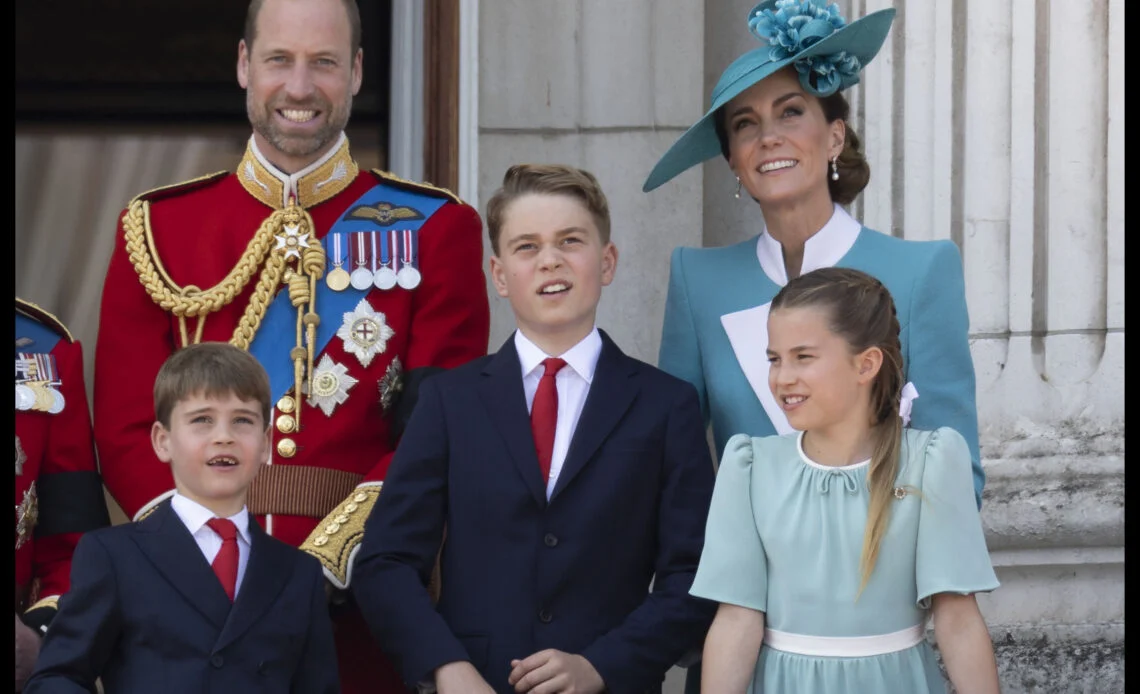
Prince George, the elder son of the Prince and Princess of Wales, has marked a significant milestone in his young royal life, undertaking his first official public engagement in Scotland. The thirteen-year-old heir, accompanied by his siblings Princess Charlotte, eleven, and Prince Louis, eight, joined their parents, the Prince and Princess of Wales, at a series of events celebrating the Commonwealth Games currently underway in Glasgow. This marks the first time the three Wales children have been publicly seen attending an official event in the historic nation.
The young royals, often shielded from the public gaze during official duties, were present at the Hydro arena to witness the thrilling netball semi-final match between Australia and Jamaica. While the family is known to spend cherished summer holidays at their private Scottish residence, Balmoral Castle in Aberdeenshire, their presence at such a high-profile public event signifies a growing engagement with their constitutional roles and the nations they will one day represent.
Prince George’s presence in Scotland carries particular weight, as he is second in line to the British throne and, by extension, is in direct line of succession to the Scottish crown. His attendance at the Commonwealth Games, a pan-national sporting event with deep historical ties to the Commonwealth realms, underscores his evolving public profile and his future responsibilities.
This occasion also served as a debut for Princess Charlotte and Prince Louis in an official capacity within Scotland. Although they have been photographed during private family visits to Balmoral, interacting with their great-grandparents, Queen Elizabeth II and Prince Philip, and their grandfather, King Charles, who annually spends a significant portion of the summer there with Queen Camilla, this marked their first official foray into public royal engagements in the country.
The Commonwealth Games, which commenced at the end of July and are scheduled to conclude on August 2, 2026, have enjoyed robust royal patronage throughout. Their Majesties King Charles III and Queen Camilla officially opened the Games, participating in a memorable and lighthearted sketch alongside Scottish sporting legend Sir Chris Hoy, arriving in a playful nod to the iconic Doctor Who police box, the Tardis. This demonstration of enthusiasm and engagement from the highest levels of the monarchy set a tone of celebration and national pride for the duration of the event.
Beyond the opening ceremony, other members of the Royal Family have been actively involved in supporting the Games. The Princess Royal, known for her long-standing dedication to sport and her role as President of the Commonwealth Games Federation, has been a visible presence at numerous events, championing various disciplines. Similarly, the Duke and Duchess of Edinburgh have been in attendance, with Prince Edward showing a particular affinity for watching the bowls competitions, a perennial favourite at the Commonwealth Games.
The Significance of Scotland in the Royal Narrative
Scotland holds a unique and deeply ingrained position within the British monarchy’s history and future. The ancient kingdom of Scotland, united with England and Wales in 1707 to form the Kingdom of Great Britain, retains its distinct legal, educational, and cultural institutions. The Royal Family has long maintained a profound connection with the country, with Balmoral Castle serving as a cherished private retreat and a symbol of this enduring bond.
The historical lineage of the British monarchy is intrinsically linked to Scotland. The Stuart dynasty, which reigned over Scotland for centuries, eventually ascended to the English throne, laying the groundwork for the modern United Kingdom. For Prince George, as the future King, understanding and engaging with the traditions and people of Scotland from a young age is an integral part of his preparation for his eventual reign. His appearance at the Commonwealth Games signifies not just a sporting endorsement, but a subtle yet powerful affirmation of his connection to Scotland as a future monarch.
Commonwealth Games: A Unifying Force
The Commonwealth Games, often referred to as the "Friendly Games," represent a significant sporting and cultural festival for the 56 member nations of the Commonwealth of Nations. First held in 1930, the Games were conceived as a way to foster goodwill and understanding between member countries through sport. They are held every four years, with each edition showcasing a diverse range of athletic talent and providing a platform for athletes from across the Commonwealth to compete on an international stage.
Glasgow, Scotland’s largest city, has a proud history of hosting major sporting events. The city’s successful bid to host the 2014 Commonwealth Games solidified its reputation as a capable and enthusiastic host. The 2026 Games, currently underway, are a testament to the continued appeal and importance of the event in bringing together diverse nations under a banner of sportsmanship and friendly competition. The presence of the Royal Family at these events underscores the Games’ significance and the monarchy’s role in celebrating unity and achievement within the Commonwealth.
The Royal Family’s Enduring Support for Sport
The British Royal Family has consistently demonstrated a deep commitment to supporting sport and physical activity. From patronages of national sporting bodies to active participation in events, members of the Royal Family serve as powerful ambassadors for the benefits of sport. The Princess Royal’s long-standing involvement with the Commonwealth Games Federation, for instance, highlights a personal passion and a dedication to promoting athletic excellence and international cooperation.
The Prince and Princess of Wales, in particular, have made promoting the well-being of young people a cornerstone of their public work, often emphasizing the role of sport and outdoor activities in physical and mental health. Their decision to bring their children to the Commonwealth Games, therefore, aligns with their broader philanthropic aims, offering the young royals valuable experiences and exposure to the positive values that sport embodies.
Implications and Future Outlook
Prince George’s first official appearance in Scotland at such a significant event is more than just a ceremonial outing. It represents a carefully orchestrated step in his royal development, introducing him to the ceremonial aspects of his future role in a context that is both celebratory and deeply relevant to his constitutional duties. As the future King, his understanding of Scotland’s unique place within the United Kingdom and the Commonwealth will be paramount.
The inclusion of Princess Charlotte and Prince Louis, while perhaps less constitutionally weighted at this stage, also serves an important purpose. It fosters a sense of shared experience and national identity within the younger generation of the Royal Family, preparing them for a lifetime of public service that will undoubtedly involve connections to Scotland.
The Commonwealth Games, with its inherent themes of unity, diversity, and athletic achievement, provides an ideal backdrop for these young royals to engage with the public in a positive and inspiring environment. Their presence, alongside their parents and other senior royals, sends a clear message of continuity and commitment from the monarchy to the Commonwealth and its constituent nations.
As the Games continue, the focus will remain on the athletic performances and the spirit of camaraderie they engender. However, the sight of the young Wales children, experiencing their first official Scottish engagement amidst this grand sporting spectacle, will undoubtedly be remembered as a poignant moment in their journey towards fulfilling their royal destinies. It is a subtle yet significant indication of the future direction of the monarchy, one that embraces tradition while actively engaging with contemporary national and international events. The integration of these young royals into public life, starting with significant milestones like this, is a strategic approach to building a relatable and enduring monarchy for generations to come.


 Yuyun Lusiyani
 Joko Widodo
 Pevita Pearce
 admin
admin
 Lina Irawan