
 admin
admin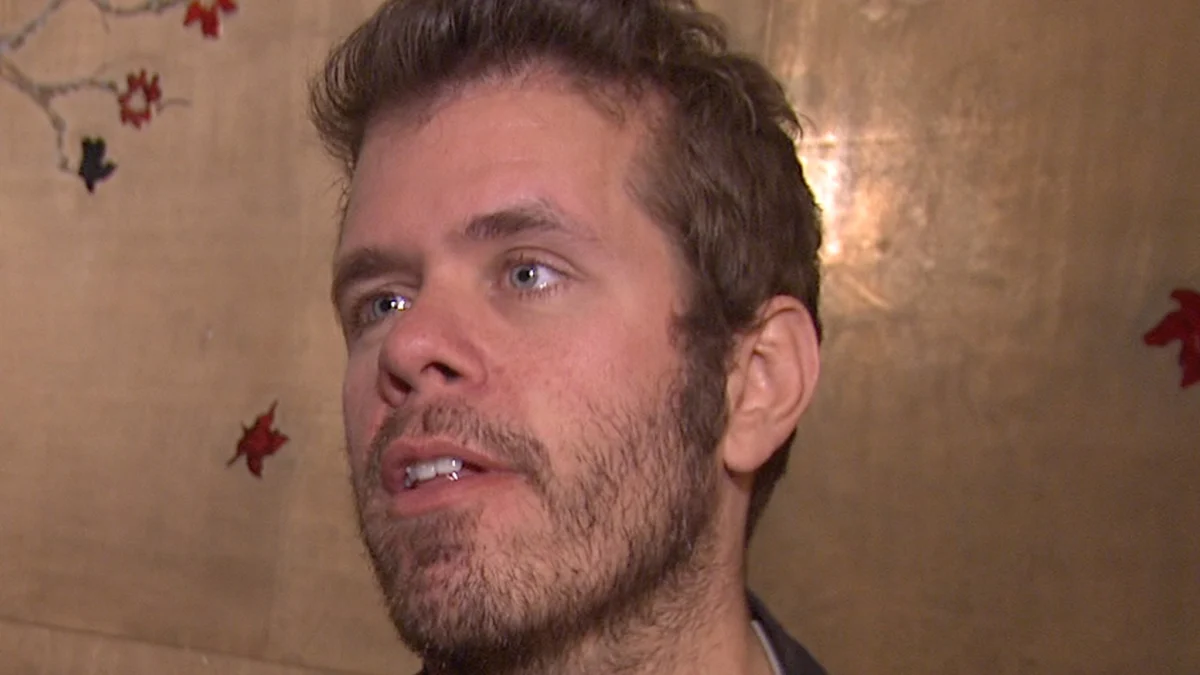
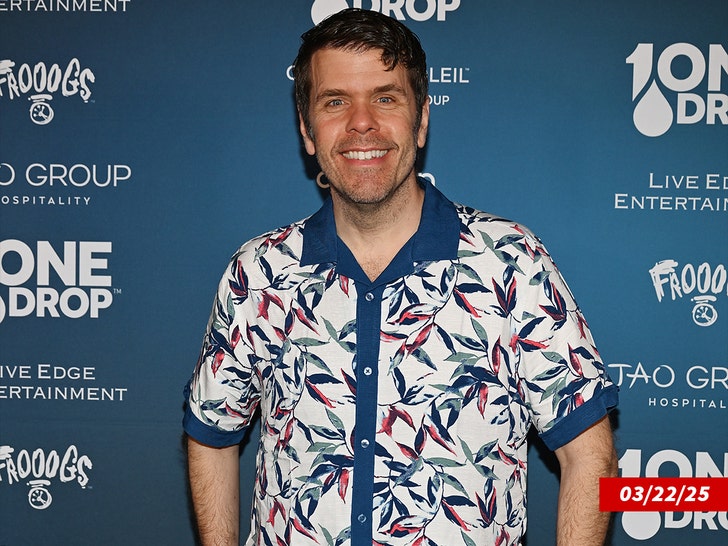
An individual believed to be prominent entertainment blogger Perez Hilton was transported to a local hospital in Miami on the evening of August 4, 2026, following a multi-agency emergency response to his residence in the Westchester neighborhood. The intervention by Miami-Dade Sheriff’s Office deputies and Miami-Dade Fire Rescue crews was prompted by multiple urgent reports of a person live-streaming acts of self-harm on social media. The incident, which unfolded over several hours, underscored the critical role of crisis intervention in mental health emergencies and reignited discussions surrounding the responsibilities of social media platforms and the intense scrutiny faced by public figures.
Emergency Response and De-escalation Efforts
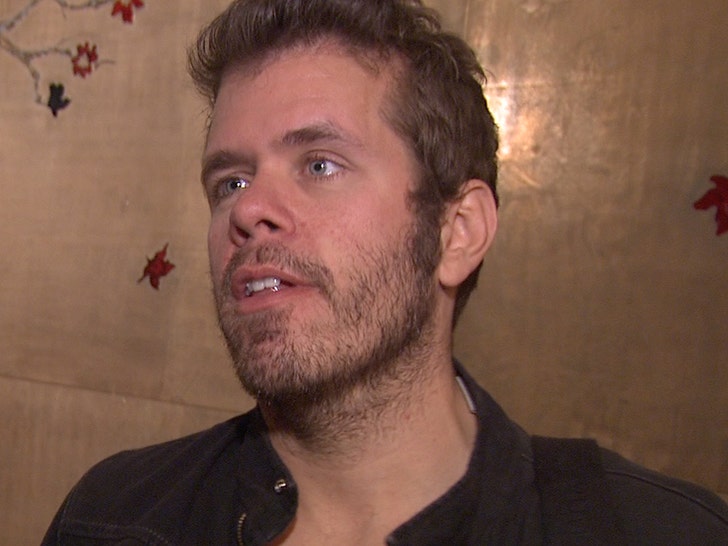
The alarming situation began to escalate when emergency services received numerous calls concerning a live social media broadcast depicting self-harm. Responding swiftly, Miami-Dade Sheriff’s Office deputies and Miami-Dade Fire Rescue personnel converged on the Westchester home. Although law enforcement officials did not immediately confirm the individual’s identity, neighbors at the scene reportedly informed NBC6 that they believed the person inside was celebrity entertainment blogger Perez Hilton, whose real name is Mario Armando Lavandeira Jr.
According to a Public Information Officer (PIO) for the Miami-Dade Sheriff’s Office, the initial reports described an individual engaged in acts of self-harm while broadcasting live to an online audience. Upon arrival, authorities found the person alone inside the residence, necessitating a careful and strategic approach. Rather than forcing an immediate confrontation, deputies, supported by the specialized Crisis Response Unit and Licensed Mental Health Professionals, initiated a de-escalation process. This strategy involved employing established crisis intervention techniques aimed at stabilizing the situation, building rapport, and safely resolving the crisis without further harm. This method, a cornerstone of modern law enforcement’s response to mental health emergencies, prioritizes dialogue and psychological support over physical intervention unless absolutely necessary.
Dispatch audio obtained by TMZ provided further insight into the developing situation, describing the patient as a 48-year-old male who was suspected of having ingested multiple prescription medications and was actively engaging in self-harm. These details amplified the urgency and complexity of the response, requiring highly trained professionals to navigate a sensitive and potentially volatile environment. The presence of mental health professionals on scene was crucial, offering real-time expertise in communicating with an individual in distress and providing immediate psychological support.
After an extended period of communication and de-escalation, the standoff eventually concluded. Paramedics were observed wheeling an individual out of the home on a stretcher, subsequently loading them into an awaiting ambulance for transport to a local hospital. The PIO later confirmed, "The individual has been safely recovered and transported by Miami-Dade Fire Rescue to a local hospital, where he is receiving medical attention." Furthermore, the statement highlighted ongoing support efforts: "The Miami-Dade Sheriff’s Office Crisis Response Unit and Licensed Mental Health Professionals are also on scene providing support and resources to the individual’s family." As of the latest update, authorities have not released the individual’s condition or provided additional specific details regarding the events that led to the incident, stating that the investigation remains ongoing.
The Persona Behind the Headlines: Perez Hilton’s Journey
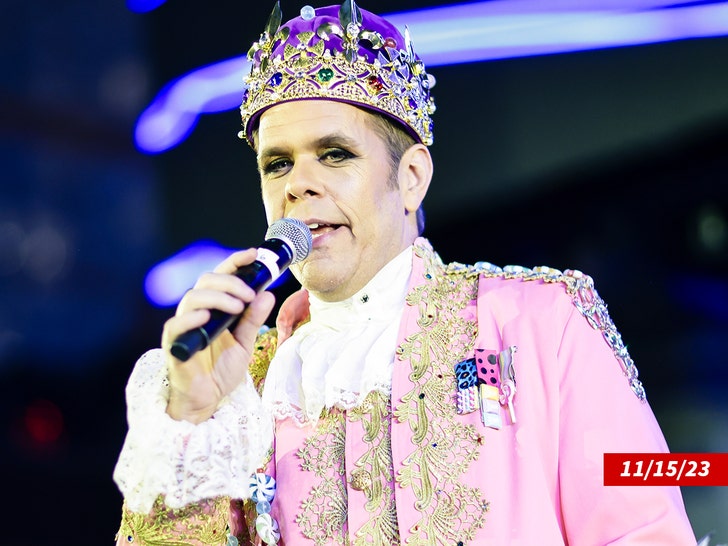
Mario Armando Lavandeira Jr., widely known by his pseudonym Perez Hilton, rose to prominence in the early 2000s as a trailblazing, often controversial, celebrity gossip blogger. His website, PerezHilton.com, became a daily must-read for millions, characterized by its distinctive "doodles" on celebrity photos and Hilton’s often biting, no-holds-barred commentary on Hollywood’s elite. Born on March 23, 1978, in Miami, Florida, Hilton quickly carved out a niche in the burgeoning digital media landscape, transforming celebrity news consumption and influencing a generation of online personalities.
His career, however, has been a rollercoaster of immense success, public adoration, and significant backlash. Hilton’s provocative style, which included "outing" celebrities and engaging in highly critical commentary, often sparked heated debates about privacy, media ethics, and the power of online gossip. While his brand of commentary initially propelled him to superstardom, earning him appearances on television shows and securing his status as a red carpet fixture, it also led to numerous legal threats, public feuds with celebrities, and accusations of bullying.
In later years, Hilton notably attempted to pivot his public image, expressing remorse for past behaviors and advocating for anti-bullying initiatives. He also embraced fatherhood, often sharing glimpses of his family life, which presented a stark contrast to his earlier persona. This evolution, while met with mixed reactions from the public and media, underscored a perceived shift towards a more responsible and introspective public figure. His foray into podcasts, reality television, and even Broadway, demonstrated a continued presence in the entertainment sphere, albeit with a less overtly inflammatory approach. The recent incident therefore comes as a stark reminder of the often-unseen struggles that can affect even the most public and seemingly resilient personalities, regardless of their past controversies or attempts at personal reinvention.
The Broader Implications: Livestreamed Self-Harm and Social Media Responsibility
The incident involving Perez Hilton brings into sharp focus the increasingly prevalent and deeply troubling phenomenon of live-streamed self-harm on social media platforms. In recent years, there has been a concerning rise in individuals using platforms like TikTok, Instagram, and Facebook Live to broadcast moments of personal crisis, including suicidal ideation and acts of self-harm. This trend presents a multifaceted challenge for social media companies, law enforcement, mental health professionals, and the general public.
For social media platforms, the immediate detection and moderation of such content are paramount. Most major platforms have strict policies prohibiting content that promotes or depicts self-harm. However, the real-time nature of live streaming makes enforcement incredibly difficult. Algorithms designed to flag problematic content can be slow, and human moderators, despite their best efforts, cannot monitor every live stream instantaneously. This creates a critical window where vulnerable individuals can broadcast their distress, potentially influencing others or causing significant emotional trauma to viewers.
The role of viewers in these situations is also crucial. Many platforms encourage users to report live streams depicting self-harm, triggering an internal review process and, in some cases, direct intervention from the platform. These reports can also serve as vital early warnings to emergency services, as seen in the Perez Hilton incident where "multiple calls" from concerned viewers initiated the law enforcement response. While the intention of the individual broadcasting may be a cry for help, the act itself can be deeply disturbing and poses ethical dilemmas regarding documentation, intervention, and the potential for glorification or normalization of self-harm.
Beyond the immediate crisis, these incidents spark vital conversations about the mental health support systems available online and offline. There is an ongoing debate about how platforms can better integrate mental health resources, provide proactive support to users identified as at-risk, and work more effectively with law enforcement and mental health organizations to prevent such tragedies. The digital age has blurred the lines between public and private distress, making the development of comprehensive, collaborative strategies more urgent than ever.
Mental Health Crisis Among Public Figures
The incident highlights the intense pressures and mental health challenges often faced by public figures. While celebrity status might appear glamorous, it frequently comes with overwhelming scrutiny, constant public judgment, and a profound lack of privacy. These factors can exacerbate existing mental health vulnerabilities or trigger new ones. Studies consistently show that individuals in the public eye are not immune to mental health issues, with many reporting struggles with anxiety, depression, and substance abuse.
The expectation to maintain a certain image, coupled with the relentless cycle of media attention and social media commentary, can create an isolating environment. For a personality like Perez Hilton, who built his career on public engagement and, at times, controversy, the boundaries between his public persona and private self may have become particularly blurred. This can make it incredibly difficult to seek help discreetly or to process personal struggles away from the glare of public opinion.
The involvement of Miami-Dade Sheriff’s Office Crisis Response Unit and Licensed Mental Health Professionals in this case is a testament to the evolving understanding of law enforcement’s role in mental health crises. Instead of a purely punitive or confrontational approach, there is a growing recognition that mental health emergencies require a compassionate, therapeutically informed response. These specialized units are trained to de-escalate situations, assess mental state, and facilitate access to appropriate medical and psychological care, moving away from past practices that often resulted in criminalization rather than treatment for individuals in distress.
This integrated approach not only benefits the individual in crisis but also helps to reduce stigma surrounding mental health. By treating a mental health emergency with the same seriousness and specialized care as a physical emergency, society reinforces the message that mental health is health.
The Road Ahead: Support, Privacy, and Public Discourse
As the investigation into the incident involving Perez Hilton continues, several layers of discussion emerge. The immediate concern remains the well-being of the individual involved. The swift and professional response by Miami-Dade authorities, including the deployment of mental health professionals, offers a template for how communities can better address such sensitive situations. It underscores the critical importance of specialized training for emergency responders and the integration of mental health experts into crisis intervention teams.
Beyond the individual, this event will undoubtedly fuel further public discourse on mental health awareness, particularly within the context of celebrity culture. It serves as a stark reminder that behind every public persona lies a human being, susceptible to the same vulnerabilities and struggles as anyone else, often amplified by the unique pressures of fame. There will likely be renewed calls for greater compassion and understanding, and perhaps even for more robust support systems for public figures navigating intense personal challenges.
Furthermore, the incident raises questions about the balance between public interest and personal privacy, especially when an event unfolds on a public platform like a live stream. While the act of broadcasting self-harm itself blurs the lines of privacy, the subsequent reporting and public reaction necessitate careful consideration of ethical boundaries and the potential for further harm. Media outlets, in particular, face the challenge of reporting on such sensitive events responsibly, providing necessary information without sensationalizing or contributing to the distress of the individual or their family.
In the aftermath of such a public and concerning event, the availability and accessibility of mental health resources become even more critical. The reminder to call or text 988, or chat 988lifeline.org, is a crucial public service announcement. These helplines provide confidential support for individuals struggling with mental health crises, offering a lifeline in moments of despair. The incident serves as a powerful, albeit distressing, opportunity to reinforce the message that help is always available and that no one should suffer in silence. The investigation will continue, but the broader impact of this event on public consciousness surrounding mental health, celebrity, and social media responsibility is likely to resonate for some time.


 Yuyun Lusiyani
 Joko Widodo
 Eva Lovia
 Pevita Pearce

 Lina Irawan