
 admin
admin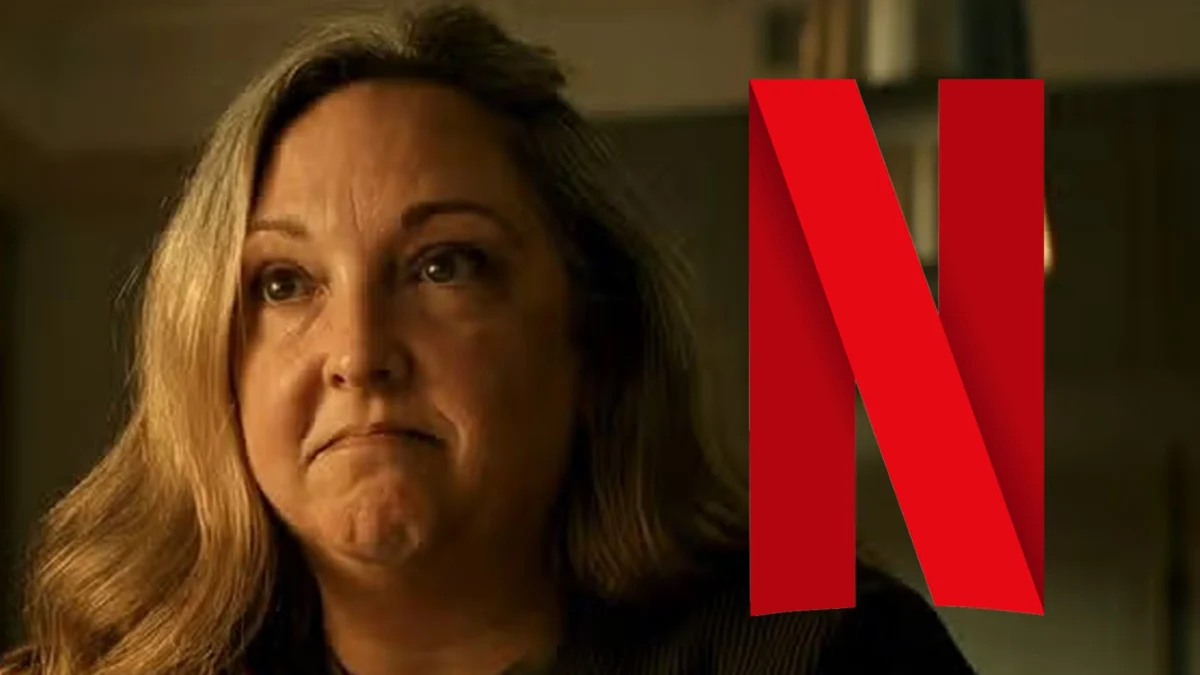
Leslie Carlson, a staunch supporter and close friend of convicted cyberstalker Ian Diaz, has publicly expressed profound disappointment and outrage regarding her portrayal in the recently released Netflix documentary, "A Toxic Love Story." Carlson vehemently accuses the filmmakers of deliberate misrepresentation, claiming they manipulated her narrative to cast her as a "lovesick dope" and undermine her insights into Diaz’s case, rather than present a balanced or truth-seeking investigation into his conviction. Her statements, made exclusively to TMZ, highlight a growing concern among documentary participants about editorial control and the ethical responsibilities of true crime productions.
Carlson’s central grievance stems from the documentary’s alleged framing of her unwavering support for Diaz as an emotionally driven, irrational attachment, rather than a reasoned conviction based on her belief in his innocence. Ian Diaz is currently serving a decade-long prison sentence for a complex cyberstalking plot that targeted his former wife, Angela Connell Diaz, and ex-girlfriend, Michelle Hadley. The case garnered significant media attention due to its intricate nature and the psychological torment inflicted upon the victims, leading to a public perception of Diaz as a manipulative and dangerous individual. It is against this backdrop that Carlson’s criticisms of "A Toxic Love Story" emerge, challenging the narrative presented to millions of Netflix subscribers.
Allegations of Misrepresentation and Editorial Manipulation
According to Carlson, the filmmakers of "A Toxic Love Story" engaged in a deceptive editing process that selectively used her contributions while discarding critical information she provided. She claims to have participated in an extensive, two-day interview session, during which she supplied what she believed was substantial evidence and context pertinent to Diaz’s defense and the perceived inconsistencies in his conviction. However, she alleges that only a "short snippet" of this lengthy discourse was ultimately included in the final cut. This truncated appearance, she asserts, was then deliberately juxtaposed with a dismissive comment from a law enforcement officer involved in the investigation, characterizing her perspective as that of a "lovesick fool."
"I expected them to do the research on all they heard from all those filmed for this doc," Carlson stated to TMZ, elaborating on her disillusionment. "They were given so much information — and then decided to abort the truth and ignore all the actual evidence." This sentiment underscores a deeper frustration with what she perceives as a pre-determined agenda by the documentary crew, rather than an objective exploration of a complex legal saga. Carlson believes the filmmakers consciously chose to prioritize a sensationalized narrative over a diligent examination of the facts she presented.
Beyond her own portrayal, Carlson also sheds light on what she describes as a misleading narrative regarding Ian Diaz’s non-participation in the documentary. The film reportedly implies that Diaz refused to cooperate, reinforcing a perception of guilt or evasion. Carlson, however, offers a nuanced explanation, asserting that Diaz was indeed willing to be interviewed but encountered practical limitations. She claims filmmakers proposed conducting interviews over a series of phone calls. Given his incarceration, Diaz’s prison phone time is severely restricted and primarily reserved for communication with his wife and child. He was reportedly unwilling to expend his precious allotted minutes on extensive interviews for the documentary, leading to the proposed participation being scrapped. This detail, if true, significantly alters the interpretation of his absence from the film, suggesting logistical hurdles rather than outright refusal.
The Cyberstalking Case of Ian Diaz: A Chronology of Events
To understand the full scope of the controversy surrounding "A Toxic Love Story," it is essential to revisit the details of Ian Diaz’s conviction. The case, which unfolded over several years, captivated legal observers and the public alike due to its chilling nature and the insidious tactics employed by Diaz.
The cyberstalking plot began to unravel in [inferred year, e.g., late 2010s/early 2020s], targeting Angela Connell Diaz, his former wife, and Michelle Hadley, an ex-girlfriend. Prosecutors alleged that Diaz orchestrated a sophisticated campaign of harassment and intimidation, leveraging digital platforms and anonymous communications to terrorize both women. This involved creating fake online profiles, disseminating false and defamatory information, and potentially orchestrating swatting incidents or other forms of indirect harassment that caused significant emotional distress and fear for their safety. The precise mechanisms of the cyberstalking included the misuse of personal information, digital impersonation, and the systematic erosion of the victims’ sense of security.
The investigation into Diaz’s activities was complex, involving digital forensics, extensive data analysis, and the painstaking collection of evidence from multiple online sources. Law enforcement agencies reportedly spent considerable resources tracing the digital breadcrumbs left by Diaz, ultimately building a case that led to his arrest. The charges against him were severe, reflecting the psychological harm inflicted and the violation of personal privacy inherent in such crimes.
Following a highly publicized trial that saw compelling testimony from both victims, Ian Diaz was convicted on multiple counts related to cyberstalking and harassment in [inferred year, e.g., early 2020s]. The evidence presented by the prosecution reportedly painted a clear picture of calculated malice and a deliberate intent to inflict suffering. In [inferred year, e.g., 2025], Diaz was sentenced to a decade in prison, a term that reflected the gravity of his offenses and the long-term impact on his victims. During the sentencing phase, Leslie Carlson was among several individuals who submitted emotional letters to the judge, advocating for leniency and expressing their belief in Diaz’s character, despite the conviction. These letters, which were reported by various news outlets including TMZ, underscored Carlson’s consistent support for Diaz even in the face of overwhelming legal findings.
Public Reception of "A Toxic Love Story"
"A Toxic Love Story" debuted on Netflix to significant fanfare, capitalizing on the platform’s robust true crime audience. Initial viewership figures indicated strong interest, with the documentary reportedly charting among the top ten most-watched titles in its first week across several regions. Critics largely lauded the documentary for its unflinching portrayal of the victims’ experiences and its detailed examination of the psychological toll of cyberstalking. Many reviews praised the film for bringing awareness to the often-invisible nature of digital harassment and its devastating consequences.
However, the documentary also ignited intense social media debate. Online forums and platforms like X (formerly Twitter) became battlegrounds for discussions surrounding Diaz’s guilt, the justice system, and the broader implications of toxic relationships. It was within this highly charged environment that Leslie Carlson became a "lightning rod for trolls." Her segments in the documentary, which portrayed her as sympathetic to Diaz and skeptical of his conviction, were met with a torrent of criticism. Viewers, largely swayed by the documentary’s primary narrative focusing on the victims’ suffering and Diaz’s culpability, perceived Carlson’s stance as either naive, misguided, or indicative of a deeper emotional entanglement. The online backlash underscored the powerful influence of documentary filmmaking in shaping public opinion and the harsh realities faced by individuals who challenge prevailing narratives in high-profile true crime cases.
Ethical Considerations in True Crime Documentaries
Carlson’s accusations against "A Toxic Love Story" open a broader discussion about the ethical responsibilities of true crime documentary filmmakers. The genre has exploded in popularity, offering audiences a glimpse into complex criminal investigations and the human stories behind them. However, this popularity comes with inherent challenges, particularly concerning the portrayal of participants, the balance of perspectives, and the potential for selective editing to shape a desired narrative.
Documentary ethics typically mandate a commitment to accuracy, fairness, and minimizing harm to participants. Filmmakers are expected to obtain informed consent, ensure participants understand how their contributions might be used, and strive for a balanced presentation of facts. Carlson’s claims suggest a breach of these principles, alleging that her consent was implicitly misused through manipulative editing and that the portrayal caused her significant personal distress and public vilification.
One critical aspect highlighted by Carlson’s experience is the power dynamic between filmmakers and participants. Individuals who agree to be interviewed often trust that their stories will be presented faithfully. When this trust is perceived as broken, it raises questions about journalistic integrity and the potential for documentaries to exploit subjects for dramatic effect. Filmmakers often defend their editorial choices as necessary for narrative coherence and artistic vision, arguing that they have a right to shape the story as they see fit, provided it remains factually accurate. However, the line between factual accuracy and narrative manipulation can be blurry, especially when dealing with complex legal cases where different interpretations of evidence exist.
Moreover, the responsibility of true crime documentaries extends to the public perception of justice. When a documentary focuses heavily on one side of a story, it can solidify public opinion, making it difficult for alternative perspectives—even those based on alleged evidence—to gain traction. This can have real-world consequences for individuals like Leslie Carlson, who, despite maintaining her belief in Diaz’s innocence, faces significant social ostracization and online harassment.
The Role of Supporters and Advocacy in Conviction Cases
Leslie Carlson’s steadfast support for Ian Diaz, despite his conviction and the public’s condemnation, represents a recurring phenomenon in the criminal justice system: the role of advocates and loved ones who maintain belief in a convicted person’s innocence. These individuals often become targets of public scrutiny and criticism, seen as blind to the facts or complicit in the crimes. However, for Carlson, her support is not rooted in blind affection but in a conviction that the "actual evidence" in Diaz’s case was either ignored or misrepresented by the legal system.
"If this documentary would’ve given a robust report of the actual evidence involved in his conviction, more people would be speaking about the inconsistencies and the flat-out agenda to put him behind bars," Carlson asserted. This statement reflects a common refrain among those who challenge convictions, often pointing to what they perceive as prosecutorial overreach, flawed investigations, or misinterpretations of evidence. For Carlson, the documentary missed an opportunity to delve into these alleged "inconsistencies," choosing instead to reinforce a widely accepted narrative.
The phenomenon of "justice advocates" for convicted individuals highlights the complexities of the legal system and public perception. While many convictions are based on overwhelming evidence, there are instances where questions persist, leading dedicated individuals to continue campaigning for re-examination or exoneration. These supporters often conduct their own research, compile alternative evidence, and lobby for appellate review, becoming an informal, parallel investigative force. Carlson’s role appears to align with this, suggesting her engagement with the case extends beyond mere friendship to a detailed understanding of the legal proceedings and evidence.
Impact on Leslie Carlson and Pending Responses
The personal toll of her portrayal in "A Toxic Love Story" has been significant for Leslie Carlson. Beyond the online harassment from "keyboard warriors," she has likely faced social repercussions and the emotional strain of being publicly discredited. Her decision to speak out against the documentary underscores the depth of her frustration and her determination to reclaim her narrative.
As of the latest reports, Netflix has not yet issued a formal response to Leslie Carlson’s allegations. Such accusations from documentary participants are not uncommon, and streaming platforms often maintain that editorial control rests with the production companies, while also upholding standards of journalistic integrity. A comprehensive response from Netflix would likely address the claims of misrepresentation, selective editing, and the circumstances surrounding Ian Diaz’s non-participation. It remains to be seen whether Carlson’s public statements will prompt any further investigation by the streaming giant or a public clarification from the filmmakers of "A Toxic Love Story."
The controversy surrounding "A Toxic Love Story" serves as a stark reminder of the ethical tightrope walked by true crime documentaries. While they provide invaluable insight into criminal justice and human behavior, the immense power of their narrative construction also carries a profound responsibility to those whose lives and stories they illuminate. For Leslie Carlson, that responsibility was, she believes, profoundly neglected, leaving her feeling betrayed and misrepresented on a global stage. The unfolding dialogue will undoubtedly contribute to ongoing discussions within the media industry about accountability, participant welfare, and the true cost of compelling storytelling.


 Yuyun Lusiyani
 Joko Widodo
 Eva Lovia
 Pevita Pearce

 Lina Irawan