
 Eva Lovia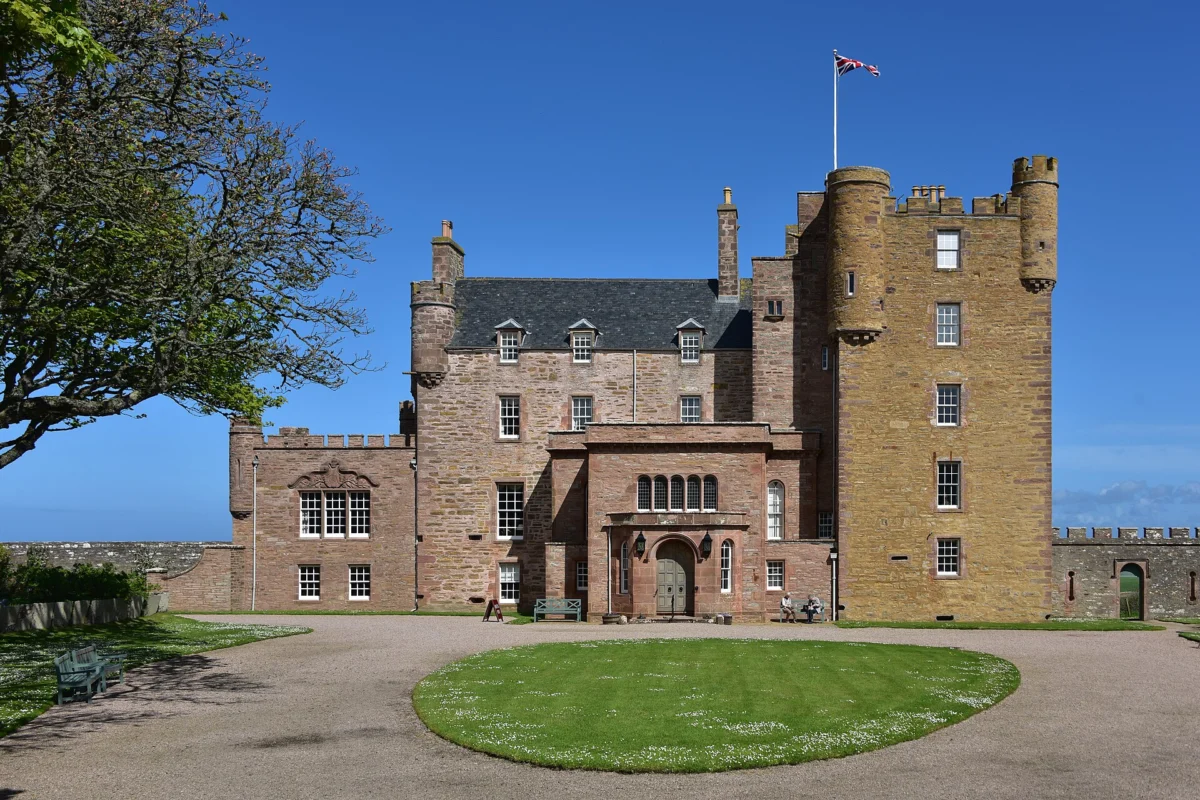
King Charles III continues a cherished royal tradition this August, spending time at the remote Castle of Mey in Caithness, a windswept estate steeped in both royal history and an enduring local legend. While the castle is celebrated as a beloved Scottish retreat for the Royal Family, particularly Queen Elizabeth The Queen Mother, it is also a site of one of Scotland’s most persistent ghost stories: that of "The Green Lady." This spectral figure is said to haunt the upper floors of the historic castle, adding an element of intrigue to its already rich tapestry of human history.
A Legacy of Royal Affection and Remote Beauty
The Castle of Mey, originally known as Barrogill Castle, holds a unique place in the hearts of the Royal Family. Its story as a royal residence began in 1952, when Queen Elizabeth The Queen Mother purchased the property following the death of her husband, King George VI. This was a period of profound personal loss for the then-Queen Mother, and the purchase of the castle, then in a state of disrepair, marked the beginning of a significant new chapter. She personally oversaw its restoration and refurbishment, transforming it into her cherished sanctuary. For nearly half a century, she spent a portion of each summer at Mey, finding solace and enjoyment in its rugged coastal setting and the quietude it offered.
This tradition has been meticulously maintained by her grandson, King Charles III. Since taking ownership and responsibility for the estate, His Majesty has continued to dedicate time to the Castle of Mey each August, honouring his grandmother’s deep affection for the location. The castle is now managed by The King’s Foundation, a charity established by the King to promote education and conservation, ensuring the estate’s heritage is preserved and shared. The ongoing royal presence underscores the castle’s enduring significance as a symbol of family connection and a place of respite from the demands of public life.
The Legend of The Green Lady: A Tale of Forbidden Love and Tragic Loss
The spectral whispers surrounding the Castle of Mey are predominantly linked to "The Green Lady," a phantom figure reportedly seen and felt on the castle’s upper floors. The legend, passed down through generations of staff and visitors, centres on the tragic tale of Lady Fanny Sinclair, the sole daughter of the 14th Earl of Caithness.
Two prominent versions of her story circulate, both culminating in a deeply sorrowful end. The first narrative suggests that Lady Fanny fell deeply in love with a stable hand on the estate. Their romance, however, was deemed unacceptable by her father, the Earl, who was vehemently opposed to the union. Upon discovering the forbidden relationship, he reportedly banished the young man from the estate, severing their connection. Heartbroken and consumed by despair, Lady Fanny is said to have spent her days waiting by her bedroom window, desperately hoping for her lover’s return. When her hopes were dashed, the legend claims she tragically took her own life by leaping from the window.
A second, equally poignant version of the tale posits that Lady Fanny and her lover attempted to elope. Their plan, however, was discovered before they could escape. As punishment, Lady Fanny was allegedly confined to a room on the castle’s upper floor. It was from this room, locked away from her beloved, that she is said to have leapt to her death.
Regardless of the specific details of her plight, both versions of the legend agree on the tragic outcome and the enduring sorrow that has become intrinsically linked to her memory and the castle itself. The consistent element across these narratives is the sense of heartbreak, betrayal, and ultimate despair that led to her demise.
Encounters and Unexplained Phenomena at Mey
The enduring power of the Green Lady legend is sustained by a consistent stream of reported unexplained phenomena by those who have spent time at the Castle of Mey. Visitors and staff alike have shared accounts of unsettling experiences that contribute to the castle’s reputedly haunted atmosphere.
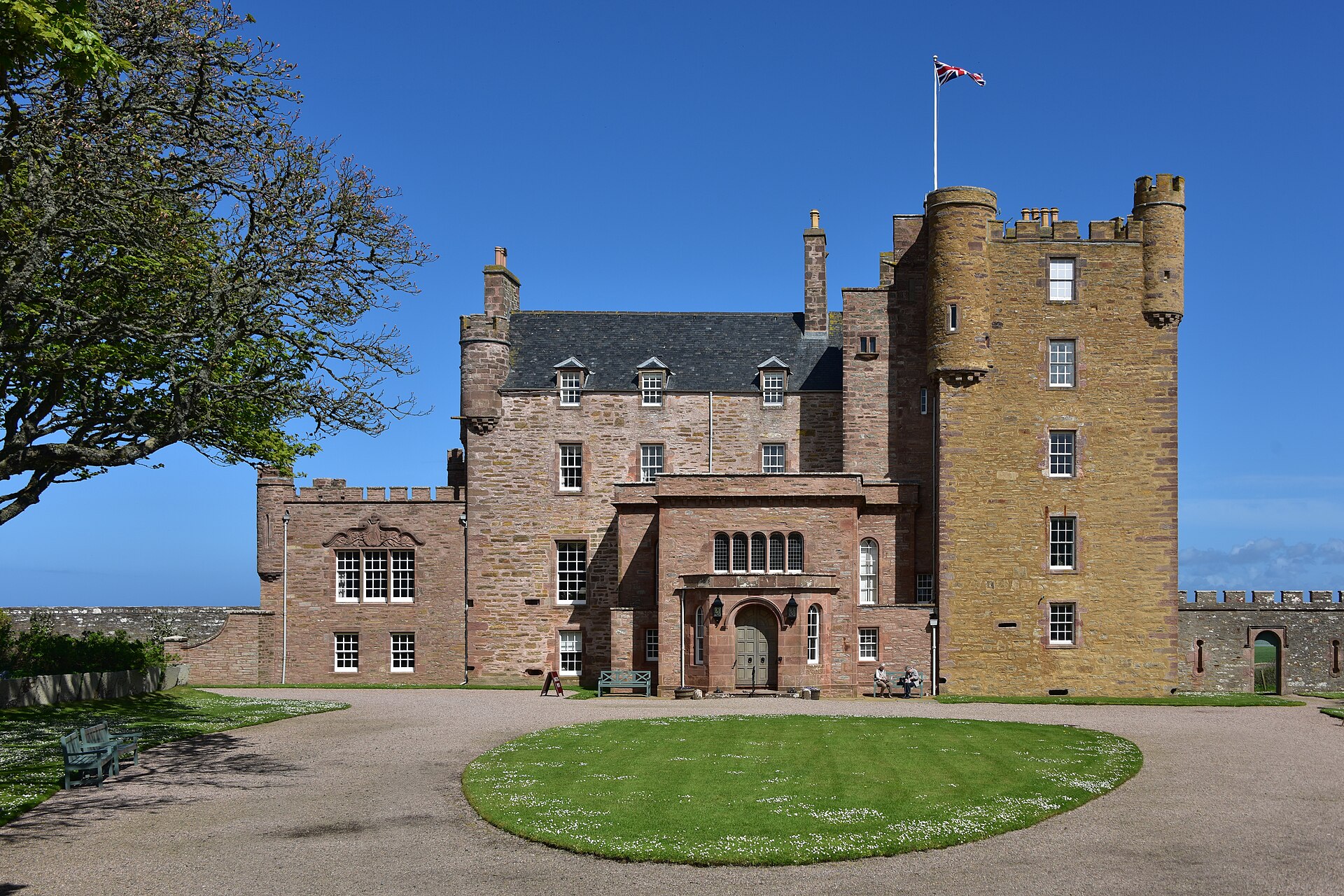
Reports often speak of a palpable sense of an unseen presence on the upper floors, a feeling of being watched or accompanied by something intangible. More concrete occurrences have also been noted, including doors that mysteriously open or close on their own, and lights that inexplicably switch off, even when no one is present. These events, while often attributed to natural causes or the quirks of an old building, fuel the persistent belief in a supernatural inhabitant.
The room most closely associated with the Green Lady’s alleged haunting is situated on the castle’s uppermost level. It is a space that some members of the staff have admitted to feeling a sense of unease in, particularly when alone. This reluctance to spend time in that particular area, coupled with the eerie tales, amplifies the mystique surrounding the location.
Further adding to the intrigue is a specific window on the upper floor that has long been bricked up. While there could be practical architectural reasons for this alteration, for those fascinated by the Green Lady’s story, the sealed window becomes a potent symbol, often interpreted as an attempt to contain or prevent further tragedies, or perhaps even to hide evidence of the fateful leap. This architectural detail, whether by design or coincidence, has become a focal point for speculation and reinforces the visual narrative of the ghost story.
Folklore vs. Fact: The Nature of Belief
It is crucial to acknowledge that, from a purely factual standpoint, there is no concrete, verifiable evidence to substantiate claims that the Castle of Mey is genuinely haunted. The story of The Green Lady exists within the realm of local folklore and legend, a captivating narrative woven into the fabric of the castle’s history rather than an established historical fact.
However, the persistence and widespread nature of these tales speak volumes about the power of storytelling and the human inclination to find meaning and narrative in the unexplained. The legend of The Green Lady has undoubtedly become one of the most intriguing and talked-about aspects of the Castle of Mey’s rich past, drawing interest and curiosity from visitors and paranormal enthusiasts alike. It adds a layer of mystique and romantic tragedy to the already compelling historical narrative of the estate.
The Castle of Mey: A Timeline of Significance
The history of the Castle of Mey is marked by several key periods:
- Pre-1952: The castle, then known as Barrogill Castle, was a private residence, its ownership shifting over time, though it was not a significant royal landmark.
- 1952: Queen Elizabeth The Queen Mother purchases the castle following the death of King George VI. This marks the beginning of its transformation into a cherished royal retreat.
- 1950s-1990s: Queen Elizabeth The Queen Mother undertakes extensive restoration and renovation of the castle. It becomes her primary summer residence, a place of peace and enjoyment.
- 2002: Queen Elizabeth The Queen Mother passes away. The ownership and management of the Castle of Mey transition to King Charles III.
- Post-2002: King Charles III continues the tradition of spending time at the castle each August. The estate is placed under the stewardship of The King’s Foundation.
- Present Day: The Castle of Mey remains an active royal retreat and a significant historical site, open to the public for parts of the year, allowing visitors to experience its beauty and learn about its royal connections, while the legend of The Green Lady continues to capture imaginations.
The Enduring Appeal of Royal History and Local Lore
The Castle of Mey’s enduring appeal lies in its dual nature: it is a tangible link to a beloved monarch and a captivating piece of Scottish heritage, while also being a focal point for a compelling ghost story. The presence of the Royal Family, particularly King Charles III, ensures its continued prominence and upkeep. The managed tours and visitor experiences offered by The King’s Foundation allow the public to step back in time, to appreciate the architectural grandeur, the stunning coastal scenery, and to gain an insight into the private life of Queen Elizabeth The Queen Mother.
The legend of The Green Lady, while unproven, serves to further enchant the castle. It taps into a universal fascination with the supernatural, with tales of love, loss, and lingering spirits. This folkloric element adds a layer of mystery and human drama that resonates with many, transforming a historical estate into a place of potential spectral encounters. The contrast between the regal history and the melancholic ghost story creates a unique and captivating narrative that continues to draw people to this remote corner of Scotland. The castle stands not just as a monument to royal affection, but as a canvas for enduring human stories, both historical and whispered.


 Yuyun Lusiyani
 Joko Widodo
 Pevita Pearce
 admin
admin
 Lina Irawan