
 Eva Lovia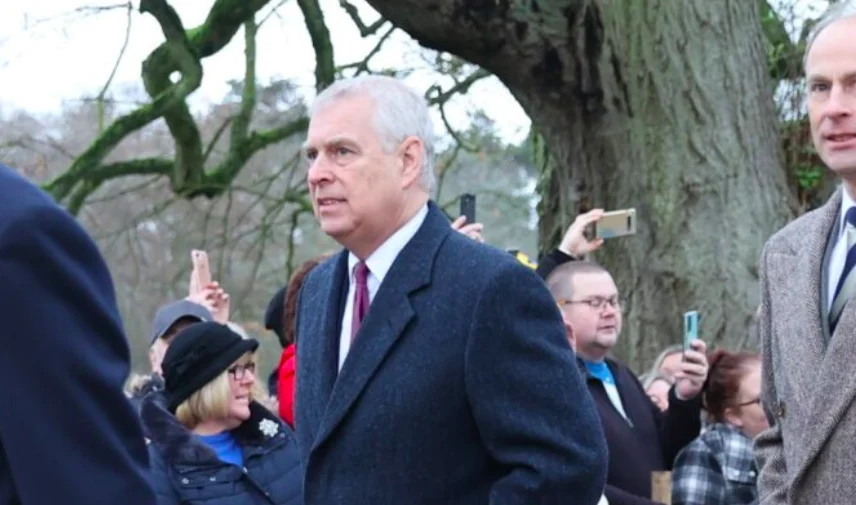
Prince Andrew Mountbatten-Windsor has provided a detailed account of a distressing incident where he claims he was pursued by a masked individual near his Sandringham residence, a revelation that emerged during a recent court hearing. The former Duke of York’s witness statement was formally presented at Westminster Magistrates’ Court on Thursday, detailing the alleged encounter with Alex Jenkinson, 39, who stands accused of causing Andrew to fear unlawful violence. The incident is said to have occurred on May 6th, with Jenkinson vehemently denying the charges.
The Alleged Confrontation: A Witness Statement Unveiled
The former Duke of York’s meticulously prepared witness statement, read aloud in court, paints a vivid picture of the unnerving experience. Prince Andrew recounted his routine dog-walking activity on the Sandringham estate, a sprawling royal property steeped in history and family tradition. During his walk, he observed a vehicle that he suspected belonged to persistent paparazzi, a familiar nuisance for members of the Royal Family.
Following the departure of his security detail, who had apparently driven past the suspicious car, Prince Andrew’s attention was drawn to a man. This individual, crucially, was described as wearing a balaclava, a garment that immediately heightened the sense of unease. The Duke noted the man appeared "out of place," an observation that underscored the unusual nature of the encounter. The situation then took a more alarming turn when Prince Andrew noticed a loose dog running towards the man in the balaclava. It was at this juncture that the situation escalated significantly.
Prince Andrew’s statement continued, articulating the perceived realization of his identity by the masked man: "Then he realised who I was and began to sprint after my vehicle." This phrase encapsulates the fear and apprehension that the former Duke reportedly experienced, suggesting a direct and deliberate pursuit.
Legal Proceedings: The Path to Trial
Prince Andrew’s testimony is anticipated to be a cornerstone of Alex Jenkinson’s criminal trial, which is slated to commence on December 21st. The former Duke is expected to provide his evidence remotely, likely via video link, a common practice in modern court proceedings to facilitate witness participation and ensure security.
Thursday’s hearing, however, was marked by an unusual circumstance. Alex Jenkinson was denied entry to Westminster Magistrates’ Court because he had brought his dog with him. His solicitor, Claire Howell, informed the court that the animal was a support dog, intended to assist her client, who suffers from ADHD and is currently experiencing homelessness. However, Ms. Howell conceded that she lacked the requisite medical evidence to substantiate this claim.
Deputy Chief Magistrate Tan Ikram delivered a decisive ruling, stating that the dog could not be admitted into the courtroom. He emphasized the court’s requirement for verifiable evidence before granting such accommodations, highlighting the protocol for recognizing assistance animals.
Alex Jenkinson’s Plea and Broader Allegations
Alex Jenkinson has formally pleaded not guilty to the public order allegation specifically involving Prince Andrew. This denial signifies his intention to contest the accusation that he caused the Duke to fear unlawful violence.
Furthermore, Jenkinson faces a separate charge. He denies using threatening, abusive, or insulting words or behaviour with the intent to cause fear or provoke unlawful violence against another man. This separate incident allegedly occurred in King’s Lynn on May 5th, a day prior to the encounter with Prince Andrew.
Restraining Orders and Royal Residences
The legal entanglement does not end with the current charges. Suffolk Police are actively pursuing a Stalking Protection Order against Jenkinson. Such orders are designed to protect individuals from further harassment and stalking behaviour.
Currently, Jenkinson is on conditional bail. The terms of his bail are stringent and include significant restrictions. He is explicitly prohibited from approaching Prince Andrew, either directly or indirectly, and is forbidden from contacting him through any means. Additionally, his bail conditions prevent him from entering Norfolk, the county where Sandringham is located, and from visiting a number of prominent royal residences. These restricted locations include Sandringham itself, Buckingham Palace, Balmoral Castle, Windsor Castle, and Highgrove House. These restrictions underscore the perceived seriousness of the allegations and the need to safeguard royal individuals and their properties.
Background and Context: Sandringham and Royal Routines
The incident’s location, near the Sandringham estate, adds a layer of significance. Sandringham House in Norfolk has been a private residence of the British Royal Family since the 19th century. It is particularly associated with Queen Elizabeth II, who spent her Christmases there for many years. The estate encompasses a vast area, including woodlands and farmland, and is often a place where senior royals engage in public engagements or enjoy private time.
Prince Andrew, the second son of Queen Elizabeth II and Prince Philip, has largely retreated from public life in recent years following allegations of sexual abuse. He settled a civil sexual assault lawsuit out of court in early 2022. Despite his reduced public profile, he continues to reside on the Windsor estate and maintains connections to royal properties, including occasional visits to Sandringham. His routine of walking his dogs is a common activity for many individuals, including those living in rural or semi-rural settings, but for a member of the Royal Family, it can attract unwanted attention.
The Role of Paparazzi and Security Concerns
Prince Andrew’s mention of a vehicle he believed belonged to photographers is a crucial element. The Royal Family has long grappled with the invasive tactics employed by some members of the tabloid press and paparazzi. The pursuit of images and stories often leads to intrusions into private lives and can create security concerns. The presence of a vehicle believed to be a “spy car,” used by photographers to track individuals, is not an uncommon scenario in the lives of prominent public figures.
The Duke’s security detail’s presence and subsequent departure before the alleged confrontation highlight the constant vigilance required. However, the incident suggests a potential lapse or a sophisticated attempt by the alleged perpetrator to circumvent standard security measures. The use of a balaclava is often associated with individuals seeking to conceal their identity, which can be for a variety of reasons, including criminal intent or, in this context, to avoid recognition while engaging in potentially confrontational behaviour.
Analysis of Implications: Public Order and Royal Protection
The legal proceedings against Alex Jenkinson, and particularly Prince Andrew’s detailed statement, bring to the fore several important implications. Firstly, the case underscores the ongoing challenges related to public order offenses, even in areas typically associated with rural tranquility. The alleged incident highlights how individuals can be subjected to fear and intimidation in their daily lives.
Secondly, the stringent conditions of the bail and the pursuit of a Stalking Protection Order demonstrate the legal framework in place to address persistent or threatening behaviour. The prohibition from approaching royal residences signifies a recognition of the potential security risks and the need to maintain the privacy and safety of the Royal Family.
Thirdly, the involvement of a member of the Royal Family, even one who has stepped back from public duties, inevitably draws significant media attention. This case will likely be closely watched, not only for its legal intricacies but also for any perceived implications regarding the public perception and the security protocols surrounding senior royals. The former Duke’s decision to provide a witness statement, and its subsequent reading in court, indicates a willingness to engage with the legal process to address the alleged transgression.
The trial’s commencement on December 21st will provide further clarity on the events of May 6th and the legal outcomes for Alex Jenkinson. The evidence presented, including Prince Andrew’s firsthand account, will be crucial in determining guilt or innocence. The broader context of royal protection, public order, and the challenges faced by individuals in the public eye will continue to be relevant as this case unfolds. The outcome of the Stalking Protection Order proceedings will also offer insight into the long-term measures being considered to ensure Prince Andrew’s safety and to prevent future incidents.


 Yuyun Lusiyani
 Joko Widodo
 Pevita Pearce
 admin
admin
 Lina Irawan