
 Eva Lovia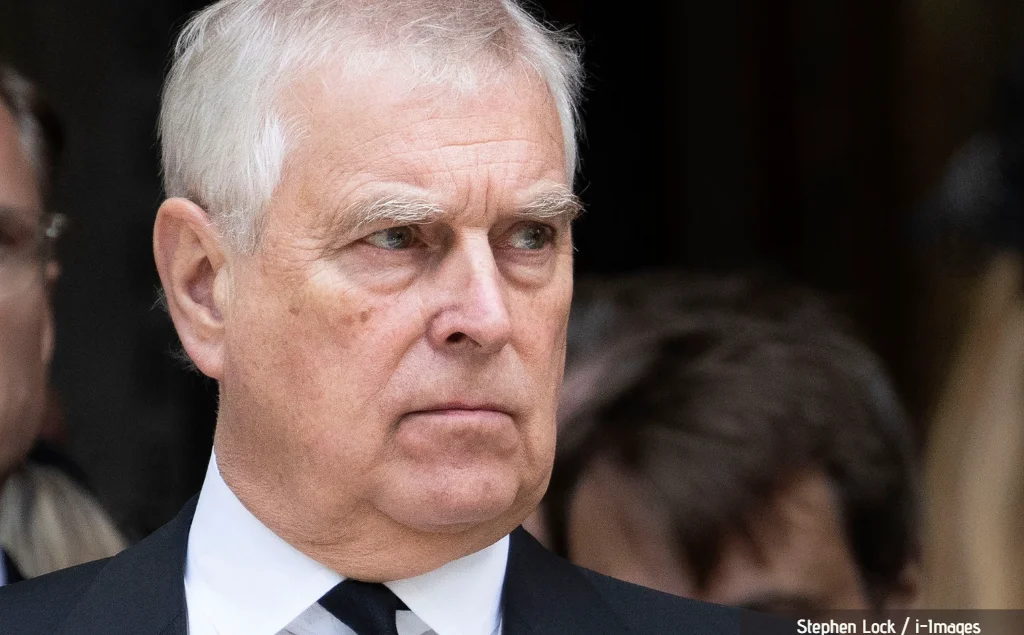
Reports have emerged indicating that Andrew Mountbatten-Windsor, the former Duke of York, is still included in long-standing government contingency arrangements for ceremonial royal funerals, despite his significant withdrawal from public royal duties and the stripping of his titles. This revelation has sparked considerable debate and criticism, particularly from those who have been impacted by the activities of convicted sex offender Jeffrey Epstein, with whom Andrew has had documented associations.
The Unfolding Situation: Contingency Plans and Royal Protocol
The core of the current discussion revolves around the inclusion of Prince Andrew in what are known as "bridge" operations – confidential government contingency plans that outline arrangements for the funerals of senior members of the Royal Family. These plans, reportedly detailed in a report by the Mail on Sunday, are designed to ensure a seamless and dignified process in the event of a royal death.
While Buckingham Palace, the Cabinet Office, and representatives for Mountbatten-Windsor have declined to comment on the specifics of these reports, royal commentators have offered insights into the potential nature of any such funeral. Speculation suggests that if a ceremonial funeral were to occur, it would likely be held at St George’s Chapel, Windsor Castle. This historic chapel has been the site of recent significant royal funerals, including those of Queen Elizabeth II and Prince Philip, underscoring its importance within royal tradition. Furthermore, there is speculation that Prince Andrew could be interred at the Royal Burial Ground at Frogmore in Windsor, a location where several members of the Royal Family, including Edward VIII and Wallis Simpson, are laid to rest.
A Timeline of Downfall and Public Scrutiny
Prince Andrew’s current standing is the result of a protracted period of controversy and reputational damage. His association with Jeffrey Epstein, a financier and convicted sex offender who died in custody in 2019, has cast a long shadow over the Duke of York’s public and private life.
- 2019: Following Epstein’s arrest and subsequent death, Prince Andrew faced intense scrutiny over his past interactions with the convicted sex offender. His ill-received BBC interview, intended to address these concerns, ultimately exacerbated the situation.
- January 2022: Under immense pressure, Prince Andrew stepped back from all public royal duties. He also surrendered his honorary military appointments and agreed to no longer use the style "His Royal Highness" in his public life.
- November 2022: King Charles III formally stripped his younger brother of his remaining honorary military titles and patronages. This move was widely interpreted as a significant demotion and a clear signal of his estrangement from official royal life.
- Present: Reports emerge of his continued inclusion in long-standing royal funeral contingency plans, reigniting public debate and criticism.
This timeline illustrates a steady erosion of Prince Andrew’s public profile and royal standing, making the continued inclusion of his name in ceremonial funeral plans a point of contention for many.
Supporting Data and Precedents
The concept of pre-arranged funeral plans for senior royals is not new. For centuries, the British monarchy has maintained meticulous protocols and contingency plans for succession, state affairs, and the eventual passing of its members. These arrangements are designed to uphold the dignity and continuity of the institution, ensuring that even in times of grief, the machinery of state and royal protocol can function efficiently.
The specific locations mentioned – St George’s Chapel and Frogmore Royal Burial Ground – are steeped in royal history. St George’s Chapel has hosted numerous royal weddings and funerals, including those of Queen Victoria’s children and grandchildren, and more recently, Prince Philip and Queen Elizabeth II. Frogmore has served as a burial site for royals who, for various reasons, did not have state funerals but were still afforded royal interment, such as the Duke and Duchess of Windsor. The inclusion of Prince Andrew in plans for these sites reflects a recognition of his birthright and historical ties to the monarchy, even in the absence of current public duties.
Reactions and Criticisms from Affected Parties and Politicians
The reports have drawn sharp criticism from individuals and groups directly affected by Jeffrey Epstein’s crimes. Gloria Allred, a prominent US attorney who has represented numerous victims of Epstein, has questioned the rationale behind a royal ceremonial funeral for Prince Andrew. She articulated concerns that such an honour would send a "wrong message" to victims and raise questions about the allocation of public resources.
Spencer Kuvin, another American lawyer representing Epstein victims, reportedly described the prospect of taxpayers contributing to such a funeral as "an embarrassment to the Crown." These statements highlight the deep-seated resentment and the perception of injustice felt by those who believe Prince Andrew’s past associations have enabled or been overlooked by the establishment.
The controversy has also garnered attention from within the UK political sphere. Conservative MP Alicia Kearns has stated unequivocally that there should be "no circumstances" under which Prince Andrew receives a royal funeral. Similarly, fellow Conservative MP Joe Robertson has argued that if any funeral were to take place, it should be funded privately, thereby alleviating any potential burden on public funds. These political reactions underscore a sentiment among some lawmakers that Prince Andrew’s current standing does not warrant public expenditure or ceremonial honours.
Analysis of Implications: Protocol vs. Public Perception
The situation presents a complex interplay between established royal protocol and evolving public expectations regarding accountability and morality.
- Protocol: The inclusion of Prince Andrew in contingency plans can be understood as a function of his birth status as a son of a monarch and his historical position within the Royal Family. These plans are often drawn up years in advance and may not be frequently revised to reflect every shift in an individual’s public standing, particularly for individuals who remain in the line of succession, however distant. The continuity of the monarchy often relies on maintaining established procedures, and altering such long-standing plans could set a precedent with broader implications.
- Public Perception: The enduring controversy surrounding Jeffrey Epstein means that any perceived preferential treatment or ceremonial honours for Prince Andrew are likely to be met with significant public backlash. Critics argue that in an era increasingly focused on accountability and the protection of victims, continuing with plans that suggest a traditional royal burial for someone embroiled in such allegations is incongruous and potentially harmful to the monarchy’s image. The perceived disconnect between his current status and the possibility of a grand ceremonial funeral fuels the argument that such plans should be reviewed and potentially revised or cancelled.
Future Considerations: Pallbearers and Military Associations
An additional aspect of any future funeral arrangements that has drawn attention is the question of who would serve as pallbearers. Traditionally, royal funerals involve serving members of military regiments with which the deceased has an honorary association. Prince Andrew, despite losing his honorary military roles, served as a helicopter pilot in the Royal Navy during the Falklands War. Retired Rear Admiral Chris Parry has suggested that naval personnel might volunteer to act as pallbearers, citing Prince Andrew’s military service and decorations as reasons for such a gesture, even without official appointments. This highlights the enduring connection between members of the Royal Family and the armed forces, a bond that can transcend even significant personal controversies.
The reported funeral plans are understood to be part of routine contingency preparations, not indicative of any immediate health concerns for Prince Andrew. The ongoing silence from the official quarters suggests a desire to avoid further public debate on a sensitive matter, allowing existing protocols to remain in place unless formal revisions are deemed necessary. However, the persistent public scrutiny and the vocal criticisms from victims’ advocates and political figures indicate that the debate over Prince Andrew’s place in royal tradition, and the nature of any future farewell, is far from settled. The eventual outcome will likely depend on a delicate balance between maintaining historical precedent and responding to contemporary demands for accountability and moral rectitude.


 Yuyun Lusiyani
 Joko Widodo
 Pevita Pearce
 admin
admin
 Lina Irawan