
 Eva Lovia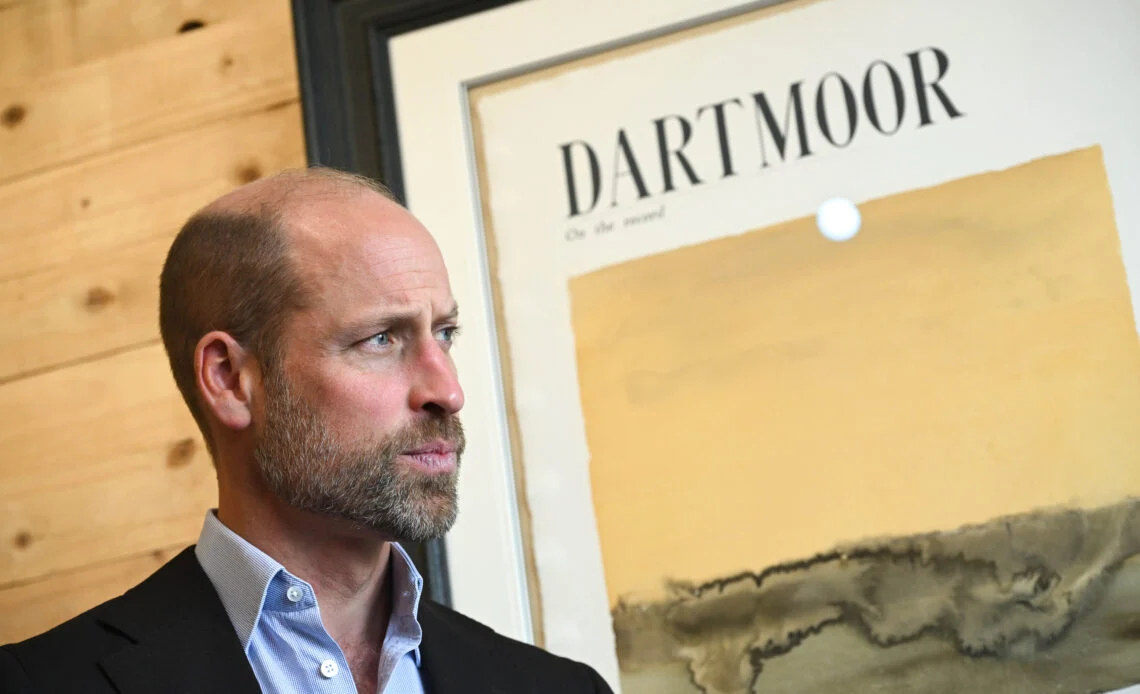
Prince William, The Prince of Wales, recently returned to the rugged expanse of Dartmoor, undertaking a significant visit to Princetown to witness firsthand the tangible progress being made in bolstering local communities and to officially inaugurate the town’s community fund. This engagement underscored His Royal Highness’s continued commitment to areas facing unique challenges, particularly those marked by geographic isolation. The visit provided an opportunity to assess the impact of initiatives he has previously championed and to engage with the individuals and organisations driving positive change in the region.
A Hub of Community Revitalisation
The Prince of Wales’s day began at Gather & Moor, a newly established community, visitor, and cultural hub situated at the heart of Princetown. This multifaceted centre represents a significant investment in the social infrastructure of the area, designed to serve as a focal point for residents and visitors alike. During his time at Gather & Moor, Prince William met with key stakeholders involved in the development of a new community strategy for Princetown. This strategy is crucial for navigating the evolving needs of the town and ensuring its long-term sustainability and vibrancy. The hub itself is envisioned to foster greater social cohesion, provide essential services, and promote local culture and heritage. Its establishment is a testament to the collaborative efforts of various community groups, local authorities, and potential benefactors, aiming to create a resilient and thriving environment for all.
The Prince’s previous visit to Dartmoor, which had seen him engage with the local youth club, had highlighted a clear need for improved facilities. This direct observation served as a catalyst for subsequent action. His return to the area was therefore not merely a symbolic gesture but a deliberate step to understand the work undertaken to enhance the youth club, an institution vital for the well-being and development of young people. In a region characterised by isolated settlements, where villages and towns can be several miles apart, such facilities play a critical role in providing a safe and engaging space for youth, fostering social connections, and offering opportunities for personal growth. The improvements to the youth club represent a direct response to the needs identified during His Royal Highness’s earlier visit, demonstrating a commitment to follow through on observed requirements.
The Duchy of Cornwall: A Legacy of Support
Following his initial engagement with the youth club, Prince William had proactively requested the Duchy of Cornwall to explore the feasibility of supporting the club’s ambitions for facility enhancement. This request initiated a process of collaboration and resource allocation, underscoring the Duchy’s role as a significant patron of initiatives that benefit communities within its extensive landholdings. During this recent visit, as the Prince of Wales, His Royal Highness was also recognised in his capacity as the Duke of Cornwall. This ancient title, which he assumed almost exactly four years prior to the visit, carries with it a long-standing tradition of supporting the welfare and economic prosperity of Cornwall and parts of Devon.
The title of Duke of Cornwall is intrinsically linked to the heir to the English throne, a tradition stretching back to medieval times. The Duchy of Cornwall, established in the 14th century by King Edward III, was created to provide a personal income for the heir, enabling them to maintain their public duties and responsibilities independently. This historical context highlights the enduring significance of the Duchy and its role in sustaining the monarchy’s charitable and developmental activities. As the first in line to the throne, Prince William’s stewardship of the Duchy signifies a continuation of this legacy, with a contemporary focus on addressing modern challenges and fostering sustainable development.
Beyond his responsibilities as Duke of Cornwall, Prince William automatically inherits other significant titles. He is also known as the Duke of Rothesay in Scotland, a title that underscores his connection to the United Kingdom as a whole. However, the most universally recognised and prominent title bestowed upon him is that of Prince of Wales. This title was formally conferred by his father, King Charles III, on September 9, 2022, marking a significant milestone in his royal journey. Prior to this, he held the title of Duke of Cambridge for eleven years, a title granted by Queen Elizabeth II on his wedding day in 2011, a period during which he and Catherine, Princess of Wales, became prominent figures on the international stage.
Broader Royal Context: A Time of Shifting Dynamics
Prince William’s visit to Dartmoor occurred against a backdrop of considerable media attention surrounding his younger brother, Prince Harry, and his wife, Meghan, the Duke and Duchess of Sussex. Coinciding with Prince Harry’s 42nd birthday, a series of exclusive media reports emerged, detailing various aspects of their lives and their evolving relationship with the Royal Family and the UK.
One prominent report, originating from ITV News, revealed that the Duke and Duchess of Sussex had been informed by the Royal and Vintage Vehicles Estates Committee (RAVEC) that they would be subject to fresh security reviews. This development followed their unexpected return to the United Kingdom in August. The Sussexes had previously expressed a desire to relocate to the UK after a six-year period residing in California, a decision announced after several interviews where they articulated feelings of unhappiness with certain aspects of their lives in Britain and their roles within the Royal Family. The announcement of their potential relocation reportedly came as a surprise to King Charles III, who was informed only three days prior to the official statement. This news followed a highly publicised reunion with Prince Harry in July, during which the Duke of Sussex, his wife, and their children had afternoon tea with his father and stepmother, Queen Camilla, at Highgrove House.
Further adding to the narrative, Hello magazine reported that Prince Harry and Meghan had withdrawn their two young children from their new school in England after only two days. The primary concern cited was the extended school run, which, due to peak-time traffic, had reportedly stretched to an hour, a significant increase from the 30-minute journey anticipated without congestion during holiday periods. Concerns were also raised about the potential for their convoy of vehicles to be separated by traffic, leading to the decision to enrol Archie and Lilibet in a different school situated closer to their English residence.
In a significant move to clarify their current status, the Lord Chamberlain, representing the King, dispatched a letter to military chiefs, lord lieutenants, and government officials involved in organising official royal engagements. The letter unequivocally stated that the Duke and Duchess of Sussex remain private citizens and are not undertaking any roles in an official capacity. Furthermore, it clarified that their Royal Highnesses (HRHs) are "in abeyance," a formal term signifying that their titles are dormant and cannot be used unless formally revived by a reigning Monarch. This communication aimed to set clear expectations regarding the Sussexes’ public standing and their involvement in royal events.
Analysis and Implications
Prince William’s visit to Dartmoor highlights a key facet of his evolving role as Prince of Wales: a deep-seated commitment to community development and the practical application of his responsibilities as Duke of Cornwall. The focus on revitalising local infrastructure, particularly for youth, in an area with geographical challenges, demonstrates a strategic approach to addressing needs at a grassroots level. The successful launch of the community fund is a tangible outcome that promises to provide sustained support for local projects, fostering a sense of ownership and empowerment within Princetown.
The Prince’s proactive engagement, stemming from his personal observations during previous visits, exemplifies a hands-on approach to his patronages. The involvement of the Duchy of Cornwall in facilitating improvements underscores the institution’s enduring relevance in providing vital resources for regional development. The establishment of the community fund, therefore, represents not just a financial injection but a commitment to long-term partnership and investment in the social fabric of Dartmoor.
The contrast between Prince William’s focused community work and the ongoing media narratives surrounding his brother, Prince Harry, presents a stark illustration of differing royal paths. While Prince William is actively engaged in the traditional duties and philanthropic endeavours associated with his inherited titles and responsibilities, the Duke and Duchess of Sussex are navigating a distinctly independent trajectory, marked by a redefinition of their public roles and a focus on private ventures. The official clarification regarding their HRH status and the nature of their public engagements signals an attempt by the Palace to manage public perception and maintain clarity on the operational boundaries within the extended Royal Family. This period of transition for the Royal Family, marked by these divergent paths, will undoubtedly continue to be a subject of considerable public and media interest. The long-term implications of these different approaches for the monarchy’s public image and its ability to connect with diverse segments of the population remain a subject of ongoing observation and analysis.




 Yuyun Lusiyani
 Joko Widodo
 Jia Lissa
 Pevita Pearce
 admin
admin
