
 Eva Lovia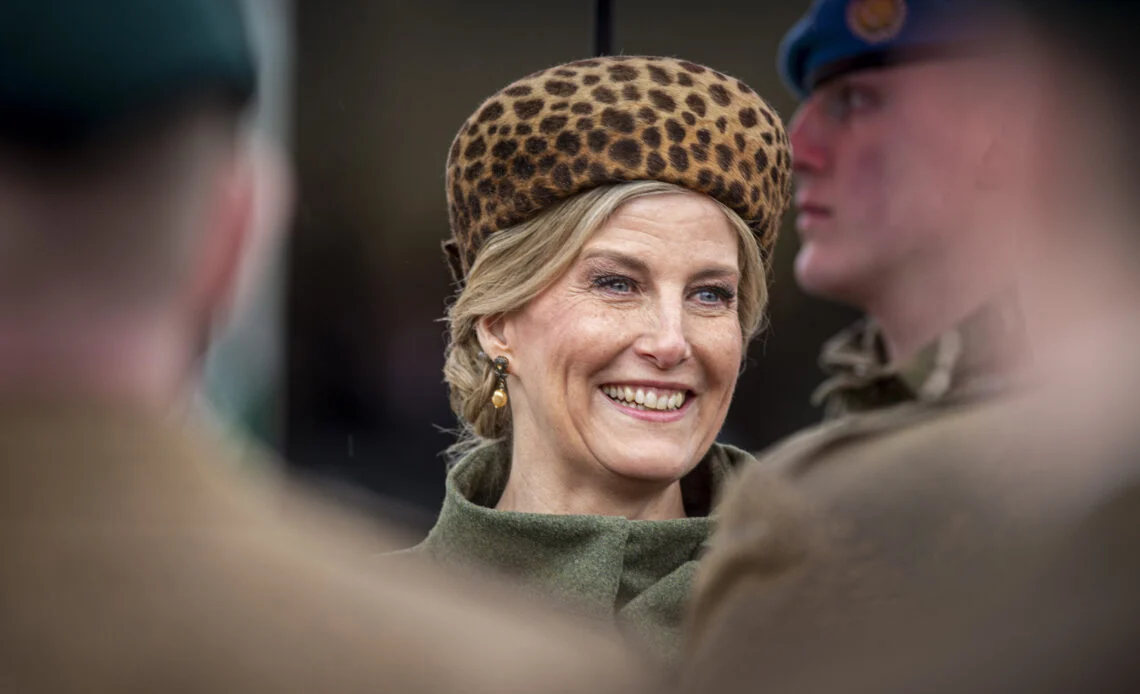
The Duchess of Edinburgh commenced her significant five-day official visit to Zambia with an unexpected logistical challenge, as her luggage was delayed, necessitating an immediate adjustment to her planned itinerary. Undeterred by the inconvenience, Her Royal Highness demonstrated remarkable composure and professionalism, appearing at her first engagement in what she humorously referred to as her "aeroplane clothes." This initial engagement, held at Community House in Lusaka, served as a warm welcome and an immediate immersion into the key objectives of her diplomatic mission.
A Graceful Start: Navigating Travel Hiccups with Royal Poise
The commencement of the Duchess of Edinburgh’s high-profile tour to Zambia was marked by an unforeseen travel complication. Upon arrival, it was discovered that her luggage had been delayed, a situation that could have easily cast a shadow over the meticulously planned engagements. However, demonstrating the characteristic resilience and grace expected of a senior royal, the Duchess of Edinburgh met the challenge head-on. During her inaugural engagement, she candidly informed her hosts that she was meeting them in her "aeroplane clothes," a lighthearted acknowledgment of the situation that diffused any potential awkwardness and set a tone of pragmatism for the days ahead. This moment, captured and reported by Hello! magazine, the sole publication accompanying the Duchess on this important visit, underscored her ability to maintain a positive and adaptable demeanor even when faced with unforeseen circumstances.
Initial Engagements and Diplomatic Exchanges
The Duchess’s first official stop was at Community House in Lusaka, a significant venue that facilitated crucial diplomatic interactions. Here, she was warmly received by the First Lady of Zambia, Mrs. Mutinta Hichilema, and the British High Commissioner to Zambia, Ms. Rebecca Terzeon. The reception was further enhanced by a vibrant traditional dance performance, a cultural spectacle organized to celebrate her arrival and to offer a glimpse into Zambia’s rich artistic heritage. This opening engagement set a positive and collaborative tone for the subsequent days of her visit.
A Shared Passion: Royal Beekeeping and Diplomatic Gifts
A particularly noteworthy moment during the initial engagements was the presentation of diplomatic gifts to the President of Zambia, Mr. Hakainde Hichilema. Among the items gifted were three pots of honey, a choice that subtly highlighted a shared interest among senior members of the British Royal Family. The Duchess revealed that one of the pots contained honey from her own apiary at Bagshot Park, while the other two were sourced from the royal hives at Buckingham Palace and Windsor Castle. This gesture drew a direct parallel to the well-documented passion for beekeeping shared by King Charles III and The Princess of Wales, both of whom have publicly spoken about their dedication to this environmentally significant practice. This shared hobby, expressed through such a thoughtful gift, serves as a subtle yet effective tool for fostering bilateral relations and underscoring common values.
Spotlight on Vision: The Duchess’s Commitment to Eye Health
A central pillar of the Duchess of Edinburgh’s visit to Zambia is the critical issue of eye care and the prevention of sight-related problems. Her Royal Highness has dedicated a significant portion of her tour to raising awareness about eye health and its profound impact on individuals’ lives and societal development. This focus aligns with global health initiatives aimed at reducing preventable blindness.
Orbis and the Fight Against Blindness
To underscore this commitment, the Duchess attended a reception hosted by the international charity Orbis, in collaboration with the International Agency for the Prevention of Blindness (IAPB). Orbis is a renowned organization dedicated to providing sight-saving treatments and training to healthcare professionals in developing countries. Their work encompasses a range of initiatives, from surgical interventions to the provision of essential equipment and the development of sustainable eye care programs. The IAPB, on the other hand, is a global alliance of more than 80 NGOs, professional bodies, and academic institutions working together to eliminate avoidable blindness. The Duchess’s engagement with these organizations signifies a strong endorsement of their vital work and a commitment to amplifying their message on a global stage.
Supporting Data on Preventable Blindness:
- According to the World Health Organization (WHO), approximately 285 million people worldwide are visually impaired, with 39 million being blind.
- A significant majority of visual impairment, around 80%, is preventable or treatable.
- Common causes of preventable blindness include uncorrected refractive errors, cataracts, glaucoma, and diabetic retinopathy.
- In low-income countries, access to basic eye care services remains a significant challenge, exacerbating the burden of visual impairment.
- Investing in eye care is not only a humanitarian imperative but also an economic one. Restoring sight can enable individuals to return to work, education, and contribute more fully to their communities, leading to substantial economic benefits.
The Duchess’s advocacy in this area aims to mobilize support, encourage greater investment in eye care infrastructure, and promote awareness about the importance of regular eye examinations and early intervention. Her presence and pronouncements are expected to draw international attention to the plight of those suffering from avoidable visual impairment in Zambia and beyond.
Addressing Gender-Based Violence: A Crucial Element of the Visit
Beyond the vital focus on eye health, the Duchess of Edinburgh is also using her platform to highlight another pressing issue: the eradication of gender-based violence (GBV). This is a cause that has been consistently championed by Her Royal Highness, who has dedicated considerable time and effort to supporting initiatives aimed at empowering women and girls and combating violence against them.
Understanding the Scope of Gender-Based Violence in Zambia
Gender-based violence remains a pervasive global issue, and Zambia is no exception. While specific, up-to-the-minute statistics can fluctuate, historical data and reports from international organizations indicate that GBV, including domestic violence, sexual assault, and harmful traditional practices, continues to affect a significant proportion of women and girls in the country.
Background Context on Gender-Based Violence:
- GBV is a violation of human rights and a significant barrier to gender equality and sustainable development.
- It has devastating consequences for survivors, including physical, psychological, and economic harm.
- Factors contributing to GBV include deeply ingrained patriarchal norms, economic inequalities, and inadequate legal protection and enforcement mechanisms.
- Various organizations and government bodies in Zambia are actively working to combat GBV through awareness campaigns, legal reforms, support services for survivors, and perpetrator intervention programs.
- The Duchess’s focus on this issue is likely to bring increased visibility to the work being done by local organizations and to encourage further international support.
The Duchess’s commitment to this cause is expected to involve engagements with local charities and community leaders who are at the forefront of addressing GBV. Her support can provide a crucial boost to these efforts, fostering dialogue, encouraging policy changes, and offering hope to survivors. By shining a light on GBV, Her Royal Highness aims to contribute to a broader societal shift towards gender equality and the protection of vulnerable individuals.
Broader Implications and Royal Diplomacy
The Duchess of Edinburgh’s visit to Zambia is more than just a series of scheduled engagements; it represents a significant exercise in diplomatic relations and the continuation of the British monarchy’s commitment to international development and humanitarian causes. Her presence in the country underscores the strong ties between the United Kingdom and Zambia and signifies a shared dedication to addressing critical global challenges.
The Role of Royal Tours in Modern Diplomacy
In an era of complex international relations, royal tours serve as a vital, albeit often understated, diplomatic tool. They offer a unique avenue for fostering goodwill, strengthening bilateral partnerships, and promoting shared values. The Duchess of Edinburgh, as a senior member of the Royal Family, carries considerable influence and her engagements are carefully observed and reported, both domestically and internationally.
Analysis of Implications:
- Enhanced Bilateral Relations: The visit is expected to further solidify the diplomatic and economic ties between the UK and Zambia. Such high-level interactions can pave the way for increased cooperation in various sectors, including trade, education, and healthcare.
- Increased Awareness and Support for Key Issues: By focusing on eye health and the eradication of gender-based violence, the Duchess is bringing global attention to these critical areas. This increased visibility can lead to greater donor support, policy advancements, and public engagement within Zambia and internationally.
- Empowerment of Local Organizations: The Duchess’s engagement with local charities and initiatives provides them with invaluable exposure and credibility, potentially attracting more resources and volunteers to their vital work.
- Soft Power Projection: The Royal Family’s continued engagement in humanitarian and developmental issues is a key component of the UK’s "soft power" – its ability to influence through attraction and persuasion rather than coercion. The Duchess’s visit is a clear demonstration of this enduring soft power.
- Symbol of Resilience and Adaptability: The initial luggage delay, and the Duchess’s graceful handling of it, serves as a micro-narrative within the larger visit, illustrating the adaptability and professionalism that are hallmarks of modern royal engagements.
The Duchess of Edinburgh’s five-day tour of Zambia is poised to be a impactful journey, marked by grace under pressure, a deep commitment to humanitarian causes, and the subtle yet powerful art of royal diplomacy. Her efforts in championing eye health and the fight against gender-based violence are set to leave a lasting legacy, reinforcing Zambia’s efforts in these critical areas and strengthening the bonds between the two nations.




 Yuyun Lusiyani
 Joko Widodo
 Jia Lissa
 Pevita Pearce
 admin
admin
