
 Eva Lovia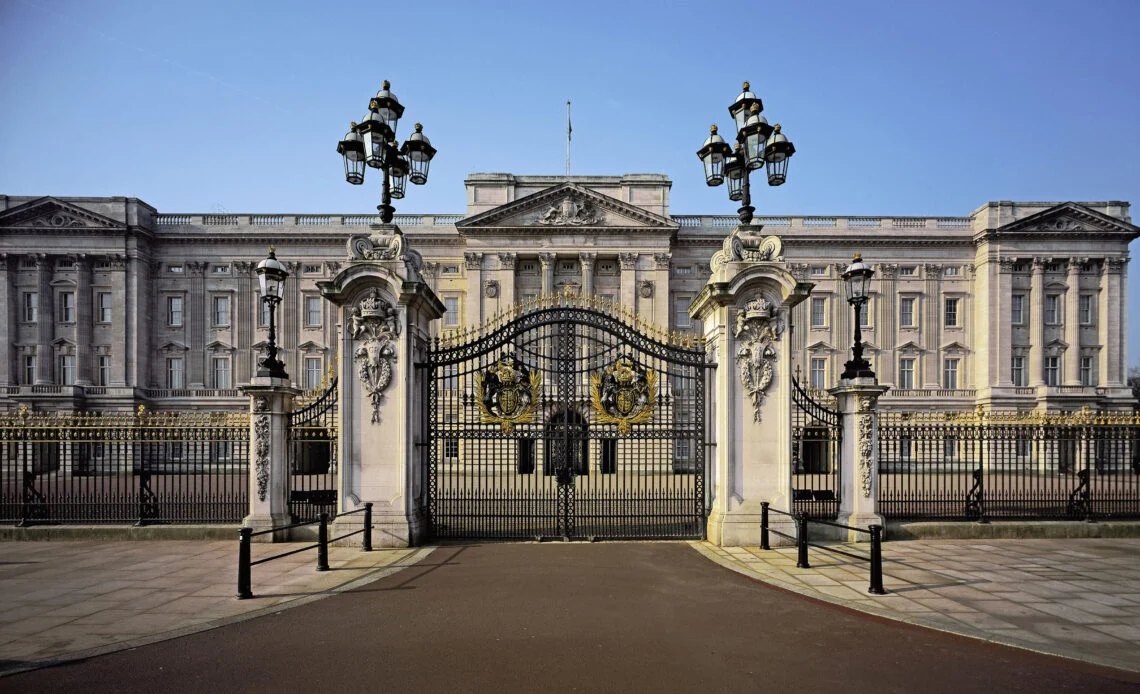
In an unusual and highly public intervention, Buckingham Palace has issued a statement addressing claims made by Earl Spencer in his forthcoming memoir, "Swan Song." The allegations centre on the behaviour of King Charles III in the immediate aftermath of the death of his former wife, Diana, Princess of Wales, in September 1997. The Palace’s response, departing from its typical reticence on such matters, suggests a deliberate strategy to counter what it perceives as potentially damaging historical narratives.
Earl Spencer’s book, slated for publication on September 22, has already generated significant attention due to an excerpt serialised in the Daily Mail. Within this excerpt, he recounts a telephone conversation with the then-Prince Charles in the early days of September 1997. According to Earl Spencer, Charles became angry during this call and stated that "Diana will soon be forgotten." This assertion, if true, casts a shadow over the personal grief and familial dynamics during a period of immense national mourning and private anguish.
The Royal Collection Trust, which oversees the Royal Collection and is closely associated with the Palace, provided the image accompanying this report, a standard practice for official royal news. The decision by Buckingham Palace to issue a direct statement on a matter detailed in a private individual’s memoir is a rare occurrence, underscoring the sensitivity and potential impact of Earl Spencer’s account.
The Palace’s Measured Defence
Buckingham Palace’s official response, released shortly after the serialisation of the book excerpt, was carefully worded: "While we do not comment on books as a matter of principle, His Majesty is mindful that the pain of fraternal grief can cloud reason, affect judgement and colour memory in ways others do not recognise, even many years after such a loss."
This statement can be interpreted as a subtle but direct counter-argument to Earl Spencer’s recollection. By referencing the "pain of fraternal grief," the Palace implicitly acknowledges the profound emotional turmoil of the period. The mention of how such grief can "cloud reason, affect judgement and colour memory" serves as a veiled suggestion that Earl Spencer’s recollection might be influenced by his own personal suffering and the passage of time. The phrase "in ways others do not recognise" further implies that King Charles’s perspective or experience of that time may differ significantly from his brother-in-law’s.
The statement, while not a direct denial of the specific quote attributed to King Charles, reframes the potential for misinterpretation and the subjective nature of memory during extreme emotional distress. It avoids a tit-for-tat exchange while asserting the King’s understanding of the complex psychological effects of grief.
Chronology of Events: A Tumultuous September 1997
The events surrounding Diana’s death and its immediate aftermath remain etched in public memory. Understanding the context of Earl Spencer’s claims requires a brief chronological overview:
- August 31, 1997: Diana, Princess of Wales, dies in a car crash in Paris.
- Early September 1997: Earl Spencer claims to have had a phone conversation with Prince Charles where the latter allegedly stated Diana would be forgotten.
- September 6, 1997: Diana’s funeral takes place. Earl Spencer delivers a eulogy at Westminster Abbey, which is widely reported and met with applause. In his eulogy, he vowed to protect his sister’s children and spoke of Diana being "hunted."
- Present Day: Earl Spencer’s memoir, "Swan Song," is set to be published, containing these allegations. Buckingham Palace issues a statement in response to the pre-publication serialisation.
The timing of Earl Spencer’s allegations resurfacing, nearly three decades later, is notable. While the intensity of public mourning has long since subsided, the personal impact of these events on the individuals involved, particularly the late Princess’s sons, Prince William and Prince Harry, continues to be a subject of public and private reflection.
The Broader Context of "Swan Song" and Earl Spencer’s Public Persona
Earl Spencer’s book, "Swan Song," is described as a reflection on the final years of his sister’s life, aiming to present her story through her own perspective. This is not the first time Earl Spencer has been a prominent public figure in relation to his sister. His eulogy at Diana’s funeral was a pivotal moment, resonating deeply with a grieving nation and setting a tone for the public perception of the Royal Family’s handling of the tragedy. His vow to protect Diana’s sons was particularly impactful, a public promise made at a moment of profound loss.
The book’s content, therefore, is expected to offer further insights into his relationship with Diana and his views on the events surrounding her life and death. The specific allegation against King Charles, however, pushes the narrative into a more direct confrontation with the current monarch.
Unprecedented Book Theft Adds Another Layer of Intrigue
Adding to the pre-publication drama, "Swan Song" has already experienced an unusual incident: the reported theft of four copies from a lorry transporting thousands of editions. The books were allegedly stolen while the lorry was parked in the Netherlands, with the copies wrapped in black plastic to maintain secrecy. Dutch police are reportedly investigating the theft. While the motive behind such a targeted theft remains speculative, it highlights the intense interest surrounding the book and its contents, suggesting that some parties may wish to control or influence its dissemination. This event, though separate from the Palace’s response, contributes to an atmosphere of heightened anticipation and intrigue around the memoir.
King Charles’s Recent Assertive Responses
The Palace’s public statement regarding Earl Spencer’s book is the second notable instance in a short period where King Charles has been associated with a forthright and assertive public communication. Just days prior, a letter from the Lord Chamberlain, a senior official in the Royal Household, was reportedly sent to individuals involved in organising royal engagements. This letter clarified that the Duke and Duchess of Sussex are now private citizens and do not represent the Royal Family. It also stated that their use of the HRH (His Royal Highness/Her Royal Highness) style is in abeyance and that the terms of the Sandringham agreement, which governs the roles and responsibilities of working royals, remain in effect.
This communication from the Lord Chamberlain followed a series of inquiries directed to Buckingham Palace, likely related to the Sussexes’ activities and their continued association with royal events or terminology. The directness of the letter serves to delineate clear boundaries and manage public expectations regarding the Duke and Duchess of Sussex’s current status within the broader context of the monarchy.
Analysis of Implications and Future Narratives
The direct response from Buckingham Palace to Earl Spencer’s allegations carries several significant implications. Firstly, it signals a shift in strategy. The Royal Family, particularly under King Charles, appears to be adopting a more proactive approach to managing historical narratives that could impact public perception. This contrasts with a long-standing tradition of allowing historical accounts to unfold with minimal official comment.
Secondly, the Palace’s carefully crafted statement attempts to control the narrative by emphasizing the subjective nature of memory, particularly under the duress of profound grief. This approach seeks to inoculate the King against the direct impact of Earl Spencer’s accusation without engaging in a factual dispute over a decades-old private conversation. It suggests a belief that the public will understand the psychological complexities involved.
Thirdly, the timing of these events—the Palace’s response and the clarification regarding the Sussexes—suggests a broader effort to consolidate the monarchy’s image and define its current operational parameters. By addressing both a historical claim and a contemporary issue, the Palace is asserting clarity and control over its public presentation.
The impact of Earl Spencer’s book and the Palace’s response will likely be multifaceted. For those who hold a particular reverence for Diana, Princess of Wales, and her legacy, the book may offer further validation of their perspectives. For others, the Palace’s response might reinforce the idea that historical accounts are subject to interpretation and that the passage of time can alter perception.
The allegation itself, that King Charles dismissed Diana’s potential to be forgotten so soon after her death, is a deeply sensitive one. While the Palace’s statement is designed to mitigate its impact, the mere fact that such a claim is being made public and has elicited an official response ensures that this aspect of the monarchy’s history will remain a topic of discussion. The effectiveness of the Palace’s strategy in shaping long-term public memory will only become clear with time. The ongoing investigation into the book theft also adds an element of suspense, hinting at the deep interest and potential controversy surrounding "Swan Song."




 Yuyun Lusiyani
 Joko Widodo
 Jia Lissa
 Pevita Pearce
 admin
admin
