
 Lina Irawan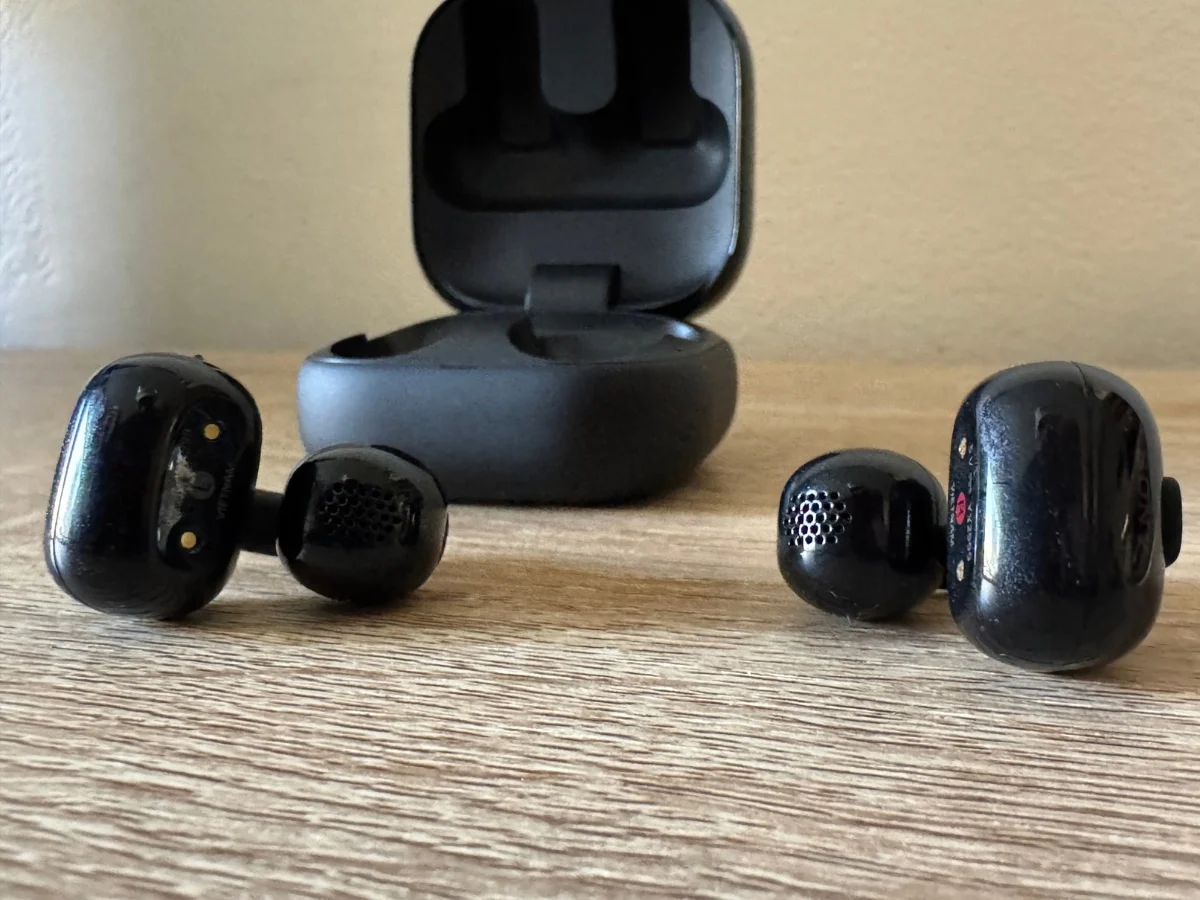
The release of the Sony LinkBuds Clip marks a significant pivot in the consumer audio landscape, signaling a departure from the traditional isolation-focused earbud design toward a philosophy of permanent ambient awareness. As the latest addition to Sony’s "LinkBuds" ecosystem, the Clip model introduces a "C-bridge" aesthetic that fastens to the outer ear rather than occupying the ear canal. This design choice reflects a growing industry trend where manufacturers prioritize "always-on" connectivity, allowing users to integrate digital audio seamlessly with their physical environment. However, as the product enters a competitive market alongside offerings from Bose, Sennheiser, and Huawei, it faces scrutiny regarding its ergonomic viability, acoustic compromises, and the premium price point of AUD $329.95.
The Engineering of Ambient Awareness
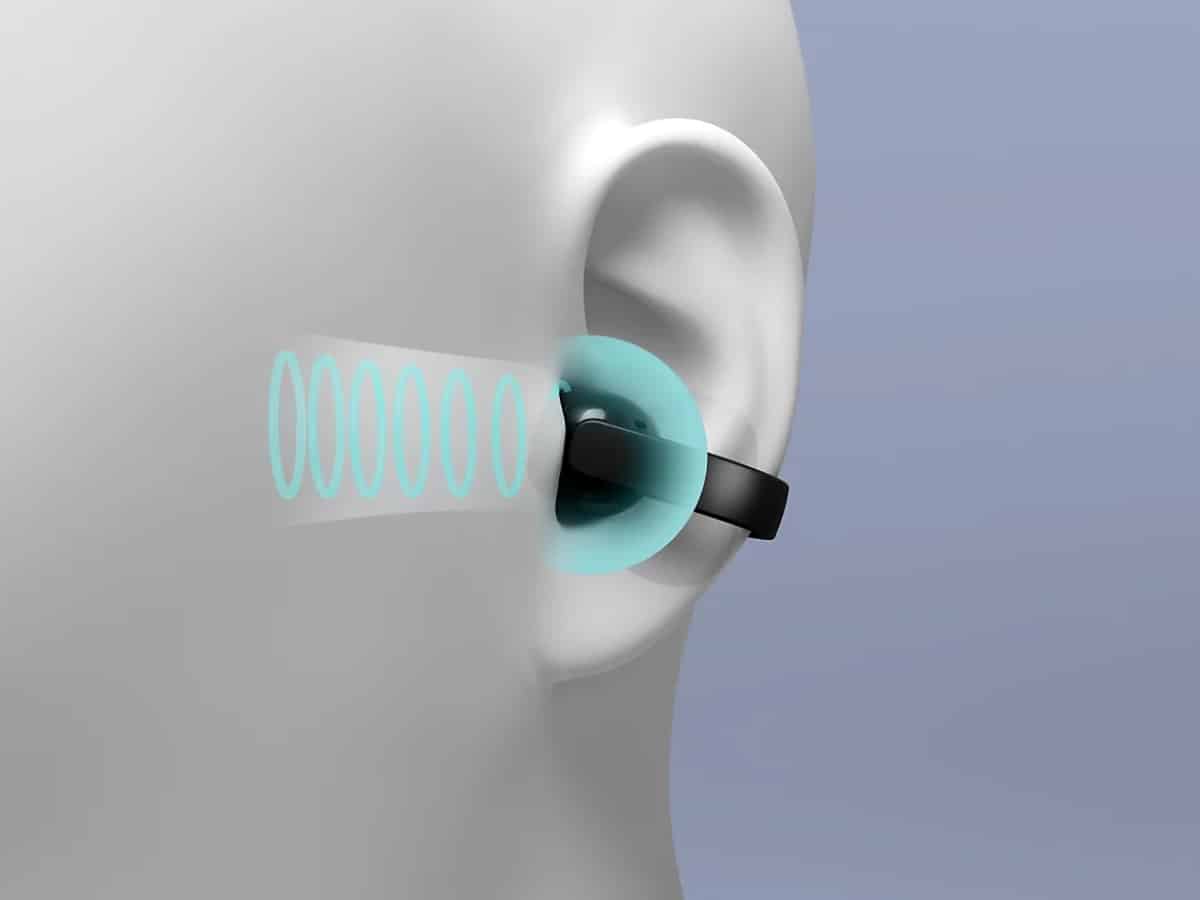
The Sony LinkBuds Clip operates on the principle of open-ear acoustics. Unlike conventional In-Ear Monitors (IEMs) that utilize silicone or foam tips to create a physical seal, the LinkBuds Clip positions a high-sensitivity driver unit directly over the ear’s concha. By leaving the ear canal entirely unobstructed, the device allows external sound waves to reach the eardrum naturally. This hardware configuration is managed by Sony’s Integrated Processor V2, the same silicon found in the brand’s flagship audio products, which handles digital-to-analog conversion and advanced Signal Processing (DSP).
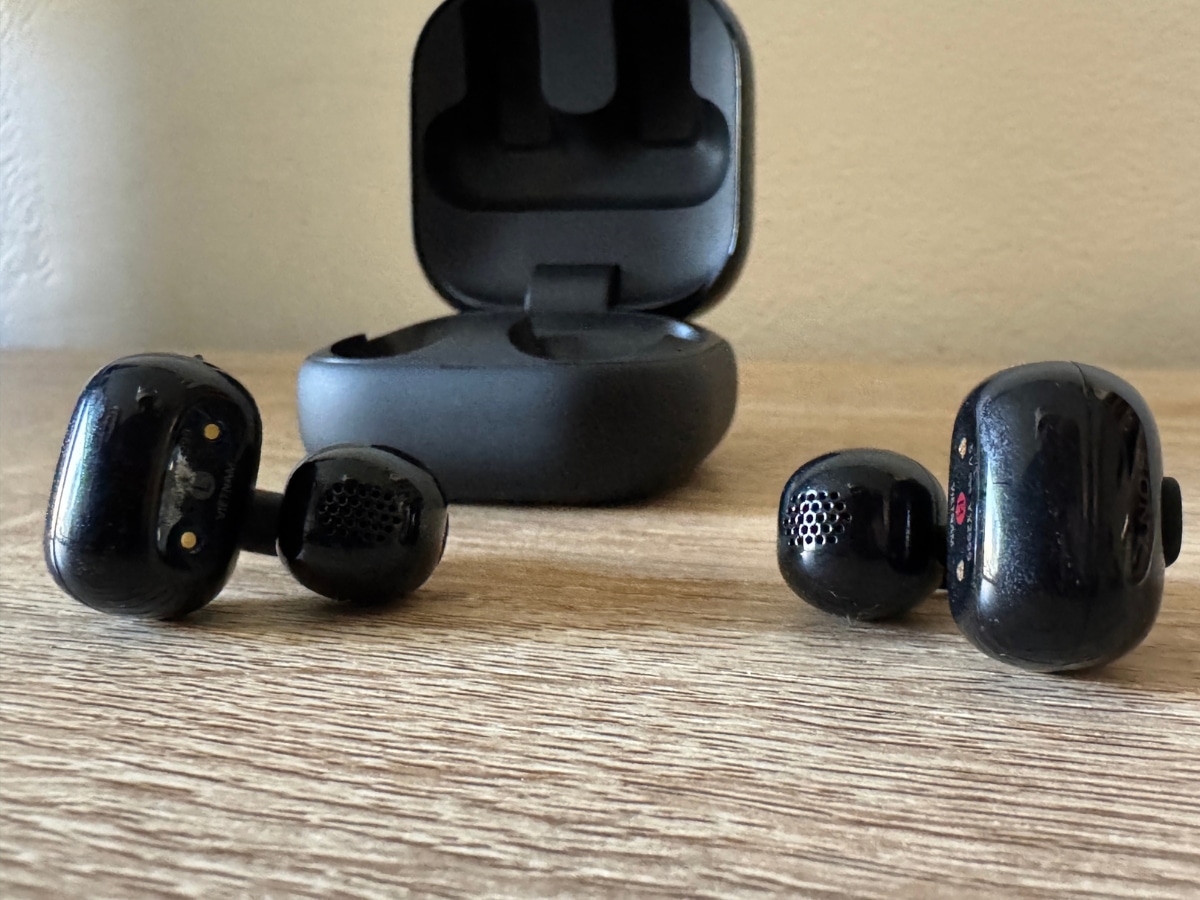
To mitigate the inherent loss of lower frequencies associated with open designs, Sony employs its Digital Sound Enhancement Engine (DSEE). This technology attempts to restore high-frequency elements lost during file compression, providing a fuller sound profile that compensates for the lack of a pressurized seal. Furthermore, the device includes a "Sound Leakage Reduction" mode. This feature uses phase-inversion algorithms to cancel out sound waves traveling away from the ear, ensuring that the user’s audio remains private even in quiet environments like libraries or public transport.
Chronology of the LinkBuds Series
The development of the LinkBuds Clip is the culmination of a multi-year experimental cycle at Sony. The timeline of this evolution highlights the brand’s commitment to the "Never Off" concept:
- February 2022: Sony launches the original LinkBuds (WF-L900), featuring a unique ring-shaped driver with a hole in the center to allow ambient sound.
- May 2022: The LinkBuds S is released. While branded under the LinkBuds name, it followed a more traditional closed design, relying on high-quality transparency modes rather than physical openings.
- Late 2023 – Early 2024: Competitors like Bose (Ultra Open Earbuds) and Huawei (FreeClip) introduce the "clip-on" form factor, gaining traction among users who experience "ear fatigue" from traditional earbuds.
- January 2025: Sony officially unveils the LinkBuds Clip (alongside the LinkBuds Fit), adopting the clip-on architecture to provide a more secure fit for active users while maintaining the core "open" philosophy.
Ergonomic Analysis and the "Clip" Mechanism
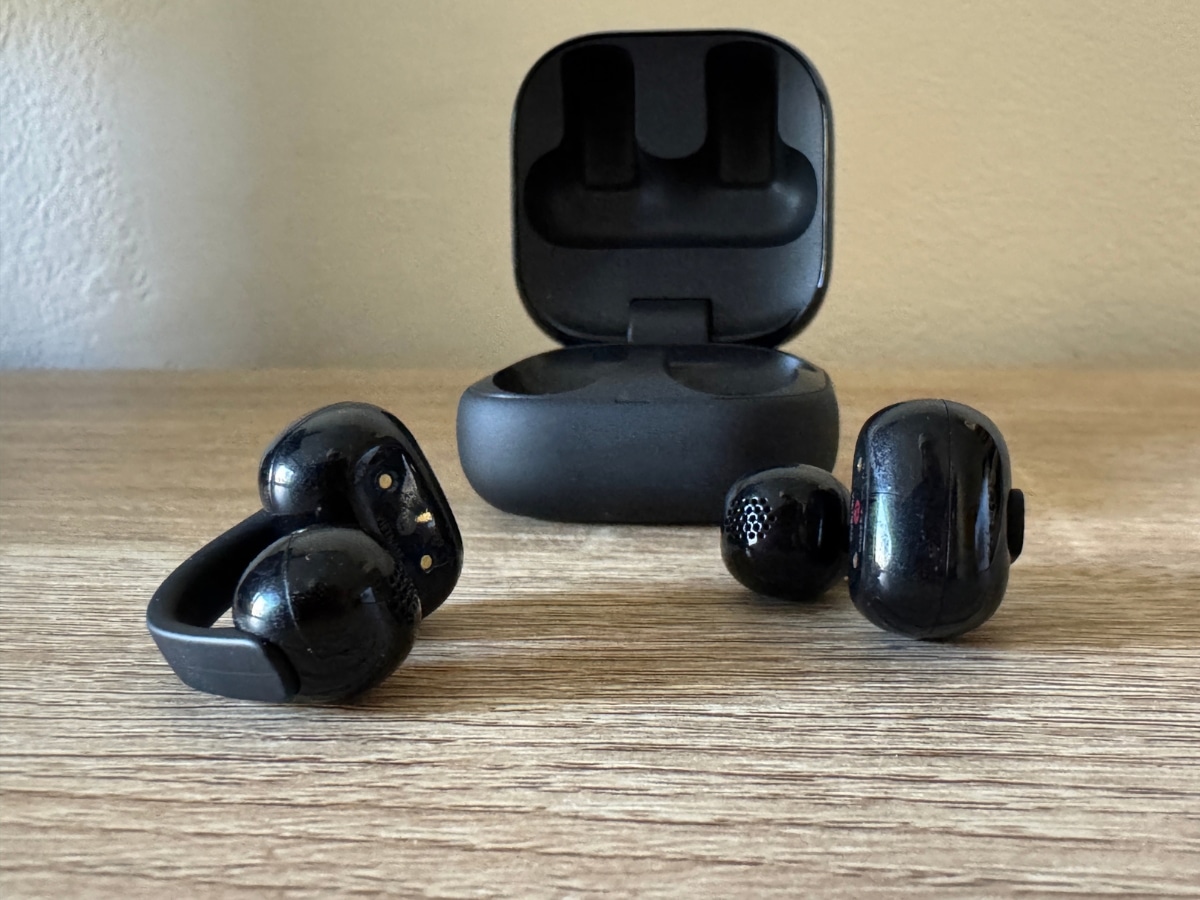
The primary hardware innovation of the LinkBuds Clip is the "Air Fitting Cushion." These are customizable, soft-silicone sleeves designed to provide a secure grip on various ear shapes. The device is intended to be "clipped" onto the thinner edge of the ear (the helix or antihelix) and then slid down toward the lobe until the speaker sits over the canal opening.

In practical, long-term testing—specifically during eight-hour continuous wear cycles—the ergonomics have proven to be a polarizing aspect of the device. While the clip mechanism ensures the earbuds do not fall off during high-impact activities such as running or jumping, the tactile sensation remains "uncanny" for users accustomed to the internal pressure of standard earbuds. Reports indicate that while the device is lightweight enough to be worn for a full workday, the lack of a traditional anchoring point leads to frequent manual readjustments. This "phantom looseness" can lead to accidental triggers of the touch-sensitive controls, which are located on the outer housing of the clip.
Comparative Market Data and Specifications
The LinkBuds Clip enters a premium tier of the "hearables" market. To understand its value proposition, it is necessary to compare its technical specifications with both its predecessors and its primary rivals.
| Feature | Sony LinkBuds Clip | Bose Ultra Open Earbuds | Apple AirPods 4 (with ANC) |
|---|---|---|---|
| Design Type | Open-Ear Clip | Open-Ear Clip | Open-Ear (Non-Clip) |
| Price (AUD) | $329.95 | $449.00 | $299.00 |
| Battery Life | Up to 8 Hours (Earbud) | Up to 7.5 Hours | Up to 5 Hours (with ANC) |
| Water Resistance | IPX4 | IPX4 | IP54 |
| Noise Cancellation | None (Physical Design) | None (Physical Design) | Active Noise Cancellation |
| Multipoint BT | Yes | Yes | No (Apple Ecosystem Only) |
Data suggests that while Sony offers a competitive battery life and a lower price point than Bose, it faces a significant challenge from Apple’s AirPods 4. Apple has successfully integrated Active Noise Cancellation (ANC) into an open-ear design, offering users the ability to choose between transparency and isolation. The LinkBuds Clip, by contrast, tethers the user to a permanent state of transparency, which may limit its utility in high-decibel environments like airplanes or heavy traffic.
Industry Implications: The Shift Toward "Situational Awareness"
The emergence of clip-style earbuds like the LinkBuds Clip reflects a broader shift in consumer behavior and workplace safety standards. Market research indicates three primary drivers for the adoption of this form factor:
- Workplace Integration: In modern office environments, "deep work" often requires audio accompaniment, but safety and social protocols require employees to remain reachable. The open design allows for simultaneous engagement with digital media and verbal communication.
- Aural Health: Audiologists have noted an increase in "ear fatigue" and potential wax buildup issues associated with long-term use of silicone-tipped earbuds. Open-ear designs alleviate these concerns by allowing for natural ventilation of the ear canal.
- Outdoor Safety: For urban runners and cyclists, the ability to hear approaching vehicles or environmental cues is a critical safety requirement. Bone conduction headphones previously dominated this niche, but clip-on earbuds offer superior audio fidelity while providing the same level of situational awareness.
Technical Limitations and Sound Engineering Challenges
Despite the sophisticated DSP, the LinkBuds Clip faces inherent physical limitations. Without a seal, there is no "acoustic chamber" to amplify low-frequency vibrations. Consequently, the bass response is often described as "lean" compared to the Sony WF-1000XM5. Furthermore, call quality in windy conditions remains a hurdle. While Sony utilizes a "Precise Voice Pickup" technology—using beamforming microphones and an AI-based noise reduction algorithm—the open nature of the microphones makes them more susceptible to ambient interference than designs that can utilize internal ear canal microphones for bone-conducted voice pickup.
Official Positioning and Consumer Reception
Sony’s marketing strategy for the LinkBuds Clip emphasizes "seamlessness." The device supports "Auto Play," a feature that triggers music or notifications based on the user’s behavior—such as putting the earbuds on or starting a walk. This is powered by Sony’s "Spatial Sound for Headphones" and integration with services like Spotify Tap.
Initial reactions from tech analysts suggest that while the LinkBuds Clip is a feat of miniaturization and industrial design, it remains a "niche-within-a-niche." The success of the product will likely depend on whether consumers view the "clip" as a fashion statement and a comfort solution or as an unnecessary departure from the established earbud norm.
Future Outlook
The Sony LinkBuds Clip represents a bold bet on the future of "ambient computing." As voice assistants become more integrated into daily life through AI, the need for a device that can be worn comfortably for 12 to 15 hours a day becomes more apparent. If Sony can refine the ergonomics in subsequent firmware updates or hardware revisions to eliminate the sensation of instability, the clip-on form factor may move from an "unorthodox" alternative to a mainstream standard.
For now, the LinkBuds Clip serves as a high-quality tool for a specific subset of users: those who prioritize the world around them as much as the audio they consume. While it may not replace the noise-canceling powerhouses used for travel, it establishes a new benchmark for what a "transparency-first" audio device can achieve in 2025.




 Ana Megawati
 Joko Widodo
 Yuyun Lusiyani

 Eva Lovia
 Jia Lissa