
 admin
admin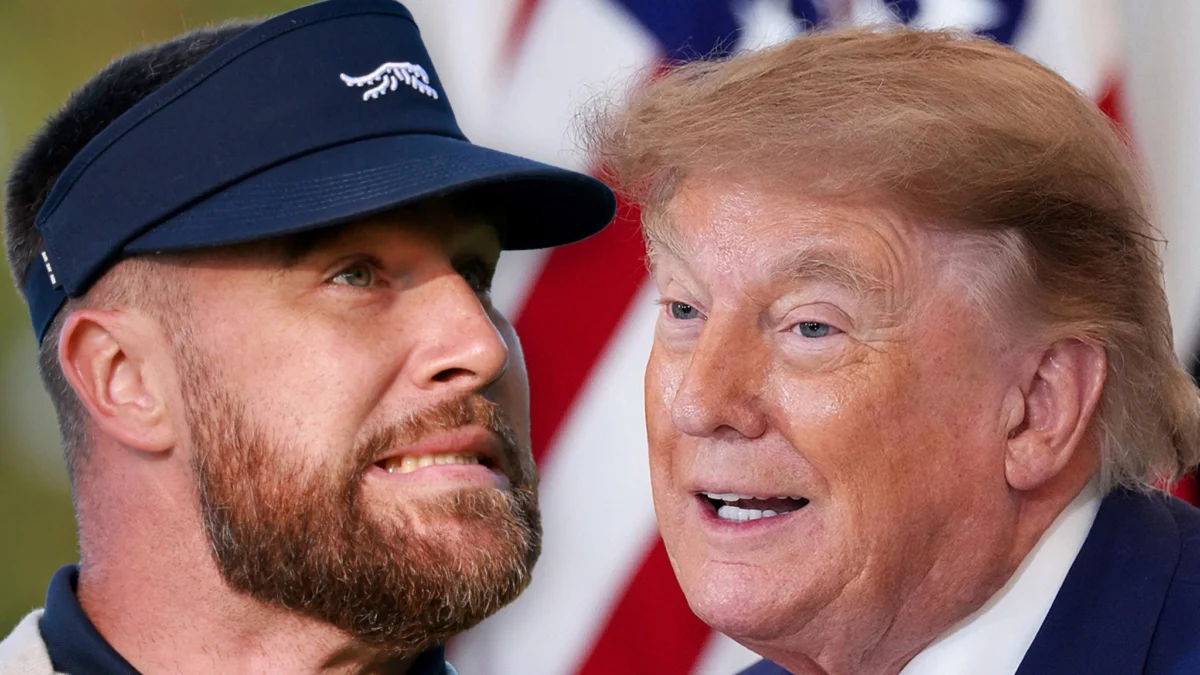
The White House recently engaged in an uncharacteristically lighthearted exchange on social media, using the high-profile victimization of Kansas City Chiefs star Travis Kelce in a sophisticated Ponzi scheme as a springboard to highlight critical government efforts against financial fraud. In a post on X (formerly Twitter) published on September 19, 2026, the official White House account playfully "drafted" Kelce to its Task Force to Eliminate Fraud, remarking, "This is why we do what we do." The unusual blend of celebrity culture, sports jargon, and serious policy communication underscores an evolving approach to public engagement on complex issues, aiming to make fraud prevention relatable and accessible to a broad audience.
The Unraveling of a Multi-Million Dollar Ponzi Scheme
The incident that prompted the White House’s reaction involved Siddharth Jawahar, the alleged mastermind behind Swiftarc Capital LLC, who has been at the center of a sprawling financial fraud scandal. Prosecutors revealed that Jawahar orchestrated a classic Ponzi scheme, defrauding numerous investors, including the renowned NFL tight end Travis Kelce, out of an estimated $35 million. The scheme, which reportedly operated over several years, saw Jawahar solicit funds under false pretenses, promising lucrative returns from his investment company. Instead of legitimate investments, however, Jawahar diverted substantial sums to finance an extravagant personal lifestyle.
Investigations into Swiftarc Capital LLC painted a vivid picture of deceit. Jawahar allegedly squandered millions on luxury accommodations in elite hotels, private jet travel, and lavish nights out, all while his investors believed their money was growing in sophisticated financial instruments. This pattern is characteristic of Ponzi schemes, where early investors are paid off with funds from new investors, creating an illusion of profitability until the entire structure inevitably collapses. The scale of Jawahar’s illicit gains and expenditures highlighted the significant financial damage inflicted upon his victims, many of whom entrusted him with their life savings or substantial assets.
The legal proceedings culminated in Siddharth Jawahar’s guilty plea, leading to a severe sentence of 11 years in prison. In addition to his incarceration, Jawahar was ordered to pay back $31 million in restitution to his victims, a legal mandate intended to compensate those who suffered financial losses. While the total sum of the fraud was reported at $35 million, the restitution order reflects the recoverable portion of the defrauded funds, acknowledging that not all assets might be recouped. This judicial outcome serves as a stark reminder of the legal consequences awaiting perpetrators of such elaborate financial crimes.
Travis Kelce: A High-Profile Victim
Travis Kelce’s inclusion among Jawahar’s victims sent ripples through both the sports and financial worlds. As a globally recognized athlete, multiple Super Bowl champion, and a prominent cultural figure, Kelce’s financial dealings are often under scrutiny. His recent personal milestones, including his marriage to pop superstar Taylor Swift and the acquisition of a multi-million-dollar lakefront mansion in Ohio, have only amplified his public profile and, consequently, the shock value of his involvement in a fraud case. While the precise amount Kelce lost in the scheme remains undisclosed, his status as a victim underscores that even financially successful and seemingly well-advised individuals can fall prey to sophisticated fraudsters.
The vulnerability of athletes and other high-net-worth individuals to financial scams is a well-documented phenomenon. Many athletes, experiencing sudden and immense wealth at a relatively young age, may lack the extensive financial literacy or experience required to navigate complex investment landscapes. They often rely on a network of advisors, which, if not properly vetted, can expose them to significant risks. Fraudsters frequently target such individuals, leveraging their fame, trust, and perceived access to capital. Kelce’s situation serves as a high-profile cautionary tale, illustrating that no one, regardless of their public stature or apparent financial acumen, is entirely immune to the predatory tactics of financial criminals. This incident is expected to prompt further discussions within professional sports leagues and financial advisory circles about enhancing financial education and protection protocols for athletes.
The White House’s Unconventional Messaging Strategy
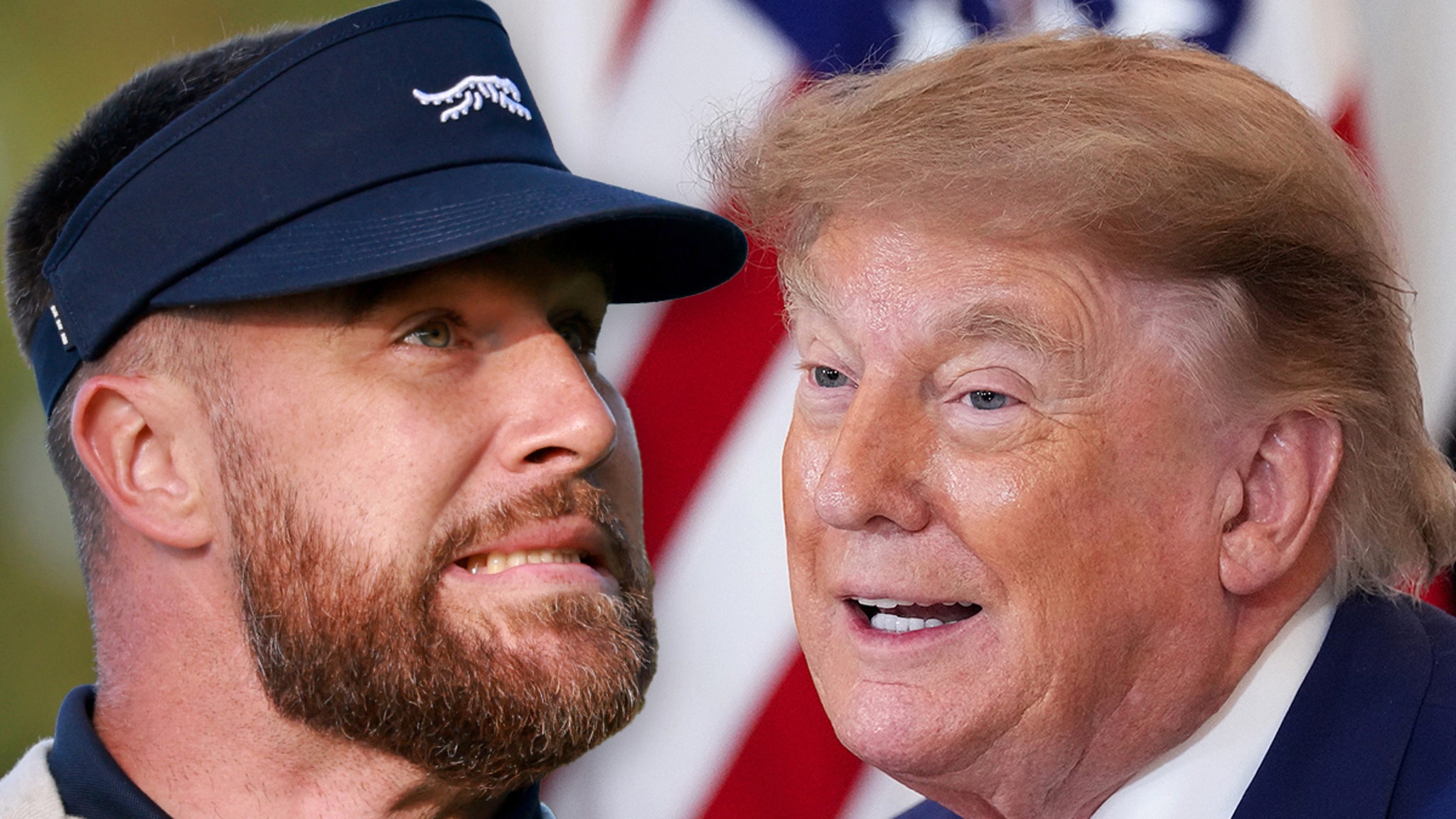
The White House’s decision to comment on Kelce’s predicament through a light-hearted post on X represents a calculated shift in governmental communication. The tweet, which read, "This is why we do what we do. Seems like a good time to re-up the work of the White House Task Force to Eliminate Fraud: identifying fraud & protecting Americans. Oh and it looks like the next draft pick to join the Task Force is [Travis Kelce]," successfully blended a serious policy objective with pop culture relevance. This approach aims to humanize government initiatives and draw attention to critical issues like financial fraud, which might otherwise be perceived as dry or inaccessible to a general audience.
By employing sports terminology ("draft pick") and referencing a widely popular figure like Kelce, the White House capitalized on existing public interest to disseminate an important message about fraud prevention. This strategy leverages the viral potential of social media, ensuring that the message reaches beyond traditional news consumers to a younger, more diverse demographic. The underlying intent is clear: to emphasize the pervasive nature of fraud and the government’s active role in combating it, while also subtly suggesting that even celebrities are not exempt from its dangers. The offer for Kelce to "join" the task force, while undoubtedly symbolic, hints at the potential for public figures to lend their voices and experiences to public awareness campaigns, transforming personal misfortune into a platform for collective education and protection.
The White House Task Force to Eliminate Fraud: A Deeper Look
The White House Task Force to Eliminate Fraud, referenced in the administration’s tweet, is a crucial inter-agency initiative established to combat the escalating threat of financial deception across various sectors. Formed with a broad mandate, the Task Force focuses on identifying, preventing, and prosecuting fraudulent activities that harm American citizens and compromise economic integrity. Its scope extends to various forms of fraud, including elder fraud, investment scams, identity theft, and increasingly, technologically sophisticated cyber-enabled frauds.
The Task Force operates by fostering collaboration among multiple federal agencies, including the Department of Justice, the Treasury Department, the Federal Bureau of Investigation (FBI), and regulatory bodies such as the Securities and Exchange Commission (SEC). This collaborative approach allows for a comprehensive strategy, combining law enforcement actions, intelligence sharing, and public awareness campaigns. Key activities include conducting complex investigations, bringing charges against perpetrators, recovering stolen assets, and developing educational resources to empower individuals and businesses to protect themselves. The Task Force also plays a pivotal role in reviewing existing regulations and recommending policy changes to strengthen anti-fraud measures and close loopholes exploited by criminals.
The mention of "re-upping" their work in the context of Kelce’s situation underscores the Task Force’s ongoing commitment and the continuous need for vigilance. High-profile cases, like the one involving Jawahar and Kelce, serve as potent case studies that the Task Force can utilize to illustrate the real-world impact of financial fraud and the importance of its mission. The symbolic "drafting" of Kelce could potentially lead to opportunities for him, or other public figures, to participate in public service announcements or educational outreach programs, leveraging their platforms to amplify the Task Force’s message about financial literacy and due diligence.
Broader Implications and Lessons Learned
The incident involving Travis Kelce and the subsequent White House response carry several significant implications. Firstly, it reinforces the pervasive nature of financial fraud and the fact that no one is truly immune, regardless of wealth or public status. It serves as a potent reminder for individuals from all walks of life to exercise extreme caution, conduct thorough due diligence, and seek independent financial advice when considering investment opportunities. The promise of unusually high returns, a hallmark of Ponzi schemes, should always be a red flag.
Secondly, the White House’s communication strategy highlights the evolving role of government in leveraging popular culture and social media to engage with the public on serious policy matters. This blend of entertainment and education can be highly effective in reaching demographics that might not typically follow traditional governmental announcements. It signals a recognition that effective public awareness campaigns in the digital age require innovative and relatable approaches.
Finally, the prosecution of Siddharth Jawahar and his lengthy prison sentence underscore the judiciary’s firm stance against financial crimes. The restitution order, while not always fully recoverable, aims to provide some measure of justice for victims. For financial institutions and regulatory bodies, this case serves as an impetus to continually review and enhance safeguards against sophisticated fraud schemes, ensuring greater investor protection and maintaining confidence in the financial system. The Kelce incident, therefore, transcends a mere celebrity mishap; it becomes a catalyst for broader conversations about financial literacy, government accountability, and the relentless fight against economic deception.




 Yuyun Lusiyani
 Joko Widodo
 Eva Lovia
 Pevita Pearce

 Lina Irawan