
 admin
admin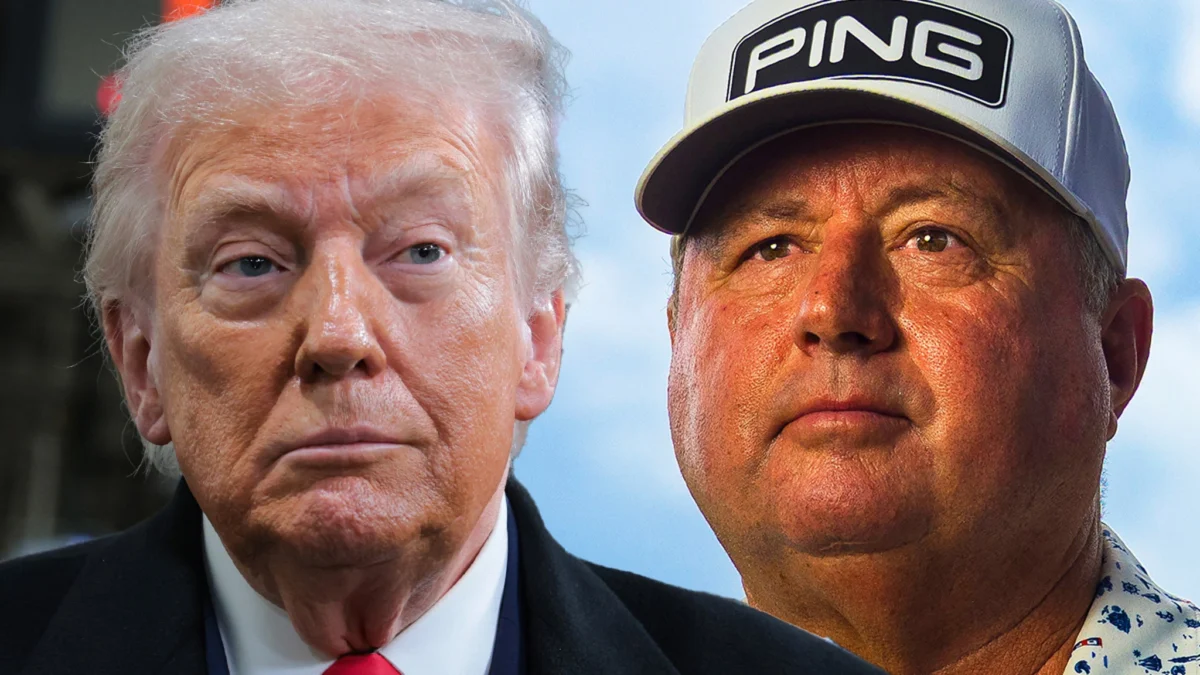
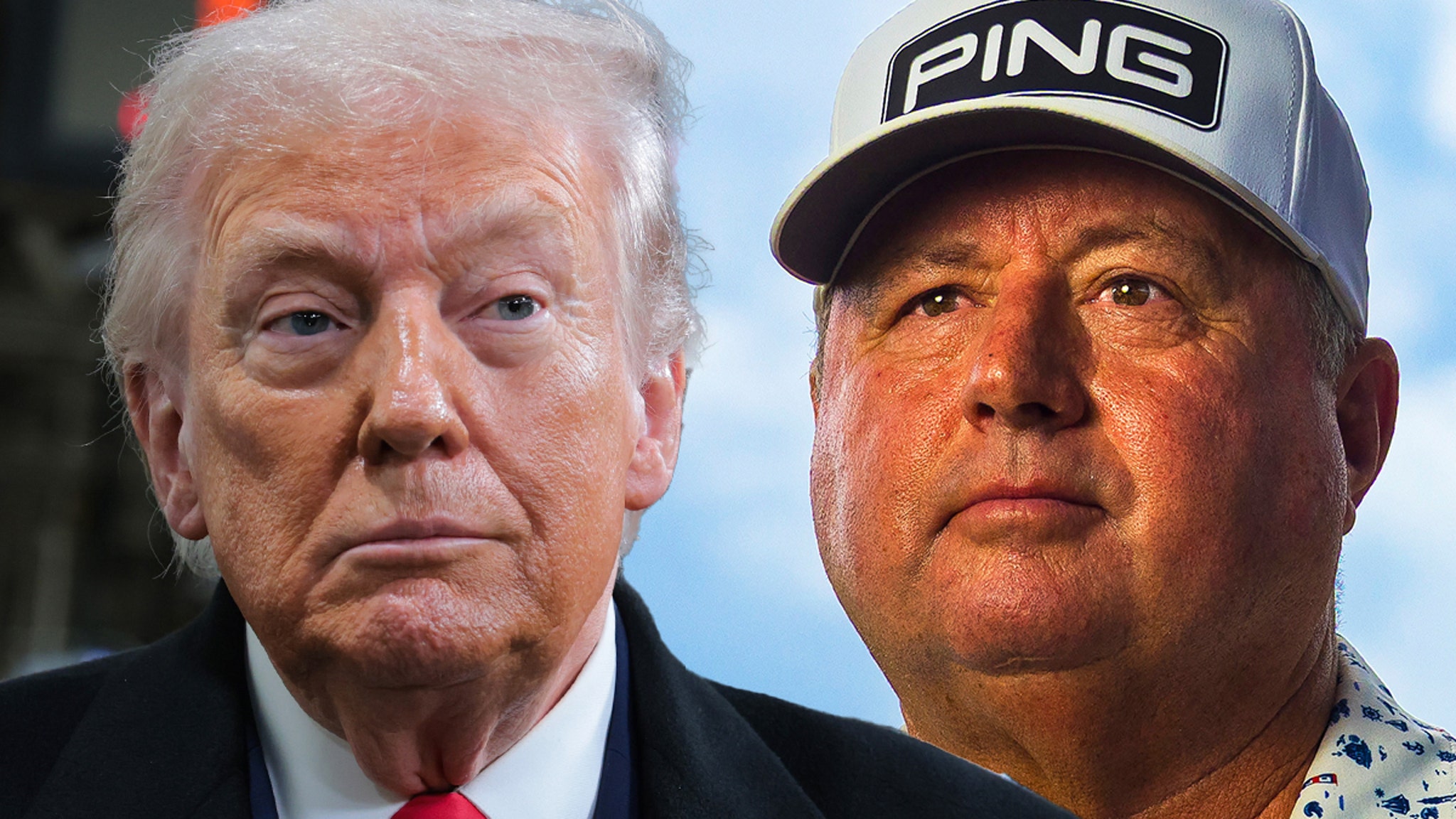
In a notable exercise of executive clemency, President Donald Trump has issued a full pardon to Eric Larson, a professional golf caddy for PGA Tour player Harris English, effectively clearing a decades-old drug conviction that had barred Larson from traveling to international tournaments. This presidential action, confirmed by official White House channels, aims to grant Larson the ability to secure the necessary travel authorizations to accompany English to prestigious events like the British Open and Scottish Open, which are crucial components of the global golf calendar. The pardon specifically addresses a conviction stemming from a drug-dealing offense committed three decades ago, for which Larson served an 11-year prison sentence.
The Pardon’s Genesis: A Second Chance on the Green
Eric Larson’s journey from incarceration to the elite greens of professional golf is a testament to rehabilitation and perseverance. After serving a substantial prison term for his past transgression, Larson embarked on a path of profound personal change, ultimately finding a new career and purpose as a caddy on the PGA Tour. His dedication and expertise earned him a coveted position alongside Harris English, a prominent figure in professional golf. The relationship between a golfer and their caddy is often described as one of the most intimate and crucial partnerships in sports, extending beyond mere bag-carrying to encompass strategic decision-making, emotional support, and an acute understanding of the course and player’s psychology. Larson has become an indispensable part of English’s team, contributing significantly to his recent successes.
The catalyst for this presidential intervention was Larson’s inability to secure a U.K. travel visa, a direct consequence of his historical criminal record. International travel regulations, particularly those concerning entry into the United Kingdom, often impose strict limitations on individuals with past felony convictions, regardless of the time elapsed or evidence of rehabilitation. For Larson, this meant being sidelined from one of the sport’s most hallowed tournaments, The Open Championship (commonly known as the British Open), and other European events that form integral parts of the professional golf season.
The UK Visa Hurdle and Missed Opportunity
The denial of a U.K. visa last year proved to be a significant blow for Larson, both professionally and financially. The British Open is one of golf’s four major championships, drawing immense global attention and offering substantial prize money. In the year Larson was unable to attend, Harris English achieved an impressive second-place finish, securing a formidable $1.8 million in prize money. For caddies on the PGA Tour, a standard compensation structure typically includes a base salary plus a percentage of the golfer’s winnings, often ranging from 5% for making the cut to 7-10% for top finishes, and sometimes even higher for a victory. Based on a conservative 7% commission, Larson missed out on approximately $126,000 from English’s performance at that single tournament. This figure underscores the profound economic impact of his travel restrictions and highlights the direct financial benefit the pardon is expected to facilitate. Beyond the monetary loss, the absence from such a significant event represents a missed opportunity for career advancement, exposure, and the shared experience of competing at golf’s highest level.
The complexities of international travel for individuals with past convictions are not unique to Larson’s case. Many countries, including the UK, maintain stringent immigration policies designed to protect national security and public safety. While each case is assessed individually, a federal pardon from the U.S. President can significantly alter an applicant’s standing by legally restoring rights and, in many instances, mitigating the severity of the past conviction in the eyes of foreign authorities. However, it is important to note that a U.S. presidential pardon does not automatically guarantee entry into another sovereign nation; rather, it removes a major domestic impediment and can be a compelling factor for foreign immigration officials to consider.
Presidential Clemency: Authority and Precedent
The power of the President of the United States to grant pardons is a formidable executive authority enshrined in Article II, Section 2, Clause 1 of the U.S. Constitution, stating that the President "shall have Power to grant Reprieves and Pardons for Offenses against the United States, except in Cases of Impeachment." This power is expansive, allowing the President to forgive individuals for federal crimes, thereby restoring rights and relieving them of legal disabilities. Historically, presidential pardons have been granted for a wide array of reasons, including to rectify perceived injustices, acknowledge acts of rehabilitation, reward public service, or even for political considerations.
Throughout American history, presidents have utilized this power with varying frequencies and for diverse purposes. George Washington issued the first presidential pardon in 1795, and subsequent presidents have used it to address issues ranging from the Whiskey Rebellion to Vietnam War draft dodgers. President Trump, during his term, issued a notable number of pardons and commutations, often favoring individuals whose cases garnered media attention or had personal connections to his administration or supporters. While some pardons have been controversial, others, particularly those emphasizing rehabilitation, have been widely supported. The Department of Justice’s Office of the Pardon Attorney typically processes pardon applications, conducting thorough investigations and making recommendations to the President. However, the President retains ultimate discretion and is not bound by these recommendations. Larson’s pardon appears to fall into the category of recognizing significant rehabilitation and the restoration of opportunities for an individual who has demonstrably turned their life around.
The Mechanics of a Pardon and Its Global Reach
A federal pardon is a declaration of forgiveness that essentially removes all penalties and disabilities resulting from a conviction for a federal crime. It signifies that the individual is forgiven for the offense and is restored to their full civil rights, such as the right to vote, hold office, and serve on a jury, assuming state laws align. Crucially for Eric Larson, a pardon can also significantly impact how a past criminal record is viewed by foreign governments when assessing visa applications. While it doesn’t erase the historical fact of the conviction, it formally recognizes that the U.S. government has forgiven the offense, which can be a powerful mitigating factor for immigration authorities in countries like the United Kingdom.
The UK’s immigration rules, particularly Appendix V: Immigration Rules for Visitors, contain provisions regarding "grounds for refusal," which include past criminal convictions. An individual may be refused entry if they have been convicted of an offense for which they received a custodial sentence of 12 months or more. While a U.S. pardon does not automatically override these rules, it provides substantial evidence of rehabilitation and official forgiveness from the convicting nation. It transforms Larson’s status from an individual with an unaddressed felony conviction to one officially deemed rehabilitated by the highest authority in his home country. This reclassification can be pivotal in a discretionary visa application process, making it much more likely for the UK Home Office to grant the necessary authorization for him to travel and work.
The Caddy’s Crucial Role in Professional Golf
The role of a caddy in professional golf is far more intricate and demanding than simply carrying a player’s bag. They are integral members of a two-person team, responsible for a multitude of tasks that directly influence a golfer’s performance and strategic decisions. This includes managing yardages, reading greens, advising on club selection, monitoring weather conditions, and providing psychological support throughout a round. A good caddy understands the nuances of a course, anticipates challenges, and offers a calming presence under pressure. The bond between a golfer and caddy is built on trust, shared experience, and an almost telepathic understanding of each other’s strengths and weaknesses.
For Harris English, Eric Larson is clearly more than just an employee; he is a trusted confidant and an essential component of his competitive edge. The consistency and familiarity a caddy provides are invaluable, particularly in the high-stakes environment of major championships. The absence of a regular caddy can disrupt a player’s rhythm, confidence, and strategic planning, potentially impacting their performance. While English admirably navigated the British Open last year without Larson, having his trusted partner by his side for future international events is undoubtedly a significant advantage, ensuring continuity and optimal support.
Harris English’s Endorsement and the Road Ahead
Harris English’s public reaction to the pardon underscores the depth of his relationship with Larson and the significance of this executive action. Speaking to the New York Post, English expressed profound joy: "I’m just so pumped for Eric that he can have his rights back… and travel to be by my side and work for me specifically at the Scottish Open and the British Open. He knows what it’s like to have your freedom taken away. He just brings so much joy." This statement highlights not only English’s professional reliance on Larson but also a deep personal empathy for his caddy’s past struggles and his journey toward redemption. The sentiment that Larson "knows what it’s like to have your freedom taken away" resonates deeply, suggesting a shared understanding of life’s challenges that perhaps adds a unique dimension to their professional partnership.
With the pardon now granted, the focus shifts to the upcoming golf season and the anticipation of Larson’s ability to travel internationally. The Scottish Open, often held the week before The Open Championship, serves as a crucial warm-up event, allowing players and caddies to acclimate to links-style golf and European conditions. Larson’s presence at these events will complete English’s team, allowing them to compete at full strength on the global stage. For Larson, it represents not just a return to work but a full reintegration into his chosen profession without the specter of a decades-old mistake dictating his future.
Broader Implications: Rehabilitation, Sport, and Executive Power
The pardon of Eric Larson, while specific to an individual case, carries broader implications across several domains. From a criminal justice perspective, it serves as a high-profile example of rehabilitation and the potential for individuals to overcome past mistakes and contribute meaningfully to society. It highlights the often-difficult barriers faced by ex-offenders seeking to rebuild their lives, particularly concerning international travel and professional opportunities. Advocates for criminal justice reform often point to such cases to argue for more pathways to reintegration for individuals who have served their time and demonstrated a commitment to change.
From a political standpoint, the pardon showcases the discretionary power of the presidency and its capacity to directly impact individual lives. While some might view it through the lens of political patronage or the influence of sports figures, it also aligns with a narrative of "second chances" that has historically resonated with various segments of the electorate. The intersection of sports and politics, particularly when high-profile athletes or figures are involved, often draws significant public attention, sparking discussions about fairness, justice, and the appropriate use of executive authority.
Finally, within the world of professional sports, this case underscores the global nature of modern competition and the logistical challenges faced by teams. It also subtly emphasizes the often-unseen support structures—like caddies—that are vital to an athlete’s success. The ability to assemble and maintain a consistent, high-performing support team is crucial, and any impediment to that can have tangible effects on performance and earnings.
A Timeline of Key Events
- Three Decades Ago: Eric Larson is convicted of a drug-dealing offense.
- 11 Years Later: Larson completes his prison sentence, serving 11 years for the conviction.
- Post-Incarceration: Larson embarks on a new path, eventually becoming a professional golf caddy.
- Recent Years: Larson establishes a successful partnership with PGA Tour golfer Harris English.
- Last Year: Larson is denied U.K. authorization due to his past record, preventing him from caddying for English at the British Open, where English finishes second and earns $1.8 million. Larson misses out on a significant commission.
- Presidential Action: President Donald Trump issues a full pardon for Eric Larson’s federal drug conviction.
- Upcoming Season: Larson is now expected to be able to travel and caddy for Harris English at the Scottish Open and British Open, and other international tournaments.
In conclusion, President Trump’s pardon of Eric Larson is a story that intertwines personal redemption, the unique demands of professional sports, and the profound power of executive clemency. It not only clears a path for Larson to rejoin Harris English on the international golf stage but also serves as a poignant reminder of the enduring impact of past convictions and the transformative potential of second chances. For Larson, the pardon signifies the restoration of his full rights and the freedom to pursue his profession without hindrance, promising a future where his past no longer dictates his global aspirations on the green.




 Yuyun Lusiyani
 Joko Widodo
 Eva Lovia
 Pevita Pearce

 Lina Irawan