
 admin
admin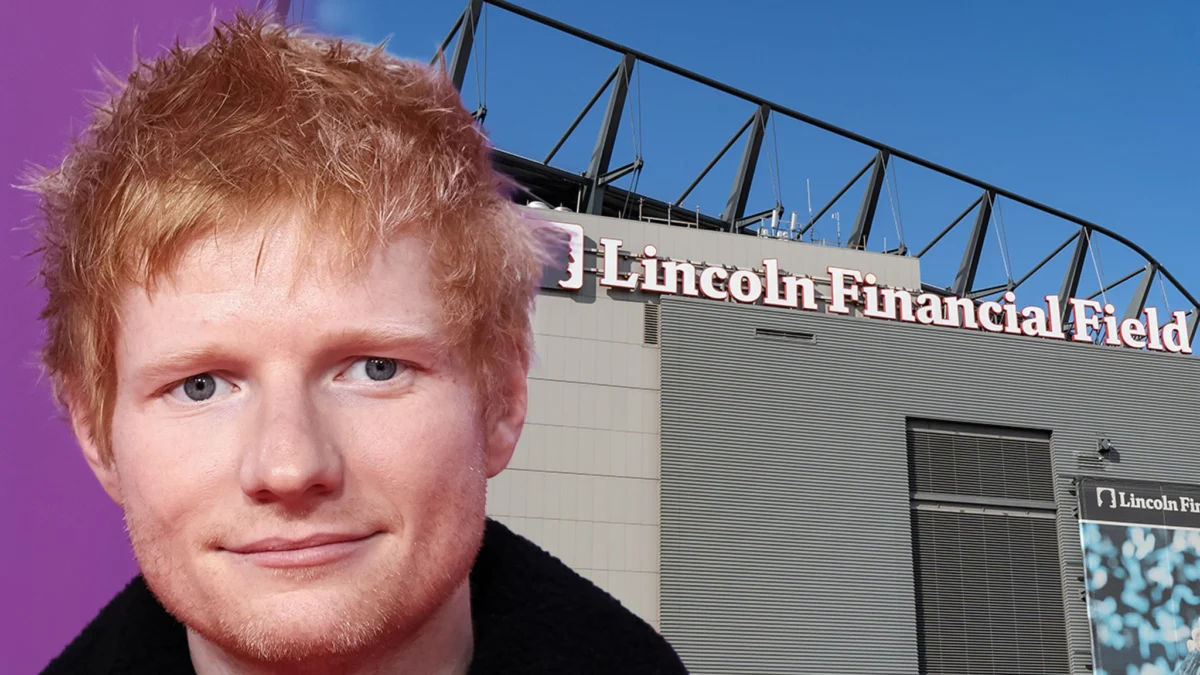
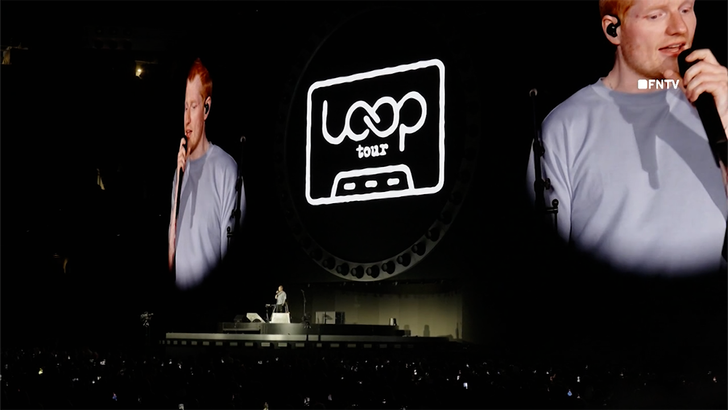
Global music sensation Ed Sheeran delivered a deeply emotional address during his Philadelphia concert on Saturday, September 19, 2026, visibly moved to tears as he apologized for recent controversies surrounding his tour. The British singer-songwriter candidly discussed the contentious removal of opening act Macklemore and shared his profound distress regarding the ongoing conflict between Israel and Palestine, declaring himself "personally appalled" by the situation. This highly anticipated performance marked Sheeran’s first since the dramatic shake-up of his North American tour, which saw all supporting artists withdraw in solidarity with Macklemore.
A Concert Amidst Controversy: The Philadelphia Address
The atmosphere in Philadelphia’s stadium was charged with anticipation and tension, following days of escalating news and planned protests. Sheeran, typically known for his upbeat performances and heartfelt ballads, took a somber turn, addressing the crowd with a raw vulnerability rarely seen from the superstar. He began by expressing deep remorse, stating, "I’m so, so sorry" after "making mistakes," before elaborating on his decision to speak out. His voice wavered as he articulated the complexities he found himself entangled in. "I don’t want to disappoint fans, and I’ve never wanted to be an activist musician, but this has put me in the middle of an important and passionate argument about freedom of speech and the most complex political issue on the planet," Sheeran confessed. He emphasized his commitment to creating a "safe space for everyone" at his concerts and the essential nature of honoring his commitments to his fanbase, explaining his decision to continue the tour as a solo act.
During his poignant speech, Sheeran did not shy away from directly addressing the geopolitical conflict that had inadvertently become central to his tour’s narrative. He unequivocally condemned the October 7 attack on Israel as "catastrophic" while simultaneously labeling Israel’s subsequent response as "unjustifiable" and "disproportionate." This carefully worded statement sought to acknowledge the suffering on both sides, reflecting the immense pressure artists face when navigating such sensitive global issues. The depth of his emotion was evident, underscoring the personal toll the controversy had taken on him.
The Macklemore Exodus: A Timeline of Disruption
The immediate catalyst for Sheeran’s emotional address was the abrupt departure of American rapper Macklemore from the tour. Macklemore, known for his socially conscious lyrics, had made several public statements expressing solidarity with Palestine, notably using the phrase "Free Palestine" during performances. These comments ignited a firestorm of controversy, particularly within certain segments of the audience and among influential figures.
The timeline of events leading up to Macklemore’s removal and the subsequent tour disruption unfolded rapidly:
- Early September 2026: Macklemore begins incorporating pro-Palestine sentiments into his live performances during the initial leg of the Ed Sheeran tour.
- September 6, 2026: Backlash against Macklemore’s statements intensifies, with reports of petitions and calls for his removal from the tour circulating online.
- September 14, 2026: News breaks that Macklemore has been "booted" from the tour. Macklemore publicly attributes his removal to pressure from NFL owner Robert Kraft, who allegedly gave Ed Sheeran an ultimatum: drop Macklemore or face consequences related to stadium access and endorsements. Kraft, a prominent businessman and philanthropist, is known for his strong support of Israel.
- September 15, 2026: In a show of solidarity, the remaining opening acts on Sheeran’s tour announce their withdrawal, leaving Sheeran as the sole performer for the upcoming dates. This move highlights the deep divisions and ethical considerations artists face when political stances intersect with commercial ventures.
- September 17, 2026: Reports surface about increased security measures for Sheeran’s Philadelphia concert due to anticipated pro-Palestinian protests. Simultaneously, fans who had purchased tickets for the now-truncated lineup express frustration over difficulties in obtaining refunds or reselling their tickets.
- September 19, 2026: Ed Sheeran delivers his emotional apology and explanation at the Philadelphia concert.
Sheeran clarified during his speech that the ultimate decision to remove Macklemore was not his alone. He confirmed that Robert Kraft, whose stadiums are frequently used for major concert tours, indicated that Macklemore performing in his venues would "cross a line." Sheeran also alluded to other NFL owners rallying against Macklemore, effectively leading to the rapper’s dismissal from the tour. This revelation sheds light on the significant influence powerful venue owners and sponsors can exert over artists and their touring schedules, particularly when political discourse becomes a factor.
The Broader Context: Artists, Activism, and Commercial Pressures
The incident involving Ed Sheeran and Macklemore is not an isolated event but rather a microcosm of a larger, evolving landscape where celebrity influence, political activism, and corporate interests frequently collide. In an increasingly interconnected world, artists are often expected, or pressured, to use their platforms to address social and political issues. However, doing so carries inherent risks, particularly when these issues are as polarizing as the Israeli-Palestinian conflict.
The conflict itself, rooted in decades of contested land claims, historical grievances, and complex geopolitical dynamics, remains one of the most intractable international disputes. The events of October 7, 2026, and the subsequent military response, had intensified global debate, drawing strong reactions from individuals and governments worldwide. For an artist like Sheeran, whose fanbase spans diverse cultural and political spectrums, navigating such a sensitive topic is fraught with peril, risking alienation of significant portions of his audience or powerful industry stakeholders.
Sheeran’s reluctance to be an "activist musician" reflects a common sentiment among many artists who prefer their work to transcend political divides. Yet, the very act of maintaining neutrality can be perceived as a political stance, particularly when a tour mate takes a definitive position. The pressure exerted by figures like Robert Kraft underscores the economic realities of the music industry. Stadium tours are massive logistical and financial undertakings, often dependent on relationships with venue owners, promoters, and corporate sponsors. Challenging these powerful entities can have significant repercussions, from loss of venues to financial penalties and reputational damage.
Fan Impact and Public Response
The tour disruptions had tangible consequences for fans. Many had purchased tickets with the expectation of seeing a full lineup of artists, not just Ed Sheeran. The subsequent withdrawal of all opening acts, including Macklemore, diminished the value proposition for these ticket holders. Reports indicated that fans attempting to secure refunds encountered significant difficulties, and the resale market for the affected concerts saw a notable drop in prices, reflecting decreased demand. This situation highlighted the consumer protection challenges that arise when major events are altered due to unforeseen circumstances, especially those driven by political controversies.
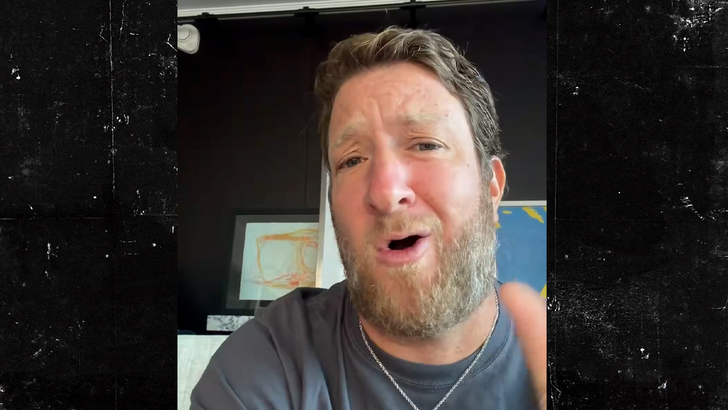
Leading up to the Philadelphia concert, the Philly Palestine Coalition announced plans for a protest outside the venue. This demonstrated the public’s heightened engagement with the controversy and their desire to voice their opinions directly at the site of the event. In response to these planned demonstrations and the overall charged atmosphere, the Philadelphia Police Department confirmed that "appropriate measures" were taken to ensure the safety of concert-goers, performers, and protestors alike. This often involves increased police presence, crowd control strategies, and coordination with venue security.
Implications for the Music Industry and Freedom of Speech
The Ed Sheeran-Macklemore saga raises critical questions about artistic freedom of speech versus commercial obligations and the increasing politicization of entertainment. While artists historically have used their platforms for advocacy, the current climate, intensified by social media and global connectivity, has amplified both the reach and the potential backlash of such expressions.
- Artistic Integrity vs. Commercial Viability: The incident starkly illustrates the delicate balance artists must strike between expressing their personal beliefs and maintaining commercial viability. For many, taking a stand on controversial issues is a matter of conscience, but it can come at a significant professional cost.
- Influence of Stakeholders: The role of venue owners and sponsors like Robert Kraft highlights the power dynamics within the entertainment industry. Their financial leverage can directly impact artistic lineups and potentially censor voices deemed too controversial, raising concerns about corporate influence on cultural expression.
- Precedent for Future Tours: This event could set a precedent for how future tours are structured and how artists are vetted. Promoters might become more cautious about booking artists with strong political leanings, or include stricter clauses in contracts regarding public statements.
- The "Activist Musician" Dilemma: Sheeran’s statement about not wanting to be an "activist musician" resonates with many who believe art should be separate from politics. However, in an era where silence is often interpreted as complicity, this position is increasingly difficult to maintain. The expectation for celebrities to weigh in on global events continues to grow, putting them in an unenviable position.
- Fan Engagement and Loyalty: The incident also tests the loyalty of fanbases. While some fans might appreciate an artist’s honesty and willingness to engage with complex issues, others might feel alienated or simply wish for a purely escapist concert experience. The difficulty in obtaining refunds reflects a consumer base caught in the crossfire of geopolitical and corporate disputes.
In conclusion, Ed Sheeran’s emotional apology in Philadelphia was more than just a public statement; it was a deeply personal reflection on the unforeseen challenges that can engulf a global music tour. It underscored the profound personal and professional pressures artists face when their world intersects with the complexities of international politics, the power dynamics of the entertainment industry, and the ever-present demands of public opinion. As the dust settles on this particular controversy, the broader implications for artistic freedom, corporate responsibility, and the role of celebrities in social discourse will undoubtedly continue to be debated for years to come.




 Yuyun Lusiyani
 Joko Widodo
 Eva Lovia
 Pevita Pearce

 Lina Irawan