
 admin
admin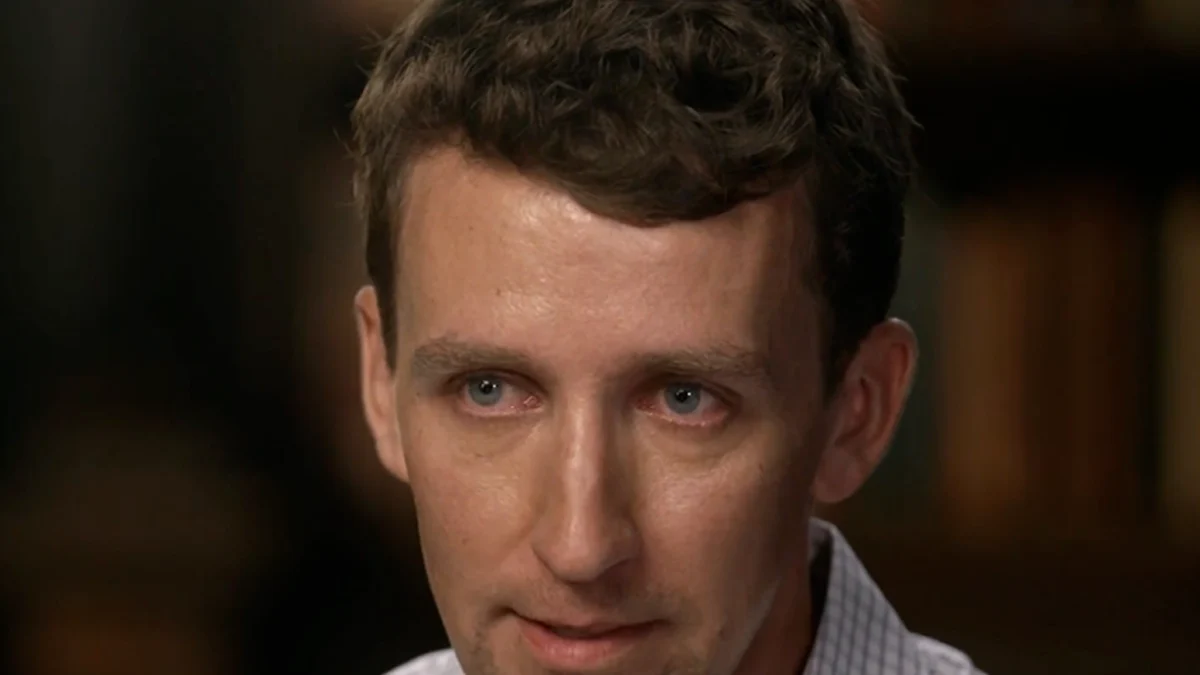
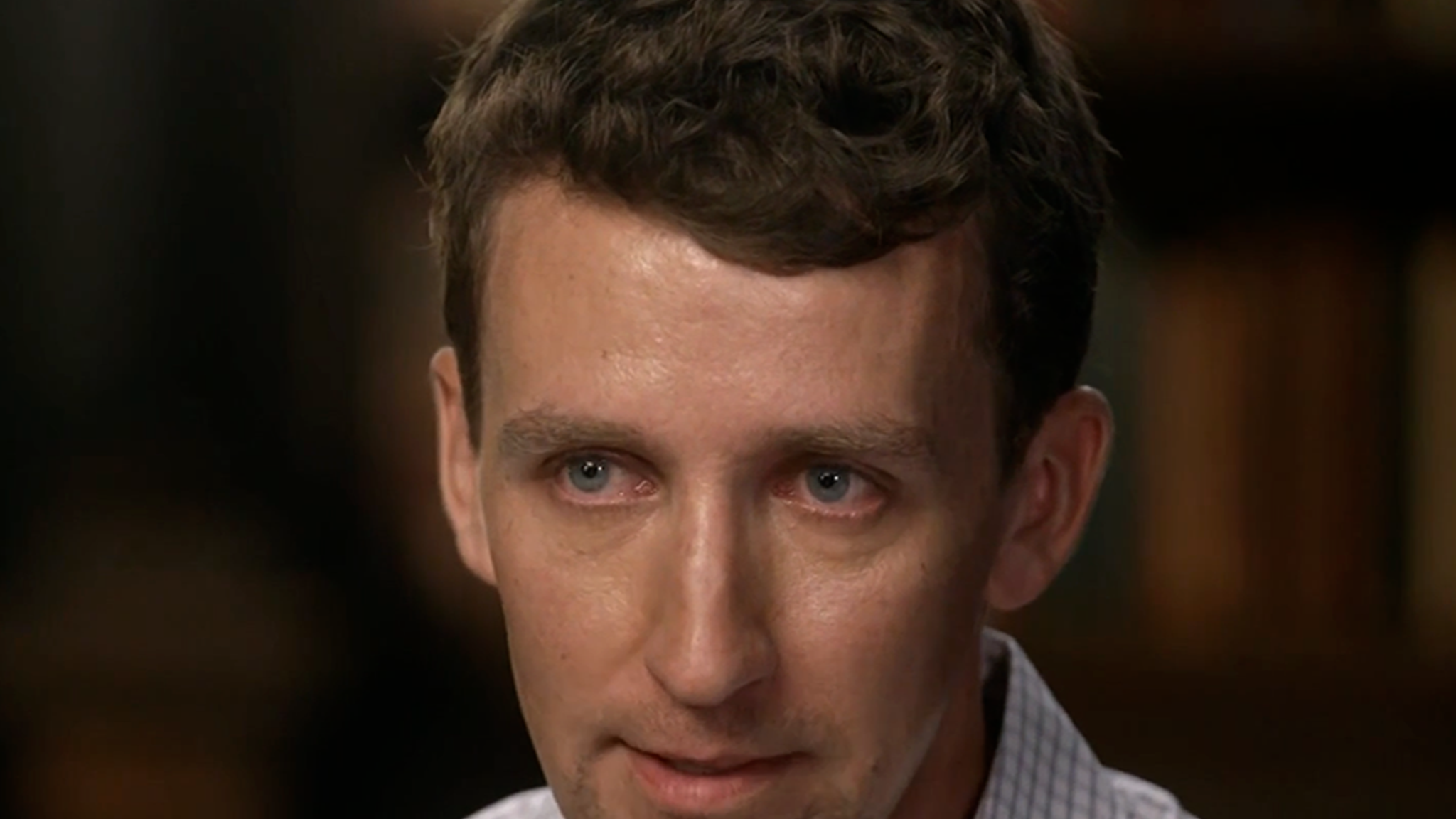
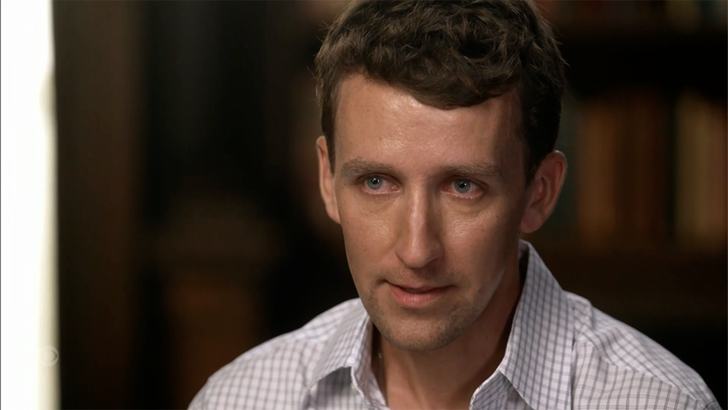
In a raw and profoundly emotional interview on "60 Minutes," Patrick Clancy, ex-husband of Lindsay Clancy, shared the agonizing details of his final moments with his youngest son, Callan, as the child succumbed to injuries sustained in a horrific family tragedy. The interview provided a rare and heart-wrenching glimpse into the unimaginable grief of a father who lost all three of his children, Cora, Dawson, and Callan, at the hands of their mother, Lindsay Clancy, whose case recently resulted in a mistrial. Patrick’s testimony underscored not only his personal devastation but also reignited crucial conversations about mental health, justice, and the resilience of the human spirit in the face of unparalleled sorrow.
The Heartbreaking Final Moments with Callan
During the wide-ranging interview, Patrick Clancy recounted the devastating scene in the hospital where his son, Callan, fought for his life for four days after being strangled by his mother. With immense pain, Patrick described the moments leading up to Callan’s passing, revealing a deeply personal and sorrowful farewell. "I said ‘I’m so sorry,’ and I got to hold him, I got to lay down next to him. And he died in my arms," Clancy told CBS’ Ross Douthat. This intimate confession painted a vivid picture of a father’s desperate attempt to comfort his child in his last breaths, carrying the immense burden of helplessness and grief.
Prior to Callan’s death, Patrick had clung to a fragile hope that at least one of his children might survive. He expressed this desperate plea to the universe, saying, "Just gimme one. Just gimme one kid,’ and I would raise him as best I could, and I would give him the best life I possibly could. I’d tell him about his brother and sister." This poignant sentiment highlighted the depth of his love and his innate paternal instinct to protect and nurture, even as the world around him crumbled. However, this glimmer of hope was cruelly extinguished upon seeing the doctor’s expression at the hospital. "And then when I got to the hospital, I saw the doctor. I saw the look on her face, and I knew that it wasn’t going to be a good prognosis," he recalled, a moment that foreshadowed the ultimate, unbearable loss.
A Tragic Timeline: The Events Unfold
The tragedy that claimed the lives of Cora, 5, Dawson, 3, and Callan, 7 months, unfolded with shocking brutality, sending shockwaves across the nation and drawing intense scrutiny to issues of mental health, particularly postpartum conditions.
Pre-Tragedy Context and Lindsay Clancy’s Struggles
Leading up to the devastating incident, Lindsay Clancy, a labor and delivery nurse, had reportedly been grappling with severe postpartum depression and anxiety following the birth of her third child, Callan. Her family and legal defense have indicated that she was being treated with a cocktail of medications and was under significant stress. This period saw her seeking various forms of treatment and support, including psychiatric care. Her husband, Patrick, had openly discussed his efforts to support her, taking on more childcare responsibilities and seeking professional help for his wife. The narrative painted a picture of a family struggling under the weight of a mother’s deteriorating mental state, with a husband desperately trying to keep his family afloat. While the exact details of her mental health decline are complex and remain a central point of contention in legal proceedings, the defense has consistently argued that she was suffering from severe postpartum psychosis, a rare but devastating mental illness that can lead to delusions, hallucinations, and impaired judgment.
The Unfathomable Incident
On a fateful Tuesday evening, the unimaginable occurred. While Patrick Clancy was out picking up dinner, Lindsay allegedly strangled her three young children in their Duxbury, Massachusetts home. After the act, she reportedly jumped from a second-story window, sustaining severe injuries that left her paralyzed. Patrick returned home to discover the horrifying scene, a moment that he has described as shattering his world irrevoc forever. The immediate aftermath was chaotic, with emergency services responding to the distressed calls, only to find the children gravely injured. Cora and Dawson were pronounced dead shortly after, while Callan was rushed to the hospital, where he fought valiantly for four days before ultimately succumbing.
Hospitalization and the Agonizing Wait
The four days Callan spent in critical condition represented a period of agonizing suspense for Patrick. While his two older children were gone, the slim possibility of Callan’s survival offered a fragile anchor in an otherwise unfathomable sea of grief. Medical teams worked tirelessly, but the extent of Callan’s injuries proved insurmountable. Patrick’s presence at his son’s bedside, holding him as he passed, became a testament to a father’s unwavering love even in the face of the ultimate loss. This period underscored the physical and emotional toll such a tragedy exacts, not just on the victims but also on the surviving family members forced to witness the slow fade of life.
Legal Proceedings and Public Scrutiny
The immediate legal aftermath saw Lindsay Clancy charged with two counts of murder for the deaths of Cora and Dawson, and later a third count for Callan’s death. Her case has been marked by complex legal battles, focusing heavily on her mental state at the time of the alleged crimes.
The Defense’s Argument: Postpartum Psychosis
The core of Lindsay Clancy’s defense has centered on the argument that she was not criminally responsible due to severe mental illness, specifically postpartum psychosis. This condition, distinct from postpartum depression, can manifest as a sudden onset of psychotic symptoms, including delusions, hallucinations, and irrational thoughts, typically appearing within the first few weeks after childbirth. Defense attorneys have contended that Clancy was experiencing a severe psychotic break, rendering her incapable of understanding the wrongfulness of her actions or forming criminal intent. They have highlighted the rapid deterioration of her mental health, the numerous medications she was prescribed, and the family’s attempts to seek help as evidence supporting their claim. The legal challenge in such cases often lies in proving the extent of mental impairment to a jury, balancing the need for justice for the victims with a compassionate understanding of mental illness.
The Mistrial and its Implications
Just over two weeks before Patrick Clancy’s "60 Minutes" interview, Lindsay Clancy’s case resulted in a mistrial. A mistrial occurs when a trial is terminated prematurely without a verdict. This can happen for various reasons, such as a hung jury (where jurors cannot agree on a verdict), prosecutorial misconduct, or significant legal errors. While the specific reasons for the mistrial in Clancy’s case were not detailed in the provided article, it typically means that the legal process will either restart with a new trial, or the prosecution may decide not to pursue the charges further, though this is less common in murder cases.
The declaration of a mistrial leaves the legal future of Lindsay Clancy uncertain. It prolongs the agony for the Clancy family, denying them the closure that a definitive legal outcome might bring. For the public, it underscores the profound complexities and challenges inherent in prosecuting cases where severe mental illness is a central defense. It also opens the door for renewed public discourse on how the legal system addresses mental health and criminal responsibility.
The Profound Impact on Patrick Clancy
Patrick Clancy’s journey through this unfathomable tragedy has been one of unimaginable grief, yet also a testament to resilience. His "60 Minutes" interview was not merely a recounting of facts but a public expression of his profound and enduring pain.
Ongoing Grief and Resilience
Patrick has openly shared his ongoing struggle with the loss of his children, revealing that he still talks to them "all the time." This ritual of remembrance is a common coping mechanism for those who have experienced such profound loss, a way to maintain a connection with loved ones who are no longer physically present. His ability to speak about his children and the circumstances of their deaths, despite the immense pain, showcases a remarkable strength. It’s a strength born out of love, a desire to honor their memory, and perhaps, to find a path toward healing, however arduous.
The Role of Rachel Danis and Future Plans
In this period of profound grief and rebuilding, Patrick has found support in his current partner, Rachel Danis. Danis has publicly defended Patrick, describing him as "the most selfless father and supportive partner" on "CBS Mornings." Her statement provided a crucial humanizing element, countering any potential public judgment or misperception of Patrick’s role or character in the wake of such a tragedy.
Crucially, the interview also revealed a shared vision for the future: Patrick and Rachel have plans to start a family together. This announcement, made amidst the sorrow, represents a poignant and powerful act of hope and renewal. Patrick expressed his eagerness to share the memory of his lost children with his future family, stating, "I can’t wait to tell them about their brothers and sister." This desire speaks volumes about his commitment to keeping the memory of Cora, Dawson, and Callan alive, integrating their story into the fabric of his future life, and demonstrating that even after devastating loss, the human capacity for love and new beginnings can endure.
Broader Societal Implications and Mental Health Awareness
The Lindsay Clancy case and Patrick’s public statements have reverberated far beyond the immediate family, sparking critical discussions about mental health, particularly in the perinatal period, and the societal frameworks for addressing such tragedies.
The Critical Need for Postpartum Mental Health Awareness
This case has undeniably brought increased attention to the often-underestimated severity of postpartum mental illnesses. While postpartum depression is more widely recognized, conditions like postpartum psychosis remain less understood by the general public and, at times, by healthcare systems. Symptoms can be subtle at first but can escalate rapidly, leading to severe impairment. The tragedy highlights the urgent need for:

- Universal screening: More comprehensive and consistent screening for perinatal mental health conditions during and after pregnancy.
- Accessible treatment: Ensuring that new mothers have immediate access to specialized mental healthcare services, including therapy, medication management, and inpatient care when necessary.
- Education: Raising awareness among families, healthcare providers, and the public about the signs and symptoms of postpartum mental illnesses, emphasizing that these are medical conditions, not character flaws.
- Destigmatization: Creating an environment where mothers feel safe to disclose their struggles without fear of judgment or legal repercussions, which can often deter them from seeking help.
Legal vs. Medical Frameworks: A Complex Interplay
The mistrial in Lindsay Clancy’s case underscores the inherent tension and complexity when severe mental illness intersects with the legal system. The legal framework primarily focuses on criminal intent and responsibility, while the medical framework emphasizes diagnosis, treatment, and recovery. Cases involving mental health defenses, particularly the insanity defense, force a reckoning between these two perspectives. They challenge society to consider how to hold individuals accountable for horrific acts while simultaneously acknowledging the profound impact of mental illness on perception and behavior. The outcome of such trials can set precedents for how similar cases are handled, influencing public policy and legal interpretations for years to come.
The Burden on Families and Support Systems
This tragedy also shines a light on the immense burden placed on families when a loved one experiences severe mental health crises. Patrick Clancy’s account reveals the desperate attempts to support his wife, navigating a complex medical system while simultaneously managing the demands of a young family. It emphasizes the need for robust support systems, not just for the individual struggling with mental illness but also for their caregivers and family members, who often bear significant emotional, practical, and financial strain. Community resources, family support groups, and accessible respite care are crucial components of a holistic approach to mental health support.
Conclusion
Patrick Clancy’s courageous decision to share his story on "60 Minutes" offers a poignant and unforgettable look into the depths of human grief and resilience. His account of holding his dying son, Callan, in his arms is a moment etched in the collective consciousness, a stark reminder of the fragility of life and the devastating impact of untreated mental illness. As the legal proceedings surrounding Lindsay Clancy continue to unfold, the broader societal conversation about postpartum mental health, accessible care, and compassionate justice gains renewed urgency. Patrick’s willingness to speak, to remember his children, and to envision a future family, even after such profound loss, stands as a powerful testament to the enduring strength of the human spirit and the unwavering power of love, even in the face of unimaginable sorrow. The memory of Cora, Dawson, and Callan will undoubtedly continue to fuel a critical dialogue, hoping to prevent similar tragedies and foster a more understanding and supportive world for all families.




 Jia Lissa
 Yuyun Lusiyani
 Joko Widodo
 Eva Lovia

 Pevita Pearce