
 Lina Irawan
The regulatory landscape of Sydney’s hospitality sector underwent a significant transformation on October 1, 2026, as the City of Sydney officially implemented its updated Outdoor Dining Guidelines. This shift marks the formal end of several restrictive measures that had governed the city’s nightlife and dining culture for years, many of which were remnants of the COVID-19 pandemic era. The most notable change allows patrons at approved licensed venues to consume alcohol while standing on the footpath, removing the long-standing requirement for seated service in outdoor areas. By streamlining these regulations, the City of Sydney aims to foster a more flexible, vibrant street culture that aligns with international standards found in major European and British metropolitan centers.
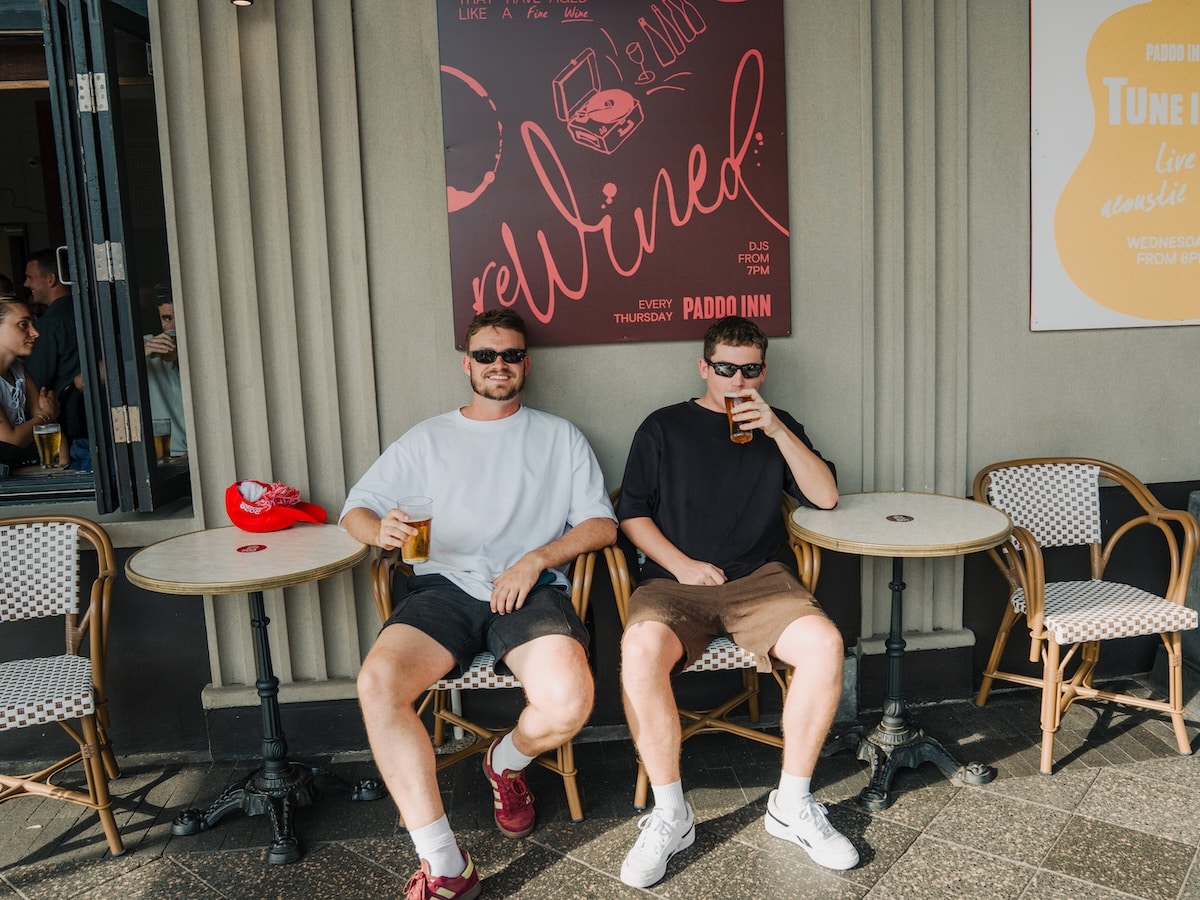
The new guidelines represent a culmination of several years of legislative efforts to revitalize the New South Wales (NSW) night-time economy. Under the revised framework, pubs, bars, restaurants, and cafes that possess the necessary approvals can now designate standing-only zones on the footpaths directly outside their premises. This eliminates the mandatory requirement for tables, chairs, or drink shelves, which previously dictated the physical layout of outdoor dining spaces. However, the City of Sydney has clarified that these changes do not grant venues a "blanket" right to occupy public space; rather, any standing area must be explicitly approved by the Council and must fall within the boundaries of the venue’s specific liquor license.

A Decade of Regulatory Evolution: From Lockouts to Vibrancy
To understand the significance of the October 2026 reforms, it is necessary to examine the chronological progression of Sydney’s hospitality regulations over the last decade. The city’s nightlife was famously curtailed in 2014 with the introduction of "lockout laws," which were designed to reduce alcohol-related violence but resulted in a significant downturn in the late-night economy. While these laws were gradually wound back starting in 2020, the onset of the global pandemic introduced a new set of "temporary" restrictions, including QR-code check-ins, social distancing mandates, and the requirement that all patrons remain seated while consuming alcohol.
The timeline of reform leading to the current guidelines is as follows:
- January 2021: The NSW Government begins a gradual repeal of lockout laws in the CBD and Oxford Street, though many venues remain hampered by pandemic-era density limits.
- Late 2023: The NSW Government launches the "Vibrancy Reforms," a comprehensive package aimed at simplifying outdoor dining approvals, protecting live music venues from noise complaints, and extending trading hours.
- 2024: The state government announces the removal of the blanket "seated-only" condition for temporary outdoor dining areas, labeling it an outdated "hangover" from the pandemic.
- January 2026: The final vestiges of the original lockout law conditions are removed, signaling a full legislative pivot toward a 24-hour economy model.
- September 21, 2026: The City of Sydney Council formally adopts the new Outdoor Dining Guidelines.
- October 1, 2026: The guidelines take effect, allowing standing patrons and expanded footpath footprints across the local government area.
Technical Provisions and Footpath Management
While the headline change focuses on standing patrons, the 2026 guidelines introduce several technical adjustments to how businesses utilize public land. One of the most impactful changes for small business owners is the "neighboring shopfront" provision. Under the new rules, a venue can apply to use the footpath space in front of an adjacent business, provided they have the written consent of that neighbor. This allows popular venues to expand their capacity during peak periods without infringing on the accessibility of the street.

Furthermore, the City of Sydney has addressed the physical aesthetics and logistics of outdoor dining. Previously, many venues were required to remove all furniture, including heavy planter boxes and barriers, at the end of each night. The new guidelines permit the use of permanent or semi-permanent planter boxes and large pots to define dining areas. This change is expected to reduce the labor burden on hospitality staff and contribute to a more consistent and attractive streetscape.
However, the Council maintains strict oversight regarding pedestrian flow. Venues must ensure a "clear path of travel" at all times, catering to pedestrians, parents with prams, and individuals using mobility aids or wheelchairs. On wider footpaths, the guidelines now allow for "split" dining areas, where a venue can place seating or standing zones on both the building side and the kerb side of the pavement, provided a central pedestrian corridor remains unobstructed.
Geographic Limitations and Jurisdictional Nuances
It is important for both operators and the public to note that the City of Sydney’s guidelines do not apply universally across the metropolitan area. Several high-traffic precincts within the city are managed by separate state entities with their own distinct sets of rules. These include:
- The Rocks and Circular Quay: Managed by Place Management NSW.
- Barangaroo: Overseen by Infrastructure NSW.
- Darling Harbour: Managed by Place Management NSW.
In these precincts, the rules regarding standing patrons and outdoor furniture may differ from the Council’s guidelines. Patrons moving between the CBD and The Rocks, for example, may find themselves subject to different local regulations despite the geographical proximity. Within the City of Sydney’s jurisdiction, venues are required to display their approved site plans and liquor license boundaries clearly, ensuring that patrons do not inadvertently carry alcohol into non-licensed public thoroughfares.
Economic Context and the "State of the Night"
The implementation of these reforms comes at a critical time for the NSW hospitality industry. Data from the "State of the Night" report, published in late 2025, highlighted a complex landscape for Sydney’s evening economy. While regulatory barriers have been lowering, the report noted that consumer spending has been tempered by cost-of-living pressures and a shift in post-pandemic social habits.
According to the report:

- Patron Frequency: While total venue numbers have stabilized, the frequency of "nights out" per capita remains approximately 15% lower than 2019 levels.
- Spending Habits: Consumers are increasingly prioritizing "value-driven" experiences, with a marked increase in mid-week dining compared to traditional Friday and Saturday night surges.
- Operational Costs: Hospitality businesses reported a 12% average increase in overheads between 2024 and 2026, driven by rising energy costs and wage growth.
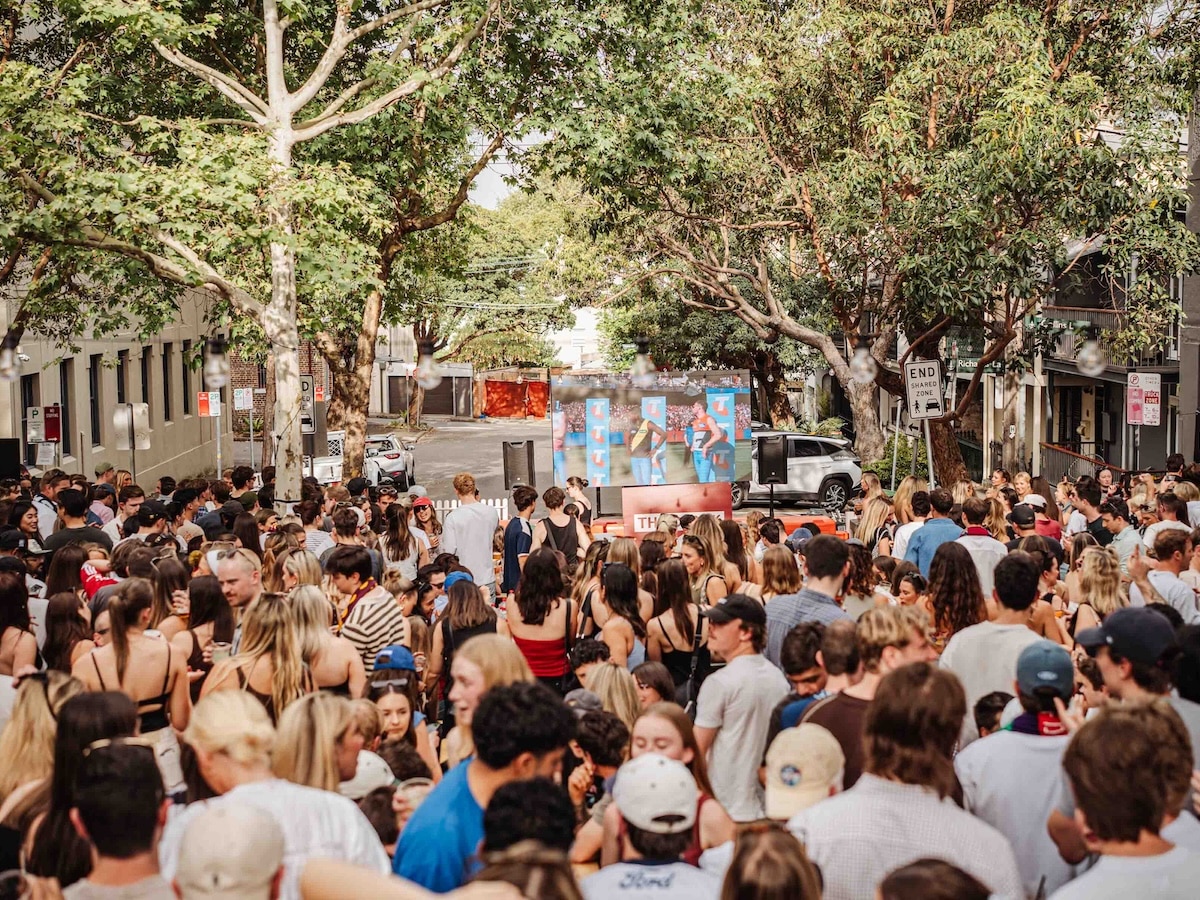
Industry analysts suggest that the October 2026 reforms are designed to mitigate these economic pressures by allowing venues to increase their "dwell time" and capacity without requiring significant capital investment in new furniture or interior renovations. By allowing standing room, a pub can theoretically accommodate a larger crowd during peak hours, such as after-work drinks or pre-sporting event windows, thereby increasing revenue potential.
Stakeholder Responses and Industry Impact
The response from the hospitality industry has been largely positive, with the Australian Hotels Association (AHA) and various "Business Sydney" advocacy groups welcoming the reduction in "red tape." Inferred statements from industry leaders suggest that the previous requirement for patrons to be seated was often a point of friction between staff and customers, particularly in crowded pub environments. The ability to stand with a drink is seen as a return to "common sense" policing of licensed venues.
Urban planning experts have also weighed in on the implications for Sydney’s "street life." By encouraging more active use of the footpath, the city moves closer to the "al fresco" culture of cities like London, Paris, and Melbourne. In Melbourne, similar rules have long allowed for a more fluid interaction between the pub and the street, though Victorian regulations still maintain a requirement that 75% of a venue’s outdoor capacity be allocated to seated dining under certain license types. Sydney’s move to allow dedicated standing zones without such percentages is seen as a more aggressive step toward deregulation.
Analysis of Long-term Implications
The long-term success of the October 2026 guidelines will likely depend on the balance between "vibrancy" and "amenity." While the hospitality sector gains more freedom, the City of Sydney must manage potential noise complaints from residents in densifying urban cores like Surry Hills, Darlinghurst, and Pyrmont. The "Vibrancy Reforms" of 2023 already introduced the "agent of change" principle, which generally protects established venues from noise complaints by new residents moving into the area. However, the expansion of outdoor standing areas could test the limits of this principle if evening noise levels increase significantly.
Furthermore, the shift reflects a broader global trend in urban management where cities are reclaimed as social spaces rather than mere transit corridors. By allowing businesses to "share" footpaths and use permanent greenery, the Council is effectively outsourcing a portion of street beautification to the private sector.
In conclusion, the reforms that took effect on October 1, 2026, represent a decisive break from the restrictive "nanny state" reputation that Sydney acquired over the previous decade. By allowing patrons to stand with a beer on a Sydney footpath, the city is not just adopting a new service model; it is signaling a shift in its cultural identity. As the night-time economy continues to recover and evolve, these guidelines provide the structural flexibility necessary for venues to adapt to changing consumer demands while maintaining the safety and accessibility of the city’s public spaces.




 Jia Lissa
 Pevita Pearce
 admin
admin
 Yuyun Lusiyani
 Joko Widodo
 Eva Lovia