
 Lina Irawan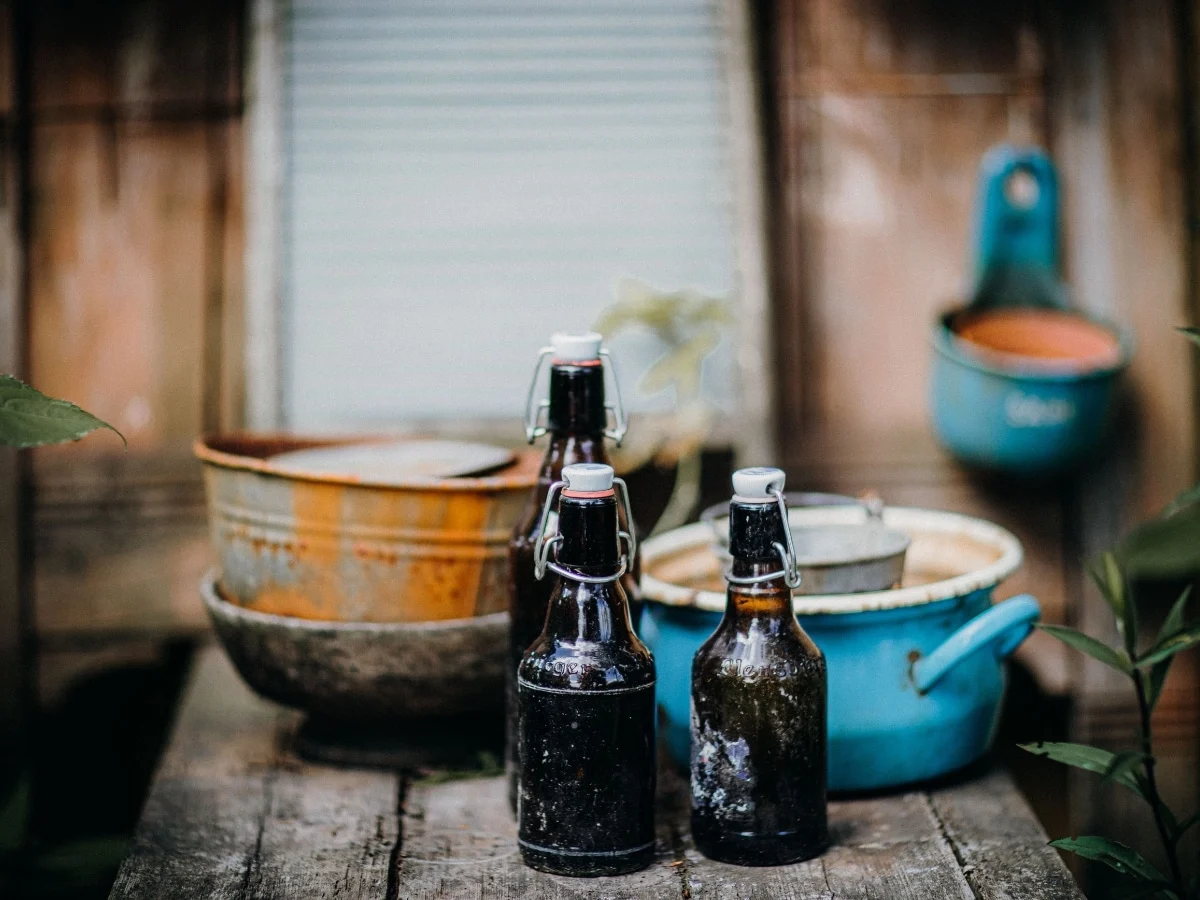
As global inflation and rising excise taxes continue to place upward pressure on the hospitality sector, a growing demographic of consumers is transitioning from commercial consumption to domestic production. In regions such as Australia, where alcohol excise taxes are adjusted bi-annually in line with the Consumer Price Index (CPI), the cost of a standard pint at a licensed venue has reached record highs. This economic shift has revitalized the homebrewing movement, transforming it from a niche hobby into a practical strategy for maintaining access to high-quality craft beverages at a fraction of retail prices. While the transition from consumer to producer requires an initial investment in equipment and a foundational understanding of fermentation science, the long-term financial and qualitative benefits are substantial.
The Economic Context of the Homebrewing Resurgence
The motivation behind the modern homebrewing trend is rooted in the increasing disparity between production costs and retail pricing. In many developed economies, a significant portion of the price of a commercial beer is comprised of government taxes, packaging, logistics, and marketing. For instance, in Australia, the beer tax is among the highest in the world, often exceeding 50% of the price of a carton of beer. By producing beer at home, individuals effectively bypass the majority of these overhead costs.
Market data suggests that while a commercial craft six-pack may retail between $25 and $40, the raw ingredients required to produce an equivalent volume at home—malt, hops, and yeast—cost approximately $5 to $8. When scaled to a standard 19-litre (5-gallon) batch, the cost per 375ml bottle can drop to under $1.00. This represents a saving of over 75% compared to retail prices, allowing the initial equipment investment to be recouped within the first three to four brewing cycles.
Historical and Legal Framework
Homebrewing has not always enjoyed its current legal status. In the United States, federal restrictions on homebrewing were not lifted until 1978, when President Jimmy Carter signed H.R. 1337. Similarly, in the United Kingdom and Australia, the legalization of domestic fermentation for personal use paved the way for the craft beer revolution of the late 20th and early 21st centuries. Many of the world’s most successful independent breweries, such as Sierra Nevada and Stone Brewing, originated as homebrewing experiments in residential kitchens and garages.
Today, the hobby is supported by a global infrastructure of specialized retailers and digital communities. The evolution of "extract brewing" and "all-grain brewing" techniques has made the process accessible to novices while providing enough complexity to satisfy those seeking a deeper technical challenge.
Establishing a Controlled Brewing Environment
The success of a domestic brewery is predicated on the selection of an appropriate workspace. Unlike commercial facilities designed for industrial-scale production, a homebrew setup must integrate into existing residential layouts. Key considerations for a brewing space include:
- Temperature Stability: Yeast is a biological organism highly sensitive to thermal fluctuations. A space that maintains a consistent temperature between 18°C and 22°C is ideal for most ale styles.
- Sanitation Access: The primary cause of failed batches is bacterial contamination. Access to a deep sink and non-porous surfaces is essential for maintaining the sterile environment required for fermentation.
- Storage Logistics: A standard batch requires space for a 25–30 litre fermenter and subsequent storage for approximately 45 to 50 bottles. This area must be kept away from direct sunlight to prevent "skunking," a chemical reaction in hops caused by UV exposure.
Essential Hardware and Instrumentation
To transition from a enthusiast to a brewer, one must acquire specific hardware. While advanced brewers may invest in automated electric brewing systems, a basic starter configuration is sufficient for producing professional-grade beer.

Primary Equipment
- Fermentation Vessel: Typically a food-grade plastic bucket or glass carboy equipped with an airtight lid.
- Airlock: A device that allows carbon dioxide (CO2) to escape during fermentation while preventing oxygen and contaminants from entering the vessel.
- Hydrometer: A critical instrument used to measure the specific gravity of the liquid. This allows the brewer to calculate alcohol by volume (ABV) and monitor the progress of fermentation.
- Siphon and Tubing: Used for transferring the beer between vessels without introducing excessive oxygen.
- Bottling Wand and Capper: Essential tools for the final stage of the process, ensuring a secure seal for carbonation.
Recommended Upgrades
- Wort Chiller: A copper or stainless steel coil that rapidly cools the boiled liquid, reducing the risk of contamination and improving beer clarity (cold break).
- Digital Temperature Controller: Used in conjunction with a dedicated fermentation fridge to maintain precise thermal conditions.
The Chemistry of Ingredients
Beer is a complex biochemical product derived from four primary ingredients. Understanding the role of each is vital for recipe formulation and troubleshooting.
- Water: Comprising over 90% of the final product, the mineral content of water (calcium, magnesium, sulfates) significantly impacts the flavor profile and enzymatic activity during the mash.
- Malted Barley: The source of fermentable sugars. Different roasting levels produce various flavors, from light crackers to dark chocolate and coffee.
- Hops: The "seasoning" of beer. Hops provide bitterness to balance the sweetness of the malt and contribute aromatic qualities ranging from citrus and pine to earthy and floral notes.
- Yeast: The engine of fermentation. Yeast consumes sugars and converts them into ethyl alcohol and CO2, while also producing esters and phenols that define the beer’s character.
The Chronological Brewing Process: A Six-Step Methodology
The production of beer follows a logical sequence of events, spanning approximately four weeks from "brew day" to consumption.
Step 1: Sanitization
Before any brewing begins, every piece of equipment that will touch the liquid after the boil must be thoroughly sanitized. Professional-grade acid-based sanitizers are preferred, as they do not require rinsing and ensure a sterile environment.
Step 2: The Mash and Boil (Brew Day)
The process begins by steeping malted grains in hot water (the mash) to activate enzymes that convert starches into fermentable sugars. The resulting liquid, known as "wort," is then brought to a vigorous boil for 60 to 90 minutes. During this time, hops are added at specific intervals to achieve the desired balance of bitterness and aroma.

Step 3: Cooling and Pitching
The wort must be cooled rapidly to below 25°C. Once cooled, it is transferred to the fermentation vessel, and the yeast is "pitched" (added). This is the point where the brewer’s role shifts from active chef to passive monitor.
Step 4: Fermentation
Over the next 7 to 14 days, the yeast metabolizes the sugars. This stage is marked by visible activity in the airlock. It is crucial to maintain a steady temperature during this period to prevent the production of "off-flavors" such as fusel alcohols or acetaldehyde (which tastes like green apples).
Step 5: Bottling and Priming
Once the hydrometer readings remain stable for three consecutive days, the beer is ready for bottling. A small, measured amount of "priming sugar" is added to the batch. This provides the remaining yeast with just enough fuel to produce a controlled amount of CO2 inside the sealed bottle, creating natural carbonation.
Step 6: Conditioning
The bottled beer must rest in a cool, dark place for 10 to 14 days. During this time, the carbonation develops, and the flavors "mellow" and integrate. After this period, the beer is refrigerated to stabilize the carbonation and settle any remaining yeast at the bottom of the bottle.

Industry Implications and Technical Analysis
The rise of homebrewing has broader implications for the global beverage industry. Analysts note that homebrewing acts as a "research and development" arm for the commercial sector. Many popular styles, such as the New England IPA (NEIPA) or Pastry Stouts, were refined in home kitchens before being adopted by commercial breweries.
Furthermore, homebrewing promotes sustainability. By reusing glass bottles and sourcing ingredients in bulk, domestic brewers significantly reduce the carbon footprint associated with the transport and packaging of commercial beer.
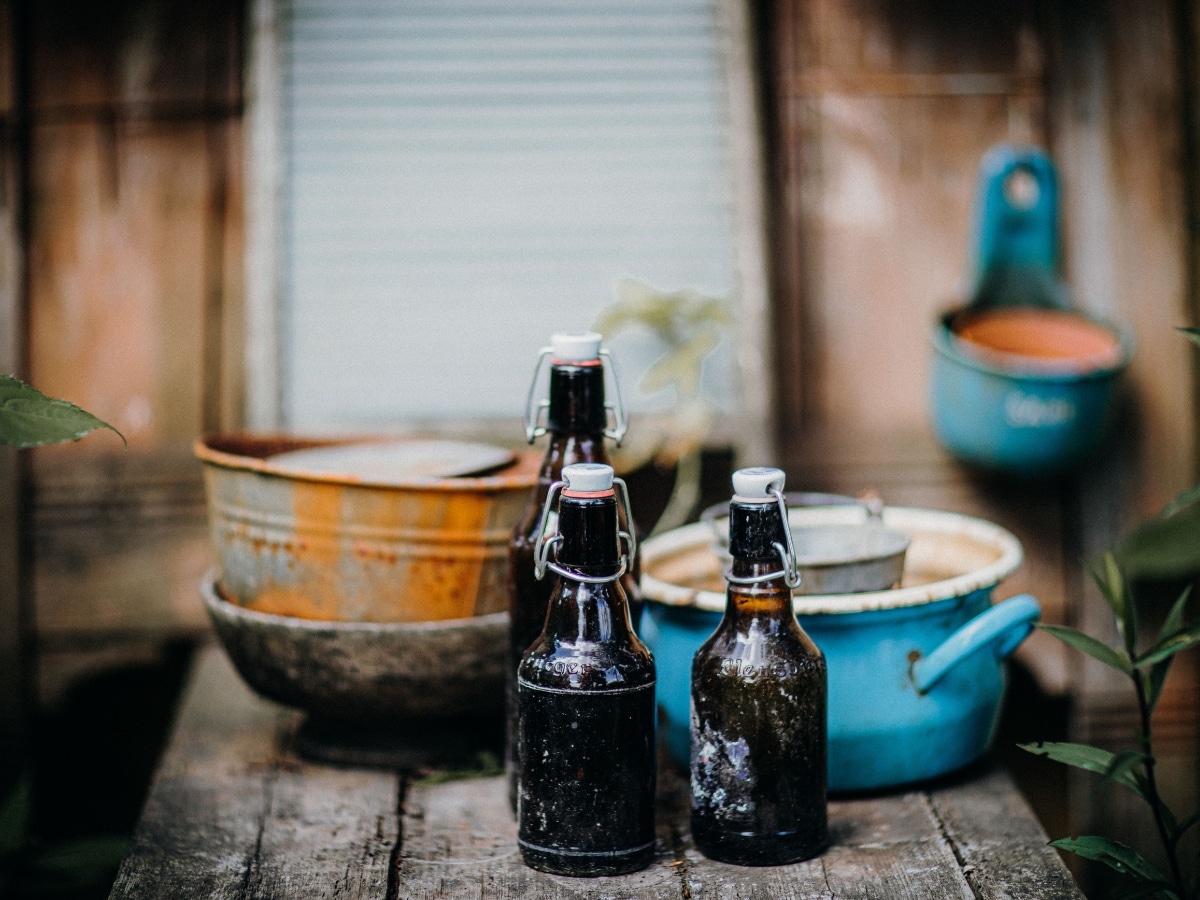
From a technical standpoint, homebrewed beer often offers a different sensory experience than mass-produced lagers. Commercial beers are frequently pasteurized and filtered to ensure a long shelf life, which can strip away delicate hop oils and proteins. In contrast, homebrew is typically "bottle-conditioned" and unfiltered, resulting in a more robust mouthfeel and a dynamic flavor profile that evolves over time.
Conclusion and Outlook
As the economic landscape remains volatile, the shift toward self-sufficiency in craft production is expected to accelerate. Homebrewing offers a unique intersection of culinary art, chemical science, and financial pragmatism. For the modern consumer, the ability to produce a premium product that rivals commercial offerings—at a fraction of the cost—is not merely a hobby, but a sophisticated response to the current cost-of-living crisis. With disciplined sanitization, quality ingredients, and patience, the domestic brewer can transform a kitchen or garage into a high-functioning facility capable of producing world-class beer.




 Yuyun Lusiyani
 Joko Widodo
 Eva Lovia
 Pevita Pearce
 admin
admin