
 Ana Megawati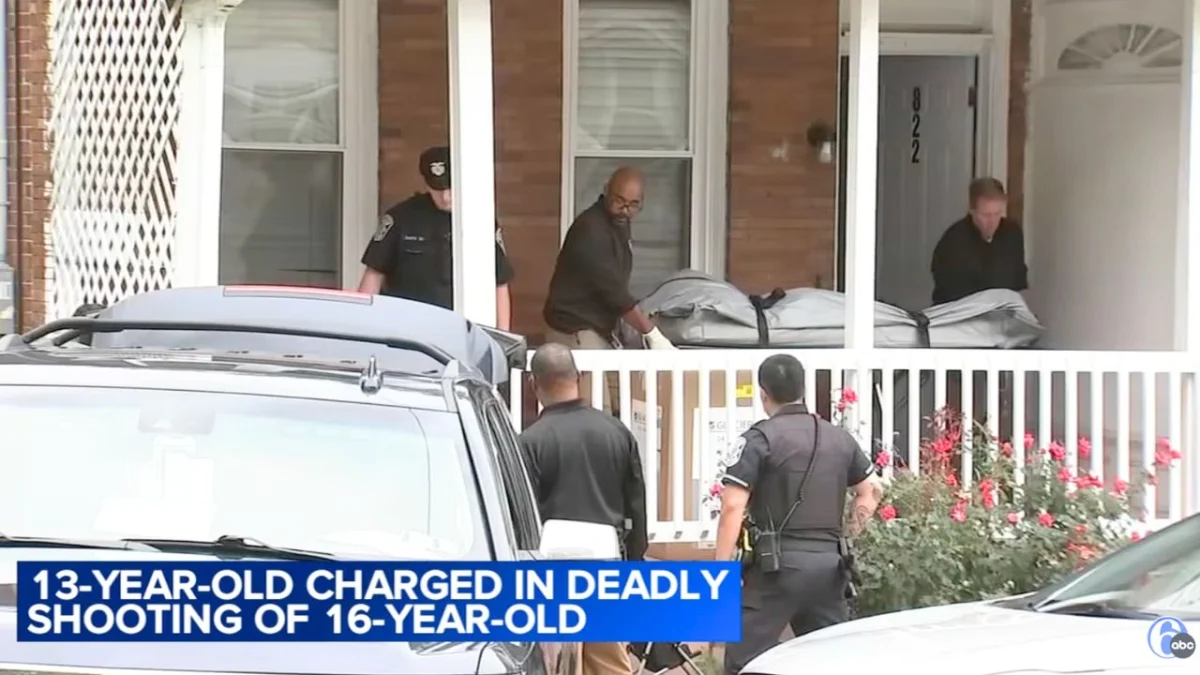
Norristown, Pennsylvania – A tragic incident in Norristown has led to a 13-year-old boy being charged with murder after he allegedly found a handgun near a trash can and fatally shot his 16-year-old friend. The devastating event, which unfolded on September 22, 2026, has sent shockwaves through the community, highlighting critical issues surrounding juvenile access to firearms, gun safety, and the complexities of the justice system when minors are involved in serious crimes. Daniel Hawkins-Boyce stands accused of third-degree murder in the death of William Boyd, according to court records reviewed by Law&Crime and the Montgomery County District Attorney’s Office. Beyond the primary murder charge, Hawkins-Boyce also faces counts of receiving stolen property, involuntary manslaughter, possession of a firearm by a minor, and possession of an instrument of crime with intent, painting a grim picture of the immediate aftermath and the legal challenges ahead.
The Tragic Incident Unfolds in Norristown
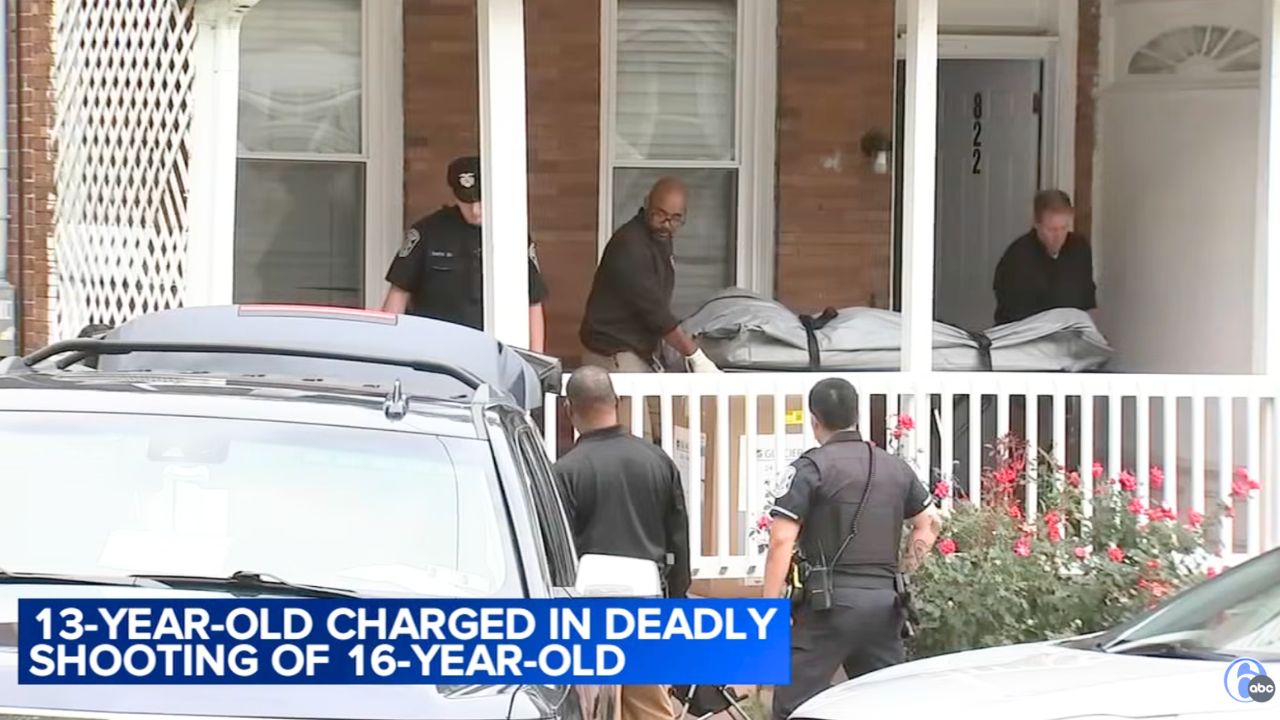
The chain of events leading to William Boyd’s untimely death began, according to authorities, with the discovery of a firearm. A family member of Daniel Hawkins-Boyce told investigators that the 13-year-old "had found a handgun beside a trash can and was playing with it" on the fateful day. The location was a residence on the 800 block of Arch Street in Norristown, a borough approximately 20 miles northwest of Philadelphia. Inside the home, Daniel was with his friend, 16-year-old William Boyd. Regional ABC affiliate WPVI identified Boyd as Hawkins-Boyce’s friend, underscoring the personal tragedy embedded within the criminal charges.
At approximately 10:30 a.m. on September 22, the Norristown Police Department received a distress call reporting a shooting at the Arch Street address. Emergency responders and police officers quickly converged on the scene. Upon entering the home, officers made a somber discovery: William Boyd was found dead on the first floor. The bullet, allegedly fired by Hawkins-Boyce, had struck Boyd in the face, causing a fatal injury. The immediate response from law enforcement and paramedics confirmed the severity of the situation, transforming a seemingly ordinary morning into a scene of profound grief and criminal investigation.
The Investigation: From Stolen Weapon to Fatal Shot
Following the initial police response, the Montgomery County Coroner’s Office was called to the scene. Dr. Lauren Thoma performed an autopsy on William Boyd, subsequently determining the cause of death to be a "single gunshot wound to the head." The manner of death was unequivocally ruled a homicide, setting the stage for a meticulous criminal investigation. Detectives from the Norristown Police Department, working in conjunction with the Montgomery County District Attorney’s Office, initiated a comprehensive search of the crime scene.
Their efforts quickly yielded a crucial piece of evidence: a Ruger .380 handgun. This firearm was seized and subjected to forensic analysis. Further investigation revealed a critical detail: the Ruger .380 had been reported stolen out of Philadelphia on June 3, 2026, months before the shooting. This discovery added another layer of complexity to the case, indicating that the weapon involved in a fatal incident was already illicitly circulating within the region. The fact that a stolen gun ended up in the hands of a 13-year-old, allegedly found by a trash can, raises serious questions about gun trafficking, secure storage practices, and the accessibility of illegal firearms in communities. The connection between the stolen weapon and the tragic death of William Boyd underscores the ripple effects of illegal gun possession and the devastating consequences that can ensue.
Legal Ramifications: Juvenile in Adult Court
Upon being detained, Daniel Hawkins-Boyce was charged in adult court, a legal decision dictated by Pennsylvania law. Montgomery County District Attorney Kevin Steele addressed the public regarding the charges, stating that the evidence in the case "clearly showed that the defendant recklessly fired the firearm at the victim, fatally striking him." Steele further clarified the legal framework governing such cases, acknowledging the defendant’s age while explaining the statutory requirements: "Despite the child’s age, Pennsylvania law requires us to charge the defendant in adult court, but we anticipate that the Court will review whether or not the case will remain in adult or move to juvenile court."
Hawkins-Boyce was arraigned on Wednesday, where his bail was set at 10% of $200,000, meaning a payment of $20,000 would be required for his release. He is scheduled to return to court for a preliminary hearing on October 14, 2026. The decision to charge a minor as an adult for serious offenses like murder is not uncommon in Pennsylvania, a state that, like many others, has specific provisions for such circumstances. This legal pathway, often referred to as "direct file" or "automatic transfer," means that certain offenses committed by juveniles are automatically filed in adult criminal court, bypassing the juvenile justice system entirely, at least initially.
A Look at Pennsylvania’s Juvenile Justice System
Pennsylvania’s legal framework for handling juvenile offenders in serious cases is rooted in Act 33 of 1995, often referred to as the "Direct File" law. This legislation mandates that juveniles aged 15 or older charged with specific felonies, including murder, rape, or aggravated assault, be automatically transferred to adult court. For juveniles aged 10 to 14, the transfer to adult court for murder charges is also automatic. The rationale behind such laws often centers on public safety and the perceived severity of the crime, aiming to hold offenders accountable under the adult criminal code.
However, the legal process doesn’t necessarily end with an adult court filing. The defense can petition the court to have the case "decertified" or transferred back to the juvenile court system. This process involves a hearing where the court considers various factors, including the juvenile’s age, maturity, prior record, the nature and circumstances of the offense, the availability of rehabilitative services in the juvenile system, and the likelihood of the juvenile’s rehabilitation. The goal is to determine if the juvenile system, with its focus on rehabilitation and individualized treatment, would be more appropriate than the adult system, which prioritizes punishment and deterrence.
The differences between the adult and juvenile justice systems are substantial. The juvenile system is generally designed to rehabilitate, offering a wider range of services, including counseling, educational programs, and therapeutic interventions. Records in the juvenile system are typically sealed or expunged upon the offender reaching adulthood, minimizing the long-term impact on their future. In contrast, the adult system can impose harsher penalties, including lengthy prison sentences, and a felony conviction carries lifelong consequences, affecting employment, housing, and civic rights. The potential for Hawkins-Boyce’s case to remain in adult court or be transferred to juvenile court will be a critical legal battle, with profound implications for his future and the broader discussion of juvenile justice.
The Pervasive Issue of Unsecured Firearms
The Norristown tragedy vividly underscores the pervasive problem of unsecured and stolen firearms in communities. The fact that a 13-year-old allegedly found a loaded gun by a trash can and then used it in a fatal incident is a stark reminder of the dangers posed by irresponsible gun ownership and the ease with which firearms can fall into the wrong hands.
According to data from the Centers for Disease Control and Prevention (CDC), firearms are a leading cause of death among children and adolescents in the United States. While many of these deaths are intentional, accidental shootings involving minors are also tragically common. A significant portion of these incidents could be prevented through responsible gun storage practices, such as keeping firearms unloaded, locked, and separate from ammunition. The National Shooting Sports Foundation (NSSF) and other gun safety advocates consistently promote safe storage campaigns like "Project ChildSafe," emphasizing the importance of preventing unauthorized access to firearms, especially by children and teenagers.
Furthermore, the issue of stolen firearms contributes significantly to gun violence. When guns are stolen, they often enter illicit markets, where they can be used in other crimes, as appears to be the case in Norristown. Data from the Bureau of Alcohol, Tobacco, Firearms and Explosives (ATF) indicates that tens of thousands of firearms are reported stolen each year across the U.S. These stolen weapons frequently end up in the hands of individuals prohibited from owning them, fueling cycles of violence and increasing the risk of tragic incidents like the one involving Daniel Hawkins-Boyce and William Boyd. The Norristown incident serves as a grim illustration of the intersection between gun theft, unsecured firearms, and devastating consequences for young lives.
Broader Implications: Community Grief and Policy Debates
The death of William Boyd and the charges against Daniel Hawkins-Boyce have undoubtedly plunged the Norristown community into a state of grief and concern. Schools, families, and friends of both teenagers will grapple with the emotional aftermath of this tragedy. Such incidents often spark intense conversations within communities about safety, youth violence, and the adequacy of support systems for young people. Community leaders, educators, and mental health professionals will likely mobilize to offer support and discuss preventive measures.
Beyond the immediate emotional impact, this case feeds into broader national debates surrounding gun control, juvenile justice reform, and community-based violence prevention programs. Advocates for stricter gun laws will point to the stolen firearm and the ease of access as evidence for the need for universal background checks, safe storage mandates, and enhanced efforts to combat gun trafficking. On the other hand, proponents of gun rights may emphasize personal responsibility in gun ownership and the importance of educating youth about firearm safety.
The unique circumstances of this case—a 13-year-old charged with murder, the stolen firearm, and the context of a friendship ending in tragedy—make it a focal point for these ongoing discussions. It raises fundamental questions about how society protects its most vulnerable, both from violence and from the consequences of their own actions when those actions are influenced by factors like easy access to dangerous weapons.
Calls for Enhanced Gun Safety and Prevention
In the wake of such a tragedy, there are invariably renewed calls for enhanced gun safety measures and more robust prevention strategies. These calls often include:
- Promoting Secure Storage: Emphasizing the critical importance of storing firearms securely (locked, unloaded, and separate from ammunition) to prevent unauthorized access, particularly by minors. Public awareness campaigns and distribution of gun locks are often part of these efforts.
- Addressing Gun Theft: Implementing strategies to reduce firearm theft, such as encouraging responsible gun owners to secure their weapons and increasing penalties for theft.
- Youth Violence Prevention Programs: Investing in community-based programs that address the root causes of youth violence, including poverty, lack of opportunity, and exposure to trauma. These programs often focus on mentorship, education, and conflict resolution skills.
- Mental Health Support: Ensuring access to mental health services for young people, recognizing that behavioral issues and impulsive actions can sometimes be linked to underlying mental health challenges.
- Juvenile Justice Reform: Continuing the dialogue on how best to balance accountability with rehabilitation for young offenders, particularly in serious cases, and ensuring that the juvenile justice system has the resources to effectively serve its purpose.
The incident in Norristown serves as a stark reminder that gun violence is a multifaceted problem requiring a comprehensive approach involving law enforcement, policymakers, communities, and individuals.
The Path Ahead: Legal Proceedings and Healing
As Daniel Hawkins-Boyce awaits his preliminary hearing on October 14, 2026, the legal proceedings will unfold with careful scrutiny. The defense will undoubtedly work to advocate for a transfer of the case to juvenile court, arguing that the defendant’s age and potential for rehabilitation make the juvenile system a more appropriate venue. The prosecution, meanwhile, will present its case, focusing on the evidence of reckless conduct that led to William Boyd’s death.
Regardless of the legal outcome, the Norristown community faces a long path toward healing. The families of Daniel Hawkins-Boyce and William Boyd are enduring unimaginable pain and grief. This tragedy underscores the profound and far-reaching consequences of gun violence, particularly when it involves young lives. The incident will likely remain a significant point of reference in discussions about youth crime, gun safety, and the critical need for effective prevention strategies in Pennsylvania and beyond. The hope is that through careful legal process, community support, and a renewed commitment to safety, such heartbreaking events can be prevented in the future.


 Yuyun Lusiyani
 Joko Widodo
 Eva Lovia
 Pevita Pearce
 admin
admin
 Lina Irawan