
 Ana Megawati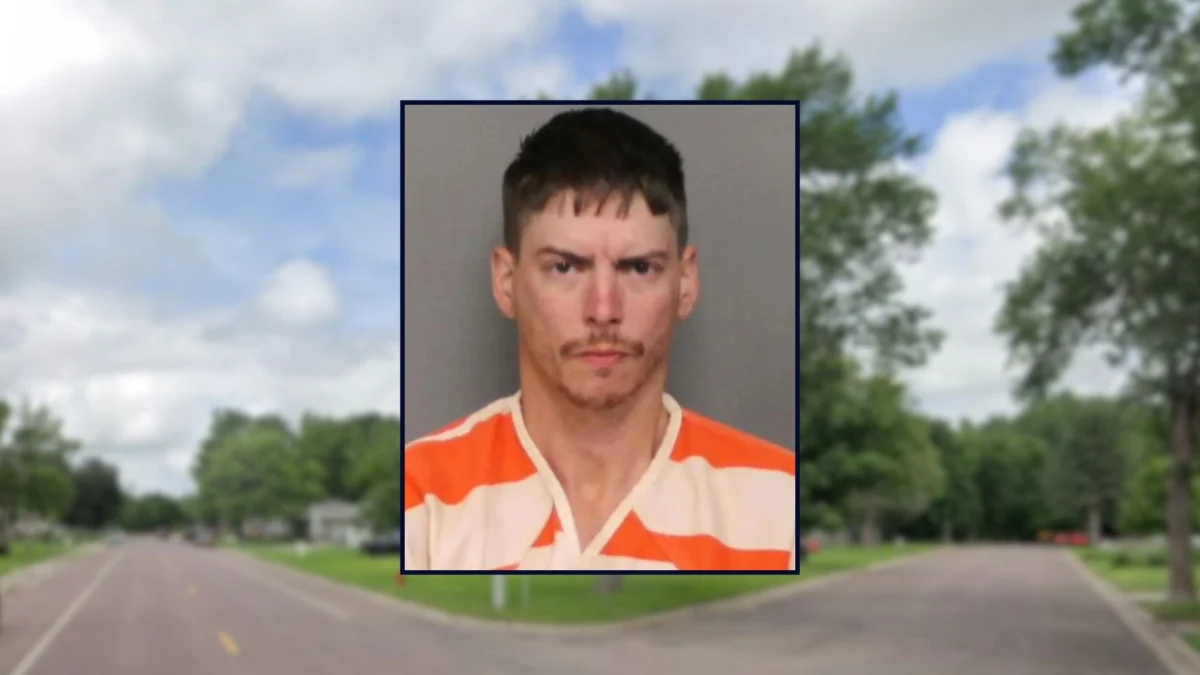
Windom, Minnesota — Jamie Lee Voelker, a 39-year-old resident, has been sentenced to 12 years and six months in state prison for the fatal shooting of his 70-year-old mother, Kathryn Voelker, an act he committed while allegedly under the influence of drugs. The sentencing, handed down by a judge in Cottonwood County on Friday, marks the culmination of a legal process that saw Voelker enter a unique "Norgaard plea" to second-degree murder and first-degree burglary charges. This tragic incident has sent ripples through the quiet community of Windom, highlighting the devastating consequences of drug abuse and the complex legal pathways involved in achieving justice.
The Tragic Incident and Immediate Aftermath
The horrific events unfolded in the early morning hours of July 23, 2025, at Kathryn Voelker’s residence on 12th Avenue in Windom, a town approximately 150 miles southwest of the Twin Cities of Minneapolis and St. Paul. Authorities reported that Jamie Lee Voelker shot his mother seven times with a .22-caliber handgun. The brutality of the attack was stark, leaving Kathryn Voelker with catastrophic injuries. Emergency services were swiftly called to the scene, where a witness present at the time identified Jamie Lee Voelker as the perpetrator.
Kathryn Voelker was immediately rushed to a nearby hospital in a desperate attempt to save her life. However, despite medical efforts, she was pronounced dead shortly after arrival. An autopsy later confirmed that the cause of death was attributed to severe blood loss resulting from the multiple gunshot wounds she sustained. The loss of a beloved community member and mother under such violent circumstances deeply shocked the small, tight-knit town of Windom.
Following the shooting, Jamie Lee Voelker’s actions continued to escalate. He proceeded to break into a neighbor’s residence located on River Road. During this secondary intrusion, he caused damage to the bathroom of the property. The disturbed neighbor promptly contacted law enforcement, leading to Voelker’s swift arrest. His apprehension brought an end to the immediate threat but opened the door to a complex investigation into the motives and circumstances surrounding the violent outburst.
The Role of Substance Use: A Drug-Induced Stupor
Central to Jamie Lee Voelker’s defense and subsequent plea was his assertion of a drug-induced stupor at the time of the crimes. Investigators reported that Voelker admitted to smoking from a THC vape prior to the incident. He claimed to have absolutely no memory of the events that transpired, attributing this amnesia to the purported potency of the marijuana he consumed. This claim introduced a significant element of substance abuse into the narrative, raising questions about the degree of intent and the impact of psychoactive substances on criminal behavior.
Tetrahydrocannabinol (THC) is the primary psychoactive compound in cannabis, responsible for the "high" associated with marijuana use. While commonly perceived as a less dangerous substance compared to harder drugs, high-potency THC products, particularly vapes, can induce severe impairment, including disorientation, paranoia, altered perceptions of reality, and significant memory deficits. The concept of a "drug-induced stupor" suggests a state of profound mental confusion and diminished consciousness, where an individual’s capacity for rational thought, decision-making, and even memory formation can be severely compromised. In legal contexts, the extent to which such a state negates criminal intent is often a complex area of argumentation, though it typically does not absolve an individual of responsibility for their actions.
Legal Proceedings and the "Norgaard Plea"
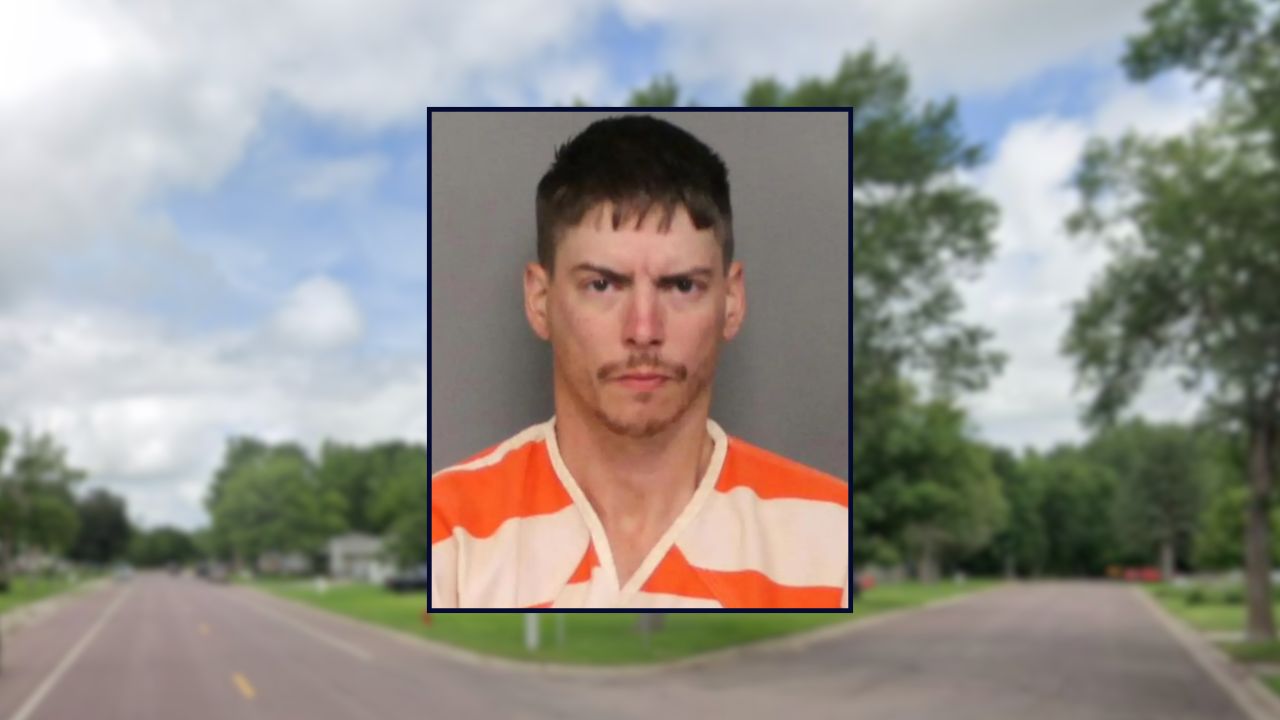
The legal journey for Jamie Lee Voelker began with formal charges, including intentional murder. However, in July of the current year (2026), he entered a guilty plea to one count of murder in the second degree and one count of first-degree burglary. This plea was part of an agreement with prosecutors, who, in exchange, dismissed the additional charge of intentional murder, which often carries a more severe penalty.
Crucially, Voelker’s plea was entered as a "Norgaard plea," a distinct legal procedure recognized in Minnesota. A Norgaard plea allows a defendant to plead guilty to a crime even when they genuinely cannot recall the facts or details of the offense, typically due to intoxication, mental health issues, or amnesia. Under this specific type of plea, the defendant does not admit to remembering the crime but concedes that the state’s evidence is strong enough, and sufficient for a jury, to find them guilty beyond a reasonable doubt. This legal mechanism ensures that justice can still be served even when a defendant’s memory is impaired, preventing cases from being stalled indefinitely due to a lack of recollection. The name originates from State v. Norgaard, a 1965 Minnesota Supreme Court case that established this precedent to address situations where a defendant’s inability to recall events might otherwise impede the legal process. It serves as a pragmatic solution when overwhelming evidence points to guilt, even in the absence of the defendant’s direct memory.
Sentencing and Official Statements
On Friday, after months of legal proceedings, Jamie Lee Voelker received his sentence: 12 years and six months in state prison. While this sentence brings a measure of closure to the case, it does not diminish the profound tragedy that unfolded. The prosecution of Voelker was handled by the Minnesota Attorney General’s Office, following a referral from Cottonwood County Attorney Nick Anderson, underscoring the severity and complexity of the case that necessitated state-level involvement.
Minnesota Attorney General Keith Ellison issued a statement reflecting on the grim nature of the crime and its lasting impact. "Voelker’s crime is absolutely horrific for his family and the entire community of Windom," Ellison stated. "We can never bring his mother back, but I hope that his being held accountable is an important step in healing." This statement encapsulates the dual purpose of the justice system: to hold perpetrators accountable for their actions and to provide a pathway, however difficult, for victims and communities to begin the healing process. The sentiment highlights the irreplaceable loss of Kathryn Voelker and the ripple effect of such violence on families and small communities.
Community Impact and Broader Implications
The crime has had a significant impact on Windom, a community of just over 4,000 residents known for its agricultural roots and quiet, close-knit atmosphere. Such a violent familial homicide is a rare and deeply unsettling event for any small town, often shattering the sense of security and trust that defines rural life. Residents are left grappling with the reality that such brutality could occur within their community, perpetrated by one family member against another. The emotional toll on the Voelker family, who have lost a mother and seen a son incarcerated, is immeasurable.
Beyond the immediate grief and shock, the case also brings to light broader societal concerns. The alleged role of high-potency THC in the incident prompts renewed discussions about drug awareness, responsible consumption, and the potential for substance abuse to escalate into violent behavior. While cannabis is legal for recreational use in many parts of the United States, including Minnesota which recently legalized adult-use cannabis, this case serves as a somber reminder that even legally accessible substances can have profound and devastating effects, particularly when abused or when individuals have underlying vulnerabilities. Public health initiatives often focus on educating users about the risks, including impaired judgment and altered mental states, which can have dire consequences.
Furthermore, the utilization of a Norgaard plea highlights the adaptability and complexities of the American legal system. While unusual, its application ensures that justice can be pursued even in circumstances where a defendant’s memory is compromised. This procedural nuance is crucial for maintaining the integrity of the justice system, ensuring that defendants are held responsible based on objective evidence, even if their subjective recollection is absent. The case reinforces that legal accountability can prevail even when the full psychological landscape of the perpetrator remains obscured by a drug-induced state.
The sentence handed down to Jamie Lee Voelker closes a chapter in this tragic saga, yet the scars on the family and the Windom community will undoubtedly endure. It serves as a stark reminder of the devastating intersection of substance abuse, mental state, and violent crime, and the profound impact these events have on individuals, families, and the fabric of society. As Windom seeks to heal, the focus remains on supporting those affected and fostering an environment where such tragedies might be prevented in the future.


 Yuyun Lusiyani
 Joko Widodo
 Eva Lovia
 Pevita Pearce
 admin
admin
 Lina Irawan