
 Ana Megawati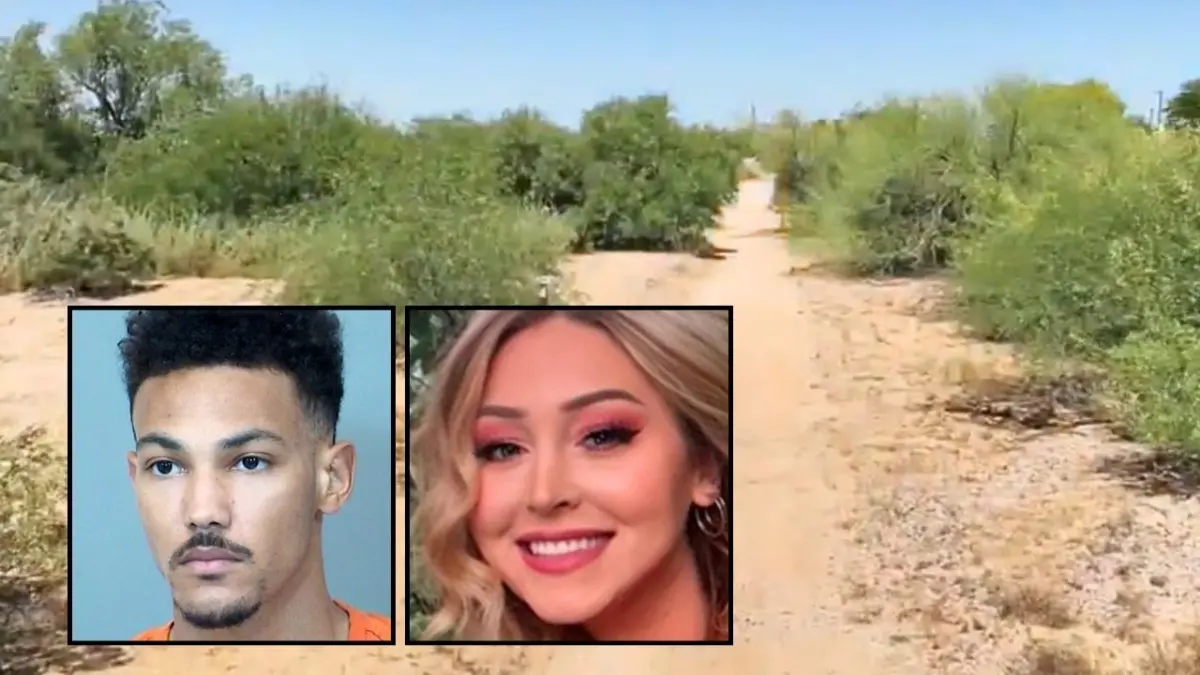
A solemn resolution has emerged in the harrowing case of Lauren Heike, the 29-year-old hiker whose life was tragically cut short in a brutal unprovoked attack on a Phoenix trail last year. Zion Teasley, 25, has formally admitted his culpability, pleading guilty to first-degree murder for the vicious stabbing death of Heike. This plea, entered on a Friday, brings an end to the possibility of a capital murder trial, sparing both the victim’s family and the state the arduous process of seeking the death penalty. Instead, Teasley now faces the certainty of a life sentence, a outcome that, while not providing solace for the loss, offers a degree of finality for those grieving.
The Unfolding Tragedy on the Reach 11 Trail
The incident that shocked the Phoenix community occurred on May 2, 2023, on the popular Reach 11 trail in north Phoenix. Lauren Heike, an avid outdoorswoman, had embarked on what she anticipated would be a routine hike. The trail, part of the expansive Sonoran Preserve, is known for its picturesque desert landscapes and offers miles of paths for hikers, bikers, and equestrians. Despite its popularity, the sheer size and rugged terrain of the preserve mean that certain sections can be isolated, making solo excursions a common, though sometimes risky, practice.
On that fateful day, Heike had planned to meet a friend for her hike. However, plans changed, and she set out alone. When her friend later found himself unable to reach her by phone, an alarm was raised. Utilizing a phone tracking application, the friend located Heike’s device in the vicinity of 65th and Libby Streets, an area adjacent to the Reach 11 trail. This discovery immediately prompted a search, which tragically led to the discovery of Heike’s body in a desert area behind a residential property. The scene was grim: blood and personal effects were scattered, indicating a violent struggle. Investigators noted that the condition of her clothing and the surrounding area suggested she might have been chased through or over a barbed wire fence in a desperate attempt to escape.
The medical examiner’s report painted a horrifying picture of the attack’s brutality. Lauren Heike had sustained 15 stab wounds to her back and chest, along with numerous superficial abrasions. Crucially, the presence of defensive wounds on her hands and forearms indicated that she had fought valiantly for her life against her assailant. The attack, which occurred in broad daylight, underscored the random and predatory nature of the crime, sending a ripple of fear through local communities accustomed to the relative safety of their public trails.
The Intensive Manhunt and Breakthrough in the Investigation
The discovery of Lauren Heike’s body triggered an immediate and extensive investigation by the Phoenix Police Department, working in conjunction with the Maricopa County Sheriff’s Office. Law enforcement quickly recognized the severity of the crime and the urgent need to apprehend the perpetrator, particularly given the unprovoked and violent nature of the attack on a public trail. The initial stages of the investigation focused on canvassing the area for witnesses, reviewing surveillance footage, and meticulously processing the crime scene for forensic evidence.
Surveillance video from cameras sparsely covering sections of the trail proved instrumental. It captured images of both Lauren Heike and her eventual attacker, Zion Teasley, walking towards a trail entrance located at 68th Street and Princess Drive. Heike was seen heading west along the trail, in the direction where her body would later be found. Teasley was subsequently observed walking in the same direction, before disappearing from view. Further analysis of the footage revealed a chilling sequence of events: the suspect was seen running after Heike, then sprinting away, only to return to the location where her body was discovered and climb over the barbed wire fence, suggesting he may have been retrieving something or surveying the scene after the initial attack.
A crucial piece of evidence emerged from the crime scene: DNA recovered from one of Lauren Heike’s shoes. This forensic sample was entered into databases, leading to a definitive match for Zion Teasley. This scientific breakthrough provided investigators with a clear suspect and allowed them to begin building a comprehensive profile of the individual responsible for the heinous act.
Further investigative work into Teasley’s background revealed concerning details. His last known employer informed police that Teasley had recently been fired due to aggressive behavior towards female co-workers and for stealing merchandise. Management identified Teasley from surveillance photos taken near the crime scene, noting that he was allegedly wearing clothes stolen from the store. They also provided a critical detail: Teasley routinely carried a black plastic folding pocketknife with an approximate blade size of three inches. This description was consistent with the type and size of wounds discovered on Lauren Heike’s body during her autopsy, adding another layer of corroborating evidence.
Apprehension and Interrogation: A Glimpse into the Suspect’s Mind
Following the DNA match and corroborating information, authorities moved swiftly to apprehend Zion Teasley. Upon his arrest, Teasley was shown a still photograph from video surveillance depicting the suspect in the vicinity of the murder. He identified himself as the person in the photograph and agreed to speak with police.
During his interview, Teasley made several unsettling statements that offered a fragmented, disturbing insight into his state of mind. He discussed his upbringing as a Christian and expressed an "internal struggle with his own sexuality," voicing concerns about the salvation of his soul due to his thoughts. When asked why he believed police had arrested him, Teasley reportedly stated, "There’s no freaking way I’m here for a sex crime. I haven’t been with anyone for a long time." This denial, juxtaposed with the nature of the attack, raised questions about the underlying motivations and the potential for a sexually charged component to the violence, even if unacknowledged by Teasley himself.
He recognized the aerial photograph of the murder scene, acknowledging he had passed through the area before. Teasley claimed he routinely walked in the vicinity of his residence but conspicuously refused to provide his usual route, stating he would "never take the same route." When shown a photograph of Lauren Heike, Teasley recognized her from news reports and unsettlingly remarked that he "wanted to look like her." He struggled to admit she was murdered, despite acknowledging she was attacked, and claimed he could not recall if he had ever met her. When directly asked if he had planned to murder Heike, Teasley allegedly replied, "I am definitely not the person who plans to kill another person. If I was going to do something like that, it wouldn’t be premeditated." This statement, while attempting to deny premeditation, still implied an awareness of his capacity for violence.
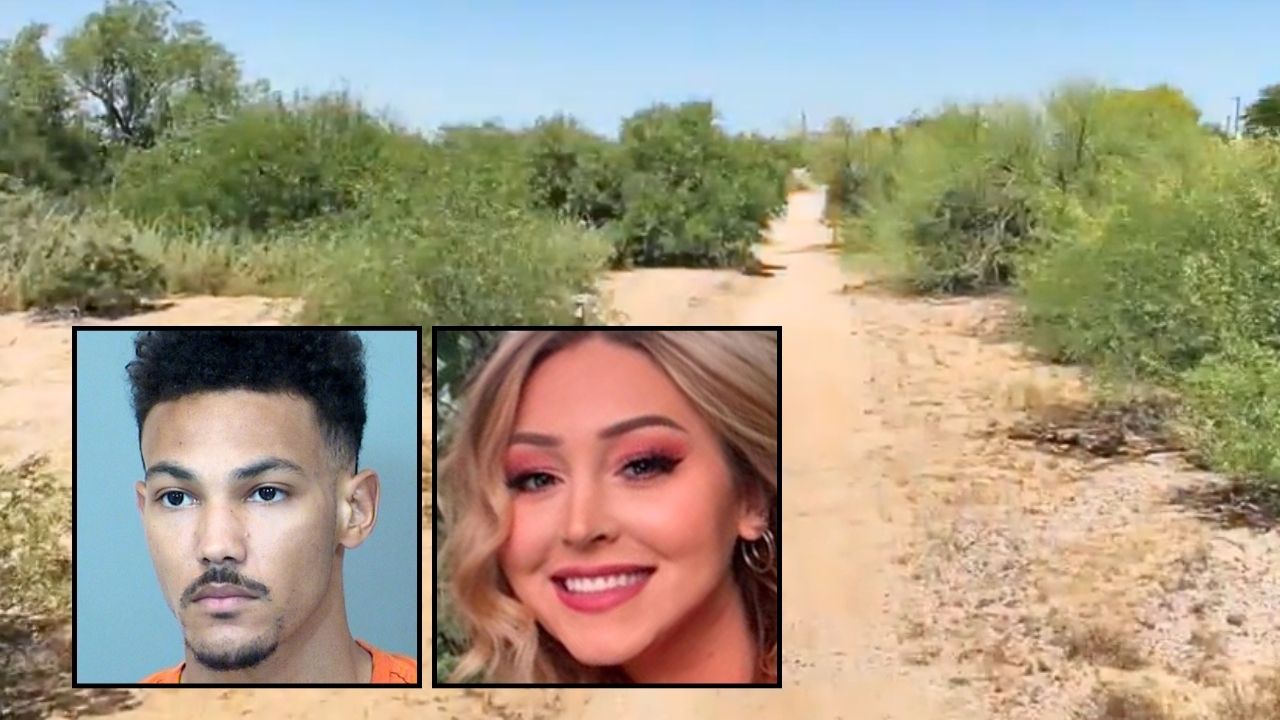
Teasley lived less than two miles from the location of the murder, raising the chilling possibility that he was intimately familiar with the trail and its users, potentially preying on those who frequented the area alone.
The Plea Agreement: Averting a Capital Trial
The legal proceedings against Zion Teasley initially saw him facing the gravest possible consequence: the death penalty. Arizona is one of the states that retains capital punishment, and the brutality and random nature of Heike’s murder certainly met the criteria for prosecutors to pursue such a sentence. However, in a significant development on the Friday of his plea hearing, prosecutors announced that the death penalty had been taken off the table as part of a plea agreement.
Under the terms of this agreement, Teasley pleaded guilty to first-degree murder. In exchange for his plea and the certainty of a conviction, the state agreed to drop the death penalty pursuit. Additionally, charges of assault and burglary from an unrelated case were dismissed as part of the deal. This type of plea bargain is not uncommon in high-stakes cases, offering a guaranteed conviction and avoiding the lengthy, costly, and emotionally draining process of a capital murder trial, which often involves years of appeals. For the prosecution, it ensures that the perpetrator is held accountable without the risk of an acquittal or a lesser charge, and without the immense resources required for a death penalty case.
Sentencing for Zion Teasley is scheduled for December 4. He now faces a mandatory sentence of life in prison, either with or without the possibility of parole, depending on the specific terms stipulated in the agreement.
Family’s Relief and the Community’s Reflection
For Lauren Heike’s family, the plea agreement brought a profound, albeit bittersweet, sense of relief. In a statement released to local ABC affiliate KNXV, the family expressed their support for the state’s decision: "After 3½ incredibly long and painful years, our family supports the State’s decision to enter into a plea agreement in Lauren’s case. This means we will not have to endure a trial or sit in a courtroom and hear every painful detail of the crime that took Lauren from us. There is a tremendous sense of relief in knowing that we will be spared that additional trauma."
This statement underscores the immense psychological toll that a full trial, particularly a capital one, can inflict upon victims’ families. The prospect of reliving the horrific details, facing the perpetrator daily, and enduring the uncertainty of a verdict can be an unbearable burden. The plea agreement, while denying the family the ultimate justice of capital punishment, provides a measure of closure and spares them further anguish.
The murder of Lauren Heike deeply impacted the Phoenix community, particularly those who frequent the city’s extensive network of hiking trails. It served as a stark reminder that even in seemingly safe, public spaces, vigilance is paramount. The incident prompted renewed discussions about personal safety, especially for solo female hikers. Many outdoor enthusiasts re-evaluated their routines, with some opting to hike in groups, carry personal safety devices, or share their routes with loved ones. Local authorities also reiterated safety recommendations, including advising hikers to be aware of their surroundings, avoid isolated areas, and report suspicious activity.
Broader Implications: Safety, Justice, and Mental Health
The Heike case highlights several broader societal implications. Firstly, it underscores the vulnerability of individuals to random acts of violence, even in environments typically perceived as safe. The Reach 11 trail, a sprawling urban preserve spanning over 8,000 acres with more than 50 miles of trails, is a vital recreational asset for Phoenix. The attack on Heike cast a shadow over this cherished space, prompting concerns about surveillance, emergency response times, and general public safety measures on such large, accessible tracts of land.
Secondly, the plea agreement itself reflects the complexities of the justice system. While some may argue for the ultimate penalty in such a brutal case, plea bargains often represent a pragmatic approach to justice. They guarantee a conviction, avoid the lengthy and expensive appeals process inherent in death penalty cases, and provide victims’ families with a quicker, more definitive resolution. This balance between retribution and certainty is a constant tension within the legal framework.
Finally, Zion Teasley’s statements during his interrogation, particularly regarding his "internal struggle" and concerns about his "soul," raise questions about the intersection of mental health, personal identity, and violent crime. While it is crucial to avoid speculation or diagnoses, such details often emerge in the aftermath of horrific acts, pointing to potential underlying issues that may have contributed to the perpetrator’s actions. Addressing these broader societal challenges, including access to mental health support and intervention strategies for individuals exhibiting concerning behaviors, remains a critical component of preventing future tragedies.
The tragic death of Lauren Heike and the subsequent legal resolution for Zion Teasley serve as a poignant reminder of the fragility of life, the resilience of a grieving family, and the relentless pursuit of justice by law enforcement. As the community awaits Teasley’s sentencing in December, the memory of Lauren Heike endures, prompting a renewed commitment to safety and a continued reflection on the profound impact of senseless violence.


 Yuyun Lusiyani
 Joko Widodo
 Eva Lovia
 Pevita Pearce
 admin
admin
 Lina Irawan