
 Eva Lovia
In a move that has drawn an extraordinary historical parallel, Prince Andrew, Duke of York, has initiated legal proceedings to challenge search warrants connected to his arrest earlier this year. The former royal’s decision to contest the lawfulness of these warrants marks a significant moment in the modern history of the British monarchy’s interaction with the legal system, evoking echoes of the trial of King Charles I nearly four centuries ago.
Prince Andrew is currently engaged in legal action against Thames Valley Police and the Central Criminal Court concerning warrants that were issued shortly before his arrest in February. According to reports from The Daily Telegraph, this represents the first instance of a member of the Royal Family formally challenging the legal basis of criminal proceedings against them since the unprecedented trial of Charles I in 1649. While the circumstances of both cases are starkly different, the historical comparison highlights the unusual nature of the current legal manoeuvre.
The Unprecedented Trial of Charles I
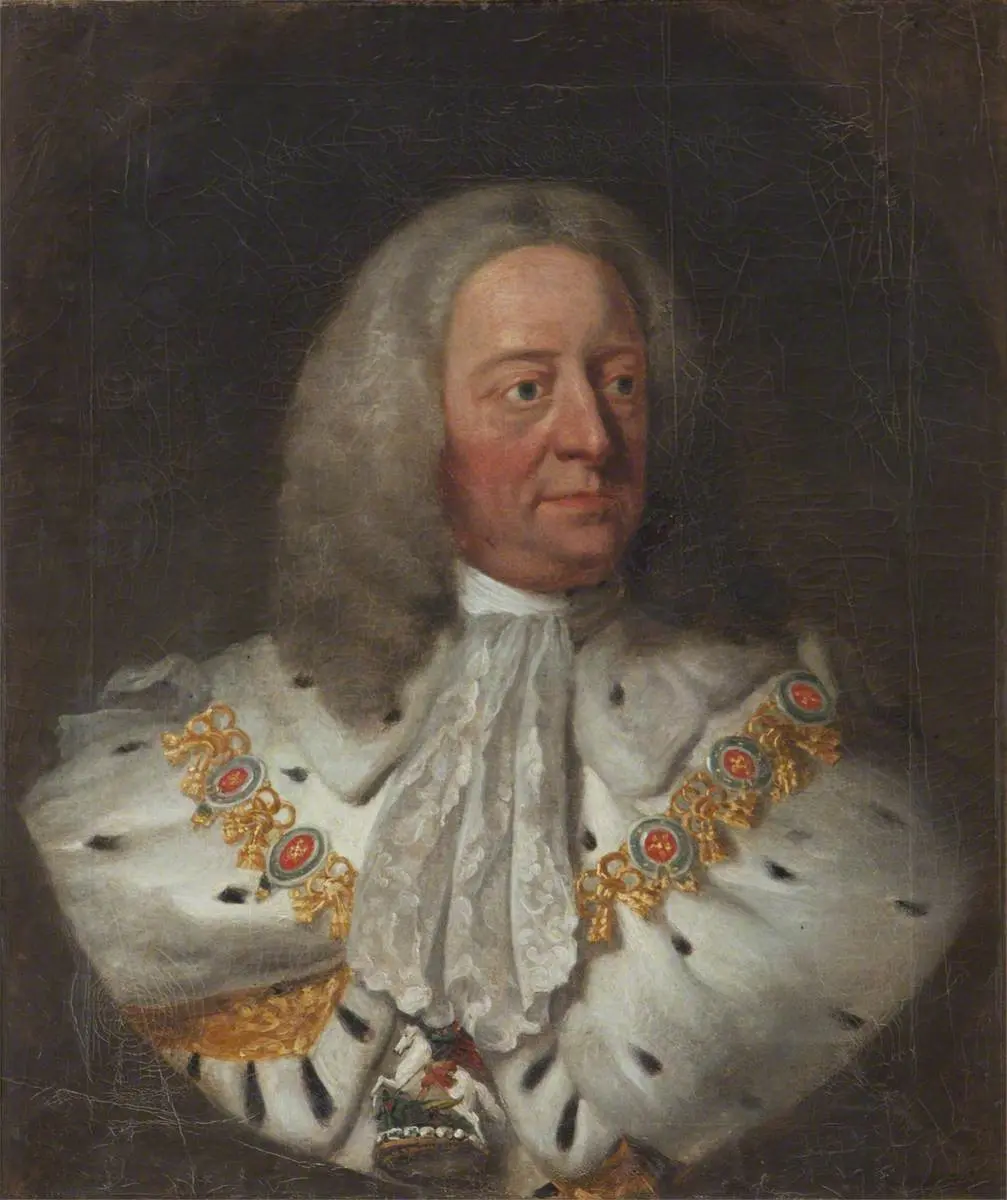
The historical precedent lies with the trial of King Charles I, who was brought before a specially convened court in Westminster Hall in January 1649, a direct consequence of the English Civil War. The King faced accusations of high treason and of waging war against Parliament and the people of England. However, Charles I fundamentally refused to acknowledge the legitimacy of the court established to try him. He consistently challenged its jurisdiction, asserting that no court possessed the lawful authority to put a reigning monarch on trial. His defence centred on questioning the very legitimacy of the proceedings, rather than entering a plea. Despite his objections, the court proceeded with the trial, ultimately convicting him and sentencing him to death on January 27, 1649. Three days later, on January 30, Charles I was beheaded outside the Banqueting House in Whitehall, becoming the first English king to be tried and condemned to death while still on the throne.
Prince Andrew’s Legal Challenge: A Modern Judicial Review
The connection between Prince Andrew’s current legal action and the case of Charles I is considerably narrower and operates on a different plane. Prince Andrew is not disputing the general authority of British courts to investigate or prosecute individuals. Instead, his legal team is focusing on the legality of specific search warrants issued by a judge at the Central Criminal Court on February 18th, just one day prior to his arrest. These warrants empowered Thames Valley Police to conduct searches of properties associated with the Duke, including Marsh Farm on the Sandringham estate and Royal Lodge in Windsor.
Prince Andrew is seeking a judicial review of the actions taken by both Thames Valley Police and the Central Criminal Court. The core objective of his lawyers is to have these search warrants quashed. The High Court has granted permission for this challenge to proceed, indicating that the legal arguments presented warrant further examination.
The Significance of the Historical Comparison
The reason for the striking historical comparison lies in the rare positioning of a senior member of the Royal Family actively using the court system to challenge the legality of actions taken within a criminal investigation. For Charles I, the challenge was existential, an assertion that the court itself lacked the fundamental authority to sit in judgment over him. In contrast, Prince Andrew’s challenge is focused on the specifics of investigative powers, questioning whether particular search warrants were lawfully exercised. While Charles I was disputing the right of the court to try him, Prince Andrew is disputing the lawfulness of the means employed during the investigation. Nevertheless, this historical parallel underscores the unusual nature of the current proceedings, even if the underlying legal principles are distinct.
Potential Implications of a Successful Challenge
Should Prince Andrew’s legal challenge prove successful, it would not automatically bring the ongoing police investigation to a halt. The current legal case is specifically concerned with the lawfulness of the search warrants, not with determining guilt or innocence regarding the alleged offences.
Criminal lawyer Nick Vamos, a former head of special crime at the Crown Prosecution Service, has explained that even if a warrant is quashed, police can, in certain circumstances, apply to the Crown Court to retain material that was obtained during the search. However, a more fundamental defect in the original granting of the warrant could indeed have more significant consequences for the investigation. The precise impact of a successful challenge would therefore be contingent upon the specific findings of the court.

Ongoing Investigation and Allegations
The legal challenge unfolds while Thames Valley Police continues its investigation into allegations of misconduct in public office. Prince Andrew was arrested on February 19th, his 66th birthday, following revelations that emerged from material connected to the Jeffrey Epstein files. He was interviewed under caution and subsequently released under investigation.
The scope of the police inquiry includes allegations that Prince Andrew may have shared sensitive official information with Jeffrey Epstein during his tenure as the UK’s trade envoy. Furthermore, police have indicated that allegations of sexual misconduct could also be considered as part of the ongoing investigation. Prince Andrew has consistently and vehemently denied any wrongdoing in relation to his association with Epstein.
Thames Valley Police has confirmed that it is actively opposing Prince Andrew’s legal challenge. A spokesperson for the force stated that they are involved in proceedings concerning warrants previously obtained from the Central Criminal Court but declined to provide further comment while the case remains before the courts.
A Long Royal History with Legal Scrutiny
The comparison with Charles I offers a fascinating, albeit distant, glimpse into the evolving relationship between the British monarchy and the legal system. Charles I’s trial in 1649 represented a profound rupture in the constitutional order of the time, an event that irrevocably altered the landscape of British governance.
Prince Andrew’s current legal situation, while unusual due to the individual involved, is fundamentally different. Britain’s constitutional framework has undergone profound transformations since the 17th century, and members of the Royal Family are, in contemporary society, subject to the law in the same manner as other citizens. Therefore, Prince Andrew’s legal challenge is, in its form, a conventional modern judicial review. However, the identity of the individual bringing the action imbues the case with exceptional significance. The fact that these proceedings have prompted a comparison with one of the most tumultuous royal trials in British history underscores the profound public interest and the historical resonance of Prince Andrew’s latest legal manoeuvre.
The High Court is expected to commence its consideration of the case on Thursday. Mr Justice Hilliard will initially preside over arguments concerning the confidentiality of documents related to the challenge. For the present moment, the central legal question before the court is not one of guilt or innocence. Instead, it is a precise examination of whether the search warrants, employed by the police during their investigation, were lawfully obtained and duly issued. This procedural challenge, while distinct from the gravest charges of treason, represents a significant legal engagement for a member of the modern Royal Family.
Timeline of Key Events:
- January 1649: Trial of King Charles I in Westminster Hall.
- January 27, 1649: Charles I is convicted and sentenced to death.
- January 30, 1649: Charles I is beheaded.
- February 18, 2023: Search warrants issued by the Central Criminal Court in relation to Prince Andrew.
- February 19, 2023: Prince Andrew, Duke of York, is arrested on his 66th birthday, interviewed under caution, and released under investigation.
- Date of Legal Challenge Initiation (assumed to be post-arrest and prior to court hearing): Prince Andrew initiates legal action to challenge the search warrants.
- High Court Hearing (scheduled): The High Court begins considering arguments regarding the confidentiality of documents related to the challenge.
Supporting Data and Context:
- Jeffrey Epstein Case: The investigation into Prince Andrew is intrinsically linked to the broader fallout from the Jeffrey Epstein scandal. Epstein, a convicted sex offender, had extensive connections with influential figures globally, and the subsequent release of court documents has brought to light details of his interactions with various individuals, including members of the British Royal Family.
- Misconduct in Public Office: This is a criminal offence in the UK that occurs when a person in a position of public trust acts dishonestly or abuses their position, contrary to the duty of their office. The police investigation is reportedly examining whether Prince Andrew may have misused his official capacity.
- Judicial Review: This is a process by which a court reviews the lawfulness of a decision or action made by a public body. It is a fundamental aspect of the rule of law, ensuring that public authorities act within their legal powers.
- Warrants: Search warrants are legal documents issued by a judge or magistrate that authorize law enforcement officers to search a specific location for specific items. They must be based on probable cause.
The legal challenge brought by Prince Andrew is a testament to the evolving nature of accountability within the British establishment. While the echoes of history are profound, the modern legal framework provides a mechanism for individuals, regardless of their royal status, to scrutinize the actions of law enforcement and judicial bodies. The outcome of this case will not only determine the legality of the search warrants but will also provide further insight into the intricate relationship between the monarchy and the judicial system in the 21st century.

 Yuyun Lusiyani
 Joko Widodo
 Jia Lissa
 Pevita Pearce
 admin
admin