
 Eva Lovia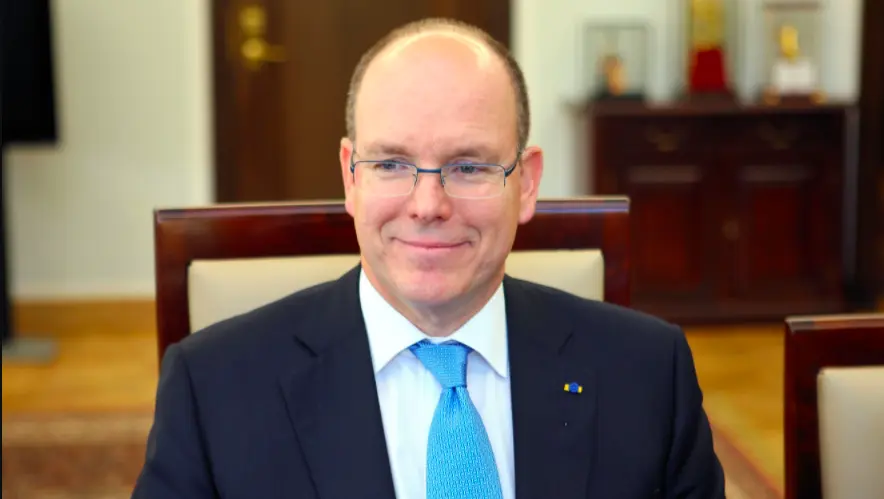
A vocal campaign, spearheaded by Inequality.org and supported by the Chancellery of the Senate of the Republic of Poland, is urging Prince Albert II of Monaco to cancel the prestigious Monaco Yacht Show. The core of their argument rests on the perceived incompatibility between the opulent event, which celebrates superyachts and private aviation, and the Prince’s well-documented and long-standing commitment to environmental protection and climate action. The campaigners contend that the show, a beacon of luxury and extreme wealth, inadvertently promotes activities with significant carbon footprints, directly contradicting the Prince’s public advocacy for a sustainable future.
The Environmental Paradox of Luxury: Campaigners’ Grievances
The petition, formally addressed to Prince Albert II, meticulously outlines the environmental concerns associated with the Monaco Yacht Show. Campaigners highlight the substantial carbon emissions generated by the superyachts themselves, many of which are powered by highly polluting engines. However, their primary focus is on the ancillary travel arrangements necessitated by such an exclusive event. The petition asserts that the show attracts a global elite who frequently utilize private jets and helicopters to reach Monaco, contributing disproportionately to greenhouse gas emissions.
To substantiate their claims, the campaign cites research attributed to the Institute for Policy Studies, which reportedly recorded approximately 1,400 private jet flights into the region during the 2025 Monaco Yacht Show. These flights, according to the campaigners, are estimated to have been responsible for a staggering 12,405 tonnes of CO2e emissions. This figure is then contextualized by comparing it to the annual emissions of roughly 2,300 average European citizens, underscoring the immense environmental impact of this specific mode of transport for a single event. The campaign argues that such a stark disparity cannot be overlooked when considering the overall sustainability of the show.
The petition goes further, characterizing the Monaco Yacht Show as a tangible representation of "luxury, excess, and extreme wealth." This framing aims to draw a stark contrast between the event’s inherent nature and the urgent global need to address climate change, which disproportionately affects vulnerable populations.
Prince Albert II: An Advocate for the Environment
The campaign strategically leverages Prince Albert II’s established reputation as a dedicated environmental advocate. His extensive involvement in climate action initiatives, both domestically and internationally, is well-documented. He has consistently championed renewable energy, marine conservation, and sustainable development. The New York Times’ characterization of him as an "eco-warrior" is prominently featured in the petition, serving to highlight the perceived disconnect between his personal ethos and the nature of the Monaco Yacht Show.
The campaigners are essentially calling on Prince Albert II to extend his environmental advocacy to the events hosted within his principality. They argue that his leadership should set a precedent, demonstrating that even in the realm of ultra-luxury, environmental responsibility must be paramount. The petition posits that by canceling the Monaco Yacht Show, the Prince would send a powerful message to the global community, reinforcing his commitment to climate action and inspiring other leaders and industries to re-evaluate their environmental impact.
Precedents and Comparisons: The EBACE Case Study
A key element of the campaign’s strategy involves drawing parallels with the cancellation of the European Business Aviation Convention & Exhibition (EBACE). EBACE, a significant trade event for the private aviation sector, faced considerable criticism regarding its environmental footprint. Following sustained campaigning and public outcry over its climate impact, the event was ultimately canceled. The organizers of the petition are urging Prince Albert II to follow this precedent, suggesting that the cancellation of EBACE demonstrates a growing societal intolerance for events that generate substantial carbon emissions without adequate mitigation strategies.
By referencing the EBACE cancellation, the campaigners aim to demonstrate that such actions are not unprecedented and that there is a discernible shift in public and political willingness to address the environmental consequences of luxury industries. They argue that the Monaco Yacht Show, despite its economic significance and appeal, should be subjected to the same level of scrutiny and, if necessary, face similar consequences.
The Broader Context: Climate Change Impacts and Inequality
The petition meticulously connects the environmental concerns surrounding the Monaco Yacht Show to the wider, more devastating impacts of climate change. It highlights the escalating frequency and intensity of extreme weather events, including record-breaking heatwaves, widespread wildfires, prolonged droughts, and severe storms. The campaigners emphasize that these phenomena are not abstract future threats but present-day realities with tangible human costs.
The petition underscores the tragic reality that thousands of people in Europe have already lost their lives due to extreme heat this summer. Furthermore, it draws attention to countries like Nepal, which, despite contributing minimally to global carbon emissions, are disproportionately vulnerable to the devastating consequences of climate change. This inclusion serves to illustrate the profound global inequality inherent in the climate crisis, where those least responsible often bear the brunt of its effects. The campaign implicitly argues that events like the Monaco Yacht Show, by exacerbating emissions, contribute to this global injustice.
Economic Implications and Industry Responses (Inferred)
The Monaco Yacht Show is a significant economic driver for the principality, attracting considerable revenue through tourism, hospitality, and related industries. While the original article does not include direct statements from the organizers of the Monaco Yacht Show or the yachting industry, it is reasonable to infer that they would likely defend the event’s economic contributions and potentially highlight efforts to improve the environmental performance of superyachts.
The yachting industry has, in recent years, begun to explore more sustainable technologies, including advancements in hybrid propulsion systems, alternative fuels, and more efficient hull designs. However, the campaigners argue that these incremental improvements are insufficient to offset the overall environmental impact of the industry and the associated travel. They may also point to the fact that the superyacht market, by its very nature, caters to an ultra-wealthy clientele whose consumption patterns are inherently resource-intensive.
The principality of Monaco itself has invested in various environmental initiatives, including renewable energy projects and the protection of its marine ecosystem. Prince Albert II’s personal commitment is evident in his foundation’s work and his participation in international climate conferences. The challenge for Monaco, and indeed for many nations, lies in balancing economic prosperity with environmental stewardship, particularly when hosting events that are synonymous with luxury and high consumption.
Analysis of Implications and Future Considerations
The campaign against the Monaco Yacht Show raises critical questions about the future of luxury events in an era of escalating climate consciousness. The success of such campaigns hinges on their ability to mobilize public opinion, exert political pressure, and foster a broader societal shift in attitudes towards consumption and environmental responsibility.
The implications of this campaign extend beyond the Monaco Yacht Show. It signals a growing demand for accountability from industries and events that contribute significantly to carbon emissions, even if they cater to a niche, affluent market. If successful, this campaign could inspire similar movements targeting other high-emission luxury events, such as exclusive fashion shows, international sporting events reliant on extensive travel, and other high-profile gatherings.
The long-term impact could lead to a re-evaluation of how such events are organized and operated. This might involve the implementation of stricter environmental regulations, the mandatory use of sustainable transport options, investments in carbon offsetting programs, or even a complete reconsideration of the scale and nature of these gatherings.
Ultimately, the campaign against the Monaco Yacht Show represents a growing tension between economic interests, the allure of luxury, and the urgent imperative to address the global climate crisis. Prince Albert II finds himself at the nexus of this debate, tasked with navigating these competing demands and making a decision that will undoubtedly resonate within the principality and on the international stage. The outcome of this petition will be closely watched as an indicator of the evolving priorities in the intersection of wealth, prestige, and environmental sustainability.

 Yuyun Lusiyani
 Joko Widodo
 Jia Lissa
 Pevita Pearce
 admin
admin