
 Ana Megawati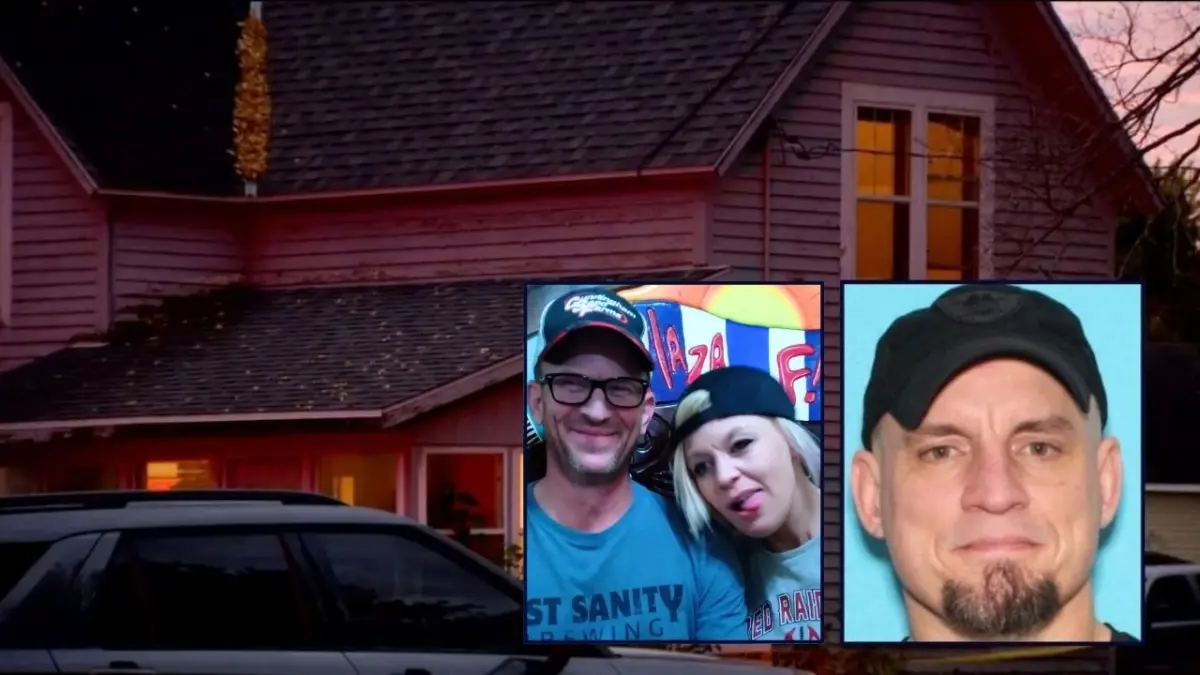
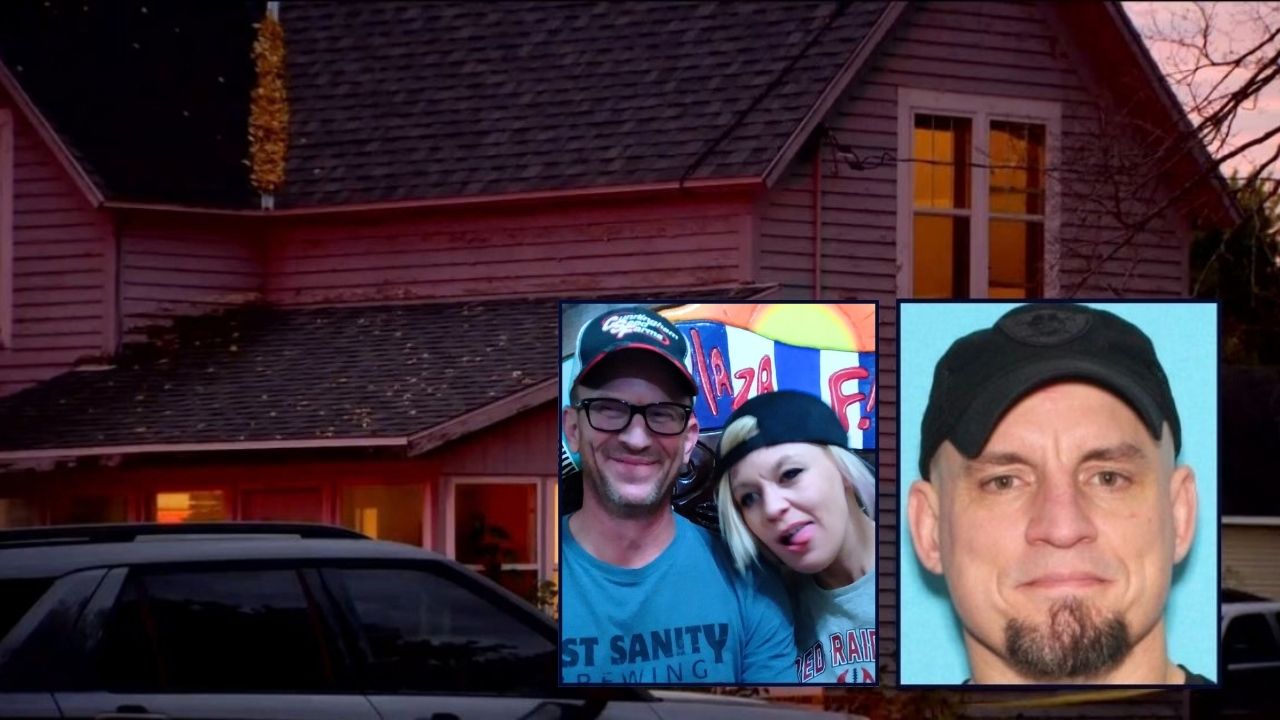
A Minnesota man, Randy Zimmerman, 46, has been handed two consecutive life sentences without the possibility of parole for the brutal murders of his ex-girlfriend, Tabitha Trescott, 32, and her new boyfriend, Justin Reinarts, 50. The sentencing, which took place on Monday, October 5, 2026, in Brown County, marks a definitive close to a case that deeply shook the quiet community of Hanska and highlighted the devastating consequences of domestic violence. Zimmerman had pleaded guilty in August to two counts of first-degree murder, specifically murder with intent while committing a felony and murder while committing domestic abuse with a past pattern of abuse. As part of a plea agreement, counts of premeditated murder were dismissed, allowing the legal process to move forward and provide a measure of closure for the victims’ families.
During the sentencing, Zimmerman reportedly expressed remorse, stating, "I truly am sorry," a sentiment that contrasted sharply with the calculated violence of his actions. However, for the families of Trescott and Reinarts, his words offered little solace against the backdrop of their immense loss. Terri Smith, Tabitha Trescott’s mother, conveyed the family’s relief to local CBS affiliate KEYC, stating, "A lot of weight is off of our family’s shoulders, we can sleep knowing that justice has been served." Her statement underscored the profound emotional burden carried by victims’ families throughout such harrowing legal proceedings and the difficult path towards healing.
The Tragic Events of November 2, 2025: A Home Invasion and Double Homicide
The horrific events unfolded in the early morning hours of November 2, 2025, when Randy Zimmerman violently broke into Tabitha Trescott’s home in Hanska, Minnesota. At approximately 4:20 a.m., Trescott and Reinarts were asleep in an upstairs bedroom when Zimmerman, armed with a shotgun, invaded their sanctuary. The ensuing violence was not only swift and fatal but also profoundly traumatic, as multiple children were present inside the home at the time of the murders.
The initial distress call to authorities came from one of Trescott’s two children, a brave and terrified voice reporting to Brown County authorities that "his mom’s ex-boyfriend broke into their house and shot his mom." This chilling 911 call immediately galvanized law enforcement, dispatching officers to a scene of unspeakable tragedy. Upon arrival, officers discovered the bodies of Tabitha Trescott and Justin Reinarts in an upstairs bedroom, each having sustained fatal gunshot wounds to the head. Two spent shotgun shells found at the scene provided stark evidence of the brutal execution.
Further details emerging from the criminal complaint, obtained by Minnesota NBC affiliate KARE, painted an even more harrowing picture of the moments leading up to the murders. According to the child who made the 911 call, he was awakened by loud yelling and profanities emanating from within the home. Upon investigating the disturbance, he encountered Zimmerman in the hallway outside his bedroom. In a terrifying act of intimidation and control, Zimmerman allegedly pointed the shotgun directly at the child, ordering him back into his room. The child also recounted hearing Zimmerman utter the chilling words, "I gave you a chance," directed at Trescott just before he opened fire, suggesting a premeditated act fueled by resentment and a perverse sense of betrayal. The psychological impact on a child witnessing such an act, let alone being directly threatened, is profound and long-lasting, often requiring extensive therapy and support to navigate the trauma.
The Interstate Manhunt and Dramatic Apprehension
Following the double homicide, Randy Zimmerman immediately fled the scene, initiating an interstate manhunt that would span hundreds of miles and involve multiple law enforcement agencies. His escape route led him westward into Iowa, where his flight from justice quickly escalated into a dangerous confrontation with authorities. Louisa County Sheriff Brandon Marquardt later detailed the dramatic pursuit to Law&Crime, recounting how Zimmerman engaged in a high-speed car chase with a sheriff’s deputy. During this perilous pursuit, Zimmerman demonstrated his continued dangerousness by pulling his shotgun out of the vehicle’s window and firing one shot backward at the pursuing deputy, fortunately missing his target.
The chase culminated in a dramatic confrontation where Iowa law enforcement utilized tactical maneuvers to apprehend the fleeing suspect. Deputies successfully executed a "PIT maneuver," a pursuit intervention technique designed to force a fleeing vehicle sideways, causing the driver to lose control and stop. Zimmerman’s vehicle was forced into a ditch, but his desperate attempt to evade capture continued on foot. Officers pursued him into a nearby field, where he was eventually apprehended after being tasered. The entire ordeal, from the moment of the murders to his arrest in Louisa County, Iowa, lasted approximately 12 hours, a period of intense anxiety and coordinated effort for law enforcement officials across two states. His capture brought an end to the immediate threat he posed to public safety, but the trauma he inflicted on the victims’ families and the community would endure.
Legal Framework and the Significance of the Plea Agreement
Randy Zimmerman’s guilty plea to two counts of first-degree murder was a pivotal moment in the legal proceedings, avoiding a lengthy and emotionally draining trial for the victims’ families. The specific charges to which he pleaded guilty — murder with intent while committing a felony and murder while committing domestic abuse with a past pattern of abuse — are critical under Minnesota law.
Minnesota Statute § 609.185 outlines various definitions of first-degree murder. "Murder with intent while committing a felony" (often referred to as felony murder) applies when a person causes the death of another while committing or attempting to commit a felony, such as burglary or assault, even if the intent was not specifically to kill but to commit the underlying felony. In Zimmerman’s case, breaking into Trescott’s home constituted a felony (burglary), making him liable for the deaths that occurred during that act.
The charge of "murder while committing domestic abuse with a past pattern of abuse" is particularly significant. This statute recognizes the heightened danger posed by perpetrators with a history of domestic violence. It allows for a first-degree murder charge when the perpetrator causes the death of a family or household member, and there is a documented pattern of physical or sexual abuse against that victim or another family or household member. This charge acknowledges the insidious nature of domestic violence and provides a legal avenue to address the culmination of an abusive relationship in homicide. The dismissal of "premeditated murder" counts as part of the plea deal likely streamlined the legal process, ensuring a conviction with significant sentencing without the additional burden of proving specific deliberation and planning beyond a reasonable doubt, which can sometimes be a more challenging evidentiary hurdle in court.
The two consecutive life sentences mean that Zimmerman will serve the entirety of both terms, with no possibility of parole. This ensures that he will remain incarcerated for the rest of his natural life, a critical outcome for justice in such grave crimes. He received credit for 345 days already served, accounting for the time he spent in custody since his arrest.
The Shadow of Domestic Violence: Context and Broader Implications
The conviction of Randy Zimmerman for murder while committing domestic abuse with a past pattern of abuse casts a harsh spotlight on the pervasive issue of domestic violence. This specific charge indicates a documented history of abusive behavior, a tragic precursor to the ultimate act of violence. Domestic violence is a pattern of abusive behaviors by one partner against another in an intimate relationship, such as marriage, cohabitation, dating, or former intimate relationships. It can take many forms, including physical, sexual, emotional, economic, and psychological abuse.
Statistics from organizations like the National Coalition Against Domestic Violence (NCADV) paint a grim picture. On average, nearly 20 people per minute are physically abused by an intimate partner in the United States. In one year, this equates to more than 10 million women and men. Furthermore, a significant percentage of homicides are related to domestic violence. Data consistently shows that the period of separation or impending separation is often the most dangerous time for victims of domestic abuse. Perpetrators, feeling a loss of control, may escalate violence dramatically, sometimes to lethal levels, as seen in this tragic case. This highlights the critical importance of safety planning for individuals attempting to leave abusive relationships and the need for robust support systems.
Terri Smith, Tabitha Trescott’s mother, eloquently articulated this danger in her post-sentencing statement, offering a poignant warning to others trapped in similar circumstances. "If you’re in this kind of situation, please don’t think you can ever change that person, because you cannot," Smith told KEYC. "No matter how many times they say I’m sorry it will never happen again. That I’m sorry it will never happen again is their way of saying it will be worse the next time around." Her words serve as a vital public service announcement, drawing from her family’s devastating experience to caution others about the manipulative cycle of abuse and the inherent dangers of believing an abuser’s false promises of change.
Impact on Children and Community Resilience
The presence of multiple children in the home during the murders adds another layer of profound tragedy to this case. Witnessing extreme violence, especially by a family member or trusted adult, can have severe and lasting psychological repercussions on children. Experts in child psychology and trauma consistently document a range of potential impacts, including post-traumatic stress disorder (PTSD), anxiety, depression, behavioral problems, difficulty forming attachments, and academic struggles. The long-term effects can extend into adulthood, influencing relationships, mental health, and overall well-being. Providing comprehensive and sustained psychological support to these children will be crucial for their healing and development.
For the small community of Hanska, Minnesota, the double homicide undoubtedly left an indelible mark. Such events shatter a community’s sense of safety and trust, leading to collective grief and a period of introspection. Communities often rally around affected families, offering support, but the memory of such violence lingers. It underscores the broader societal challenge of identifying and intervening in domestic abuse situations before they escalate to lethal outcomes. Law enforcement, victim advocacy groups, and community services play a critical role not only in responding to crises but also in prevention, education, and providing resources for those at risk.
A Call for Vigilance and Support
The sentencing of Randy Zimmerman brings a legal conclusion to a deeply painful chapter, but the underlying issues of domestic violence persist. This case serves as a stark reminder of the urgent need for continued vigilance, public awareness, and robust support systems for victims. It emphasizes the importance of taking threats seriously, recognizing patterns of abuse, and empowering individuals to seek help. Resources such as national domestic violence hotlines, local shelters, and counseling services are lifelines for countless individuals living in fear. The hope is that through justice for Tabitha Trescott and Justin Reinarts, and through the courageous voice of Terri Smith, others may find the strength to break free from the cycle of violence before it claims more lives.




 Yuyun Lusiyani
 Joko Widodo
 Eva Lovia
 Pevita Pearce
 admin
admin
 Lina Irawan