
 Eva Lovia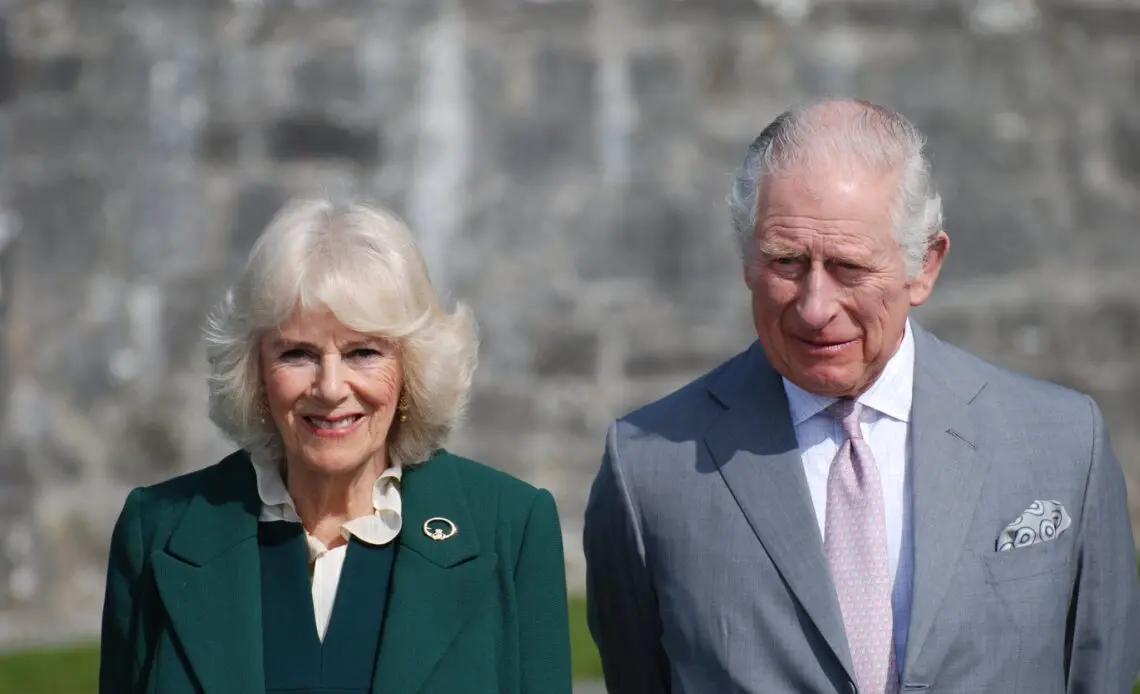
Their Majesties King Charles III and Queen Camilla will undertake a significant constitutional and ceremonial duty next week, travelling to Cardiff to officially open the seventh Senedd, the Welsh Parliament. The grand occasion is scheduled for Thursday, 15 October 2026, marking a pivotal moment in the nation’s parliamentary calendar and a deeply symbolic engagement for the Royal Family in their roles as King and Queen. This visit will be the first time Their Majesties have presided over the opening of the Senedd since His Majesty ascended to the throne, underscoring the evolving relationship between the Crown and the devolved administrations of the United Kingdom.
The arrival of the King and Queen at the Senedd building on Pierhead Street will be met with customary ceremonial protocol, befitting the solemnity and importance of the occasion. Two distinguished guard formations will be present to formally welcome Their Majesties: one provided by the 3rd Battalion, The Royal Welsh, a regiment with deep historical ties to Wales, and another by the 157 (Welsh) Regiment of the Royal Logistics Corps, reflecting the nation’s military presence. Further enhancing the honour, a Royal Navy Guard of Honour will stand ready to render a Royal Salute, a traditional acknowledgement of the sovereign’s presence.
Following the military honours, Their Majesties will proceed to be greeted by a civic line-up, comprising prominent local dignitaries and officials. This will be followed by the formal presentation to the Llywydd, Huw Irranca-Davies MS, who serves as the Presiding Officer of the Senedd, and the First Minister of Wales, Rhun ap Iorwerth MS. These introductions highlight the direct engagement between the monarch and the leadership of the Welsh Parliament.
The ceremonial opening itself will unfold within the Senedd’s chambers, beginning with a fanfare to herald the commencement of proceedings. Inside, the King and Queen will engage in a series of introductions, meeting with party leaders representing the diverse political spectrum of the Senedd, the Chief Executive and Clerk of the Senedd, who manages the administrative and legislative functions of the Parliament, and the Deputy Presiding Officer. These meetings offer an opportunity for informal dialogue and a deeper understanding of the current parliamentary landscape.
As Their Majesties enter the Siambr, the primary legislative chamber, a moment of cultural significance will ensue. Mared Pugh-Evans, the King’s Harpist, will perform, adding a traditional and artistic dimension to the ceremony. This inclusion of Welsh musical talent underscores the rich cultural heritage of Wales and its integral role within the United Kingdom.
The formal proceedings will then commence with opening remarks delivered by the Llywydd. This will be followed by a key address from His Majesty The King, offering his perspective on the occasion and the significance of the Senedd. The First Minister of Wales will then deliver his own remarks, providing insight into the current priorities and outlook of the Welsh Government. To further enrich the ceremony, Hanan Issa, the National Poet of Wales, will recite a specially commissioned poem, crafted to reflect the spirit and purpose of the Senedd. The Merched Plastaf Choir is also scheduled to perform "O Gymru," a piece composed by the acclaimed Welsh musician Rhys Jones, adding a powerful vocal element to the proceedings.
Following the formal ceremony, Their Majesties will transition to the Cwrt area of the Senedd. Here, they will have the opportunity to engage with a broader cross-section of Welsh society and its future leaders. This will include meeting members of the Welsh Youth Parliament, an advisory body that provides a platform for young people to voice their concerns and ideas, as well as Senedd Commissioners and other Members of the Senedd. Furthermore, representatives from various community and youth organisations will be present, allowing for interaction with those actively involved in shaping Welsh society at a grassroots level.
A poignant moment will mark the conclusion of Their Majesties’ visit. Before their departure, they will be presented with a posy by Noah Jones. This young boy holds a significant personal connection to a tragic chapter in Welsh history. He is the great-grandson of the caretaker of Pantglas Junior School in Aberfan, whose heroic actions during the Aberfan disaster of 1966 were instrumental in saving the lives of numerous children. This inclusion serves as a deeply moving tribute to resilience, bravery, and the enduring impact of community spirit.
A Deepening Royal Connection with the Senedd
This upcoming visit is not an isolated event but rather a continuation of a developing relationship between the King and Queen and the Senedd. Their Majesties previously graced the Senedd in July 2024, an occasion marked by the celebration of its 25th anniversary. This prior engagement highlights a consistent pattern of royal support for the devolved institution and its role in Welsh governance.
The history of the Senedd’s opening ceremonies provides further context. The most recent previous opening, in October 2021, was attended by the late Queen Elizabeth II. At that significant event, the then Prince of Wales and Duchess of Cornwall were also present, marking their participation in their former capacities. The upcoming ceremony in October 2026 will therefore hold the distinction of being the first Senedd opening at which the current King and Queen attend in their supreme roles, signifying a new era in their constitutional duties.
Evolution of the Senedd: From Assembly to Parliament
The institution now known as the Senedd has undergone a remarkable evolution since its inception. Established in 1999 as the National Assembly for Wales, it was created as a result of the devolution of powers from the UK Government to Wales. Initially, the Assembly’s powers were more limited, primarily focused on scrutinising legislation and policy. However, over the years, it has matured into a fully-fledged parliament, vested with significant powers to legislate in areas devolved to Wales. This includes responsibilities for key sectors such as education, health, agriculture, and the environment, alongside its crucial role in holding the Welsh Government accountable.
The Impact of Expansion: A Strengthened Legislative Capacity
A significant development preceding the 2026 Senedd election was the expansion of the Parliament. The number of Members of the Senedd (MSs) has increased from 60 to 96. This substantial increase in legislative capacity was a deliberate strategic decision, intended to equip the Senedd with the necessary resources and manpower to effectively undertake its expanding legislative, policy development, and scrutiny responsibilities. This expansion is expected to allow for more in-depth committee work, greater representation of Welsh constituencies, and a more robust legislative output, ultimately strengthening Welsh democracy.
The King and Queen’s visit on 15 October 2026 will therefore serve as the formal inauguration of this expanded seventh Senedd, officially commencing its legislative term following the recent elections and the implementation of its enhanced structure. This occasion not only marks a constitutional milestone but also symbolises the continued and evolving partnership between the Crown and the devolved governance of Wales.
Supporting Data and Context
The devolution of power to Wales, culminating in the establishment of the Senedd, is a cornerstone of the United Kingdom’s constitutional settlement. Following the 1997 referendum, the Wales Act 1998 established the National Assembly for Wales, with limited primary legislative powers. Over subsequent decades, through various Wales Acts, the Senedd’s powers have significantly increased, granting it greater autonomy in key policy areas. For instance, the Welsh Government, accountable to the Senedd, now has full legislative competence in areas such as agriculture, education, health, and local government.
The expansion of the Senedd from 60 to 96 members represents a substantial investment in Welsh democracy. This increase is intended to allow for more specialised committees, greater scrutiny of government, and more effective representation for the Welsh population. With a larger number of MSs, the Senedd can potentially dedicate more resources to in-depth policy analysis and legislative drafting, fostering a more robust and responsive parliament. The increased number of constituencies also aims to ensure that all areas of Wales are adequately represented.
Official Responses and Anticipation
While specific official statements from the Senedd or the Welsh Government regarding the King and Queen’s visit are typically released closer to the date, the anticipation surrounding such a significant royal engagement is invariably high. Presiding Officers and First Ministers have historically welcomed royal visits as affirmations of the Senedd’s constitutional importance and the enduring link between Wales and the Crown. It is anticipated that the Llywydd and the First Minister will express their honour and pleasure at hosting Their Majesties for this ceremonial opening, highlighting the collaborative spirit between the monarchy and the devolved government.
Broader Impact and Implications
The ceremonial opening of the Senedd by the King is more than just a symbolic act; it is a tangible representation of the constitutional arrangements of the United Kingdom. It reinforces the role of the monarchy as a unifying figurehead while acknowledging and respecting the devolved powers of the Senedd. For the people of Wales, it signifies the formal commencement of a new parliamentary term, with the King’s presence lending an air of national importance to the proceedings.
The event also serves as an opportunity to showcase Wales on a national and international stage. The ceremonies, media coverage, and the presence of royal figures draw attention to the Senedd’s work, its elected representatives, and the democratic processes at play in Wales. This can foster greater public engagement with politics and encourage civic participation.
Furthermore, the King’s address to the Senedd, as head of state, provides a platform for him to offer reflections on national unity, shared values, and the future of the United Kingdom. His words can carry significant weight, offering encouragement and a sense of continuity. The inclusion of Welsh cultural elements, such as the harpist and the poet, further underscores the distinct identity and rich heritage of Wales within the broader context of the UK.
The expanded Senedd, now formally opened by the King, faces the significant task of leveraging its increased capacity to address the pressing challenges and opportunities facing Wales. From economic development and environmental sustainability to healthcare and education, the Senedd’s legislative agenda will be crucial in shaping the future of the nation. The King’s visit, therefore, marks not only the beginning of a new parliamentary chapter but also a moment of national reflection and anticipation for the work that lies ahead for the elected representatives of Wales.




 Yuyun Lusiyani
 Ana Megawati
 Joko Widodo
 Jia Lissa
 Pevita Pearce