
 Eva Lovia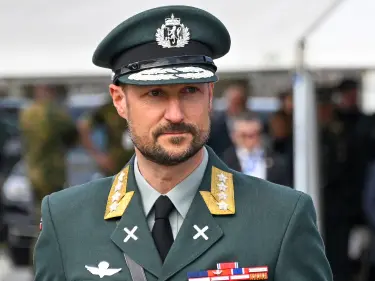
Norway’s Royal Family is set to gradually resume its official duties following a period of profound mourning after the passing of King Harald V. The resumption marks a new chapter for the monarchy, characterized by a reshaped working roster and significant adjustments to the royal calendar. King Haakon, who ascended the throne on August 28th, will be at the forefront of these renewed engagements, supported by his mother, Queen Sonja. This transition occurs at a time of considerable flux, with other key members of the family undertaking personal recovery or continuing their educational pursuits abroad.
A Nation Mourns, A Monarchy Adapts
The death of King Harald V on August 28th, at the age of 89, sent ripples of grief across Norway. A beloved monarch, King Harald had reigned for 33 years, a tenure marked by his accessibility, dedication to public service, and a genuine warmth that resonated with the Norwegian people. His passing necessitated the immediate suspension of all public engagements by the Royal Family, a period of respectful deference to national grief and the private needs of the bereaved. The official statement from the Royal Court at the time underscored the gravity of the moment, emphasizing the family’s need to process their loss.
King Harald’s reign was characterized by his commitment to Norway’s democratic values and his role as a unifying figure. He was known for his passion for sailing and his active participation in various sporting and cultural events. His death marked the end of an era, leaving a void that the nation is still coming to terms with. The subsequent period of mourning was observed with solemnity, with many Norwegians paying tribute to their late monarch through floral tributes, public vigils, and expressions of remembrance.
Resumption of Duties: A New Royal Landscape
The Royal Court has now confirmed that official duties will recommence on October 9th, signaling a return to public life, albeit with a noticeably altered dynamic. King Haakon, who was proclaimed King on the same day of his father’s death, will shoulder a significant portion of the royal agenda. He has already undertaken the crucial step of swearing an oath in Norway’s parliament, a foundational act in his accession to the throne. While an official enthronement service is yet to be scheduled, his assumption of constitutional duties is well underway.
Queen Sonja, the late King Harald’s devoted wife, will also resume her public engagements. Her continued presence will undoubtedly offer a source of strength and continuity for the monarchy, drawing upon her decades of experience as Queen Consort. The enduring partnership she shared with King Harald was a cornerstone of his reign, and her continued service demonstrates a deep commitment to the nation.
Personal Journeys Alongside Public Service
However, the returning royal calendar is significantly impacted by the personal circumstances of other senior royals. Queen Mette-Marit, wife of King Haakon, will not be undertaking any public engagements in the immediate future. She underwent a successful lung transplant in June of this year and is currently recuperating at home. The Royal Court has stated that she will not resume her public duties until at least the summer of next year, a timeline that prioritizes her full recovery and well-being. This period of convalescence highlights the human element within the royal family, underscoring that even those in public service require time and care for their health.
The next generation of the Norwegian monarchy is also charting its own paths. Crown Princess Ingrid Alexandra, the heir presumptive to the throne and second in line after her father, King Haakon, is preparing to return to her studies in Sydney, Australia, in February. She had temporarily relocated her university course to Oslo to be closer to her mother during her hospitalisation, demonstrating a strong sense of family solidarity. Her international studies reflect a modern approach to royal education, preparing her for future responsibilities on a global stage.
Prince Sverre Magnus, the second in line to the throne and King Haakon’s younger son, is currently pursuing his studies in Lisbon. At 20 years old, he is embarking on his own educational journey, a critical phase for any young adult, including those with royal lineage. His presence abroad further contributes to the altered composition of the working royal family within Norway.
A Revised Royal Agenda
The combined impact of these personal circumstances means that King Haakon will be the primary figurehead for many of the monarchy’s official responsibilities. He will be responsible for overseeing Councils of State and government meetings, in addition to carrying out a range of public duties. The immediate future of his royal agenda is likely to be focused within Norway, with international travel potentially being postponed. This concentration of duties on the new King underscores the weight of his new responsibilities and the trust placed in him by the nation.
The loss of Princess Astrid, the late King Harald’s sister, in September, further reduces the pool of active working royals. At 94 years old, Princess Astrid was a respected member of the Royal Family, and her passing, just two days after her brother’s funeral, added another layer of sadness and loss. Her long service and dedication to the monarchy will be remembered.
Implications for the Monarchy’s Future
These changes have a direct and visible impact on the Royal Family’s operational capacity. The announcement that there will be no State Visits for the foreseeable future is a clear indicator of this adjustment. State Visits are significant diplomatic events, requiring extensive planning, security, and the active participation of senior royals. Their absence suggests a strategic prioritization of domestic duties and a period of consolidation for the monarchy.
The Norwegian monarchy, like many others, has evolved over time to adapt to changing societal expectations and the personal lives of its members. King Haakon’s reign begins at a unique juncture, demanding resilience and strategic leadership. His ability to navigate these shifts, while upholding the traditions and responsibilities of the Crown, will be a defining aspect of his early years as King. The support he receives from Queen Sonja, and the eventual contributions of Crown Princess Ingrid Alexandra and Prince Sverre Magnus as they complete their education and transition into more public roles, will be crucial for the continued vibrancy of the Norwegian Royal Family. The nation will be watching with interest as the new King and his family embark on this new chapter, balancing personal circumstances with the enduring demands of royal service.


 Yuyun Lusiyani
 Ana Megawati
 Joko Widodo
 Jia Lissa
 Pevita Pearce