
 Pevita Pearce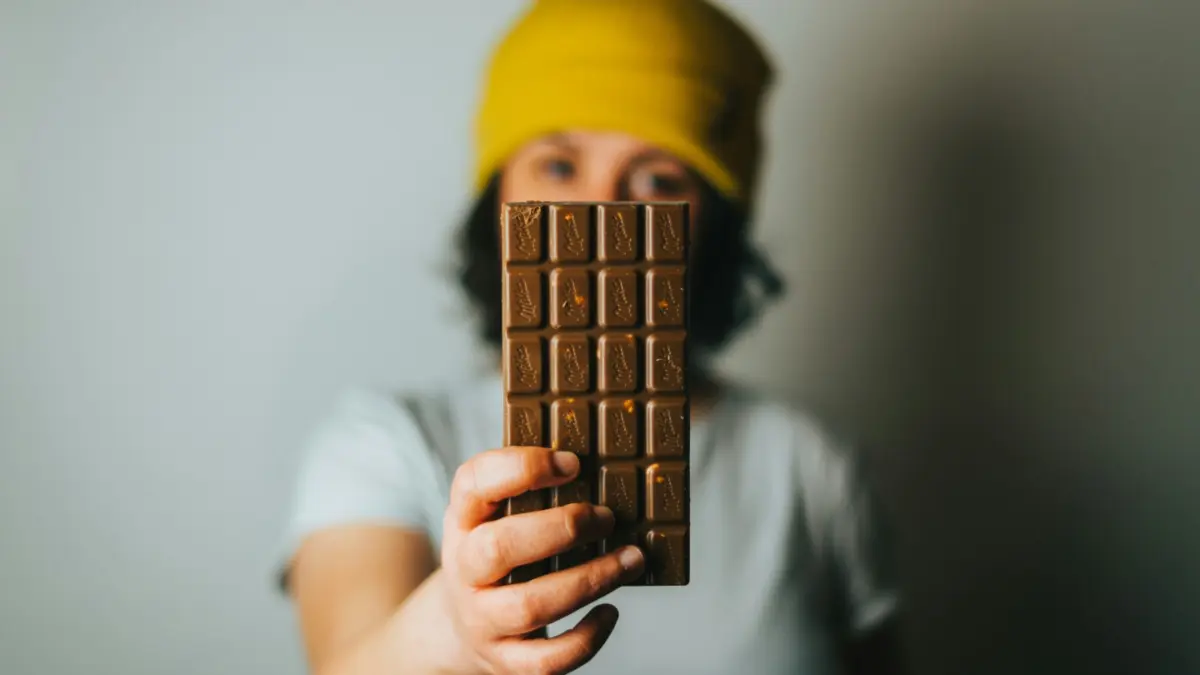
A groundbreaking study published in the September 2026 edition of the journal Frontiers in Physiology has revealed that the simple act of inhaling the aroma of dark chocolate can significantly boost physical performance during resistance training. Researchers at the University of Malaya found that athletes exposed to the scent of high-cocoa chocolate were able to complete substantially more repetitions of a given exercise compared to those in a scent-free environment. Most notably, this increase in physical output did not coincide with a rise in the participants’ perceived level of exertion, suggesting a unique psychobiological mechanism that allows the body to push further without the mind feeling the additional strain.
The study comes at a time of growing interest in "non-traditional" performance enhancers—substances or environmental factors that influence the central nervous system rather than providing direct caloric or chemical fuel to the muscles. By isolating the sense of smell, the research team has opened a new dialogue on how environmental cues can be leveraged to optimize athletic performance and adherence to rigorous fitness regimens.
Experimental Design and Methodology
To investigate the link between olfaction and physical endurance, the research team recruited 23 healthy male participants in their early to mid-20s. Each participant possessed moderate experience in resistance training, ensuring that the movements performed during the study were familiar and that the physiological responses were representative of a typical gym-going demographic.
The experimental protocol was strictly controlled. Participants were required to fast for at least 10 hours prior to testing to ensure that recent food intake did not interfere with hunger levels or metabolic responses. The participants were then divided into three distinct groups, each subjected to a different olfactory stimulus:
- High-Intensity Dark Chocolate: Exposure to the aroma of dark chocolate containing 90% cocoa.
- Standard Milk Chocolate: Exposure to the aroma of milk chocolate containing 60% cocoa.
- Control Group: Exposure to odorless water, serving as the baseline for performance and appetite.
The primary exercise utilized for the study was the leg extension, a standard isolation movement that allows for precise measurement of muscle fatigue and repetition counts. Throughout the training session, researchers monitored a variety of metrics, including total repetitions completed, self-reported hunger levels, and the Rating of Perceived Exertion (RPE)—a psychological scale used to measure how hard an individual feels their body is working.
Quantitative Results: The Power of Aroma
The data collected during the trials showed a clear and statistically significant advantage for the groups exposed to chocolate scents. The most dramatic results were observed in the dark chocolate (90% cocoa) group. On average, these participants completed approximately 18 more repetitions than those in the control group.
The milk chocolate group also showed improvement, completing roughly nine additional repetitions compared to the control. While still a notable increase, it was only half as effective as the more potent, bitter aroma of the 90% cocoa variety.
Perhaps the most significant finding from a sports psychology perspective was the stability of the RPE scores. Despite performing a higher volume of work—which would typically lead to increased fatigue and a higher sense of struggle—the participants in the chocolate-scented groups did not report feeling any more tired or strained than those in the control group. This indicates that the aroma may be acting as a "central governor" modulator, effectively raising the threshold at which the brain signals the body to stop due to fatigue.
The Psychobiology of Satiety and Performance
The researchers believe the explanation for these results lies in the complex relationship between the olfactory system and the brain’s reward centers. Dr. Mohamed Nashrudin bin Naharudin, the senior author of the study, noted that the human brain treats familiar food smells as predictive cues for the body’s physiological state.
"The dark chocolate scent serves as a learned cue for a rich, bitter, and highly satiating food," Dr. Naharudin explained. "When the brain detects this specific aroma, it essentially tricks the system into an anticipatory state of fullness. This psychobiological state can mitigate the distractions of hunger and provide a subtle, rewarding stimulus that allows the athlete to maintain focus and intensity."
The study found that smelling dark chocolate significantly reduced feelings of hunger and increased feelings of fullness before the exercise even began. Interestingly, while milk chocolate was rated by participants as having a "more pleasant" smell, it did not have the same powerful effect on appetite suppression as the dark chocolate. This suggests that the bitterness associated with high-cocoa chocolate is a key component in triggering the brain’s satiety signals.

Broader Context: Olfaction in Sports Science
The use of scents to alter physical performance is not an entirely new concept, though it has remained on the fringes of mainstream sports science. Previous studies have looked into the effects of peppermint, which is thought to open airways and increase alertness, and lavender, which is used for recovery and stress reduction. However, the University of Malaya study is unique in its focus on food-based "reward" scents and their impact on resistance training specifically.
The psychological component of exercise is often the primary barrier to progress. If an athlete feels they are working at their maximum capacity, they are likely to stop, even if the muscles have more physiological reserve. By decoupling the "feeling" of hard work from the actual physical output, chocolate aromas could potentially help individuals break through plateaus and improve the efficiency of their workouts.
"We don’t think chocolate is entirely unique," said Dr. Naharudin, "though it is a food cue with incredibly strong, universally recognized reward associations. It is possible that other familiar, calorie-dense food smells could produce similar results, but chocolate’s specific profile of bitterness and richness makes it a particularly potent stimulus."
Limitations and Future Research Directions
While the results are promising, the research team has urged caution in over-interpreting the preliminary findings. The study’s sample size was limited to 23 young men, which raises questions about whether the results can be generalized to women, older adults, or elite athletes with different metabolic and psychological profiles.
Furthermore, the study did not include invasive measurements such as blood hormone levels (e.g., ghrelin or leptin) or functional MRI (fMRI) scans to track brain activity in real-time. Without this data, the exact neurological pathway—whether it be dopamine release, changes in blood glucose regulation, or a purely psychological placebo-like effect—remains a subject of speculation.
Future research will likely focus on:
- Diverse Demographics: Testing the effects on women and different age groups to see if hormonal variations influence the response to food scents.
- Alternative Scents: Investigating whether savory smells or other sweet aromas (like vanilla or coffee) yield similar performance gains.
- Long-term Adherence: Determining if the "chocolate effect" diminishes over time as the brain becomes desensitized to the scent through repeated exposure.
The Growing Importance of Resistance Training
The timing of this study is particularly relevant given the broader medical community’s emphasis on the benefits of weightlifting. Another major study published earlier in 2026 underscored the vital role of muscle-strengthening activities in long-term health. That research, which tracked over 147,000 adults for three decades, found that engaging in weight training for just 90 to 120 minutes per week was linked to a 13% reduction in the risk of early death from all causes.
When weightlifting was combined with aerobic exercise, the mortality risk dropped even further. However, many adults struggle to meet the recommended guidelines for resistance training due to the perceived difficulty and discomfort of the activity. If environmental interventions—like the use of specific aromas—can make weightlifting feel less taxing, it could lead to higher rates of public participation in these life-extending activities.
Implications for the Fitness Industry
The findings could have immediate practical applications for the fitness and wellness industry. Gym owners and equipment manufacturers may look into "scent-based ergonomics," integrating controlled aroma release systems into workout spaces or personal wearable devices.
For the individual trainee, the takeaway is simpler: the environment in which one trains is just as important as the equipment used. While "smelling your way to a PR" (personal record) might sound like a gimmick, the data suggests that our sensory perceptions play a massive role in our physical capabilities.
As sports science continues to evolve, the focus is shifting from what we put into our bodies to how our brains interpret the world around us. The University of Malaya study serves as a compelling reminder that the mind and body are inextricably linked, and sometimes, the secret to a better workout might just be right under our noses.




 Yuyun Lusiyani
 Ana Megawati
 Joko Widodo
 Eva Lovia
 Jia Lissa