
 Ana Megawati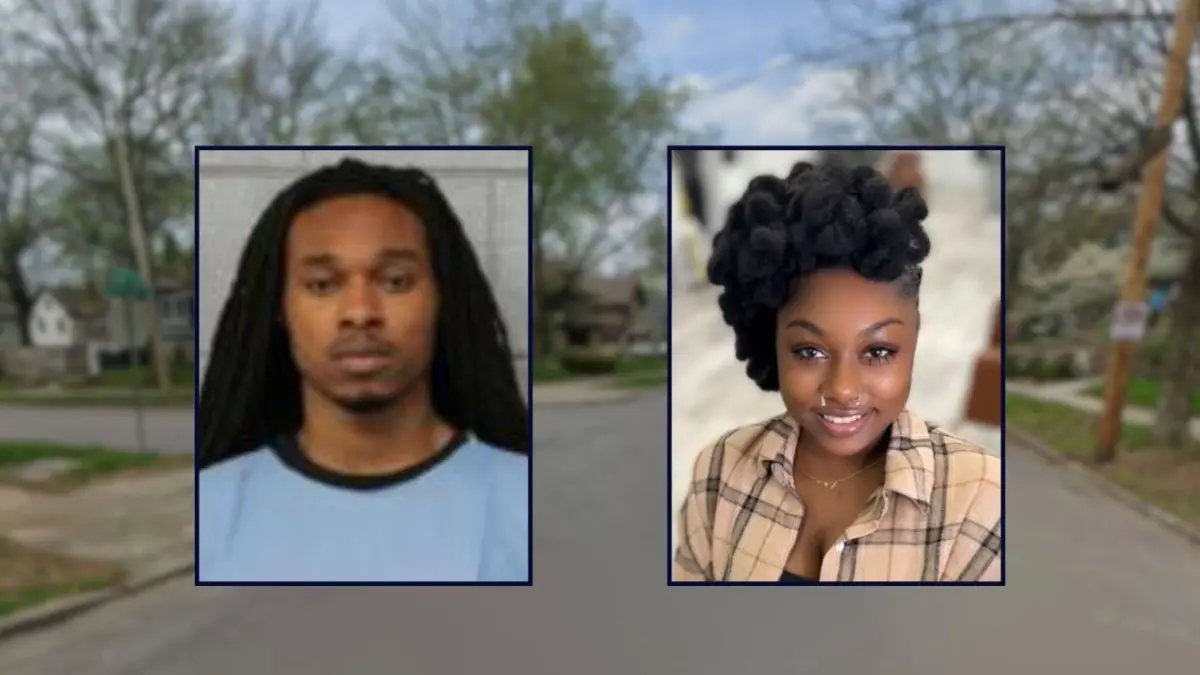
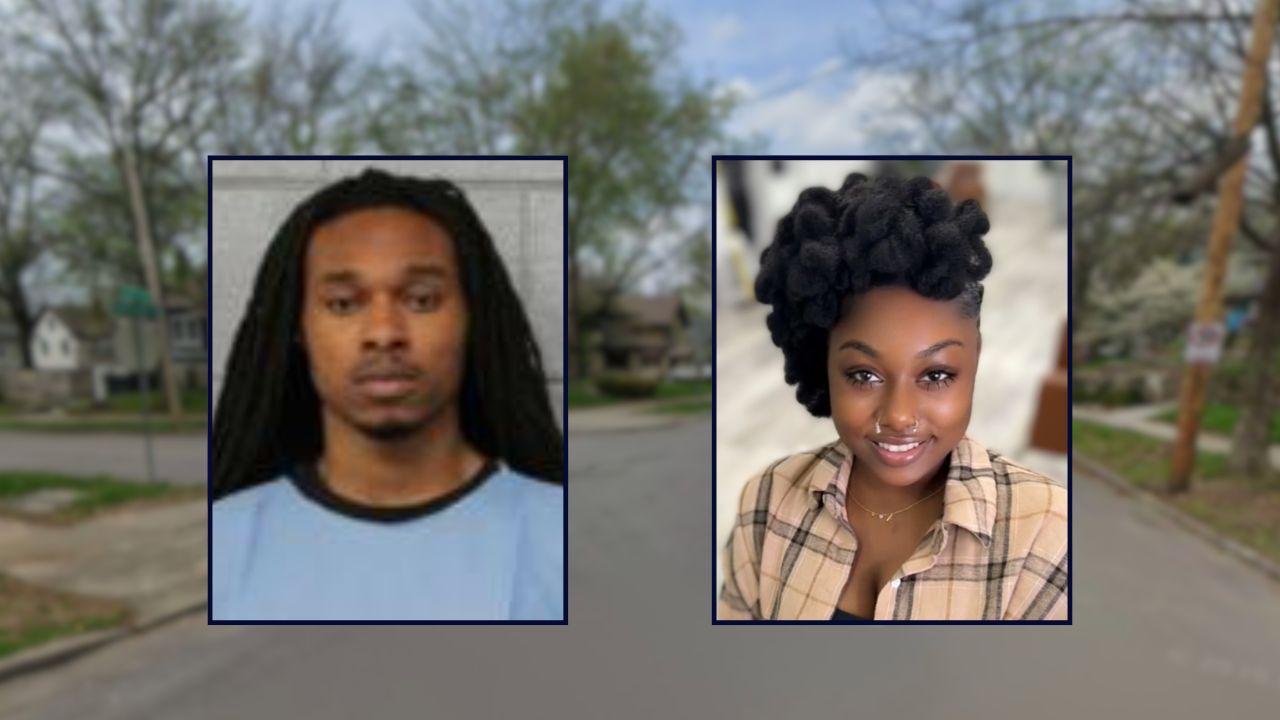
Rasheed Turner, 26, has been condemned to spend the remainder of his natural life incarcerated, a Jackson County Circuit Court judge ruling Wednesday that he will serve a life sentence without the possibility of parole for the first-degree murder of his ex-girlfriend, Layla Freeman. The heinous crime, committed on Freeman’s 21st birthday in May 2025, involved a calculated deception, with Turner luring the young woman to a meeting under the guise of presenting her with a birthday gift, only to tragically end her life. In addition to the life term, Judge Adam Caine imposed a consecutive 15-year sentence for armed criminal action, underscoring the severity and brutality of Turner’s actions. The verdict, delivered by a Jackson County jury in August, brought a measure of justice to a case that has profoundly impacted Freeman’s family and cast a stark light on the persistent issue of domestic violence.
The Deception and the Tragic Birthday
The events leading to Layla Freeman’s untimely death unfolded on May 13, 2025, a day that should have been a joyous celebration of her 21st birthday. Instead, it became the date of her murder. According to court documents and testimony presented during the trial, Rasheed Turner orchestrated a deceptive plan to meet Freeman. A cousin of Layla Freeman testified to law enforcement that she had been on a FaceTime call with Freeman hours before the shooting. During this conversation, Freeman revealed her plans to meet Turner, who had promised her a birthday present. This seemingly innocent invitation masked a sinister intent, a calculated move by Turner to isolate and confront Freeman.
Later that evening, approximately an hour and a half after the initial FaceTime call, the cousin received another call from Freeman. This time, Freeman’s voice was filled with distress; she was crying and informed her cousin that she was with Turner, promising to call back shortly. That return call, devastatingly, never came. It was the last communication Layla Freeman had with her family before her life was violently cut short. The chilling detail of her crying while with Turner suggests a confrontation or escalating tension prior to the fatal assault, painting a grim picture of her final moments.
The Crime Scene and Initial Response
On the night of May 13, 2025, Kansas City Police Department (KCPD) officers responded to reports of gunfire near the intersection of West 37th Street and Pennsylvania Avenue. The scene they encountered was horrific: Layla Freeman was found suffering from multiple gunshot wounds, bleeding profusely near a parked Chevrolet Malibu. She had been shot repeatedly, indicating an attack of extreme violence. The preliminary police investigation, detailed in reports obtained by local Fox affiliate WDAF, suggested that the victim "had an interaction with one or more suspects" that culminated in the fatal shooting. The immediate priority for responding officers was to secure the scene, render aid to Freeman – though her injuries proved fatal – and begin the arduous process of collecting evidence.
Witnesses in the vicinity, while not observing the actual shooting, provided crucial initial information. They reported hearing distinct gunshots followed by a woman’s screams. Immediately after the gunfire ceased, these witnesses observed a man exiting the driver’s side of the parked Chevrolet Malibu, then running towards and entering the driver’s side of a Ford Mustang before speeding away. This eyewitness account provided law enforcement with a critical description of the suspect’s vehicle and the direction of travel, forming the bedrock of the subsequent investigation.
The Meticulous Investigation: Leveraging Technology and Testimony
The investigation into Layla Freeman’s murder was a testament to modern policing techniques, combining traditional witness interviews with advanced technological tools. KCPD detectives swiftly moved to canvas the area for surveillance footage. Utilizing city surveillance cameras, which are strategically placed throughout Kansas City, law enforcement successfully identified the Ford Mustang described by witnesses. The ability to track the vehicle’s movements across the city’s network of cameras allowed investigators to trace its path, ultimately leading them to identify Rasheed Turner as the owner and primary suspect. This demonstrated the invaluable role of public surveillance systems in solving violent crimes.
Further deepening the evidence against Turner, detectives meticulously analyzed digital communications. Accessing social media exchanges and text messages between Turner and Freeman from the period leading up to her death proved critical. These digital footprints corroborated the cousin’s testimony about the planned meeting and the birthday gift deception. Such digital forensics often provide undeniable proof of motive, intent, and opportunity, painting a comprehensive picture of the suspect’s actions and state of mind. The convergence of eyewitness accounts, advanced surveillance technology, and digital evidence created an undeniable chain linking Turner directly to Freeman’s murder. Based on this robust body of evidence, Rasheed Turner was apprehended on May 28, 2025, just over two weeks after the murder.
The Judicial Process: From Indictment to Conviction
Following Turner’s arrest, the Jackson County Prosecutor’s Office moved swiftly to formally charge him. He was indicted on one count of first-degree murder and one count of armed criminal action. First-degree murder in Missouri requires proof of premeditation, meaning the defendant acted with deliberation and prior intent to kill. The armed criminal action charge pertains to the use of a deadly weapon during the commission of a felony, in this case, the murder. The legal proceedings that followed included initial appearances, preliminary hearings, and various pre-trial motions, where both the prosecution and defense prepared their cases.
The trial itself, held in Jackson County, was a somber affair. The prosecution, led by the Jackson County Prosecutor’s Office, presented a compelling case built upon the extensive evidence gathered by law enforcement. They highlighted the premeditated nature of the crime, emphasizing Turner’s deceit in luring Freeman to her death on her birthday. Expert testimony from forensic pathologists would have detailed the multiple gunshot wounds, while ballistic experts would have linked shell casings found at the scene to a specific firearm, further solidifying the narrative of a targeted and violent attack. The emotional testimony from Layla Freeman’s cousin, recounting the last phone calls, underscored the victim’s fear and the profound betrayal she experienced.
The defense, while not detailed in public records, would have had the challenging task of countering the overwhelming evidence. In cases of first-degree murder, defense strategies often aim to cast doubt on premeditation, argue for a lesser charge, or question the reliability of evidence or witnesses. However, the prosecution’s case, fortified by witness accounts, surveillance footage, and digital communications, proved insurmountable. After deliberation, the Jackson County jury returned a verdict of guilty on both counts in August, a powerful affirmation of the evidence presented and a clear condemnation of Turner’s actions.
Sentencing and Legal Ramifications: Life Without Parole
The sentencing phase, presided over by Jackson County Circuit Judge Adam Caine, brought the legal proceedings to a definitive close. Judge Caine’s decision to impose life imprisonment without the possibility of parole for the first-degree murder conviction reflects the gravity of Turner’s crime and Missouri’s stringent laws regarding premeditated murder. A sentence of "life without parole" means precisely that: Turner will spend the remainder of his life incarcerated, with no opportunity for release. This type of sentence is reserved for the most heinous crimes and serves as a permanent removal of dangerous offenders from society.
The additional 15-year sentence for armed criminal action, mandated to be served consecutively, further reinforces the state’s condemnation of violence involving firearms. Consecutive sentencing ensures that Turner will not begin serving time for the armed criminal action until the life sentence for murder is complete, although in practice, with a life-without-parole term, this typically means the sentences are stacked but the individual remains imprisoned indefinitely. This dual sentencing structure ensures that both the act of murder and the use of a weapon in its commission are fully recognized and punished under the law. The finality of this sentence offers a definitive legal closure for Layla Freeman’s family, ensuring her killer will never walk free.
A Life Remembered: Layla Freeman’s Enduring Legacy
Beyond the courtroom proceedings and legal pronouncements, the true tragedy of this case lies in the loss of Layla Freeman. Her obituary paints a vivid picture of a young woman full of promise and grace. "Layla accepted Christ at 16, and her faith guided her life of service and love," it reads. "Whether caring for others professionally or lifting spirits with her smile, she radiated peace and grace. Though her time was brief, her impact was lasting. Layla’s legacy of love and faith will forever be cherished by all who knew her."
Layla Freeman was more than just a victim; she was a vibrant individual whose life was just beginning. Turning 21 marks a significant milestone, often celebrated with hopes and dreams for the future. Her passion for service and her radiating kindness suggest a person who would have continued to contribute positively to her community. Her family and friends are left to grapple with immense grief, forever marked by the cruel circumstances of her passing. The pursuit of justice through the legal system, while bringing a sense of accountability, can never truly fill the void left by her absence. Her memory serves as a poignant reminder of the preciousness of life and the devastating consequences of violence.
Addressing the Scourge of Domestic Violence
The murder of Layla Freeman stands as a stark and tragic example of the devastating consequences of domestic violence. Jackson County Prosecutor Melesa Johnson underscored this critical issue in a statement posted on X (formerly Twitter): "Domestic violence-related homicides leave lasting harm on families and our community. Our office works every day to hold abusers accountable and prevent these tragedies." Her words resonate deeply, highlighting a pervasive societal problem that often operates in the shadows.
Statistics paint a grim picture of intimate partner violence (IPV) in the United States. According to the National Coalition Against Domestic Violence (NCADV), nearly 1 in 3 women and 1 in 4 men in the U.S. have experienced some form of physical violence by an intimate partner. Even more alarmingly, IPV accounts for 15% of all violent crime. When it escalates to homicide, the numbers are particularly chilling: a significant percentage of female homicide victims are killed by a current or former male intimate partner. The circumstances of Layla Freeman’s death—a former partner, a birthday, a deceptive meeting, and ultimately, murder—align tragically with common patterns observed in domestic violence fatalities, especially when victims attempt to leave or distance themselves from an abusive relationship. The period immediately following a separation can be particularly dangerous for victims, as perpetrators often escalate violence in an attempt to regain control.
Efforts to combat domestic violence are ongoing in Missouri and nationwide. Organizations dedicated to providing shelter, counseling, and legal advocacy for victims play a vital role. Law enforcement agencies, like the KCPD, often have specialized units trained to handle domestic violence cases, recognizing the unique complexities and dangers involved. Prosecutors’ offices are increasingly focused on holding abusers accountable, pursuing aggressive legal strategies to ensure justice for victims and deter future acts of violence. However, the prevalence of cases like Layla Freeman’s underscores the urgent need for continued public awareness, education, and accessible support systems to prevent such tragedies.
Community Impact and Call to Awareness
The ripple effect of a domestic violence-related homicide extends far beyond the immediate family of the victim. It traumatizes communities, erodes trust, and highlights vulnerabilities within societal structures. The murder of Layla Freeman serves as a tragic reminder that domestic violence is not merely a private matter but a public health crisis that demands collective attention and intervention.
The legal outcome in Rasheed Turner’s case—a life sentence without parole—sends a clear and unequivocal message that premeditated violence against intimate partners will be met with the full force of the law. While justice has been served in the courtroom, the broader societal implications necessitate continued vigilance. It calls upon individuals to recognize the warning signs of abusive relationships, to offer support to those they suspect may be victims, and to understand that help is available through various channels, including domestic violence hotlines and local support organizations.
Ultimately, Layla Freeman’s story, while tragically cut short, serves as a powerful testament to the need for unwavering commitment to ending domestic violence. Her memory will endure, not just as a victim, but as a symbol of the profound loss that occurs when love turns to violence, and as a stark reminder of the continuous fight for safety, respect, and justice for all. The finality of Turner’s sentence marks the end of a legal battle, but the societal battle against domestic violence remains, requiring constant attention and action from every corner of the community.

 Yuyun Lusiyani
 Joko Widodo
 Eva Lovia
 Jia Lissa
 Pevita Pearce