
 Ana Megawati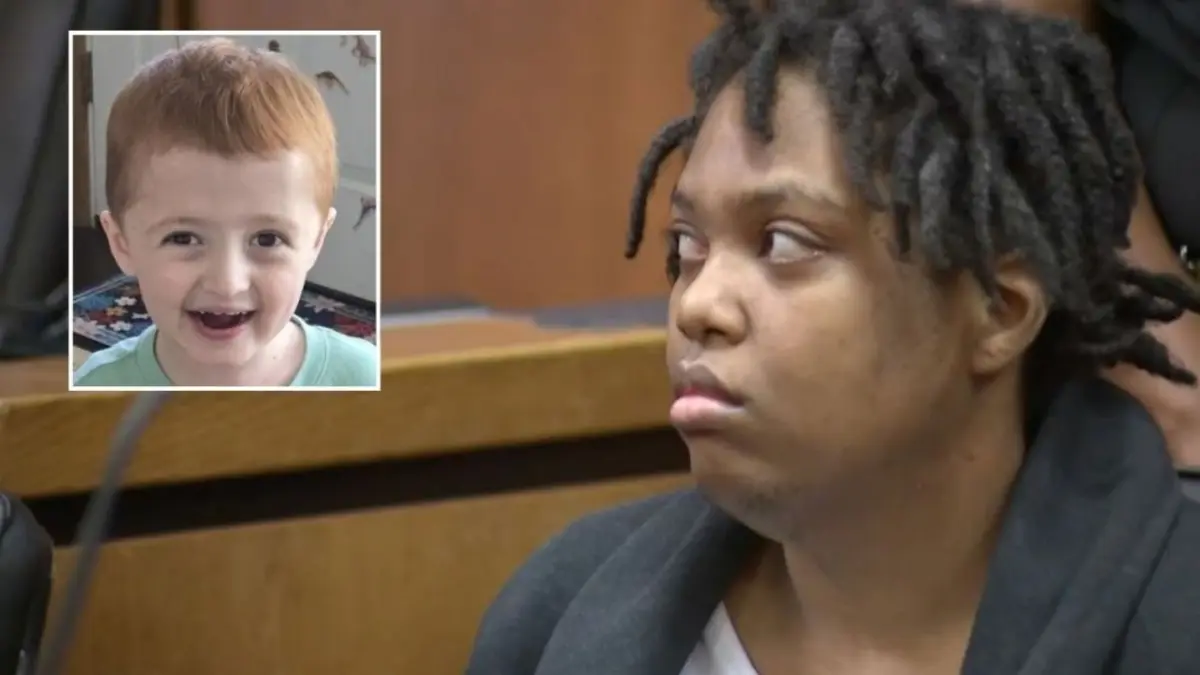
The legal journey for Bionca Ellis, a woman convicted of the unprovoked stabbing death of three-year-old Julian Wood and the injury of his mother, Margot Wood, outside an Ohio grocery store, has reached a significant milestone. The Eighth District Court of Appeals recently announced its decision to uphold Ellis’s conviction and her life sentence without the possibility of parole, effectively affirming the original trial court’s judgment and closing another chapter in a case that shocked the community of North Olmsted and beyond. This ruling solidifies the severe consequences for an act of violence described by authorities as entirely random and without prior connection between the perpetrator and her victims, ensuring Ellis will spend the remainder of her life incarcerated.
The Horrific Incident: A Day Turned Tragic
The tragic events unfolded on the afternoon of June 3, 2024, a seemingly ordinary Monday that quickly devolved into a nightmare. Margot Wood, 37, and her young son, Julian, had embarked on a routine grocery shopping trip to the Giant Eagle supermarket located in North Olmsted, a quiet suburb of Cleveland, Ohio. This familiar setting, typically bustling with everyday activity, would soon become the scene of an unspeakable crime that left a community reeling and a family shattered.
Meanwhile, Bionca Ellis, then 34, was reportedly next door at a Volunteers of America Thrift Store. According to law enforcement, it was there that she stole two knives, items that would tragically be used moments later to inflict irreversible harm. The sequence of events detailed by the Cuyahoga County Prosecutor’s Office painted a chilling picture of calculated yet seemingly motiveless aggression. Ellis reportedly entered the Giant Eagle supermarket, where she "spotted" Margot and Julian Wood. Instead of proceeding with her own shopping or leaving, Ellis began to follow the mother and son through the aisles, an act that, in retrospect, takes on a deeply sinister meaning.
After completing their shopping, Margot and Julian exited the store and proceeded into the parking lot, heading towards their vehicle. Unbeknownst to them, Ellis was lurking just behind, meticulously tracking their movements. As they reached their car, with Julian secured in a shopping cart, Ellis launched her attack. The Cuyahoga County Prosecutor’s Office stated that Ellis "immediately stabbed the 3-year-old, who was in a shopping cart, multiple times." In a desperate attempt to protect her child, Margot Wood intervened, trying to pull Julian out of the cart, only to be stabbed herself by Ellis.
The sudden and brutal nature of the attack sent shockwaves through the parking lot. Several horrified bystanders, witnessing the unfolding tragedy, immediately called 911, summoning emergency services. North Olmsted police officers swiftly responded to the chaotic scene. They located Ellis walking away from the immediate area, still armed with a knife in her hand. She was promptly arrested without further incident, her capture bringing a modicum of relief amidst the widespread panic.
Both Margot and Julian Wood were rushed to an area hospital. Despite the best efforts of medical personnel, Julian Wood, a vibrant three-year-old with his whole life ahead of him, was tragically pronounced dead from his injuries. Margot Wood received treatment for her own wounds, both physical and the profound emotional trauma of witnessing and experiencing such a horrific act. The immediate aftermath left a community struggling to comprehend how such an act of pure evil could occur in broad daylight, in a place as mundane and seemingly safe as a grocery store parking lot.
The Legal Journey: From Arraignment to Conviction
The legal process that followed the devastating attack was swift and unyielding, reflecting the gravity of the charges and the clear evidence presented by law enforcement. Bionca Ellis was formally charged with a litany of serious offenses, including aggravated murder for Julian’s death, attempted murder for the assault on Margot Wood, felonious assault, and endangering children. These charges underscored the brutal nature of the crime and the significant legal consequences Ellis faced.
From the outset, the defense mounted a plea of not guilty by reason of insanity. This legal strategy typically asserts that a defendant, due to a severe mental disease or defect, was unable to understand the nature of their actions or that their actions were wrong at the time of the offense. Such a defense requires extensive psychological evaluation and expert testimony to convince a jury. However, authorities, even early in the investigation, maintained that there was no prior connection between Ellis and the Wood family, consistently describing the attack as a "random act of violence," a detail that made understanding any potential motive, including mental illness, particularly challenging.
The trial, which concluded in October 2025, was a somber and intense affair. The prosecution presented a compelling case, detailing Ellis’s actions from the theft of the knives to the pursuit and brutal assault of Julian and Margot Wood. Eyewitness testimonies and forensic evidence painted a stark picture of the unprovoked attack. The defense, in turn, focused on Ellis’s mental state, attempting to establish the grounds for her insanity plea. This involved expert witnesses providing their assessments of Ellis’s psychological condition and their interpretation of the legal standard for insanity in Ohio.
A critical point of contention during the trial, and later in the appeal, centered on the explanation of the legal standard for an insanity defense by a state expert. The accuracy and clarity of such explanations are paramount, as they directly guide the jury in their understanding of the law and its application to the evidence. Similarly, the conduct of the prosecutor during closing arguments, particularly how they summarize the case and address the defense’s claims, came under scrutiny.
After approximately 24 hours of deliberation, the jury returned with a verdict that affirmed the prosecution’s case. Bionca Ellis was found guilty of aggravated murder in the death of Julian Wood, along with the eight other charges, including attempted murder and felonious assault. The guilty verdict brought a measure of justice to the Wood family and the wider community, although it could never fully heal the wounds inflicted.
Following the conviction, Ellis was sentenced to life in prison without the possibility of parole. This sentence, the most severe available under Ohio law for such crimes, ensures that Ellis will remain incarcerated for the remainder of her natural life, reflecting society’s condemnation of her actions and its commitment to protecting its most vulnerable members.
In a poignant moment after the jury delivered its verdict, Margot Wood addressed the public, her voice filled with a mixture of grief and gratitude. "We just want to thank everyone for the love and support for our son," she stated, as reported by local TV stations. "Everybody that’s visited him, commented, sent love, we appreciate you guys so much. This was for him today." Her words underscored the immense outpouring of community support and the collective sorrow felt for Julian. Cuyahoga County Prosecutor Michael O’Malley also extended his condolences, stating, "My thoughts and prayers remain with the Wood family. I can’t imagine the anguish they must feel after the loss of Julian."
The Appeals Process: Scrutiny and Affirmation
Following her conviction and sentencing, Bionca Ellis, through her legal counsel, exercised her right to appeal the trial court’s decision. The appellate process serves as a crucial safeguard within the justice system, allowing for a higher court to review the proceedings of a lower court for any legal errors that may have affected the outcome. It is not a re-trial of the facts but rather a careful examination of whether the law was applied correctly and whether due process was observed.
Ellis’s attorneys presented two primary arguments to the Eighth District Court of Appeals. First, they contended that a state expert witness erred in explaining the legal standard for an insanity defense to the jury. The clarity and accuracy with which expert witnesses convey complex legal concepts are vital, as they directly influence the jury’s understanding and application of the law. A misstep in this area could potentially lead to a flawed verdict. Second, the defense argued that the prosecutor engaged in improper conduct during closing arguments. Closing arguments are a critical phase of a trial where both sides summarize their cases and persuade the jury. Allegations of improper conduct can range from misstating evidence to making inflammatory remarks, potentially swaying the jury unfairly.
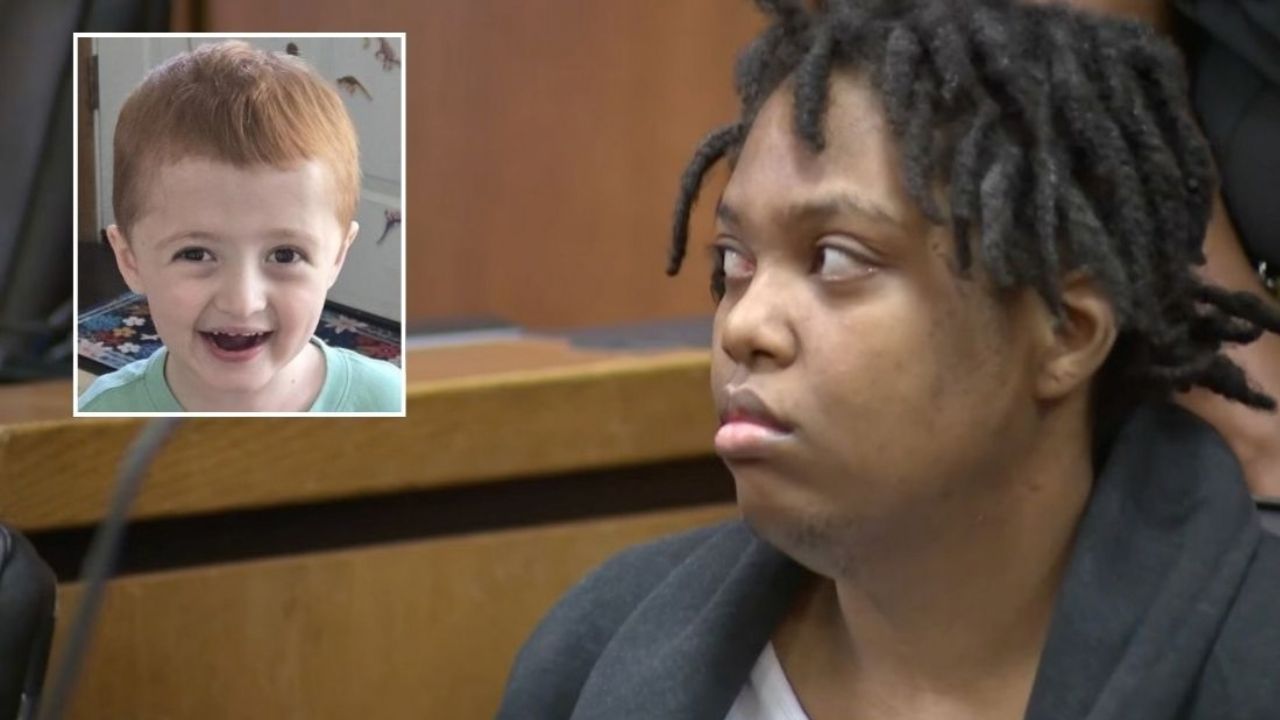
The Eighth District Court of Appeals undertook a thorough review of the trial transcripts, legal briefs, and relevant case law. After careful deliberation, the appellate court issued its ruling, rejecting both arguments put forth by Ellis’s defense team. The court found no reversible error in the state expert’s explanation of the insanity defense standard, indicating that the information provided to the jury was legally sound and adequately conveyed the necessary criteria. Furthermore, the court concluded that the prosecutor’s conduct during closing arguments, while perhaps vigorous, did not cross the line into impropriety that would warrant overturning the conviction.
The decision by the appellate court to uphold Ellis’s conviction and life sentence carries significant weight. It affirms the integrity of the original trial, validating the jury’s verdict and the severity of the punishment. For the Wood family, this ruling brings a measure of finality to the legal proceedings, reinforcing the justice served for Julian. It means that, barring any extraordinary circumstances or a successful appeal to a higher court, Bionca Ellis will indeed serve her life sentence without the possibility of parole.
Victim Impact and Community Response
The loss of Julian Wood reverberated deeply through the North Olmsted community and beyond. The image of a three-year-old being brutally attacked in a grocery store parking lot, a place associated with mundane errands rather than unimaginable violence, left an indelible mark. Such an event shatters the illusion of safety that communities strive to maintain, particularly for their children.
Margot Wood’s courage and resilience in the face of such profound tragedy have been a testament to a mother’s love. Her public statements, particularly her gratitude for community support and her dedication to Julian’s memory, underscore the deep personal toll of the crime. The "love and support" she mentioned speaks volumes about the collective grief and empathy that coalesced around the Wood family. Fundraisers, vigils, and countless messages of sympathy flooded in, demonstrating a community united in sorrow and a shared desire for justice.
The incident also sparked broader conversations about public safety in everyday spaces. While random acts of violence are statistically rare, their unpredictable nature and the severity of their impact can disproportionately fuel public fear and anxiety. Residents of North Olmsted, like those in any community touched by such an event, likely experienced a heightened sense of vulnerability, prompting discussions about security measures in commercial areas and the importance of community vigilance.
Understanding Random Violence: A Broader Context
The Bionca Ellis case highlights the profoundly unsettling nature of "random acts of violence." Unlike crimes with clear motives, such as robbery, revenge, or domestic disputes, unprovoked attacks by strangers leave victims, families, and communities grappling with an incomprehensible sense of injustice and a desperate search for answers that often do not exist.
Experts in criminology and psychology often note that while stranger-on-stranger violence constitutes a smaller percentage of overall violent crime, its psychological impact on society is immense. The absence of a discernible motive, a prior connection, or any predictive indicators makes such incidents particularly terrifying. It challenges the fundamental human need to find order and reason in events, leaving an unsettling void that can erode trust and foster widespread anxiety.
Such cases also present unique challenges for law enforcement and the justice system. Without a clear motive, investigators must rely heavily on forensic evidence, eyewitness accounts, and the perpetrator’s actions immediately before, during, and after the crime. For mental health professionals involved in legal proceedings, assessing the mental state of an individual who commits such an act requires meticulous evaluation, especially when an insanity defense is invoked. The difficulty lies in distinguishing between general mental health issues and a mental disease or defect that legally impairs one’s ability to understand the wrongfulness of their actions.
The Insanity Defense in Ohio Law
The insanity defense, a cornerstone of Bionca Ellis’s legal strategy, is a complex and often misunderstood aspect of criminal law. In Ohio, as in many states, the legal standard for insanity generally requires the defendant to prove that, at the time of committing the criminal act, they suffered from a severe mental disease or defect that rendered them incapable of knowing the wrongfulness of their actions. It is a high bar to meet, and successful insanity pleas are relatively rare.
The process typically involves extensive evaluations by both prosecution and defense-appointed psychiatric experts. These experts assess the defendant’s mental health history, current psychological state, and their state of mind at the time of the offense. Their testimonies are crucial in informing the jury about the nuances of mental illness and its potential impact on criminal culpability.
In Ellis’s case, the appellate court’s rejection of arguments concerning the state expert’s explanation of this standard suggests that the presentation was deemed legally sufficient. This implies that the jury was adequately instructed on how to evaluate Ellis’s mental state in relation to the legal definition of insanity, and ultimately, they found that the defense did not meet the burden of proof required to establish her legal insanity. This outcome reinforces the legal system’s view that Ellis, despite any potential mental health struggles, was legally responsible for her heinous actions.
Implications for Justice and Public Safety
The affirmation of Bionca Ellis’s conviction and life sentence sends a clear message regarding the unwavering pursuit of justice for heinous crimes, particularly those involving innocent children. It underscores the commitment of the Ohio judicial system to hold perpetrators accountable and to deliver severe consequences for acts of extreme violence.
For the Wood family, while no legal outcome can ever truly compensate for the profound loss of Julian, the upholding of the conviction and sentence offers a measure of closure and ensures that Ellis will never again pose a threat to public safety. It is a testament to the strength and advocacy of Margot Wood and the tireless work of the Cuyahoga County Prosecutor’s Office.
Beyond the immediate case, this outcome contributes to broader discussions about public safety and the justice system’s response to random violence. It reinforces the importance of community vigilance and swift law enforcement response, which were evident in the immediate aftermath of the North Olmsted attack. While it is impossible to predict or prevent every random act of violence, a robust justice system that ensures accountability is a critical component of maintaining societal order and providing reassurance to a public often shaken by such unpredictable tragedies.
The legacy of Julian Wood, a bright young life tragically cut short, will continue to resonate, serving as a stark reminder of the devastating impact of violence and the enduring need for justice. His memory lives on not only in the hearts of his family and community but also in the legal precedent set by this comprehensive and ultimately affirmed judicial process.




 Yuyun Lusiyani
 Joko Widodo
 Eva Lovia
 Jia Lissa
 Pevita Pearce