
 Lina Irawan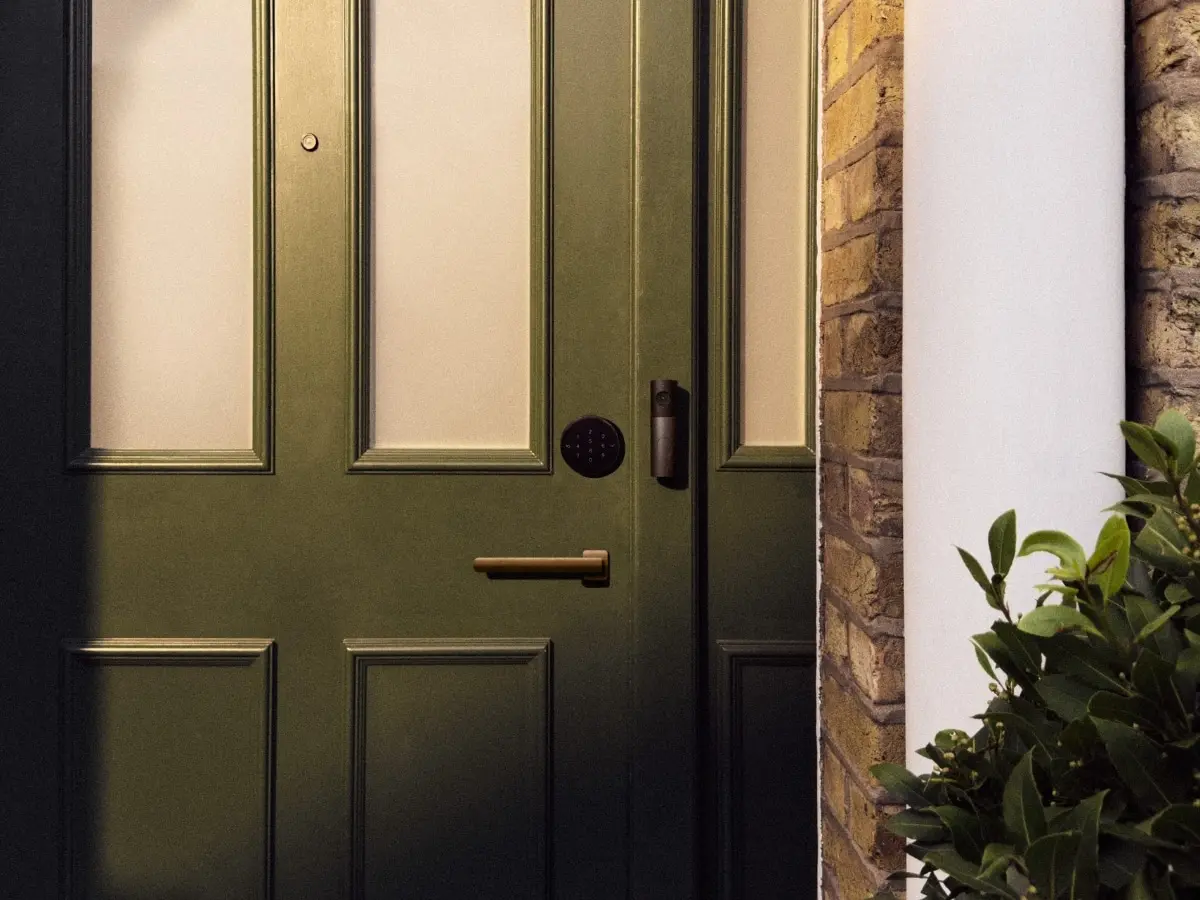
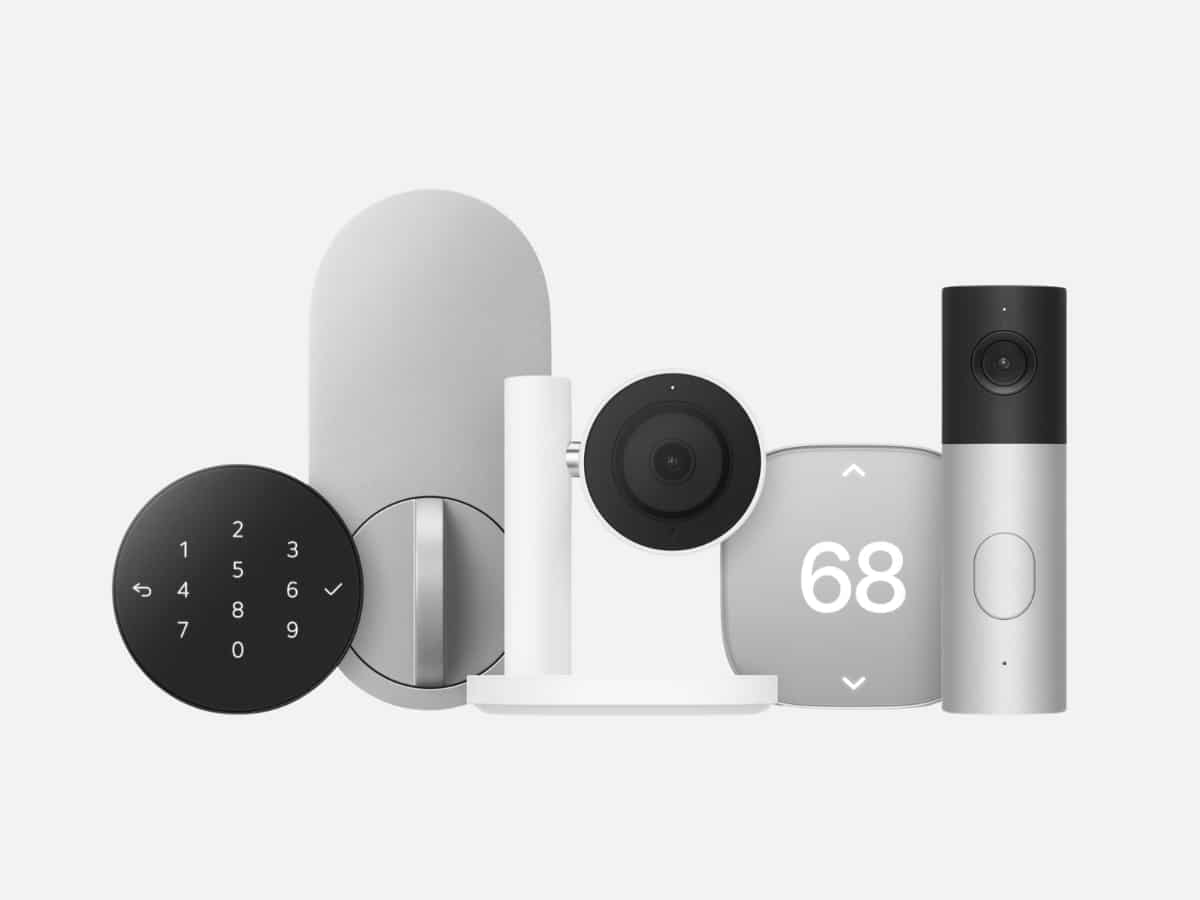
Apple has officially signaled a significant expansion of its presence in the residential technology sector with the unveiling of the 2026 Apple Home Collection, a curated suite of high-end smart home accessories developed in collaboration with industry leaders LG Electronics and Schneider Electric. This strategic move marks a departure from Apple’s traditional hardware-exclusive approach, as the company enlists third-party manufacturing expertise to bolster its "Home" ecosystem. The new lineup includes a comprehensive array of devices, ranging from 2.5K security cameras and video doorbells to smart locks and advanced climate control systems, all designed to integrate natively with the Apple Home app and the company’s privacy-centric infrastructure.
The announcement represents Apple’s most aggressive attempt to date to challenge the dominance of Amazon’s Ring and Google’s Nest in the smart home market. By leveraging the manufacturing capabilities of LG and the electrical expertise of Schneider Electric, Apple aims to offer a unified user experience that eliminates the need for third-party applications, separate accounts, or complex setup procedures. Central to this initiative is the promise of end-to-end encryption and local processing, positioning Apple as the high-security alternative in an industry frequently plagued by data privacy concerns.
A New Era of Native Hardware Integration
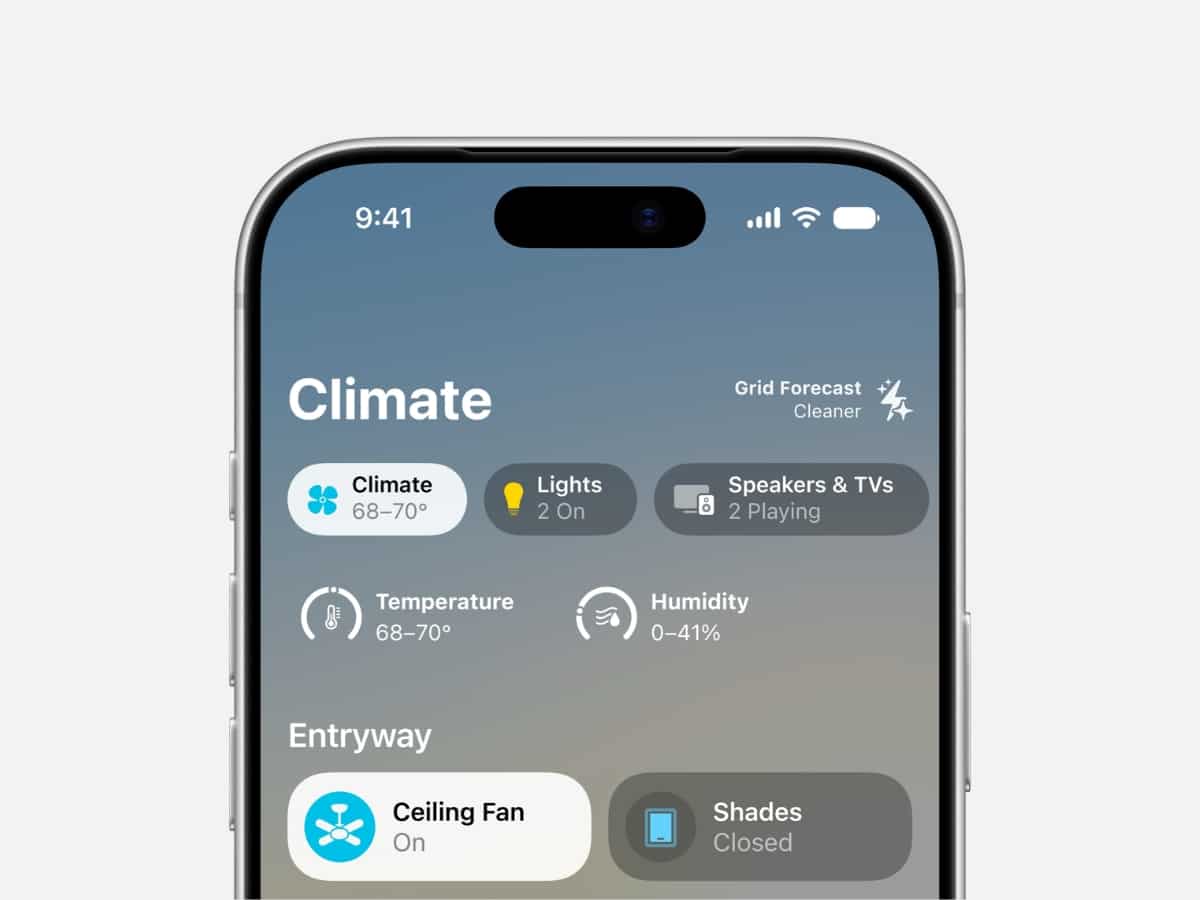
The 2026 Apple Home Collection is built upon a foundation of "plug-and-play" simplicity. Unlike previous iterations of HomeKit-compatible devices, which often required users to navigate manufacturer-specific apps for firmware updates or advanced settings, the new collection is managed entirely within the Apple Home app. Setup is facilitated through a simple "tap-to-pair" mechanism using an iPhone, utilizing Near Field Communication (NFC) and Ultra Wideband (UWB) technologies to authenticate and configure devices instantly.
LG Electronics is the primary hardware partner for the security and access components of the collection. The flagship products include the LG Video Doorbell, which features a dual-camera system designed to monitor both visitors and packages simultaneously. This "head-to-toe" and "porch-view" configuration addresses a common limitation in existing smart doorbells, providing a more comprehensive security perimeter. The collection also introduces the LG Floodlight Cam and Outdoor Cam, both capable of capturing 2.5K resolution video with enhanced color night vision, moving away from the grainy infrared footage standard in many competing products.
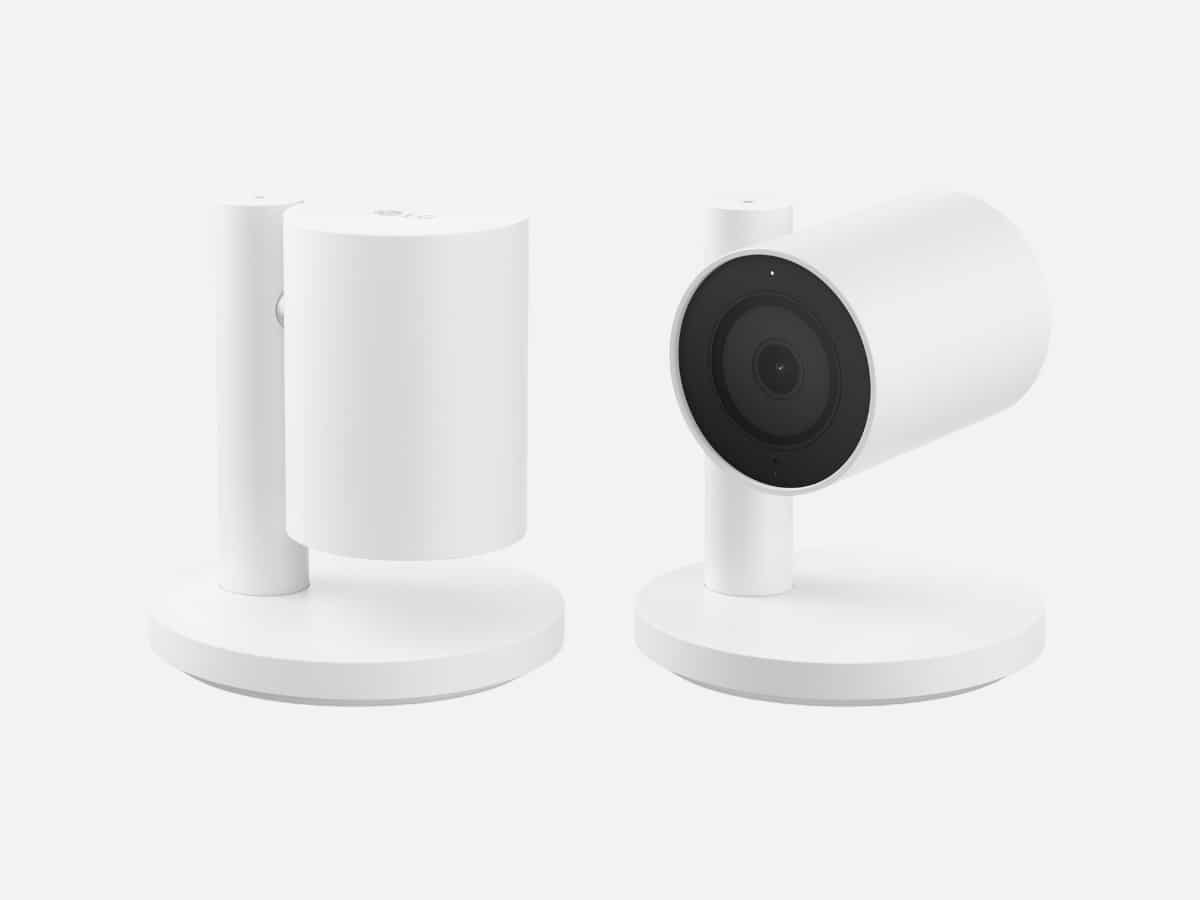
One of the more innovative design choices in the lineup is the LG Indoor Cam Plug-In. To address the psychological discomfort associated with indoor surveillance, the camera features a motorized physical privacy shutter. When the primary household member’s iPhone is detected via geofencing as having returned home, the camera physically tilts downward, providing a visible confirmation that recording has ceased. While the camera can still be repositioned manually or via the app, the physical movement serves as a tangible "privacy mode" indicator.

Advanced Access and Climate Control Standards
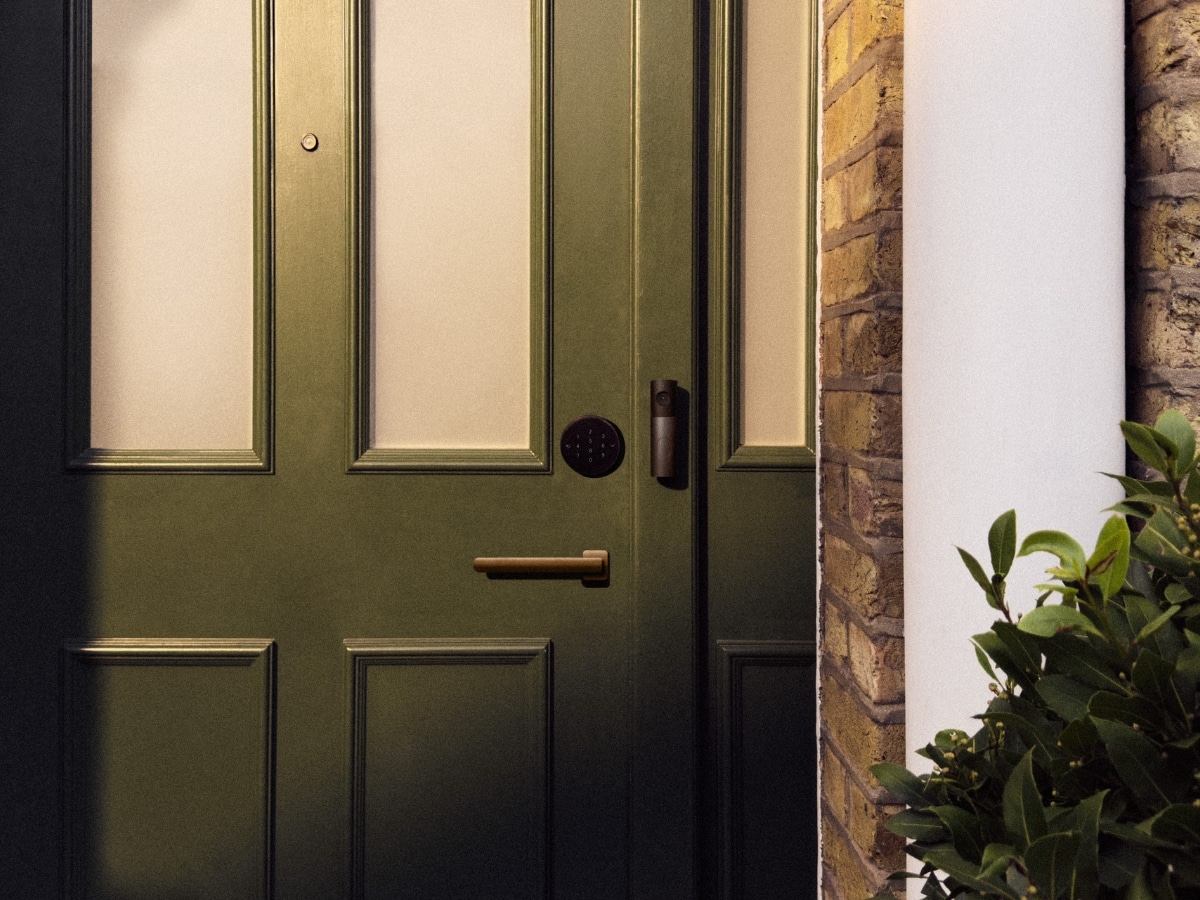
The LG Smart Deadbolt Lock serves as the centerpiece of the collection’s access management. Utilizing Ultra Wideband (UWB) technology—the same tech found in Apple’s AirTags and recent iPhone models—the lock provides hands-free entry. Unlike standard smart locks that require a physical tap or a smartphone app interaction, the UWB-enabled deadbolt can detect the precise proximity of an authorized iPhone or Apple Watch, unlocking the door as the user approaches the threshold.
This lock is also one of the first major consumer products to support Aliro, a new communication protocol established by the Connectivity Standards Alliance (CSA). Aliro is designed to standardize how mobile devices and wearables act as digital keys, ensuring interoperability across different lock manufacturers and mobile operating systems. Furthermore, the lock adheres to the Matter standard, ensuring it can function within a broader multi-platform smart home setup if necessary. Apple has emphasized that the core access functions of the lock operate locally, meaning that a loss of internet connectivity will not prevent homeowners from entering their property.
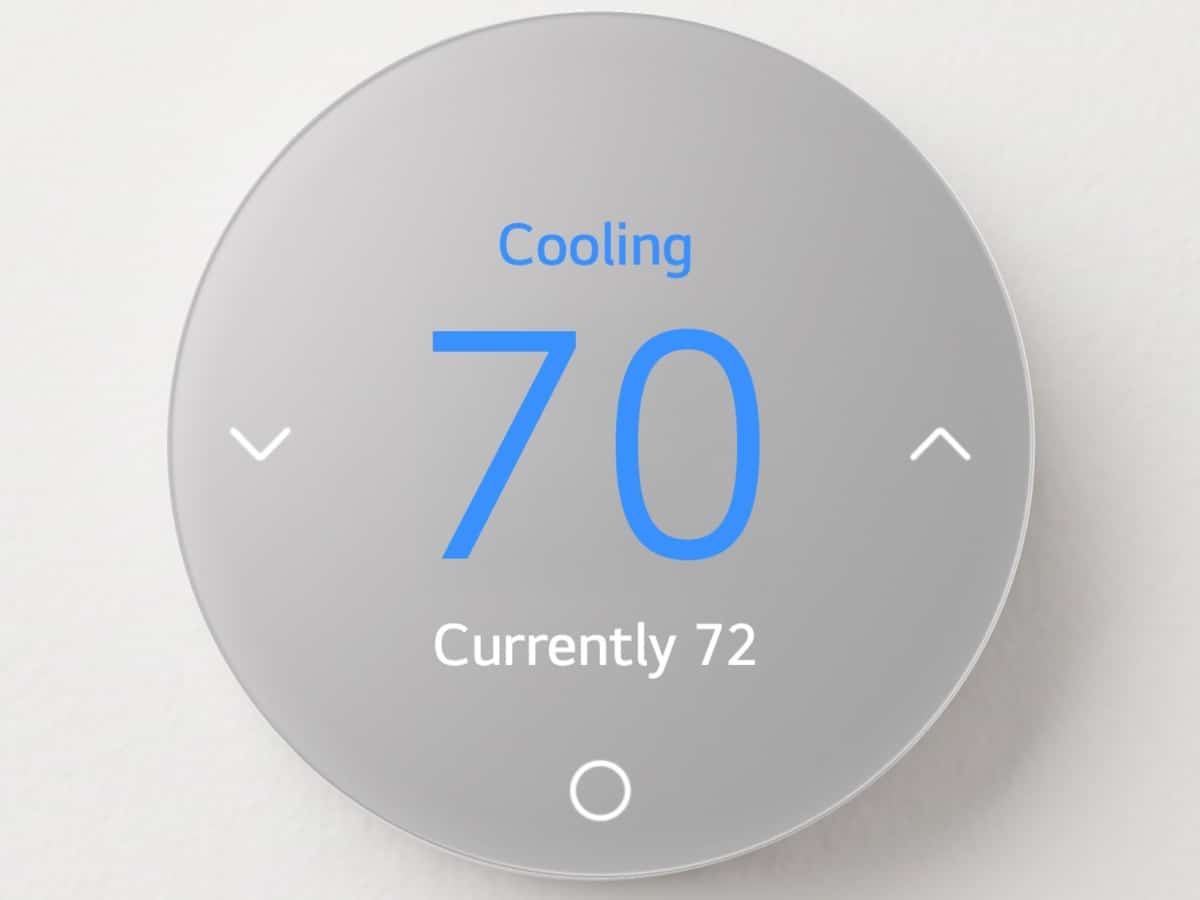
On the climate front, Schneider Electric has contributed its engineering expertise to develop a new smart thermostat and accompanying room sensors. These devices utilize Apple’s "Adaptive Temperature" feature, which employs machine learning to analyze occupancy patterns. The system adjusts heating and cooling based on whether residents are home, asleep, or away, pulling data from sensors placed in multiple rooms to ensure uniform comfort rather than relying on a single reading from a hallway-mounted unit.
The Privacy Imperative and the LG Controversy
The launch of the Apple Home Collection comes at a delicate time for one of its primary partners. In September 2026, LG Electronics faced scrutiny following an investigation by independent security researchers and tech outlets Gamers Nexus and Level1Techs. The investigation alleged that certain LG smart televisions were scanning local home networks for data regarding other connected devices and raised questions regarding the capture of audio transcripts for advertising purposes.
LG has defended its practices, stating that its voice-recognition features are user-activated and that ambient recording does not occur without a specific wake-word or button press. However, the controversy has cast a shadow over the "smart home" concept as a whole. Apple has countered these concerns by doubling down on its proprietary privacy architecture.
According to Apple’s technical documentation, all video footage from the LG-manufactured cameras is encrypted end-to-end before being uploaded to iCloud+. This ensures that neither Apple, LG, nor Schneider Electric can view the content. Furthermore, the collection utilizes Apple’s "Private Cloud Compute" (PCC) for AI-driven tasks, such as facial recognition and object detection. PCC is a cloud-based extension of Apple’s on-device security, designed to ensure that personal data processed in the cloud is just as secure as data processed on an iPhone. By requiring no separate LG account, Apple effectively walls off the hardware from the manufacturer’s own data-collection ecosystems.
Software Enhancements and Subscription Models
While the hardware is a collaborative effort, the software intelligence remains strictly within Apple’s domain. The new cameras support up to ten days of encrypted event history through an iCloud+ subscription. A standout feature of the 2026 update is the integration of "Siri AI," which allows for natural-language footage searches. Instead of manually reviewing hours of video, users can ask Siri questions such as, "When did the courier leave the box on the porch?" or "Did the dog go outside after 3:00 PM?"
The AI generates descriptive summaries of events, making the Home app a more proactive tool for home management. However, these advanced features are tethered to the Apple ecosystem. To access the full suite of security features, users must be subscribed to a qualifying iCloud+ plan and possess a compatible Apple Home hub, such as the fourth-generation Apple TV 4K.
Global Market Availability and Regulatory Constraints
The initial rollout of the Apple Home Collection is notably limited in geographic scope. At launch, the primary market includes the United States and Canada, with a restricted selection of products arriving in the United Kingdom in December 2026. Other major markets, including Australia and the European Union, have not been given a confirmed release date.
The delay in the European Union is largely attributed to ongoing regulatory discussions regarding the Digital Markets Act (DMA). Apple has previously delayed the rollout of certain AI features in the EU due to concerns over how the DMA’s interoperability requirements might conflict with the company’s privacy and security protocols. This regulatory friction has also impacted the availability of the "Apple HomeView" display, a dedicated smart home controller that remains absent from the European market.
In Australia, the delay appears to be more logistical than regulatory, though Apple has not provided a specific timeline for a local launch. Industry analysts suggest that the complexity of local building codes and electrical standards for products like the LG Smart Deadbolt and the Schneider Electric thermostat may necessitate a phased international rollout.
Strategic Implications for the Smart Home Industry
The 2026 Apple Home Collection represents a pivotal moment in the evolution of the Internet of Things (IoT). For years, the smart home market has been fragmented, with consumers forced to navigate a "walled garden" approach where devices from different brands rarely communicated effectively. By adopting the Matter and Aliro standards while maintaining a strictly "Apple-first" user interface, Apple is attempting to define a middle ground: an open standard for connectivity with a closed, secure interface for the user.
The pricing of the collection reflects its premium positioning. With cameras starting at $199.95 USD and smart locks priced at $349.95 USD, Apple is targeting the upper echelon of the consumer market. This "premium-security" strategy is a direct challenge to the budget-friendly models offered by competitors, banking on the idea that consumers are willing to pay a surcharge for the peace of mind offered by Apple’s encryption standards.
As the collection begins its rollout in North America, the tech industry will be watching closely to see if Apple’s hybrid partnership model can successfully scale. If successful, this could pave the way for future collaborations in other sectors, such as automotive or health-tech, where Apple provides the secure software layer for third-party hardware. For now, homeowners in the US and Canada will be the first to test whether a front door that unlocks via Ultra Wideband and a camera that physically looks away can truly deliver the "private" smart home Apple has promised.




 Yuyun Lusiyani
 Ana Megawati
 Joko Widodo
 Eva Lovia
 Jia Lissa
 Pevita Pearce