
 Eva Lovia
Buckingham Palace is set to unveil a dazzling exhibition, "Royal Jewellery: From Coronations to Keepsakes," next summer, presenting over 300 exquisite pieces that chronicle 500 years of British royal adornment. The King’s Gallery will host this landmark exhibition, opening its doors in June 2027. This extensive showcase marks the first time the Royal Collection Trust has dedicated an exhibition to the multifaceted history of British royal jewellery, offering a rare glimpse into the personal lives and public personas of monarchs from the Tudor era to the modern day. Approximately two-thirds of the items on display will be accessible to the public for the very first time, promising an unparalleled experience for visitors.
A Tapestry of Power, Politics, and Personal Lives
The exhibition aims to weave a narrative that extends far beyond mere opulence. By bringing together jewels worn by iconic figures such as Henry VIII, Charles II, Queen Victoria, and Queen Elizabeth II, alongside supporting artefacts like paintings, intricate designs, and historical documents from the Royal Collection and Royal Archives, the exhibition promises to illuminate the profound connections between adornment and the very fabric of monarchy. These carefully curated objects will serve as tangible threads in a rich tapestry, narrating tales of power wielded, political landscapes navigated, diplomatic gestures conveyed, deeply held faiths expressed, profound grief endured, and enduring love celebrated. Through these personal treasures, the exhibition will offer an intimate insight into the individuals who have shaped the monarchy and the strategic role jewellery has played in constructing and projecting royal image across five centuries.
A Journey Through Time: From Tudor Grandeur to Victorian Sentiment
The exhibition’s chronological scope is ambitious, tracing the evolution of royal jewellery from its earliest manifestations to contemporary pieces. Visitors will embark on a journey that begins with the works of early royal goldsmiths, whose craftsmanship laid the foundation for centuries of royal patronage. The exhibition will then move through pivotal periods, showcasing creations by renowned jewellery houses that have adorned the British Crown, including the illustrious Garrard & Co, the Parisian elegance of Cartier and Boucheron, and the intricate artistry of Fabergé. This progression will not only highlight the changing aesthetic sensibilities of different eras but also demonstrate the enduring significance of jewellery as a symbol of status, authority, and personal expression within the royal sphere.
While the Crown Jewels, with their immense historical and symbolic weight, will remain on display at the Tower of London, "Royal Jewellery: From Coronations to Keepsakes" will feature a spectacular array of jewels commissioned for and worn during coronations, state occasions, and significant royal ceremonies. These pieces, often imbued with profound ceremonial meaning, offer a distinct yet equally compelling perspective on royal tradition and regalia.
Unveiling Iconic Pieces and Hidden Histories
Among the exhibition’s most anticipated highlights is the Diamond Diadem. Originally created for the lavish coronation of George IV in 1821, this magnificent piece has achieved an almost mythical status, immortalised through its frequent appearance on coins, banknotes, and stamps bearing the effigy of Queen Elizabeth II. Its presence in the exhibition underscores the enduring visual legacy of royal jewels and their integration into the national consciousness.
Another poignant display will be Queen Victoria’s Small Diamond Crown. This relatively modest yet profoundly significant piece became inextricably linked with the long-reigning monarch. Its emotional resonance is amplified by the fact that it was placed upon her coffin during her lying-in-state, a testament to its deep personal and symbolic importance.
A substantial section of the exhibition will be dedicated to the jewellery worn by queens and consorts throughout history, from Queen Charlotte, consort to George III, to Queen Elizabeth II. This thematic grouping will offer a fascinating comparative study of evolving royal fashions and tastes. Visitors will witness the transition from the opulent grandeur of the Georgian era, through the sentimental and romantic aesthetics of the Victorian period, to the distinctive elegance of Art Deco designs and the bold statements of mid-century creations. This segment promises to reveal how royal women have historically used jewellery to express their individual styles, assert their positions, and adapt to the prevailing cultural currents.
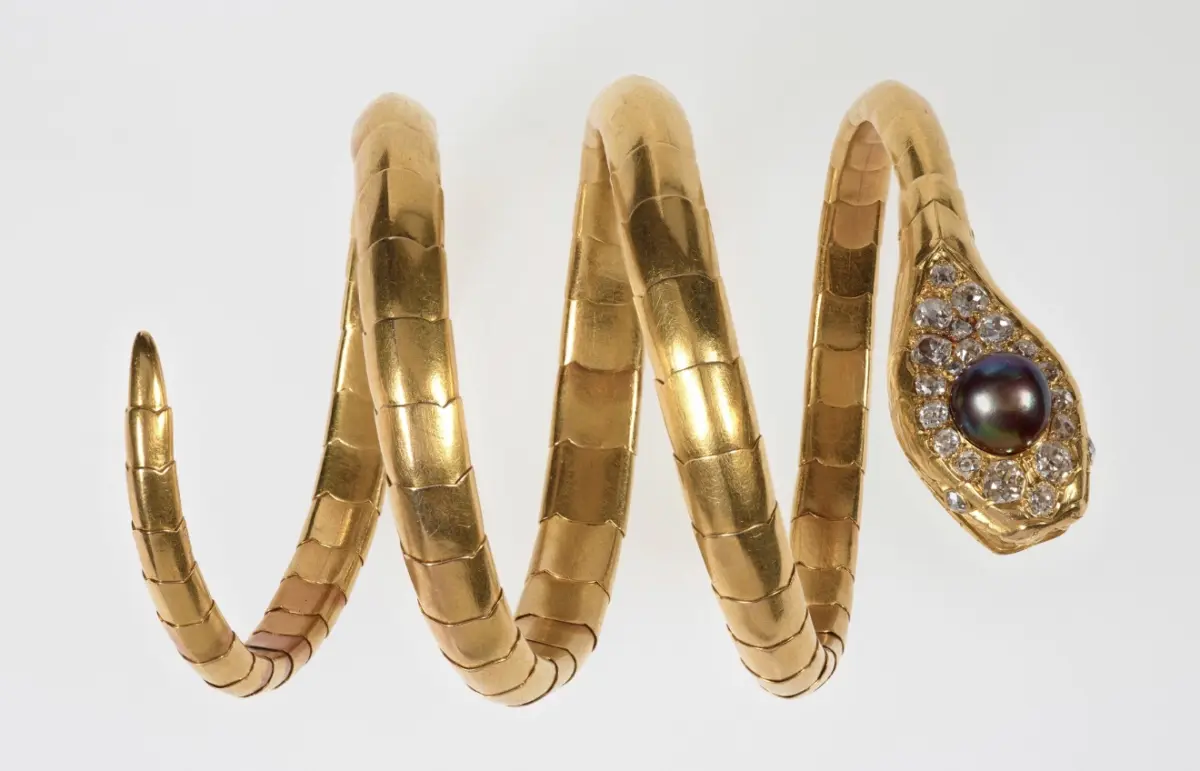
The exhibition will also bring to light several pieces that have never been publicly displayed before, offering a unique opportunity for discovery. Among these are Queen Charlotte’s garnet jewels, which recent scholarly research has conclusively linked to her. These pieces, previously subject to historical conjecture, now stand as newly illuminated testaments to Georgian royal taste. Equally captivating is Queen Alexandra’s articulated serpent bracelet, a striking example of late Victorian jewellery artistry, intricately set with diamonds and featuring a rare black pearl.
Further treasures to be unveiled include a delicate Fabergé aquamarine and diamond pendant, a cherished gift from Queen Mary to her granddaughter, the future Queen Elizabeth II. This personal token speaks to familial affection and the enduring legacy of patronage. The exhibition will also feature the spectacular Greville emerald and diamond necklace, a piece of exceptional provenance. This magnificent necklace was part of the celebrated bequest of Dame Margaret Greville to Queen Elizabeth The Queen Mother, a gift that significantly enriched the royal collection and continues to be admired for its exquisite craftsmanship and historical significance.
Intimate Narratives of Love, Loss, and Legacy
Beyond the grandeur and symbolism, "Royal Jewellery: From Coronations to Keepsakes" will delve into the deeply personal narratives embedded within royal adornment, with a particular focus on the enduring love story of Queen Victoria and Prince Albert. The exhibition will present a series of objects that trace their relationship from the tender beginnings of their courtship and marriage, through the joys of parenthood, and ultimately, to the profound sorrow of bereavement.
Visitors will have the opportunity to view Victoria’s first ring, a delicate piece worn in infancy, which offers an almost unbelievably early glimpse into the royal lineage. Contrasting with this childhood relic is the exquisite diamond brooch gifted to Victoria by Prince Albert on the eve of their wedding, a tangible symbol of their burgeoning love and commitment.
The exhibition will also showcase a bracelet adorned with pebbles collected by the couple during their first journey together alone, a charming and intimate souvenir of their shared adventures. Equally touching is a thistle brooch, a poignant reminder of their growing family, which incorporates the first milk tooth of their eldest daughter, Princess Victoria. This tooth was purportedly removed by Prince Albert himself, adding a layer of tender domesticity to the royal narrative.
Perhaps one of the most emotionally resonant pieces on display will be Queen Victoria’s mourning ring. This deeply personal item is set with a miniature photograph of Prince Albert and their intertwined cyphers, a powerful symbol of the enduring grief she experienced following his death in 1861. This ring serves as a profound reminder that even within the gilded confines of royalty, the universal experiences of love and loss hold sway.
Jewellery as a Symbol of Loyalty and Legitimacy in Tumultuous Times
The exhibition’s scope extends beyond personal relationships to examine the critical role jewellery played in expressing loyalty, asserting legitimacy, and furthering dynastic ambitions during periods of significant political upheaval. The 16th and 17th centuries, marked by religious reformation and civil war, saw jewellery become a potent tool in the complex theatre of royal power.
A particularly striking and historically significant display will feature jewellery associated with the cult of Charles I in the aftermath of his execution in 1649. Among these items are cufflinks believed to have been worn by the King on the scaffold. These seemingly humble objects, passed down to his loyal supporters, will be exhibited publicly for the first time. Their display underscores how personal possessions could transcend their material value to become potent symbols of royalist sentiment, defiance, and remembrance during a deeply fractured era. The presence of these cufflinks offers a tangible link to a pivotal moment in British history, illustrating the profound impact of personal adornment on political identity and historical memory.
The Enduring Significance of Royal Adornment
Through these remarkable survivals and meticulously curated displays, "Royal Jewellery: From Coronations to Keepsakes" promises to offer a multifaceted understanding of the British monarchy. The exhibition will explore how jewels have functioned not merely as ostentatious displays of wealth and beauty, but as enduring witnesses to the intricate web of relationships, the profound tragedies, and the defining moments that have shaped the institution of the monarchy across centuries.
Exhibition Details and Ticketing
"Royal Jewellery: From Coronations to Keepsakes" will open at The King’s Gallery, Buckingham Palace, in June 2027. The exhibition is scheduled to run for nine months, providing ample opportunity for visitors to experience this extraordinary collection. Tickets will be available to Royal Collection Trust e-newsletter subscribers starting Wednesday, October 28th, with general sale commencing on Tuesday, November 3rd. The exhibition will be accompanied by a comprehensive book of the same title, representing the first in-depth scholarly study of the British royal jewellery collection.
Curatorial Vision and Anticipation
Caroline de Guitaut and Kathryn Jones, the co-curators of the exhibition, have expressed their excitement about the project. They described it as "an unprecedented exhibition" that will bring together "some of the most important and spectacular royal jewels in British history, many never exhibited publicly before." They further elaborated, "Each jewel carries with it a human story: of love and loss, power and politics, family and faith. Together, they have borne witness to the defining moments of royal lives and offer a deeply personal insight into the individuals and relationships that have shaped the monarchy across generations." Their statements highlight the curatorial intent to imbue the exhibition with a profound human dimension, moving beyond the sparkle to explore the narratives and emotions that lie at the heart of these historic treasures.
The anticipation for this exhibition is expected to be considerable, drawing not only royal enthusiasts and jewellery aficionados but also those with a broader interest in British history and culture. The opportunity to witness such a significant collection of royal artefacts, many for the first time, promises to be a defining cultural event for 2027. The exhibition’s focus on storytelling, supported by extensive historical context and scholarly research, ensures it will be an enriching and educational experience for all who attend.



 Nila Kartika Wati

 Lina Irawan

 Yuyun Lusiyani

 Ana Megawati

 Joko Widodo
