
 Eva Lovia
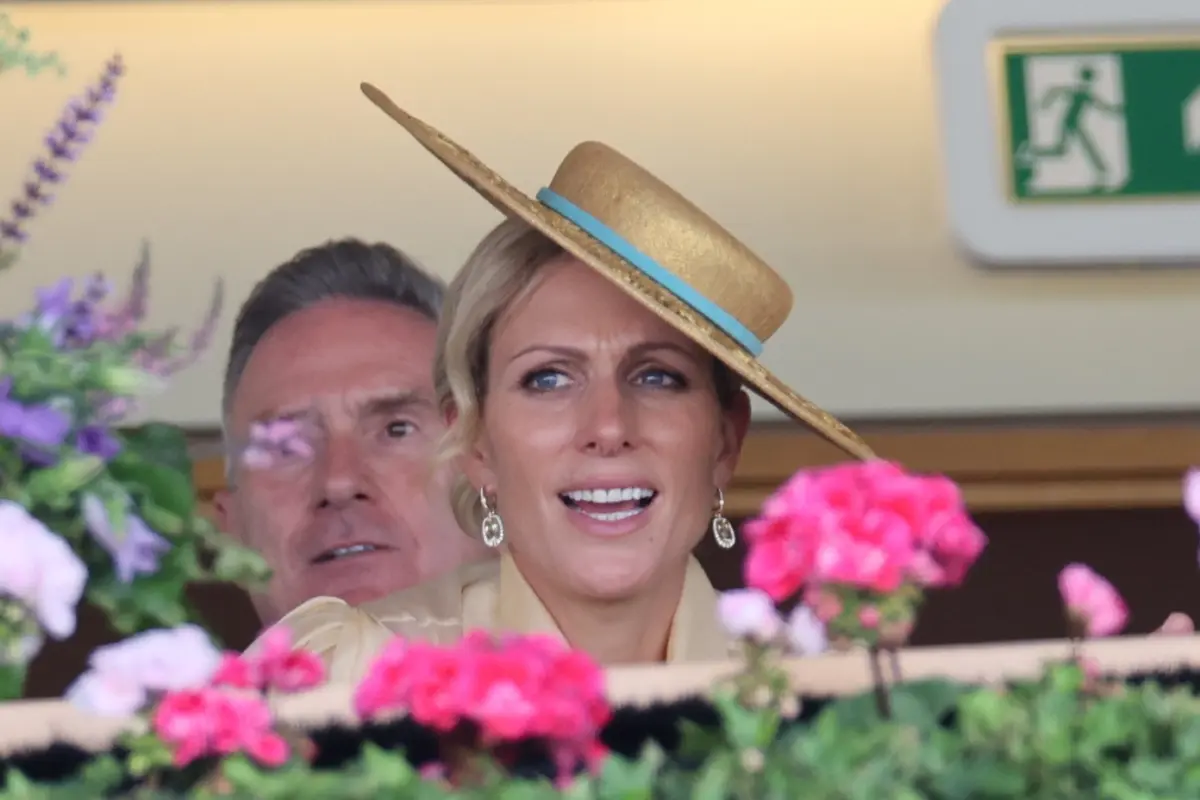
Zara Tindall, a celebrated equestrian and niece of King Charles III, has recently provided a charming glimpse into her enduringly close relationship with her cousin, Prince William. During an appearance on the popular podcast Talk Horse, co-hosted by her husband, Mike Tindall, Zara recounted a humorous exchange that occurred during an equestrian competition, illustrating the relaxed and familiar dynamic she shares with the Prince of Wales. This anecdote, shared with podcast host and fellow equestrian Pippa Funnell, has shed light on the personal connections that exist beneath the more formal aspects of royal life.
The story unfolded as Pippa Funnell, a renowned figure in the equestrian world and a guest on the podcast, reminisced about a challenging competition day. Funnell described an incident where she had experienced two significant falls, leaving her covered in mud and blood. While making her way back to the stables, still understandably dishevelled from her ordeal, she encountered Prince William. In what Funnell described as an "unfortunate" moment, the Prince, seemingly unaware of the full extent of her difficult day, lightheartedly inquired, "Have you had a good day?"
Zara Tindall’s immediate and witty response to Funnell’s recollection perfectly encapsulated the comfortable rapport she shares with her cousin. With a touch of playful irony, Zara retorted, "Does it look like it?" This remark, met with laughter from those present, highlighted Zara’s willingness to engage in lighthearted banter with Prince William, demonstrating a bond that transcends their respective royal positions. The exchange served as a candid illustration of their lifelong familiarity, a relationship forged from shared childhood experiences and a common upbringing within the extended Royal Family.
A Lifelong Connection: From Childhood to Royal Duty
The relationship between Zara Tindall and Prince William is deeply rooted in shared history. As the daughter of Princess Anne, the King’s sister, Zara is Prince William’s first cousin. They grew up alongside each other, attending family gatherings, holidays, and significant royal events, which undoubtedly fostered a strong sense of kinship. This upbringing, marked by shared experiences within the unique environment of the Royal Family, has laid the foundation for a relationship that has remained steadfast into adulthood.
While Prince William is heir to the throne and carries significant royal responsibilities, Zara has carved out her own distinct path. She has achieved considerable success as a professional equestrian, culminating in a silver medal at the London 2012 Olympic Games. Notably, Zara and her brother, Peter Phillips, were not granted royal titles at birth, a decision made by their parents, Princess Anne and Captain Mark Phillips, with the intention of allowing them a more private and independent life. This arrangement has enabled Zara to pursue her sporting career with fewer public constraints, yet she remains a visible and respected member of the wider royal circle.
The Significance of Familiarity and Candidness
Royal author Robert Jobson has previously commented on the particular closeness between Zara and Prince William, suggesting that Zara’s ability to speak candidly with her cousin offers him a valuable, honest perspective. This candidness, he implies, stems from their long-standing familiarity and the trust that has been built over decades. Unlike the more formal interactions that may characterise some royal relationships, Zara and William’s bond appears to be one of genuine friendship and mutual understanding.
The implications of this close relationship extend beyond personal affection. In the context of royal life, where individuals often navigate complex familial dynamics and public scrutiny, having a trusted confidant like a cousin can be invaluable. Zara, by virtue of her upbringing and her independent career, possesses a unique perspective that she can share with Prince William, potentially offering him a grounding influence. This type of informal support network is crucial for members of the Royal Family, particularly those with significant future responsibilities.

Beyond the Anecdote: A Multifaceted Royal Bond
The anecdote shared on the Talk Horse podcast is not an isolated incident highlighting their close ties. Zara Tindall has consistently been a supportive presence for Prince William and his family. Her role as a godparent to Prince George, the eldest son of the Prince and Princess of Wales, underscores the deep trust and affection that exists between the two branches of the family. This honour is typically reserved for individuals with whom the parents share a profound connection and whom they believe will play a meaningful role in their child’s life.
Furthermore, Zara and her husband, Mike Tindall, a former professional rugby player, maintain a friendly relationship with Prince William and Catherine, the Princess of Wales. The two couples are often seen together at various royal celebrations, sporting events, and family gatherings. Their shared interest in sports, in particular, has provided a natural avenue for the families to spend time together, fostering a sense of normalcy and camaraderie away from the more formal duties associated with their royal status. This shared enthusiasm for athletic pursuits can create common ground and strengthen bonds that might otherwise be strained by differing public roles.
Contextualizing the Equestrian World and Royal Involvement
The setting for the anecdote, an equestrian competition, is particularly relevant. The world of professional horse riding is one that Zara Tindall has dominated for years, achieving international recognition. Her passion for horses and her dedication to the sport are well-documented. It is within this arena that she and her family often engage with the wider sporting community, including other members of the aristocracy and prominent figures.
Prince William’s presence at such events, while perhaps less frequent than Zara’s, demonstrates his continued support for her endeavours and his engagement with areas of personal interest to his family. The Royal Family has a long-standing association with equestrianism, with Queen Elizabeth II herself being a passionate horse breeder and rider. This tradition continues within the family, and events like the one Pippa Funnell described are often attended by various members of the Royal Family, either as participants, spectators, or patrons.
Broader Implications for Royal Relationships
The candid nature of Zara Tindall’s recent remarks on the Talk Horse podcast offers a valuable insight into the evolving dynamics of the British Royal Family. In an era where transparency and relatability are increasingly valued, such personal anecdotes help to humanise members of the monarchy. The image of Zara playfully teasing her cousin, Prince William, humanises them both and portrays a relationship grounded in genuine affection and shared history, rather than strict protocol.
The existence of such close, informal relationships within the Royal Family is crucial for its continued relevance and public perception. It demonstrates that despite their unique positions, they are still individuals with personal connections and a capacity for humour and lightheartedness. This can foster a greater sense of connection with the public, who may otherwise perceive the monarchy as distant or out of touch. The Tindall-Wales dynamic, as exemplified by this equestrian anecdote, showcases a successful balance between royal duty and personal connection, a key factor in maintaining public goodwill.
A Look Ahead: Maintaining Bonds in a Changing Landscape
As Prince William prepares to ascend to the throne and Zara Tindall continues her life as an accomplished sportswoman and mother, their enduring bond remains a testament to the strength of familial ties. The ability to share moments of humour and understanding, as highlighted by the Prince’s well-intentioned but comically misplaced question, speaks volumes about the depth of their relationship. In a world where royal duties are constantly evolving and public expectations are ever-present, these personal connections serve as a vital source of support and stability, both for the individuals involved and for the institution they represent. The anecdote shared by Zara Tindall, therefore, is more than just a lighthearted story; it is a small but significant window into the enduring strength and warmth of familial bonds within the modern British monarchy.



 Nila Kartika Wati

 Lina Irawan

 Yuyun Lusiyani

 Ana Megawati

 Joko Widodo
