
 Eva Lovia
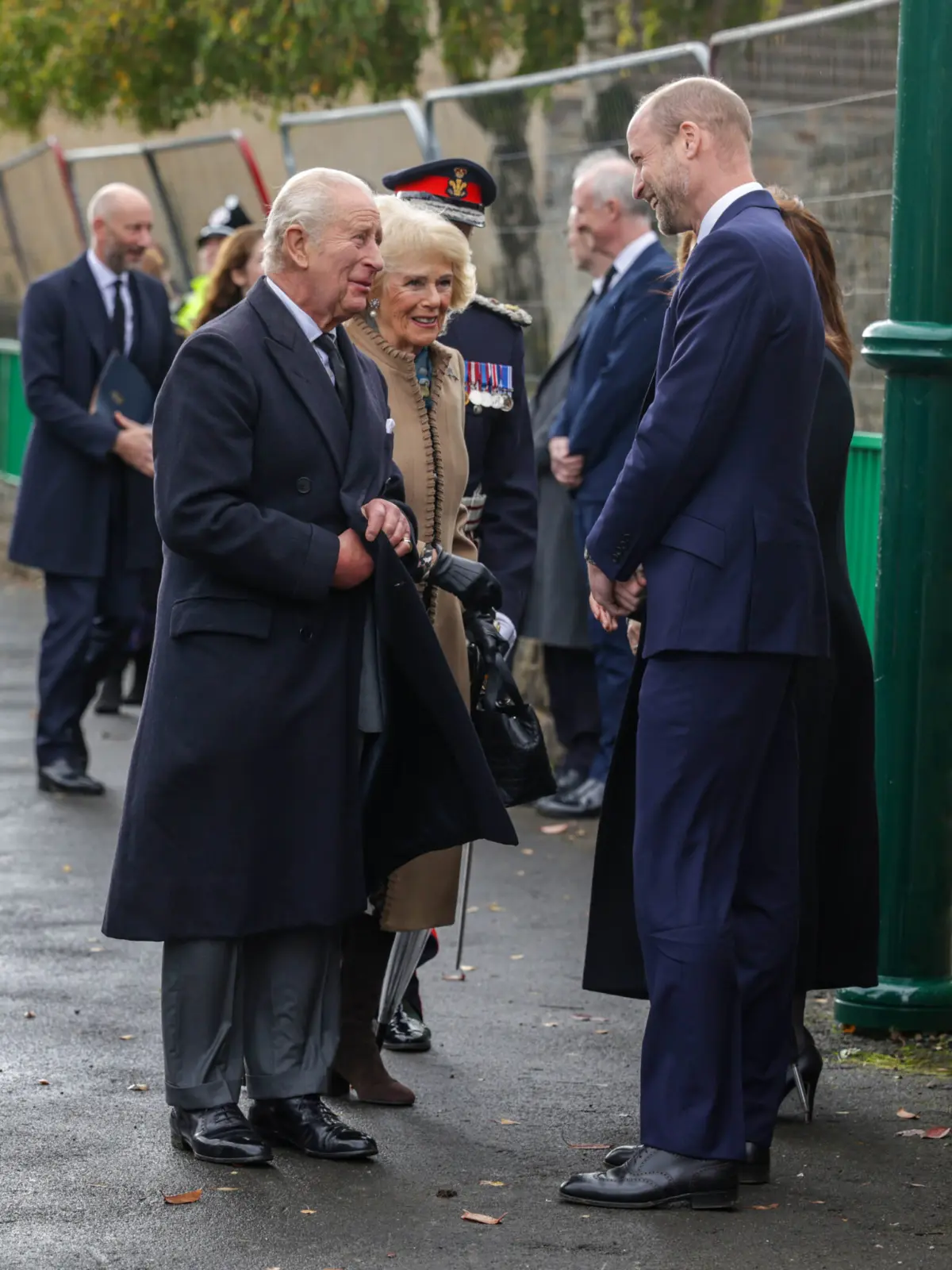
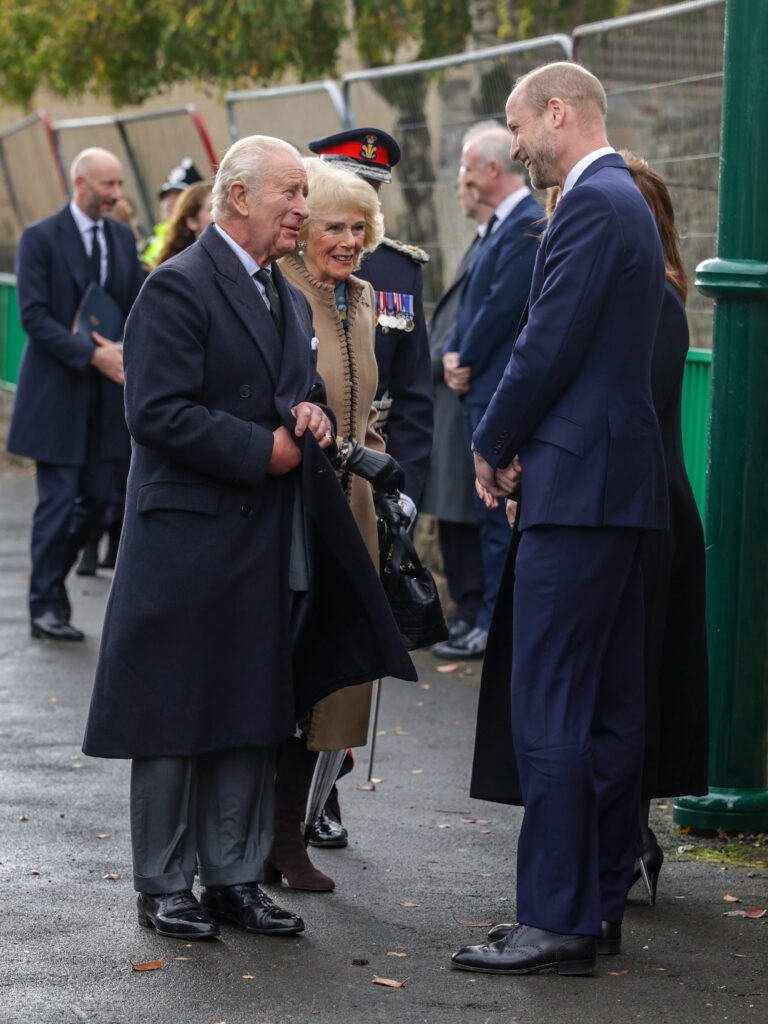
The King, accompanied by Queen Camilla and Prince William, has paid a deeply moving tribute at a memorial event marking the 60th anniversary of the Aberfan disaster, a tragedy that continues to cast a long shadow over the Welsh mining village. The royal family joined survivors, rescuers, and members of the community in Aberfan to reflect on the profound sorrow and loss experienced six decades ago, when a catastrophic landslide of coal slurry engulfed a primary school and surrounding homes, claiming the lives of 144 people, 116 of them children.
The King’s address resonated with the enduring pain felt by the community, stating, “Today, in our nation and across the world, thoughts will turn to you in Aberfan. Hearts, far from this valley, will ache with yours. Tears, from those who remember and those who at the time were not yet born, will be shed with yours.” His words underscored the national significance of the event and the shared empathy for those affected. The presence of the monarch and the Prince of Wales, alongside the Queen, signified the Crown’s continued recognition of the disaster’s impact and its commitment to remembering the victims.
A Day of Remembrance and Reflection
The day’s commemorations began at the Aberfan Memorial Garden, a place of quiet contemplation and remembrance. King Charles and Prince William laid wreaths, symbols of respect and solidarity. Prince William’s tribute included a poignant card, co-signed by the Princess of Wales, which read, “In loving memory and in our hearts – forever.” This personal touch highlighted the ongoing connection of the Royal Family to the community and its history. Queen Camilla also placed a posy of green and white flowers on the memorial, a gesture honouring each of the 144 lives lost. Among those tragically killed were 109 children at Pantglas Primary School, who were tragically taking their final lessons before a half-term break, and five of their teachers.
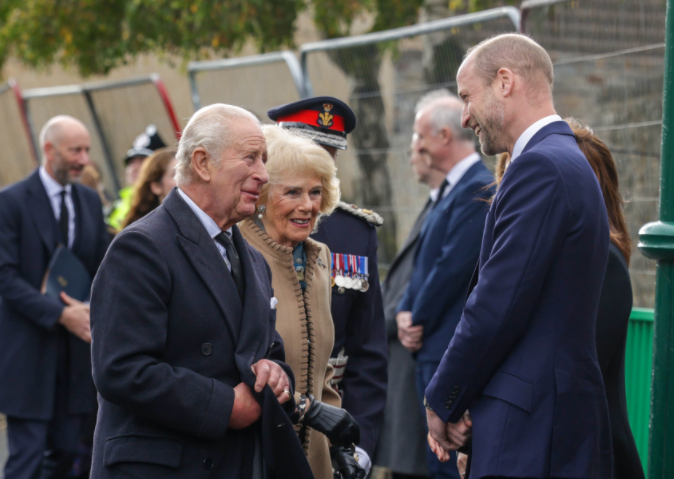
The significance of the day was amplified by the invitation extended to King Charles to speak by Jeff Edwards, a survivor of the disaster. At the age of eight, Edwards was among the hundreds caught in the devastating slide of colliery spoil from the Merthyr Vale Colliery. The disaster, which occurred on October 21, 1966, saw the Pantglas Primary School completely buried, along with twenty houses and a farm. The tragedy was attributed to the build-up of water beneath the colliery heap, leading to its catastrophic collapse. King Charles, then the Prince of Wales, was deeply affected by the event at the time, and his presence today underscored the enduring impact of Aberfan on his personal history and his understanding of national resilience.
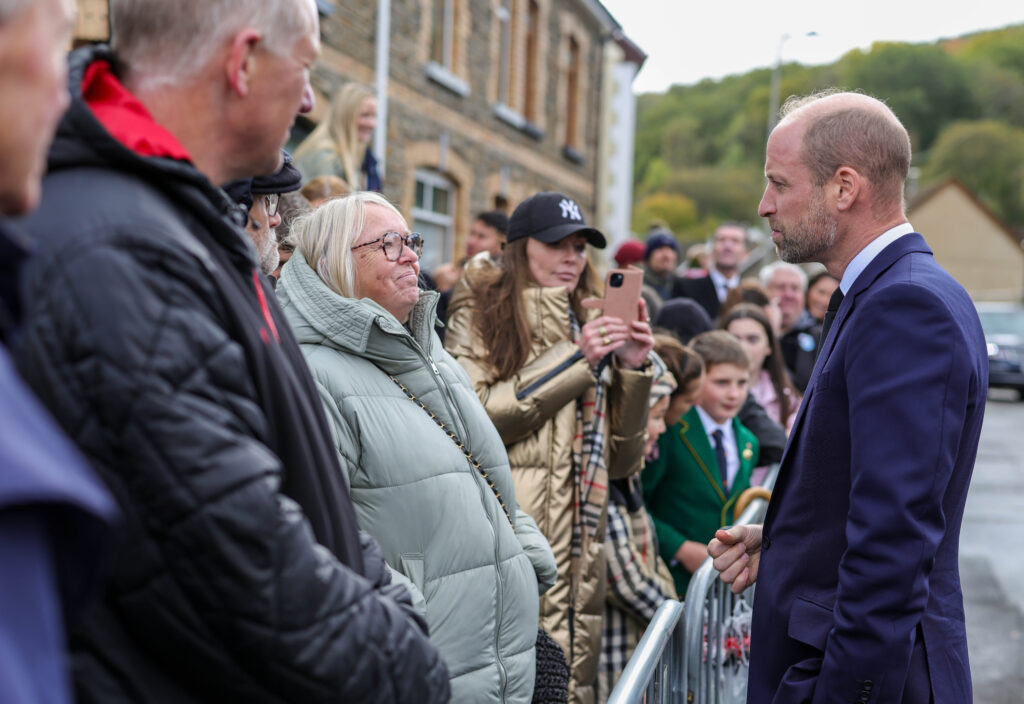
The royal party then proceeded to the Aberfan and Merthyr Vale Community Centre for a reception, offering an opportunity for direct engagement with those who have lived through the tragedy. Here, they met with survivors and members of organisations like the Aberfan Wives, a group formed to support mothers who had lost children in the disaster. These interactions provided a platform for the community to share their experiences and for the Royal Family to offer comfort and acknowledgement.
During the reception, Prince William met with individuals who shared personal stories of loss. He was shown a photograph of nine-year-old twins Diane and Daphne Fudge, who were caught in the coal heap slide. Sadly, Diane did not survive the disaster, a stark reminder of the individual lives irrevocably altered by the event.
Later in the day, Prince William visited Ynysowen Community Primary School. Here, he witnessed firsthand how a new generation is being educated about the Aberfan disaster and its legacy. He unveiled the Aberfan Memorial Tree, a collaborative project involving the children of the school, representing a living testament to the enduring memory of those lost on that fateful day in 1966. The Welsh phrase "Er cof annwyl" (In loving memory) concluded the report, underscoring the deep sentiment of remembrance.
The Aberfan Disaster: A Chronology of Tragedy and Resilience
The Aberfan disaster remains one of Britain’s most devastating industrial accidents, a stark testament to the perils of mining and the inadequate safety measures prevalent at the time. Understanding the sequence of events is crucial to appreciating the scale of the tragedy and its lasting impact.
- October 21, 1966, 9:15 AM: A large mass of coal slurry, accumulated at the Merthyr Vale Colliery, became saturated due to heavy rainfall. This triggered a catastrophic landslide, sending an estimated 150,000 tons of waste cascading down the mountainside.
- 9:17 AM: The slurry overwhelmed the village of Aberfan, engulfing Pantglas Junior School and 20 terraced houses on terraces Gethin and Dan-y-Bryn. The sheer force of the material, travelling at speed, caused immense destruction and loss of life.
- Immediate Aftermath: Villagers, aided by local miners and rescue services, immediately began the desperate search for survivors. The scene was one of unimaginable devastation, with the school completely buried and rescue efforts hampered by the thick, heavy slurry.
- Rescue Efforts: The rescue operation was arduous and emotionally taxing. The slurry made it difficult to distinguish between debris and victims, and the sheer volume of material meant that many were trapped and beyond help. The operation continued for days, with a grim toll of 144 fatalities, predominantly children.
- Inquest and Blame: An official inquiry, led by Lord Robens, the chairman of the National Coal Board (NCB), was established. The inquiry faced criticism for its perceived bias towards the NCB and for its failure to fully assign blame to the organisation responsible for the spoil heaps. Despite evidence of prior concerns about the stability of the spoil heaps, the final report attributed the disaster to "an unhappy confluence of circumstances."
- Public Outcry and Compensation: The disaster sparked national outrage regarding safety regulations and the NCB’s accountability. A compensation fund was established, but the initial sums offered were considered inadequate by many bereaved families. A subsequent public appeal raised significant funds, with a portion of the money being used to help clear the remaining spoil heaps, a controversial decision that remains a point of contention for some survivors.
- Legislative Changes: The Aberfan disaster served as a catalyst for significant changes in mining safety legislation and the regulation of spoil heaps across the UK. The Mines and Quarries (Tips) Act 1969 was introduced, mandating stricter controls and inspections for all spoil heaps.
Supporting Data and Broader Context
The Aberfan disaster was not an isolated incident in the history of industrialised nations, but its scale and the specific circumstances of the victims – predominantly young children – rendered it uniquely tragic. The spoil heap at Merthyr Vale Colliery had been growing for decades, a common practice in the coal mining industry. However, the specific location of the heap above a village and a school, coupled with inadequate drainage and geological instability, created a perfect storm for disaster.
- Human Cost: The loss of 116 children in a single event is a statistic that underscores the profound impact on the community’s future. The average age of the child victims was just ten years old. The disaster also claimed the lives of five teachers and 23 parents and grandparents.
- Economic Impact: The village of Aberfan, like many mining communities, relied heavily on the coal industry. The disaster not only caused immense human suffering but also had a significant economic impact, contributing to the eventual decline of the local mining industry in the years that followed.
- Environmental Factors: Heavy rainfall preceding the disaster played a crucial role in saturating the spoil heap. This highlights the environmental risks associated with industrial practices and the need for careful site selection and management.
- National Response and Inquiry: The subsequent public inquiry, while ultimately criticised, represented a national effort to understand the causes and prevent future tragedies. The findings, though controversial, led to tangible legislative changes aimed at improving safety standards in the mining industry.
Official Responses and Analysis of Implications
The presence of King Charles, Queen Camilla, and Prince William at the 60th anniversary serves as a powerful symbol of national remembrance and the enduring commitment of the monarchy to acknowledging significant national events. Their participation signifies a recognition of the collective grief and the importance of honouring the memory of those lost.
The King’s carefully chosen words, acknowledging the pain that transcends generations, reflect a deep understanding of the disaster’s lasting legacy. His statement that "Hearts, far from this valley, will ache with yours" speaks to the national empathy that the event evoked and continues to sustain.
Prince William’s personal message on his wreath, co-signed by the Princess of Wales, demonstrates a continued familial connection to Aberfan. This ongoing engagement by the Prince of Wales, who has previously visited Aberfan, signals a commitment to ensuring the story of the disaster is not forgotten and that lessons learned continue to inform contemporary safety practices and community support.
The fact that a survivor, Jeff Edwards, was the one to invite King Charles to speak at the memorial reception is a testament to the community’s agency and their desire to engage directly with national figures on the anniversary. This highlights the importance of survivor voices in shaping the narrative and ensuring that remembrance is an active, rather than passive, process.
The implications of the Aberfan disaster extend far beyond the immediate tragedy. It prompted a critical examination of industrial safety regulations, particularly concerning spoil heaps. The subsequent legislation, while enacted in response to a specific event, has had a broader impact on environmental safety and risk management across various industries. The disaster also underscored the importance of corporate accountability and the need for transparent and thorough investigations following industrial accidents.
Furthermore, Aberfan serves as a profound case study in community resilience. The village, though irrevocably scarred, has demonstrated remarkable strength in rebuilding and maintaining a strong sense of community identity. The ongoing commemorations and the active involvement of survivors and their descendants ensure that the memory of Aberfan is preserved not just as a historical event, but as a living testament to the human cost of industrial negligence and the enduring power of collective remembrance. The presence of the Royal Family, therefore, is not merely ceremonial; it is an acknowledgement of a profound national scar and a symbol of solidarity with a community that has shown extraordinary fortitude in the face of unimaginable loss.




 Nila Kartika Wati

 Lina Irawan

 Yuyun Lusiyani

 Ana Megawati

 Joko Widodo
