
 Eva Lovia
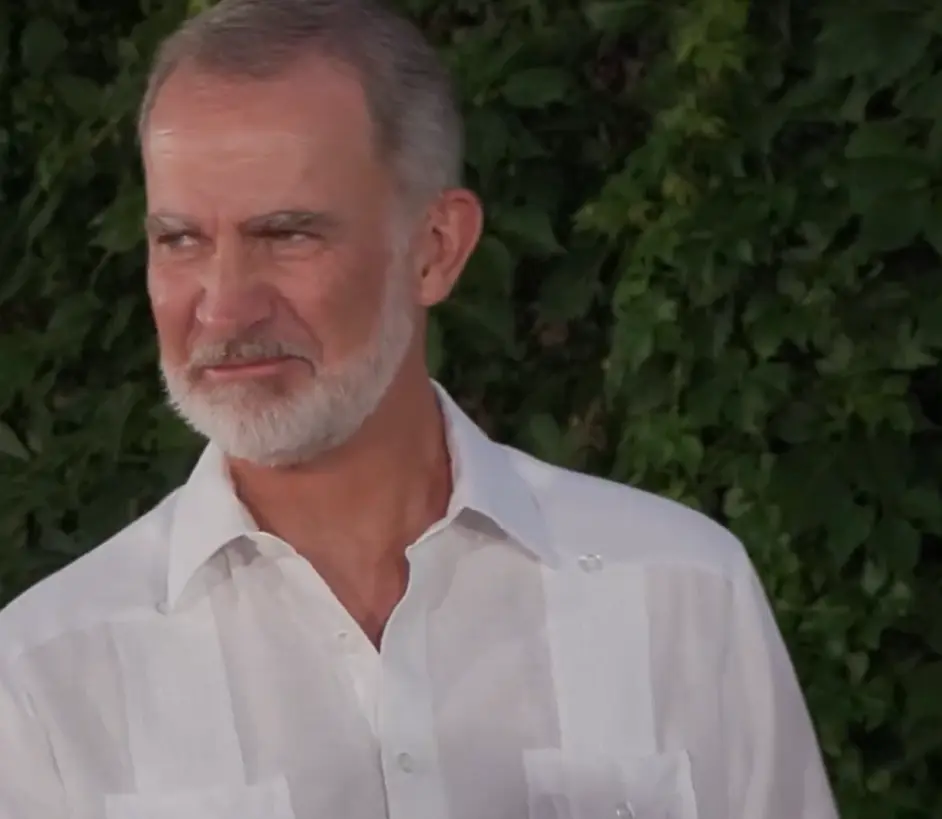
King Felipe VI of Spain has successfully undergone surgery to address cataracts in both eyes, marking a significant, albeit brief, interruption to his demanding royal schedule. The monarch spent a single night at the Ruber International Clinic in Madrid following the procedure, which took place on the evening of October 24th. He was discharged on Sunday morning, October 25th, with clear medical instructions to rest and limit strenuous activity for several days. The news of the surgery was officially announced after its completion, a common practice to ensure minimal disruption and public concern.
A Swift and Necessary Procedure
The King, aged 58, was admitted for a routine operation to remedy the clouding of his eye lenses, a condition known as cataracts. This surgical intervention, while common, is crucial for maintaining clear vision, which is paramount for a head of state who frequently engages in public appearances, state visits, and official duties. Sources close to the palace indicated that King Felipe is recovering well and is expected to make a full return to his duties following the prescribed period of rest. The operation itself was described as short and effective, performed by a leading ophthalmic surgical team in Madrid.
Preceding Engagements and a Hasty Return
The timing of the King’s surgery is particularly noteworthy, occurring just hours after his return to the Spanish capital. Prior to his admission to the clinic, King Felipe had spent three days in the northern region of Asturias, actively participating in a series of high-profile events. His presence in Asturias was primarily to support his elder daughter, Princess Leonor, the heir to the throne, as she took center stage at the prestigious Princess of Asturias Awards.
The Princess of Asturias Awards, held annually in October, are a cornerstone of Spain’s cultural and intellectual landscape, recognizing outstanding achievements in fields such as the arts, literature, sports, science, and international cooperation. This year’s ceremony, held in Oviedo, was particularly significant as it marked another step in Princess Leonor’s public journey as future Queen. Leonor, who is nearing her 21st birthday, presented the awards with a confident demeanor, supported by her parents, King Felipe and Queen Letizia, and her younger sister, Infanta Sofia. The presence of their grandmother, Queen Sofia, observing from a balcony, added a layer of dynastic continuity to the proceedings. Princess Leonor also delivered a notable speech, underscoring her growing role and responsibilities.
Following the awards ceremony, the royal family extended their visit to the Asturian coast. There, they participated in another official engagement, bestowing the annual prize for "Community of the Year" upon the local fishing community of Llanes. This segment of the visit highlighted the monarchy’s connection to the everyday lives and traditions of Spain. It was during this coastal excursion that a minor incident occurred involving Queen Letizia. As she was disembarking from a boat, the Queen briefly lost her footing. The situation was immediately managed, with Infanta Sofia offering a helping hand, and both mother and daughter shared a moment of lightheartedness, demonstrating the family’s composure and unity even in unexpected moments.
The royal family then travelled back to Madrid in the early afternoon. It was shortly after their return to the capital that King Felipe was admitted to the Ruber International Clinic for his scheduled surgery. This swift transition from public engagements to medical attention underscores the demanding nature of royal life and the importance of maintaining good health to fulfill constitutional duties.
Background and Context of the Princess of Asturias Awards
The Princess of Asturias Awards were established in 1980 by the then-Prince Juan Carlos (later King Juan Carlos I) and the late Queen Sofía, with the aim of celebrating and promoting scientific, cultural, and humanistic values. They are considered one of Spain’s most important distinctions, with laureates often including Nobel Prize winners and globally renowned figures. The awards are administered by the Princess of Asturias Foundation, a private institution.
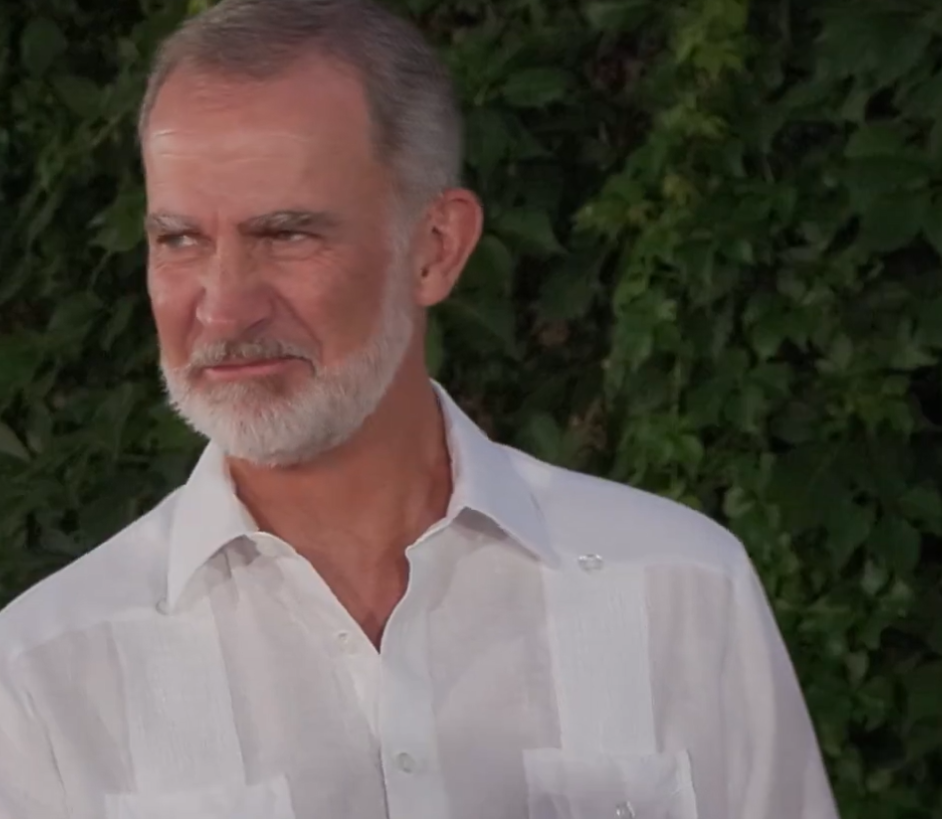
The ceremony itself is a grand affair, attended by prominent figures from politics, culture, and academia, both from Spain and internationally. For Princess Leonor, presiding over this event is a critical part of her preparation for the throne. It allows her to demonstrate her understanding of the values the awards represent, to engage with laureates, and to project an image of a modern, engaged, and future-ready monarch. Her speeches at these events are closely scrutinized, offering insights into her evolving perspective and her vision for Spain.
Supporting Data and Royal Health
The health of monarchs is a matter of public interest, as it directly impacts their ability to perform their duties. Cataract surgery has become increasingly common and successful, with advancements in surgical techniques and post-operative care allowing for rapid recovery. For King Felipe, who has maintained a rigorous schedule since his accession to the throne in 2014, prioritizing his health is essential. His proactive approach to addressing the cataract issue demonstrates a commitment to his role and a desire to ensure his vision remains unimpaired for future engagements.
King Felipe has a history of maintaining a healthy lifestyle. He is known to be an avid sportsman, participating in sailing and skiing, activities that require good physical condition and clear vision. While the specific details of his vision prior to the surgery have not been publicly disclosed, the decision to undergo the procedure suggests that his vision had begun to be affected, potentially impacting his ability to read documents, recognize individuals at a distance, or engage in detailed observation during official duties.
Official Responses and Public Sentiment
The announcement of the King’s surgery and subsequent discharge was met with messages of well wishes from various sectors of Spanish society and from international leaders. While no specific official statements from other heads of state were immediately highlighted in the initial reports, it is customary for royal houses and governments to extend their regards. Within Spain, political leaders from across the spectrum have typically conveyed their support for the monarch during such times. The Spanish government, through its spokesperson or relevant ministries, would have been kept informed and likely issued a brief statement of support.
The public reaction, as observed through social media and traditional news commentary, has been largely supportive and understanding. The swiftness of the surgery and recovery, coupled with the monarch’s continued dedication to his duties, is generally well-received. The image of King Felipe leaving the clinic wearing dark glasses, as captured in media reports, is a common visual cue of post-cataract surgery recovery, signaling to the public that the monarch is adhering to medical advice.
Broader Impact and Implications
King Felipe’s brief period of reduced activity does not pose any significant threat to the functioning of the Spanish state. Spain is a parliamentary monarchy, meaning that executive power rests with the government, led by the Prime Minister. The King’s role is primarily constitutional and symbolic, representing the unity and permanence of the state. While his presence is important for ceremonial occasions and state functions, his absence for a few days due to a medical procedure is a manageable situation.
The situation also serves as a reminder of the dual role of the monarchy in Spain: embodying tradition and continuity while also adapting to modern times and the personal realities of its members. The public’s understanding and acceptance of these procedures reflect a maturing relationship between the Crown and the people. Furthermore, the focus on Princess Leonor during the Asturias Awards highlights the ongoing process of dynastic transition, a crucial aspect of any monarchy’s long-term stability. Her increasing prominence and the successful execution of her duties during her father’s brief convalescence underscore the readiness of the next generation to assume greater responsibility.
The King’s commitment to addressing his health proactively, even amidst a busy schedule, reinforces his image as a dedicated and responsible head of state. The successful outcome of the surgery and his anticipated swift return to full duties will undoubtedly be welcomed by those who follow the Spanish monarchy and by the Spanish people as a whole. The brief interruption serves to underscore the importance of health and well-being for all public figures, regardless of their station.



 Nila Kartika Wati

 Lina Irawan

 Yuyun Lusiyani

 Ana Megawati

 Joko Widodo
