
 Eva Lovia
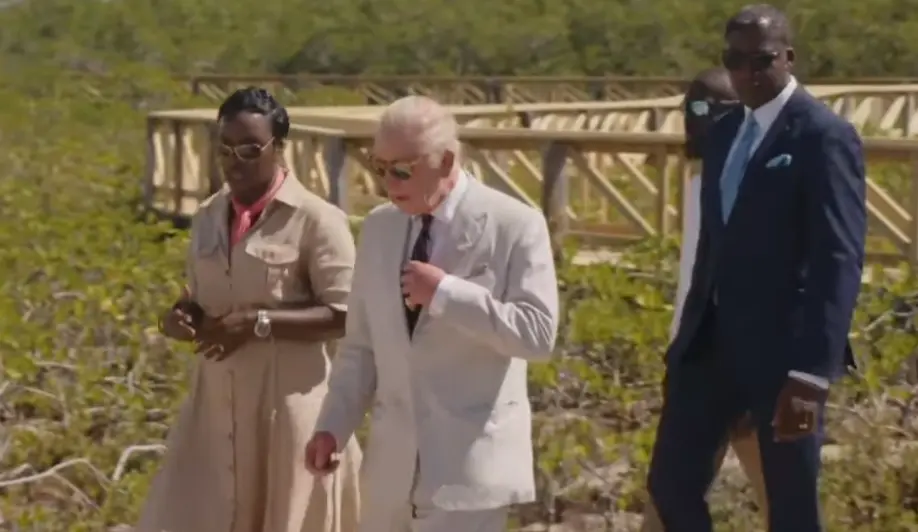
The King has underscored the paramount importance of safeguarding the Bahamas’ natural environment, particularly its vital mangrove ecosystems, during a significant visit to Bonefish Pond National Park. His Majesty’s engagement marked a key moment in his Caribbean tour, drawing global attention to the nation’s dedicated efforts in restoring vulnerable coastal habitats and bolstering resilience against the escalating threats of climate change. The visit, which occurred on the second day of his nine-day Caribbean itinerary, provided a platform to showcase the intrinsic link between healthy natural landscapes and the long-term security of low-lying island nations.
A Royal Tour Focused on Environmental Stewardship
King Charles, serving as Patron of The Bahamas National Trust, embarked on a comprehensive tour of Bonefish Pond National Park, a sanctuary dedicated to the preservation of the islands’ unique coastal environments. The park, established in 2002, spans approximately 1,235 acres and is a crucial example of a thriving tidal mangrove ecosystem. During his visit, His Majesty was accompanied by prominent local politicians and esteemed representatives from various conservation organizations, all united by a shared commitment to environmental protection. This collaborative spirit underscored the national importance placed on these natural assets.
The King’s exploration included a walk along a specially constructed wooden boardwalk that extends into the heart of the mangrove forest. This vantage point offered an intimate perspective on the intricate network of tidal creeks and seagrass habitats that form the foundation of the park’s biodiversity. Conservationists present detailed the ongoing projects aimed at managing and protecting this fragile wetland environment. Their explanations highlighted the multifaceted benefits of these coastal ecosystems, extending far beyond their aesthetic appeal to encompass critical ecological and economic functions.
Mangroves: A Natural Defense Against Climate Change
A central theme of the King’s visit was the profound role mangroves play in buffering the Bahamas against the accelerating impacts of climate change. These remarkable trees, with their complex root systems, are not merely ecological treasures but also frontline defenders against environmental upheaval.
- Carbon Sequestration: Mangrove forests are exceptionally efficient at capturing and storing atmospheric carbon dioxide, a critical process in mitigating global warming. Scientific studies have consistently shown that coastal wetlands, including mangroves, can sequester carbon at rates significantly higher than terrestrial forests, earning them the moniker "blue carbon" ecosystems. For a nation like the Bahamas, highly vulnerable to rising global temperatures, this natural carbon sink represents an invaluable asset.
- Storm Surge Mitigation: The dense, interwoven root systems of mangroves act as a natural barrier, dissipating the energy of storm surges and reducing the erosive force of waves. This protective function is increasingly vital as climate change fuels more frequent and intense tropical storms. The physical presence of healthy mangrove forests can significantly lessen the damage to coastal infrastructure and communities, thereby reducing economic losses and the human cost of extreme weather events.
- Habitat Provision: Beyond their protective capabilities, mangroves are nurseries for a vast array of marine life. They provide essential breeding grounds, shelter, and feeding areas for countless species of fish, crustaceans, and mollusks. This rich biodiversity is not only crucial for the health of the marine environment but also directly supports the local fishing industry, a cornerstone of the Bahamian economy and a vital source of food security.
- Coastal Erosion Control: The physical structure of mangrove forests helps to stabilize shorelines, preventing the erosion that can threaten coastal communities and valuable land. Their ability to trap sediment also contributes to the natural accretion of land, effectively helping to maintain coastlines against the relentless forces of the sea.
The King’s engagement at Bonefish Pond served as a powerful visual representation of these ecological services, emphasizing that the preservation of these natural barriers is an indispensable component of building long-term resilience for low-lying island nations facing existential threats from rising sea levels and intensified weather patterns.
The Bahamas National Trust: Guardians of Natural Heritage
The Bahamas National Trust (BNT), the organization responsible for the management of Bonefish Pond National Park, plays a pivotal role in the nation’s conservation efforts. With a mandate to manage 32 national parks and numerous other protected areas across the archipelago, the BNT is at the forefront of preserving the Bahamas’ distinctive natural heritage. Their work encompasses a wide spectrum of activities, from scientific research and habitat restoration to community engagement and environmental education.
The park itself, protected since 2002, is a testament to the BNT’s dedication. It showcases a diverse array of interconnected habitats, including mature mangrove forests, shallow tidal flats, and productive seagrass beds. These environments collectively support a vibrant ecosystem, attracting a rich diversity of birdlife, including numerous migratory shorebirds, as well as a healthy population of fish species crucial for both ecological balance and local sustenance.
Educating Future Generations: The Power of Youth Engagement
A particularly inspiring facet of the King’s visit was his interaction with young people actively involved in the BNT’s education and conservation programs. These initiatives are designed to foster a deep understanding and appreciation for the natural environment among the next generation. By engaging youth directly, the BNT aims to cultivate a sense of responsibility and empower them to become active participants in conservation efforts.
The King heard firsthand how these programs connect environmental protection with climate resilience and the long-term wellbeing of their communities. Through interactive learning experiences and hands-on conservation activities, young Bahamians are being equipped with the knowledge and passion to become stewards of their natural inheritance. This focus on youth development is a strategic investment in ensuring the continued protection of the Bahamas’ precious natural landscapes and wildlife for generations to come. The BNT’s educational outreach is not merely about imparting scientific facts; it is about instilling a cultural value for nature and empowering a new generation of environmental leaders.
A Symbolic Act of Commitment
Concluding his impactful visit, His Majesty participated in a symbolic tree-planting ceremony, laying the foundation for future growth and demonstrating a tangible commitment to the park’s restoration efforts. He planted a silver buttonwood tree, an indigenous species native to Bahamian coastal landscapes, often colloquially referred to as a "silver mangrove" due to its ecological similarities and coastal habitat. This act served as a potent metaphor for nurturing and investing in the natural systems that protect the islands.
Following the tree planting, the King unveiled a plaque commemorating his visit, a permanent marker of this significant royal endorsement of environmental conservation in the Bahamas. This gesture reinforces the international recognition of the challenges faced by small island developing states and the critical importance of their conservation initiatives.
Broader Context: A Caribbean Tour with Environmental Threads
The visit to Bonefish Pond National Park was a central event within the second day of The King’s extensive nine-day Caribbean tour. The itinerary, which commenced in the Bahamas on Tuesday, is set to continue with engagements in Guyana before concluding in Antigua and Barbuda. Notably, Queen Camilla is scheduled to join His Majesty in Antigua and Barbuda for the Commonwealth Heads of Government Meeting, further amplifying the international significance of the tour.
Environmental protection and the urgent need for climate action are prominent themes woven throughout the King’s engagements across the region. The tour provides a valuable platform to highlight successful conservation projects, foster dialogue on sustainable development, and encourage collaborative solutions to the environmental challenges confronting the Caribbean and the wider global community. The choice of destinations and the focus of His Majesty’s activities underscore a clear message from the British monarchy regarding the critical urgency of addressing climate change and supporting the nations most vulnerable to its devastating effects. The tour serves as a diplomatic initiative, aiming to strengthen partnerships and promote a unified approach to environmental stewardship in a region rich in biodiversity but acutely exposed to environmental risks.



 Nila Kartika Wati

 Lina Irawan

 Yuyun Lusiyani

 Ana Megawati

 Joko Widodo
