
 Lina Irawan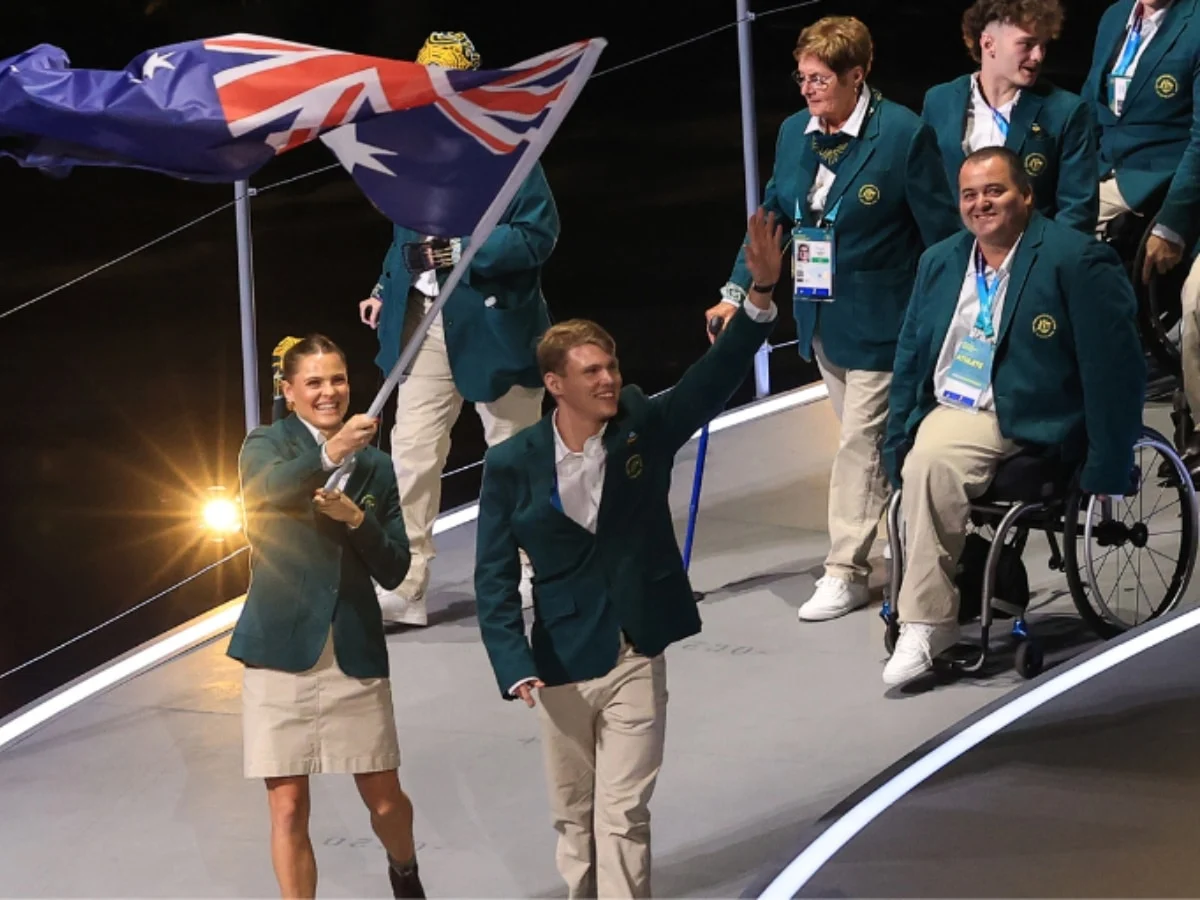
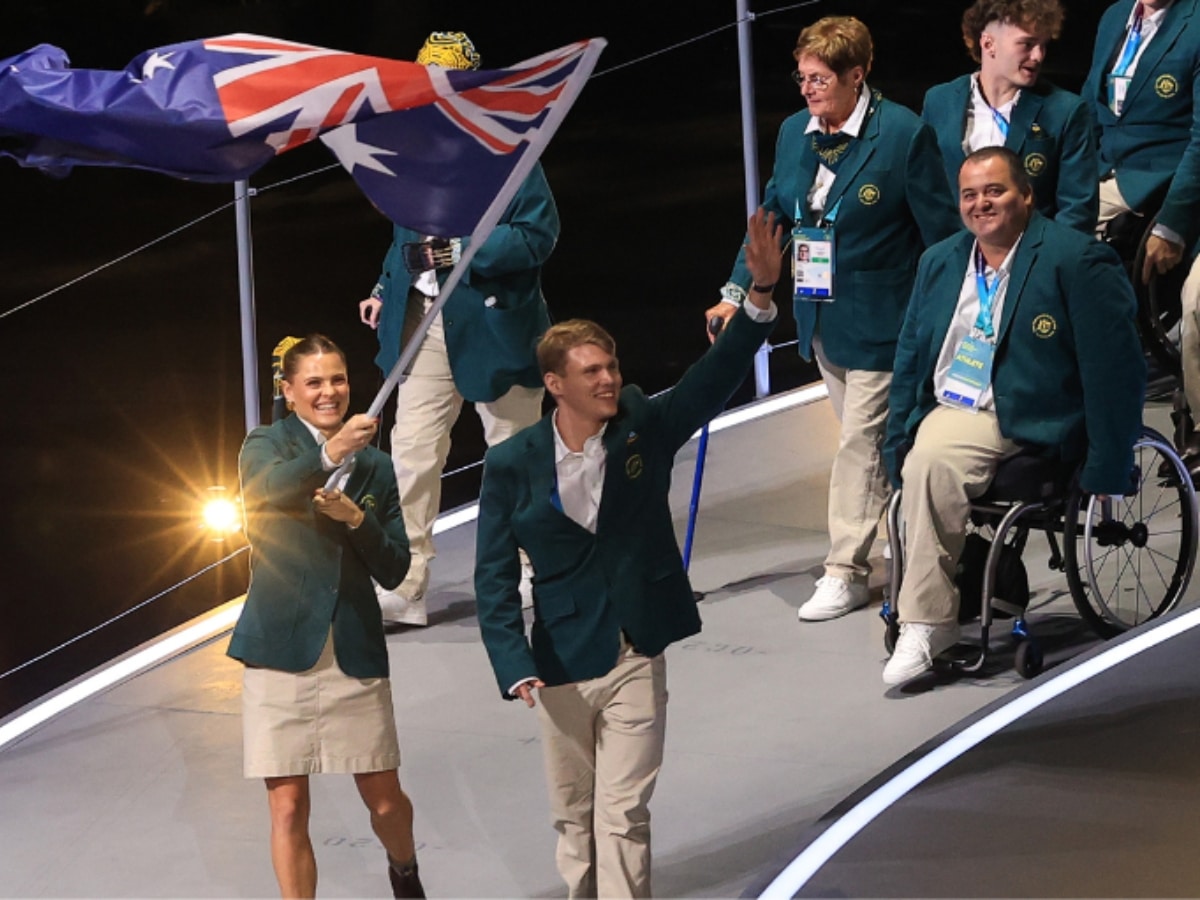
Australia has established an overwhelming lead at the Glasgow 2026 Commonwealth Games, securing a commanding position at the top of the medal table within the first four days of competition. As of July 28, the Australian delegation has amassed a total of 59 medals, including 26 gold, 13 silver, and 20 bronze. This performance places Australia 18 gold medals ahead of its nearest rival, England, underscoring a period of unprecedented dominance in the pool and significant breakthroughs in artistic gymnastics and long-distance athletics. Of the 26 gold medals won thus far, 23 have originated from swimming and para-swimming events, further cementing Australia’s reputation as a global powerhouse in aquatic sports.
The success of the Australian team comes amid a revamped and condensed format for the 23rd Commonwealth Games. Following the withdrawal of the original host, the state of Victoria, Glasgow stepped in to deliver a streamlined event held from July 23 to August 2. The 2026 iteration features 3,000 athletes from 74 nations and territories, but the program has been strategically tightened to ten core sports and six integrated Para sports. Competition is concentrated within a compact eight-mile corridor in Glasgow, utilizing four primary venues to ensure financial and operational sustainability. Despite the reduced number of sporting disciplines, the intensity of the competition remains high, with 215 gold-medal events scheduled across 133 sessions.
The Strategic Framework of Glasgow 2026
The Glasgow 2026 Commonwealth Games represent a significant departure from the expansive models of the past. By focusing on athletics, swimming, track cycling, gymnastics, netball, boxing, bowls, judo, weightlifting, and 3×3 basketball, the Commonwealth Games Federation (CGF) has prioritized sports with high participation rates and broadcast appeal. For Australia, this selection has proven highly advantageous. The inclusion of a robust swimming program and integrated Para disciplines has allowed the Australian Dolphins to maximize their medal potential early in the schedule.
Broadcasting data suggests that the Australian public is highly engaged with the team’s progress despite the challenging time difference. The Seven Network reported that 7.8 million Australians tuned into the coverage during the first three days. With live broadcasts running from 7:00 PM to 7:30 AM AEST, much of the gold-medal action occurs during the early morning hours in Australia. Nevertheless, the high viewership across Seven, 7plus Sport, and dedicated 24-hour channels indicates a sustained national interest in the Commonwealth movement.
Chronology of Australian Success: Days One to Four
The Australian gold rush began immediately upon the commencement of the Games, with a consistent trajectory of victories that has averaged more than six gold medals per day.
Day 1: Establishing the Standard
On July 24, Australia concluded the opening day with six gold medals. Lani Pallister set the tone in the women’s 400m freestyle, becoming the first Australian to claim gold in Glasgow by breaking the four-minute barrier. This performance was bolstered by Jenna Forrester, who secured bronze in the same event. The momentum continued in the Para-swimming ranks, where Jenna Jones claimed the inaugural Commonwealth title in the women’s 100m freestyle S13.
The evening session saw Jenna Forrester return to the top of the podium in the women’s 200m backstroke, narrowly defeating Scotland’s Katie Shanahan. In the men’s 100m butterfly S10, Alex Saffy bested teammate and defending champion Col Pearse in a display of Australian depth. The day concluded with a sweep of the 4x100m freestyle relays. The women’s team—comprising Meg Harris, Shayna Jack, Alex Perkins, and Mollie O’Callaghan—won their eighth consecutive Commonwealth title, while the men’s team set a new Games record of 3:09.49.
Day 2: Podium Sweeps and Gymnastic History
By the end of the second day, Australia’s gold tally doubled to 12. The day was defined by the first podium sweep of the Games in the men’s 400m freestyle, where Sam Short led Elijah Winnington and Benjamin Goedemans in a one-two-three finish. Mollie O’Callaghan continued her individual success by edging out Lani Pallister in the 200m freestyle, while Alex Perkins secured her first individual Commonwealth title in the 50m butterfly.
A significant highlight of Day 2 occurred outside the pool. The Australian women’s artistic gymnastics team—Georgia Godwin, Breanna Scott, Kate McDonald, Ruby Pass, and Emily Whitehead—captured the team gold for the first time since 2010. This victory was particularly poignant for Georgia Godwin, who, through this win, became Australia’s most decorated female gymnast in Commonwealth Games history. The night ended with another relay victory in the mixed 4x100m freestyle, where Australia set a Games record of 3:19.36.
Day 3: Sprint Dominance and Distance Records
On July 26, the gold tally rose to 17. Cameron McEvoy provided one of the most clinical performances of the Games, adding the Commonwealth 50m freestyle title to his existing Olympic and World Championship crowns. McEvoy’s time of 20.97 seconds set a new Games record and led another Australian podium sweep alongside Flynn Southam and Jamie Jack.
In the distance events, Lani Pallister made history as the first-ever Commonwealth champion in the women’s 1500m freestyle, winning by a staggering margin of nearly 18 seconds. Meanwhile, Iona Anderson secured a victory in the 100m backstroke by a mere 0.06 seconds, illustrating the high-pressure environment of the Glasgow pool. Tim Hodge successfully defended his 100m backstroke S9 title, and the men’s 4x200m freestyle relay team capped the night with another Games record.
Day 4: Athletics Breakthrough and Breaststroke Doubles
The fourth day saw Australia’s most prolific output yet, adding nine gold medals to reach a total of 26. While the swimmers continued to dominate—highlighted by Sam Williamson completing the 50m and 100m breaststroke double and Sam Short winning the inaugural 800m freestyle—the focus shifted toward the track and the gymnastics arena.
Rose Davies achieved a historic milestone by becoming the first Australian woman to win the Commonwealth 10,000m title. Her tactical race saw her finish ten seconds clear of her Kenyan competitors, marking a significant shift in the traditional distance-running hierarchy. In gymnastics, Kate McDonald added an individual gold on the uneven bars to her team medal, showcasing a massive improvement from her seventh-place finish in Birmingham 2022. The swimming program concluded the day with a victory in the women’s 4x200m freestyle relay, ensuring Australia remained undefeated in every freestyle relay event contested thus far.
Analysis of Performance and Implications
The sheer volume of medals, particularly the 23 golds from the pool, raises questions regarding the competitive balance within the Commonwealth. However, sports analysts suggest that Australia’s dominance is a result of a highly synchronized high-performance program that aligns state-based institutes with national objectives. The "podium sweeps" in the 400m freestyle and 50m freestyle demonstrate a level of internal competition that often exceeds the challenge posed by international rivals.
Furthermore, the integration of Para-sports has allowed Australia to leverage its inclusive sporting infrastructure. Athletes like Tim Hodge and Alex Saffy are not merely participating; they are setting benchmarks that influence the global Para-swimming landscape. The decision by the CGF to include these events as point-scoring, medal-contributing disciplines has fundamentally altered the strategy of national sporting organizations.
For the Glasgow organizers, the Australian success provides a double-edged sword. While the dominance of one nation can sometimes dampen the narrative of a multi-sport event, the record-breaking times and high-caliber performances ensure that the Games remain relevant on the international sporting calendar. The "compact" model of Glasgow 2026 is being closely watched by the International Olympic Committee (IOC) and other sporting bodies as a potential blueprint for future events where sustainability and cost-management are paramount.
Official Responses and Athlete Perspectives
While official statements from Commonwealth Games Australia (CGA) have remained focused on the "one team" philosophy, the individual reactions from athletes highlight the prestige still associated with the "Friendly Games." Sam Williamson, speaking after his breaststroke double, noted the significance of the event in his recovery from a serious patellar tendon injury, stating that the Commonwealth Games provided the perfect high-pressure environment to test his physical resilience.
Similarly, Rose Davies’ victory in the 10,000m has been hailed by Athletics Australia as a "watershed moment" for women’s distance running in the country. Coaches have pointed to the strategic patience displayed by Davies as evidence of a maturing athletics program that is capable of competing with East African powerhouses in tactical championship races.
Looking Ahead to the Final Sessions
With the competition scheduled to conclude on August 2, the Australian team is well-positioned to challenge its previous record hauls. Remaining events in athletics, netball, and track cycling offer further opportunities for gold. The Australian Diamonds (netball) and the track cycling pursuit teams are heavily favored to add to the tally in the coming days.
As the Games transition into their second half, the focus will likely shift from the pool to the Emirates Arena and the Hampden Park track. If the current rate of acquisition continues, Australia is on track to not only win the medal tally but to do so with one of the largest margins in the history of the Commonwealth Games. The success in Glasgow serves as a vital stepping stone for athletes looking toward the next Olympic cycle, proving that even in a streamlined format, the pursuit of excellence remains the core driver of the Australian sporting identity.




 Yuyun Lusiyani
 Joko Widodo
 Eva Lovia
 Pevita Pearce
 admin
admin