
 Lina Irawan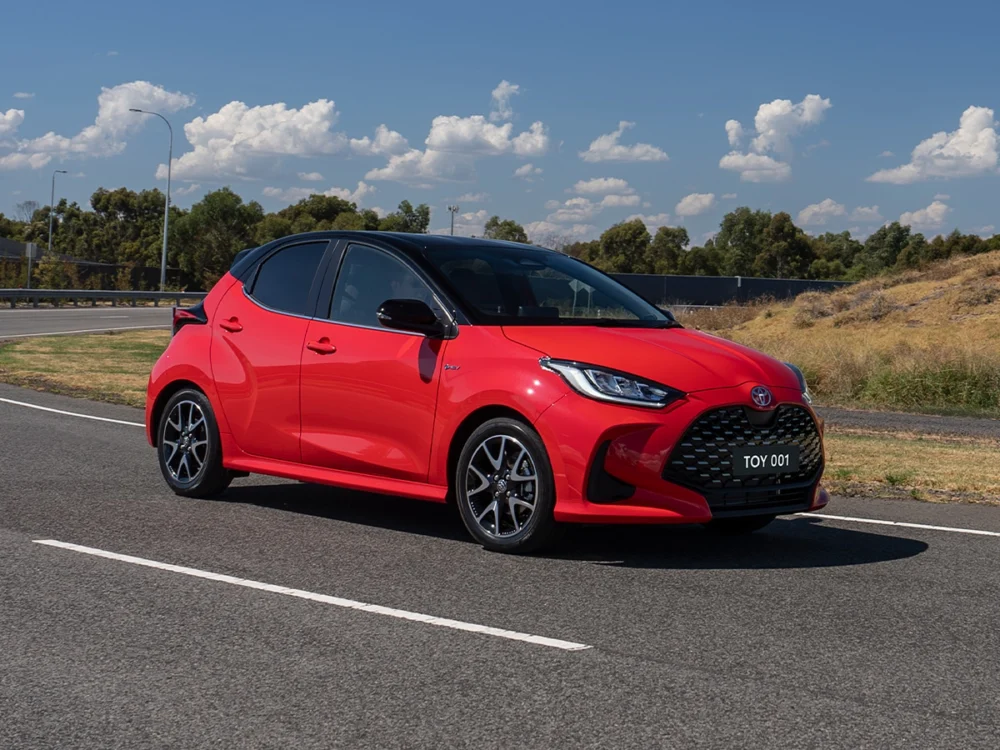
Australia is currently grappling with a burgeoning fuel crisis that threatens to reshape the economic landscape for millions of motorists across the continent. While volatility in global oil markets is not a new phenomenon, the current trajectory of domestic fuel prices has raised alarms among economic analysts and consumer advocacy groups alike, with projections suggesting that a ceiling of $2.80 per litre for unleaded and diesel fuel is no longer a distant possibility but a looming reality. As the nation faces this potential price surge, the distinction between vehicle fuel efficiency and long-term ownership costs has become a critical focal point for households attempting to mitigate the rising cost of living.
To understand the magnitude of this shift, an analysis of the official combined fuel consumption figures across a spectrum of popular Australian vehicles reveals a stark disparity in annual running costs. By utilizing a standard benchmark of 15,000 kilometres of driving per year—the average distance covered by an Australian passenger vehicle—data demonstrates that the financial delta between efficient hybrid technology and traditional internal combustion engines (ICE) expands exponentially as the price at the bowser climbs from a baseline of $1.90 per litre to the projected crisis level of $2.80 per litre.
The Economic Context of the 2026 Fuel Crisis
The current pressure on Australian fuel prices is the result of a complex interplay of geopolitical instability, reduced domestic refining capacity, and the weakening of the Australian dollar against the US greenback, the currency in which oil is globally traded. Historically, Australia has remained vulnerable to supply chain disruptions due to its reliance on imported refined products. Following the closure of several domestic refineries over the past decade, including the BP facility at Bulwer Island and the ExxonMobil refinery at Altona, the nation’s fuel security has become increasingly dependent on international shipping routes.
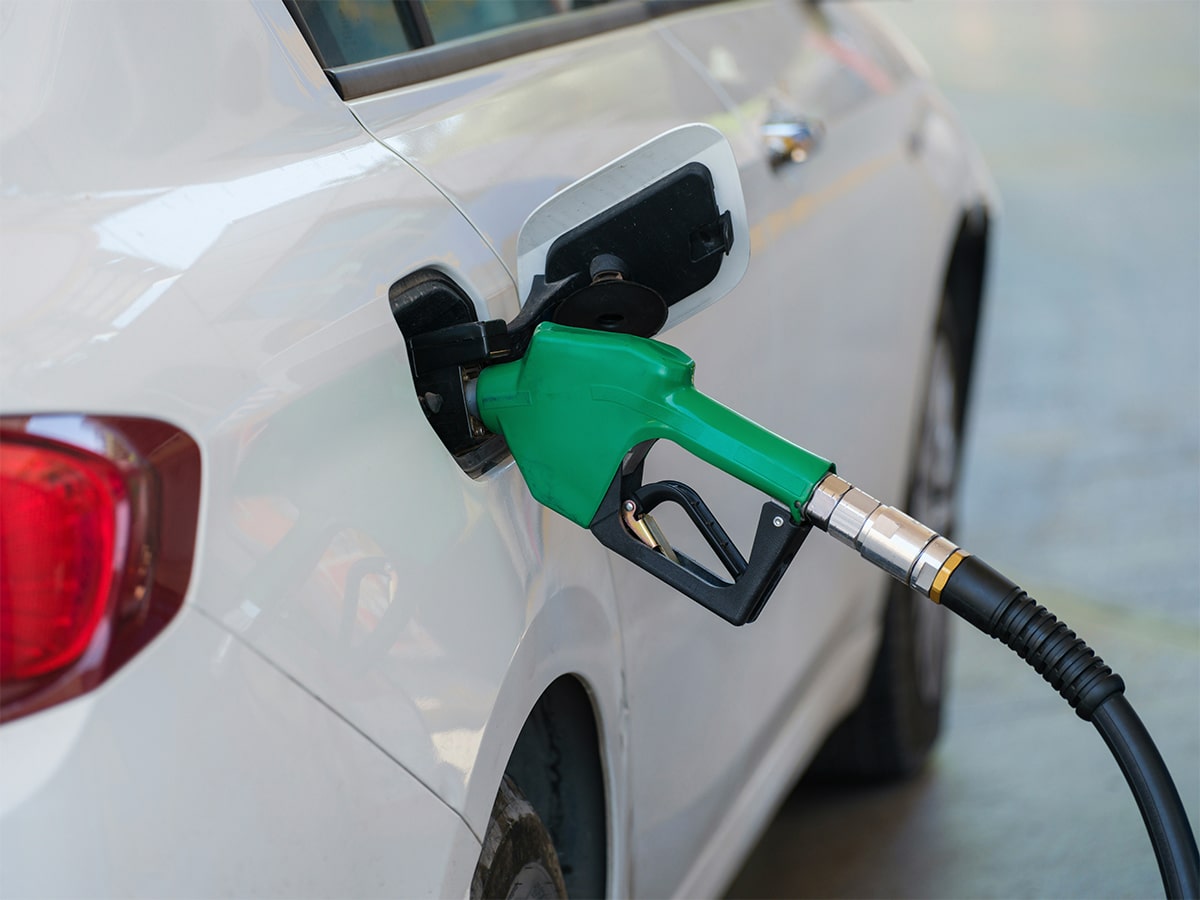
Furthermore, the Australian Government’s introduction of the New Vehicle Efficiency Standard (NVES), set to influence the market heavily by 2025 and 2026, has prompted manufacturers to reconsider their fleet compositions. While the NVES aims to reduce the carbon footprint of the transport sector, the immediate concern for consumers remains the direct hit to their disposable income caused by fuel price inflation.
Comparative Analysis: Compact and Frugal Vehicles
In the small car segment, the financial benefits of hybridization are most apparent. Vehicles such as the Toyota Yaris Hybrid, equipped with a 1.5-litre three-cylinder hybrid powertrain, represent the current gold standard for fuel economy in non-plug-in vehicles. With a combined consumption of just 3.3 litres per 100 kilometres, the Yaris remains remarkably insulated from price shocks.
At a fuel price of $1.90 per litre, the annual cost to run a Yaris Hybrid over 15,000 kilometres is approximately $940.50. Should prices escalate to $2.80 per litre, this cost rises to $1,386.00—an increase of $445.50. While any increase is unwelcome, this figure pales in comparison to less efficient entry-level rivals. For instance, the MG3, which utilizes a traditional 1.5-litre four-cylinder petrol engine, consumes 6.0 litres per 100 kilometres. At the $2.80 crisis point, the MG3 would cost its owner $2,520 per year in fuel, representing a $1,134 premium over the Yaris Hybrid.
This data highlights a growing "efficiency gap" where the lower purchase price of budget ICE vehicles is rapidly offset by higher operating costs during periods of fuel price volatility. The Toyota Corolla Hybrid, which sits between these two extremes with a consumption of 4.0 litres per 100 kilometres, would see its annual fuel bill rise to $1,680 at the $2.80 mark, still offering a significant saving over non-hybrid alternatives.

Mid-Size SUVs: The Battleground of the Australian Market
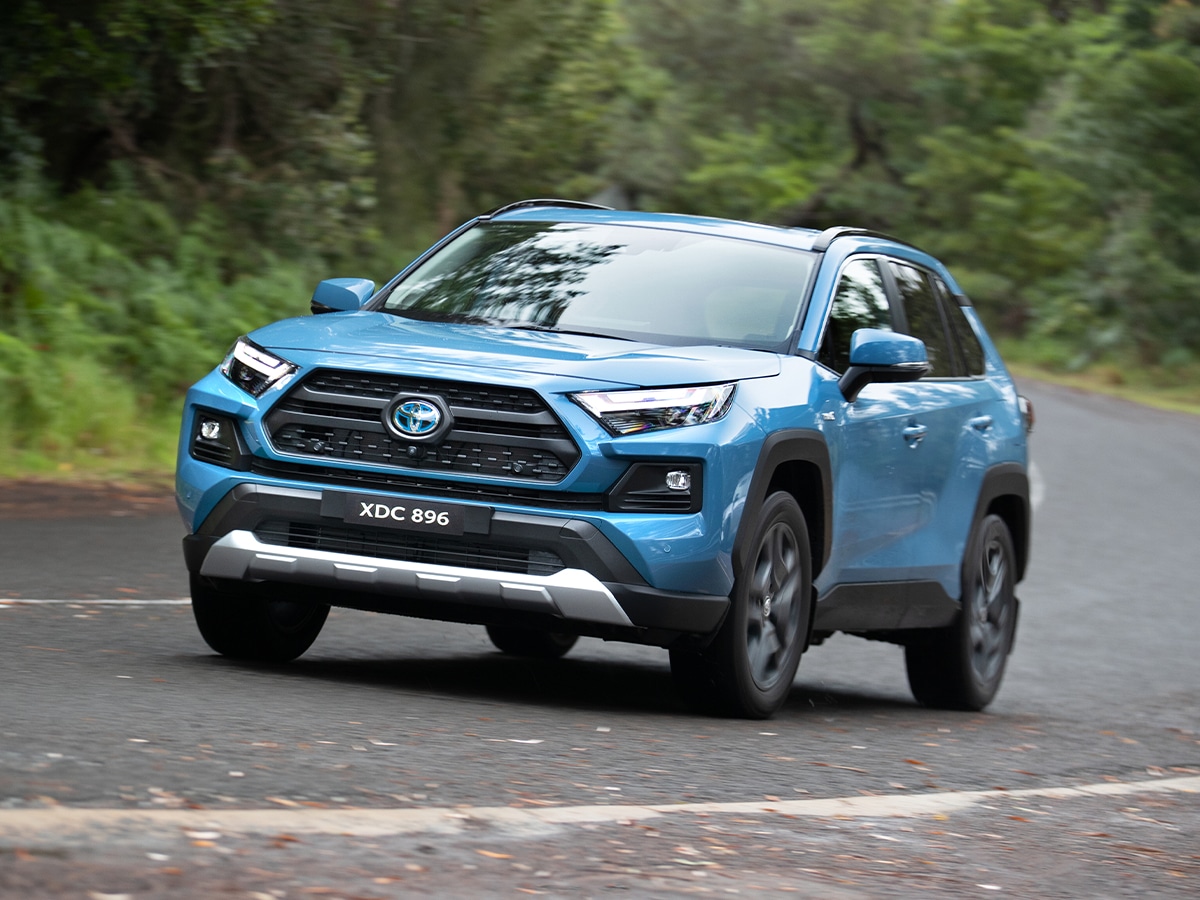
The mid-size SUV segment remains the most popular vehicle category in Australia, serving as the primary choice for families. Consequently, the impact of fuel prices in this sector has the broadest social implications. Toyota’s strategic decision to transition the RAV4 to a hybrid-only lineup in many markets is a direct response to both consumer demand for efficiency and the need to meet tightening emissions standards.
The 2WD Toyota RAV4 Hybrid, with a consumption of 4.7 litres per 100 kilometres, incurs an annual fuel cost of $1,339.50 at $1.90 per litre. At the $2.80 crisis level, this figure climbs to $1,974.00. In contrast, a traditional petrol-powered AWD SUV like the Mitsubishi Outlander, which averages 8.1 litres per 100 kilometres, faces a much harsher reality. At $2.80 per litre, the Outlander’s annual fuel bill reaches $3,402.00.
For a typical Australian family, the choice between these two vehicles could result in a difference of $1,428 per year in fuel expenditure alone. This significant variance underscores why hybrid technology is increasingly viewed as a necessary hedge against energy inflation.
The High-Consumption Sector: Utes and Large SUVs
Australia’s affinity for large dual-cab utes and high-performance SUVs presents a unique challenge during a fuel crisis. These vehicles are often essential for trade work or heavy towing, yet their physical mass and engine displacements make them highly susceptible to price increases.

The Ford Ranger, Australia’s top-selling vehicle, has seen its powertrain options evolve. The 3.0-litre V6 turbo diesel, favoured for its torque and towing capability, has a combined consumption of 8.4 litres per 100 kilometres. At $2.80 per litre, the annual fuel cost for a Ranger owner would be $3,528. While this is substantial, it is the "upper large" and "performance" segments where the figures become truly eye-watering.
The Nissan Patrol, a staple for off-road enthusiasts and large families, utilizes a 5.6-litre V8 petrol engine with a thirst of 14.4 litres per 100 kilometres. At the projected $2.80 ceiling, the Patrol would demand $6,048 per year in fuel. Even more extreme is the RAM 1500 TRX, which features a 6.2-litre supercharged V8. With a consumption rate of 19.6 litres per 100 kilometres, the TRX is the most fuel-intensive vehicle currently available in the Australian market. At $2.80 per litre, running a TRX would cost $8,232 annually—an increase of $2,646 per year compared to the $1.90 baseline.
Industry and Regulatory Responses
Automotive industry bodies, including the Federal Chamber of Automotive Industries (FCAI), have noted that while manufacturers are working to bring more efficient models to market, the transition takes time. The average age of a vehicle on Australian roads is approximately 10 years, meaning that millions of motorists remain "locked in" to older, less efficient technology that leaves them vulnerable to current price spikes.
Consumer advocacy groups, such as the Australian Automobile Association (AAA), have called for greater transparency in fuel pricing and have urged the government to monitor retail margins closely. There is also ongoing debate regarding the fuel excise tax, which currently sits at approximately 49.6 cents per litre. While the excise provides essential funding for road infrastructure, there are calls from some sectors for a temporary reduction, similar to the relief measure implemented in 2022, to ease the burden on households.
Broader Economic Implications and Conclusion
The implications of $2.80 per litre fuel extend far beyond the individual motorist. In a country as geographically vast as Australia, transport costs are a primary driver of headline inflation. Higher fuel prices increase the cost of transporting goods, which in turn leads to higher prices for groceries and consumer products, creating a secondary inflationary loop.
For the individual consumer, the current crisis serves as a catalyst for a shift in purchasing logic. The "total cost of ownership" is no longer a theoretical calculation used by fleet managers; it has become a survival metric for the average household. As the data suggests, the move toward hybrid and electric powertrains is increasingly driven by immediate financial necessity rather than environmental altruism alone.
As Australia navigates this period of volatility, the lesson for motorists is clear: the upfront price of a vehicle is only one part of the equation. In an era of $2.80 fuel, the efficiency of a car’s engine has become one of the most significant variables in determining a household’s financial resilience. Whether through the adoption of hybrids like the RAV4 or the exploration of plug-in alternatives like the upcoming Ranger PHEV, the Australian market is at a turning point where efficiency is no longer a luxury, but an economic imperative.




 Yuyun Lusiyani
 Joko Widodo
 Eva Lovia
 Pevita Pearce
 admin
admin