
 Lina Irawan
The annual release of the Forbes global ranking of the world’s wealthiest individuals has long served as a definitive barometer for the shifting tides of global capital. However, the 2026 report marks a significant departure from historical norms, documenting a level of wealth concentration at the apex of the list that has no modern precedent. Leading the surge is Elon Musk, whose estimated net worth has climbed to a staggering US$839 billion (approximately AUD$1.179 trillion), placing him in a financial tier entirely distinct from his nearest peers.
This year’s data indicates that the billionaire class is not only expanding in number but also consolidating a larger share of the global economy. With 3,428 billionaires identified globally, their combined net worth has reached $20.1 trillion. To put this figure into perspective, the collective wealth of these individuals now rivals the gross domestic product (GDP) of the world’s third-largest national economy. The 2026 list welcomes 400 new members, reflecting a year of aggressive market growth and the rapid monetization of emerging technologies.
The Musk Multiplier and the New Wealth Gap
The most striking revelation of the 2026 ranking is the widening chasm between the world’s richest person and the rest of the global elite. Elon Musk’s fortune of $839 billion is more than three times that of the second-ranked individual, Google co-founder Larry Page, who holds a net worth of $257 billion. This disparity underscores the massive valuation increases in Musk’s primary ventures: Tesla, SpaceX, and his artificial intelligence firm, xAI.
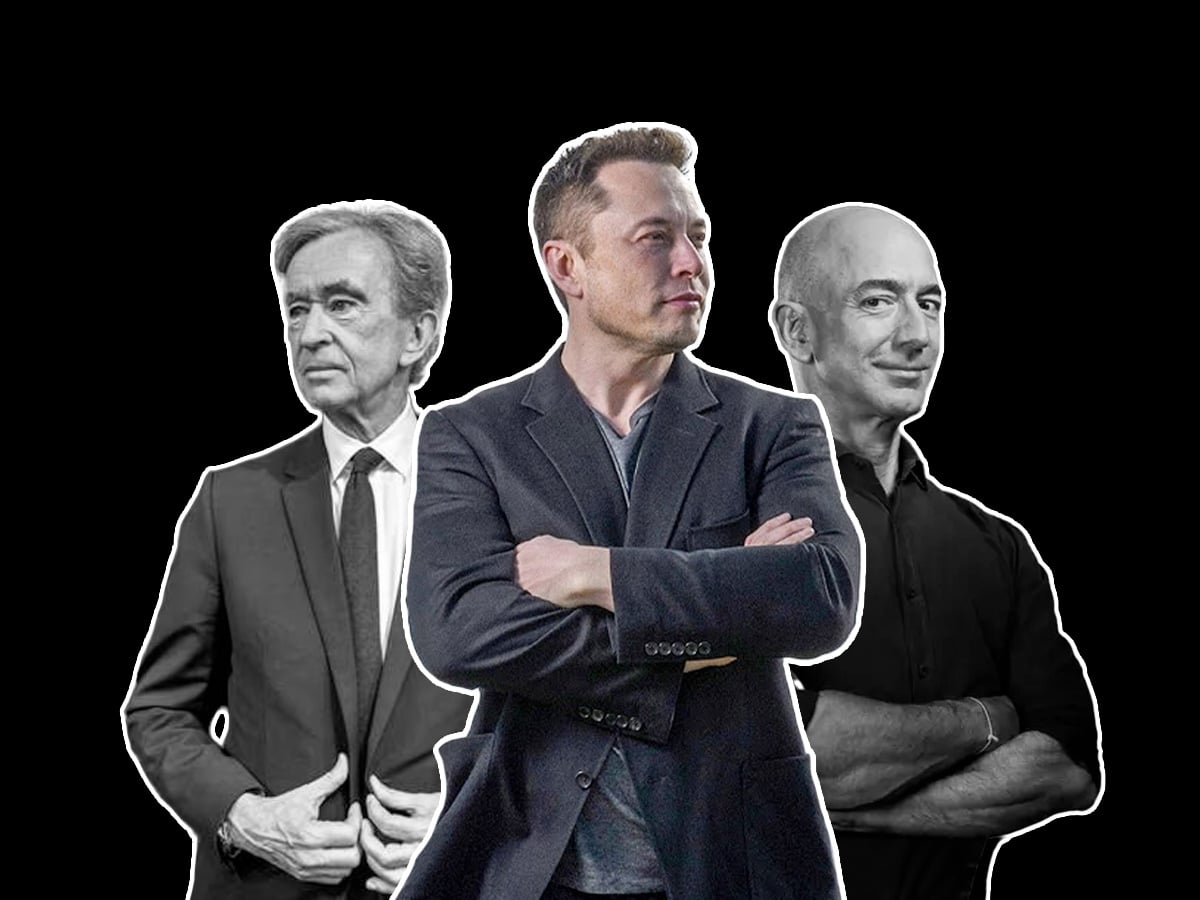
Musk’s wealth now represents a figure so vast that it dwarfs the entire economic output of many sovereign nations. In a regional context, Musk’s net worth is more than 30 times that of Australia’s wealthiest person, mining magnate Gina Rinehart, who is valued at $25.5 billion. Analysts suggest that this concentration of capital provides Musk with a level of geopolitical influence typically reserved for heads of state, particularly as SpaceX continues to dominate satellite deployments and Tesla maintains its lead in the global electric vehicle (EV) infrastructure.
Statistical Breakdown: A Global Overview
The geographical distribution of wealth in 2026 continues to be dominated by the United States, though the Asia-Pacific region remains a primary engine for new billionaire creation.
- United States: Maintains the lead with 989 billionaires, driven largely by the tech sector and a robust venture capital ecosystem.
- China (including Hong Kong): Holds 610 spots on the list. While the Chinese real estate sector has faced headwinds, the country’s dominance in consumer electronics and green energy manufacturing continues to produce significant fortunes.
- India: Boasts 229 billionaires. The rise of Indian wealth is characterized by massive industrial conglomerates and a burgeoning software-as-a-service (SaaS) industry.
The influx of 400 new billionaires this year suggests that despite global inflationary pressures and fluctuating interest rates, the mechanisms for high-level wealth creation—particularly through public offerings and private equity—remain highly effective.

The AI Revolution: From Applications to Infrastructure
A definitive trend in the 2026 rankings is the transition of artificial intelligence from a speculative venture to a primary wealth driver. However, the list reveals that the most significant gains are not being made by companies producing consumer-facing AI applications, but rather by those providing the physical and digital infrastructure that makes AI possible.
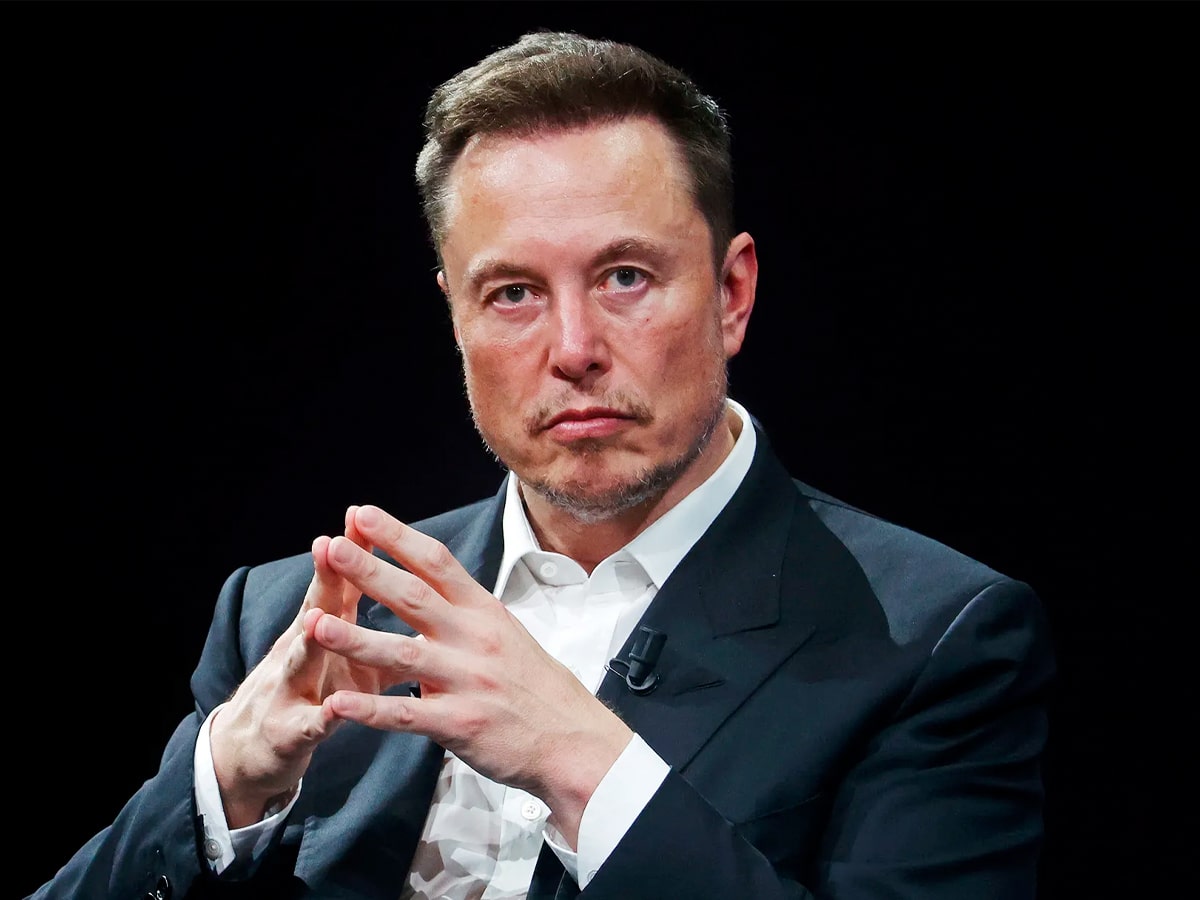
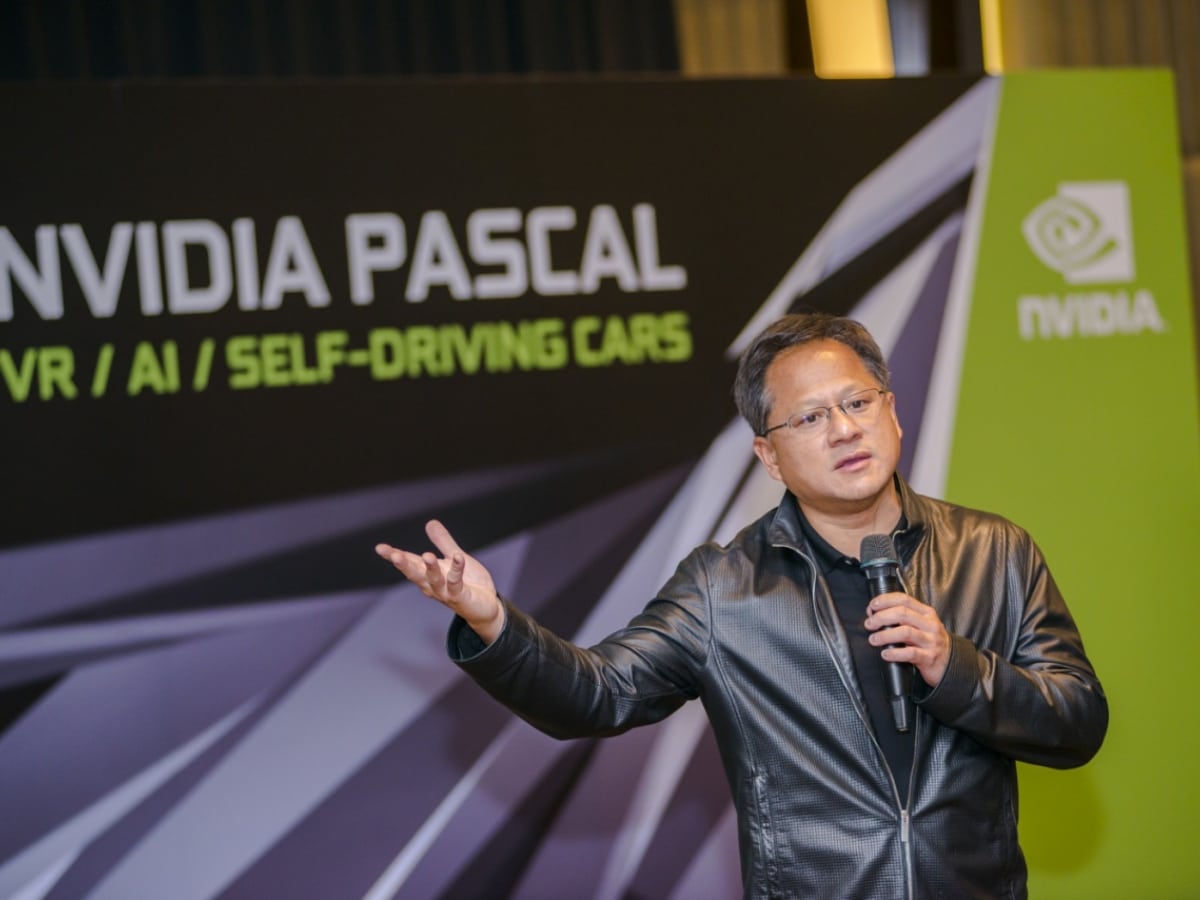
Jensen Huang, the CEO of NVIDIA, has seen his fortune rise to $154 billion, securing the eighth spot on the global list. NVIDIA’s dominance in the semiconductor market, specifically the high-performance chips required for AI training and data centers, has turned the company into a cornerstone of the modern economy. Similarly, the fortunes of Google founders Larry Page ($257B) and Sergey Brin ($237B) have been bolstered by their company’s pivot toward AI-integrated search and cloud computing infrastructure.
Former Google CEO Eric Schmidt also features prominently among "AI billionaires" with a net worth of $35.5 billion, largely due to strategic investments in AI startups and his continued holdings in Alphabet. The data suggests that for the foreseeable future, the "arms dealers" of the AI revolution—those providing the chips, the servers, and the data models—will continue to outpace the software developers using those tools.
Entertainment and the Power of Ownership
The 2026 list also highlights a fundamental shift in how wealth is generated within the entertainment industry. Historically, performers and artists earned through contracts and appearances; today, the wealthiest figures in entertainment are those who own their intellectual property (IP) and distribution channels.
A notable entry this year is Dr. Dre, who has officially joined the billionaire ranks. While his music career provided the foundation, his $1.1 billion fortune was solidified through the sale of Beats by Dre to Apple and subsequent high-yield investments. He joins an elite group of musicians including Jay-Z, Beyoncé, Rihanna, Taylor Swift, and Bruce Springsteen, all of whom have leveraged their personal brands into diversified business empires.
Taylor Swift’s presence at No. 2,052 with a $2 billion net worth is particularly significant, as it represents a fortune built almost entirely on music and touring, bolstered by her strategic reclaiming of her master recordings. In the film sector, directors like Steven Spielberg ($7.1B) and James Cameron ($1.1B) remain staples of the list, proving that long-term ownership of iconic cinematic franchises remains one of the most stable forms of entertainment wealth.
The Australian Landscape: Mining and the Tech Transition
Australia’s representation on the 2026 list remains strong, with 56 individuals qualifying as billionaires. The ranking reveals a dual-track economy where traditional resource extraction still holds the top spots, but a modern software sector is rapidly gaining ground.
Gina Rinehart ($25.5B) and Andrew "Twiggy" Forrest ($20.3B) continue to lead the domestic rankings, their fortunes inextricably linked to the global demand for iron ore. Real estate mogul Harry Triguboff follows closely at $23.4 billion, reflecting the continued resilience of the Australian property market.
However, the "new guard" of Australian wealth is increasingly found in the tech sector. Melanie Perkins and Cliff Obrecht, the co-founders of the design platform Canva, are each valued at $7.6 billion. Similarly, Atlassian founders Mike Cannon-Brookes ($7.4B) and Scott Farquhar ($7B) represent the success of Australian enterprise software on the global stage. This shift suggests that Australia is successfully diversifying its wealth base beyond the "dig and ship" model of previous decades.
Political Wealth and the Trump Factor
One of the more scrutinized entries on the 2026 list is Donald Trump, who appears at No. 645. With an estimated net worth of $6.5 billion, Trump’s fortune has seen a notable increase since 2024. While his primary holdings remain rooted in New York and Florida real estate, the growth in his wealth is attributed to his expansion into digital media and cryptocurrency ventures. The valuation of his media projects, often tied directly to his political brand, has introduced a new level of volatility and growth potential to his portfolio that was not present during his earlier career as a developer.
Methodology: How the Numbers are Calculated
Forbes utilizes a rigorous, year-round methodology to compile these figures. A team of more than 50 reporters tracks the movement of assets, including public stock holdings, private company valuations, real estate, art collections, and luxury assets such as yachts and aircraft.
To ensure accuracy, Forbes applies a 10% liquidity discount to private assets, acknowledging that these holdings cannot be instantly converted to cash. Known debts are subtracted from the gross asset value. The list intentionally excludes world leaders and members of royal families who hold wealth as a function of their office or who manage national resources in trust. This is why figures like Vladimir Putin or the Saudi Royal Family do not appear, as the distinction between personal assets and state-controlled wealth is often too opaque for independent verification.
Broader Impact and Economic Implications
The 2026 Forbes Billionaires List serves as more than just a tally of personal success; it is a reflection of global economic priorities. The overwhelming presence of tech and AI-related fortunes suggests that the global economy is in the midst of a structural realignment.
However, the sheer scale of wealth concentrated in the hands of the top 0.001% has reignited debates regarding wealth inequality and the necessity of global tax reform. Critics point out that while the combined wealth of these 3,428 individuals has grown to $20.1 trillion, many nations struggle with infrastructure funding and social services.
As the race toward the world’s first trillionaire continues—with Elon Musk being the clear frontrunner—the influence of these private individuals on global policy, space exploration, and technological ethics is expected to grow. The 2026 list confirms that we have entered an era where individual capital can rival the power of traditional institutions, reshaping the world in the image of the ultra-wealthy.




 Jia Lissa
 Yuyun Lusiyani
 Joko Widodo
 Eva Lovia

 Pevita Pearce